




New light-based 3D-printing tech can print complex models in 0.6 seconds
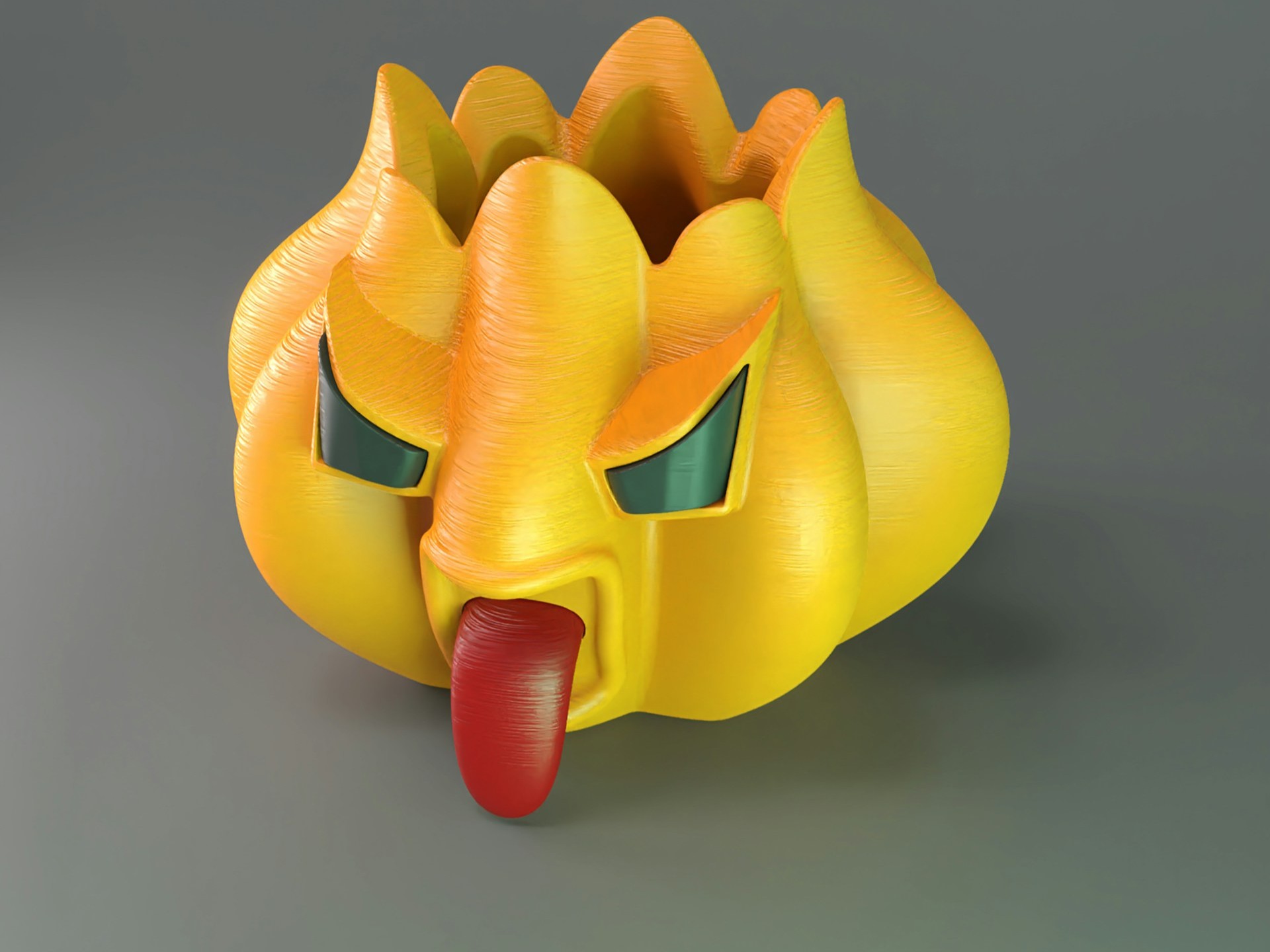
The persistent trade-off between speed and precision in 3D printing has severely limited its utility in mass manufacturing. However, a research team from Tsinghua University, led by Academician Dai Qionghai, has resolved this critical bottleneck. Published in Nature, their new digital incoherent synthesis of holographic light fields (DISH) technology prints millimeter-scale, high-resolution objects in an unprecedented 0.6 seconds.
Traditional volumetric additive manufacturing — such as computed axial lithography — requires the physical sample to rotate 360°. This introduces mechanical instability and forces the use of high-viscosity resins to prevent the object from sinking during the prolonged print time.
DISH entirely eliminates this flaw using a different approach. Instead of spinning the sample, DISH employs a high-speed rotating periscope that revolves up to 10 times per second around a stationary container. This stationary approach allows the entire three-dimensional light intensity distribution to be projected at once through a single optical flat surface. Consequently, DISH achieves a staggering printing rate of 333 cubic millimeters per second with a minimum printable feature size of 12 micrometers.
Because the fabrication is completed in fractions of a second, the technology is fully compatible with low-viscosity materials, such as aqueous PEGDA solutions. The object solidifies long before gravity can cause it to sink. The researchers have already demonstrated that integrating DISH with a fluidic channel, enables the continuous mass production of diverse structures.
This sub-second breakthrough paves the way for the rapid, high-throughput manufacturing of photonic computing devices, smartphone camera modules, micro-robots, and highly detailed biological tissue models.
 Add as a preferred source on Google


