




EV50: DJI's new high-tech drone defies extreme cold and thin air
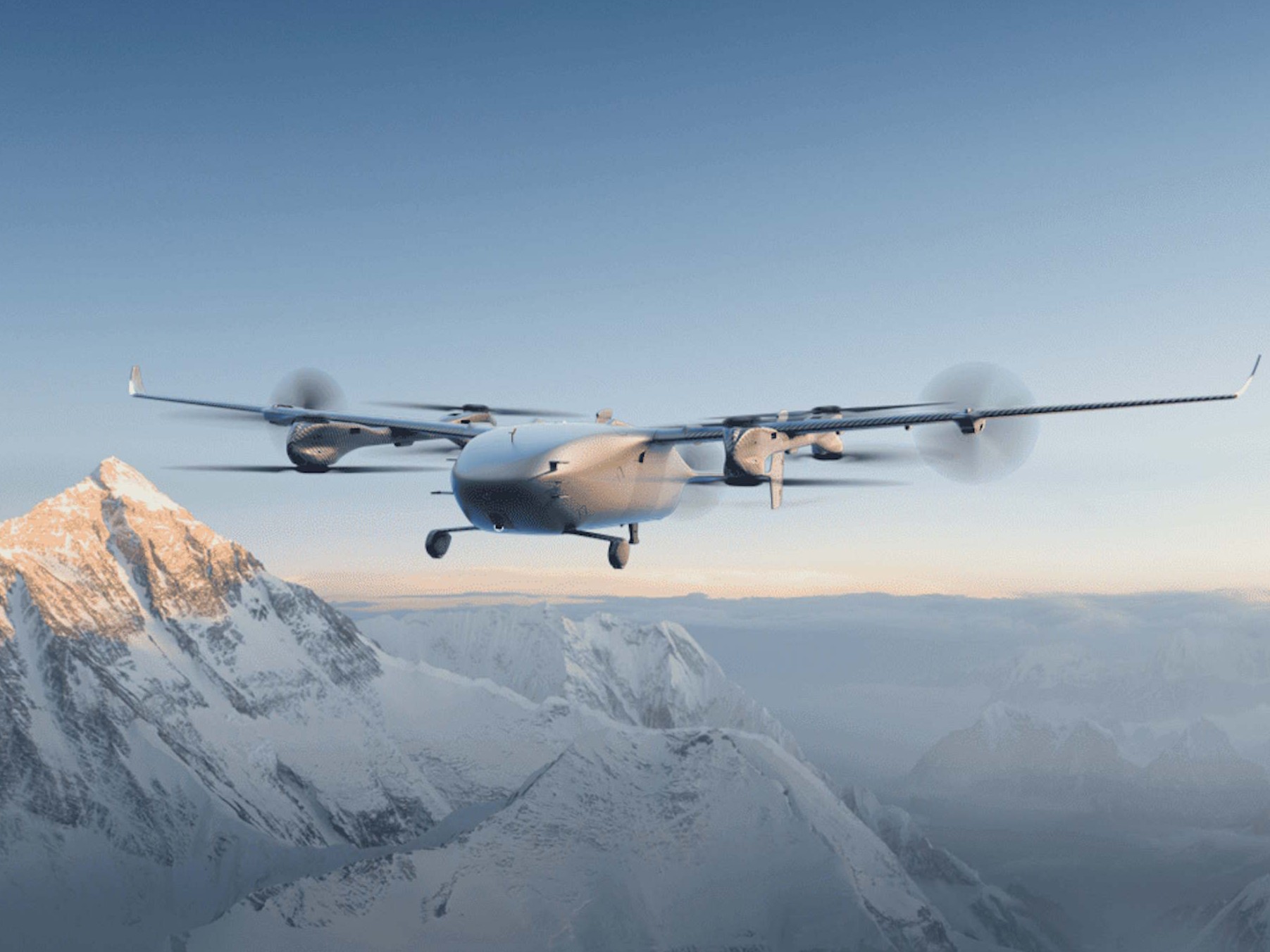
Our readers are likely already aware that DJI’s portfolio extends far beyond consumer camera drones. In addition to the quadcopters we have previously reviewed, the company actively develops advanced agricultural and delivery drones. Recently, DJI shared compelling insights from a pioneering project conducted in the Himalayas—specifically on the unforgiving slopes of Mount Everest. Operating drones at extreme altitudes presents severe technical challenges. Freezing temperatures, violent gusts, and, most critically, drastically reduced air density combine to impair performance. Because thinner air provides less lift, rotors and motors must work significantly harder to maintain stable flight.
DJI states that its new EV50 reached a maximum flight altitude of 8,861 metres and completed a continuous climb of up to 3,730 metres. The drone was equipped with specialised ozone-measurement instruments to analyse atmospheric pollutants at high altitudes. The EV50 is not a conventional quadcopter but an eVTOL delivery drone, meaning it takes off and lands vertically and transitions to fixed-wing flight. The model is not yet available.
Alongside the EV50, DJI utilised conventional enterprise platforms like the Matrice 4E to map complex glacial formations. Meanwhile, the FlyCart 100 proved its heavy-lift capabilities by transporting an impressive total of 10,073 kilograms of material, which included the successful removal of 2,585 kilograms of waste from the mountain. Compared to conventional manned aircraft, unmanned systems can offer several advantages, including lower operating costs. In the case of electrically powered drones, they may also reduce reliance on fossil fuels and produce no direct exhaust emissions, which can be beneficial for environmental research.
Source(s)
 Add as a preferred source on Google


