




Don't try this at home! A 3D-printed diving helmet built from scratch
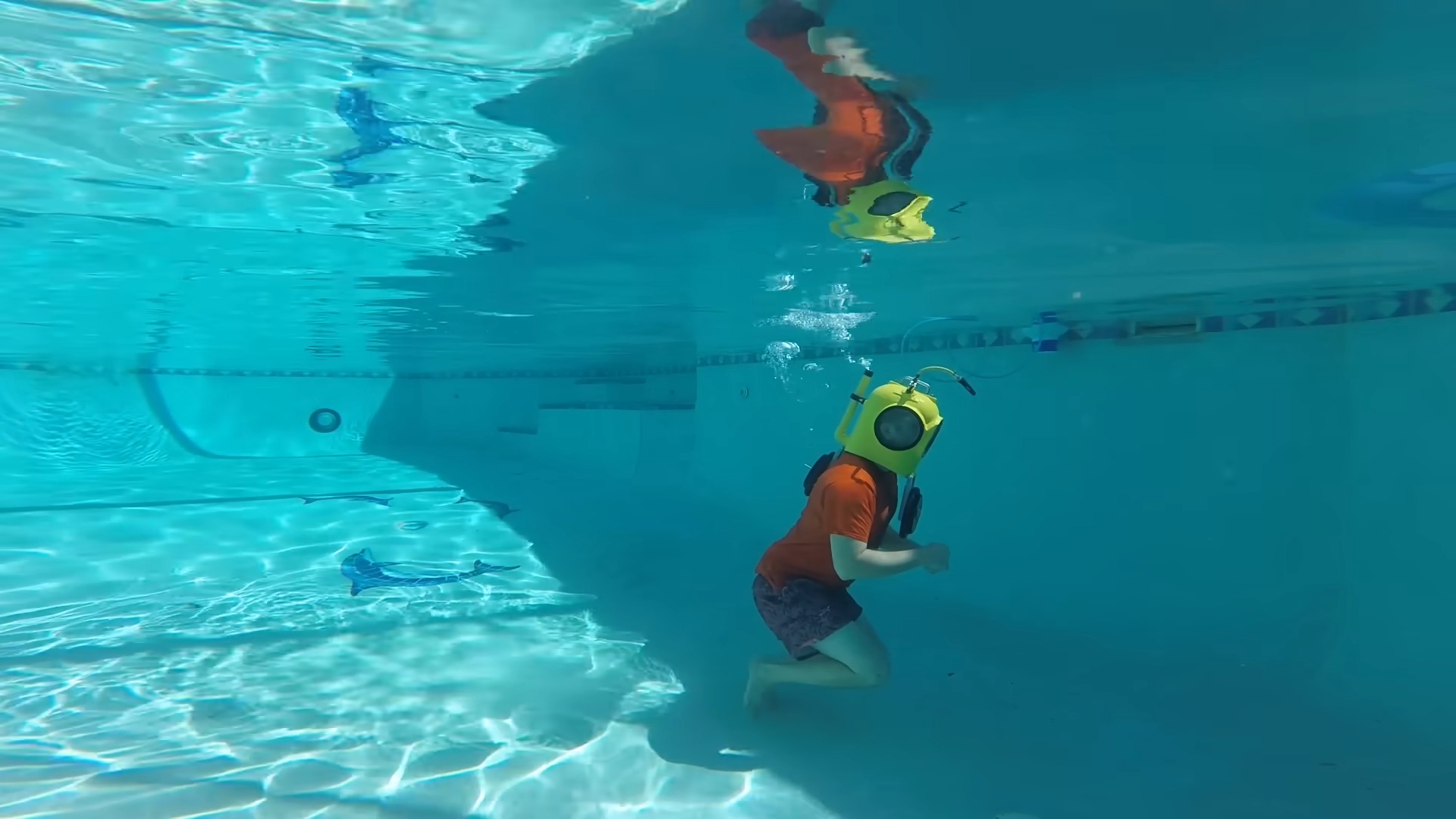
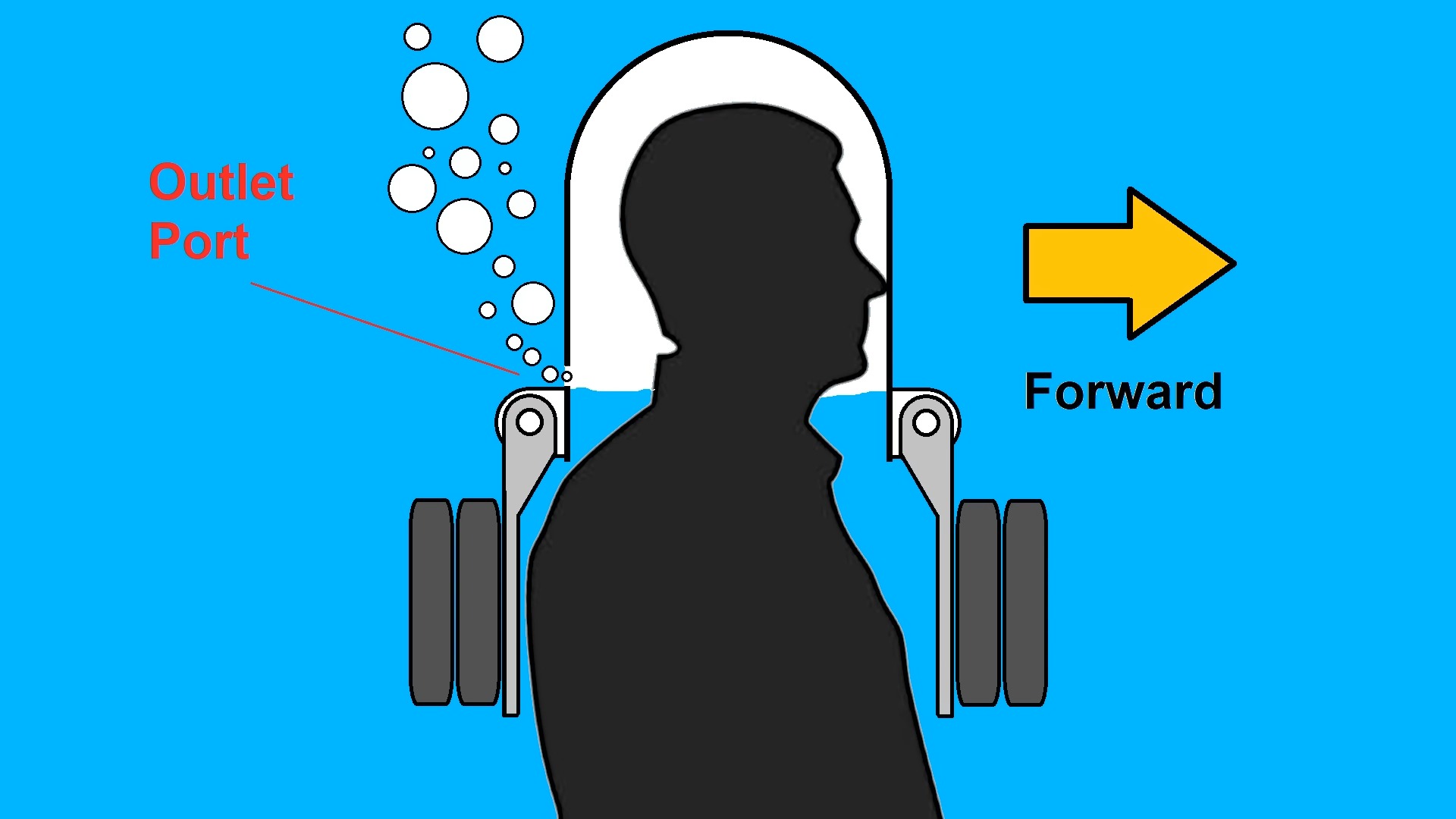
The project: How does a diving helmet actually work?
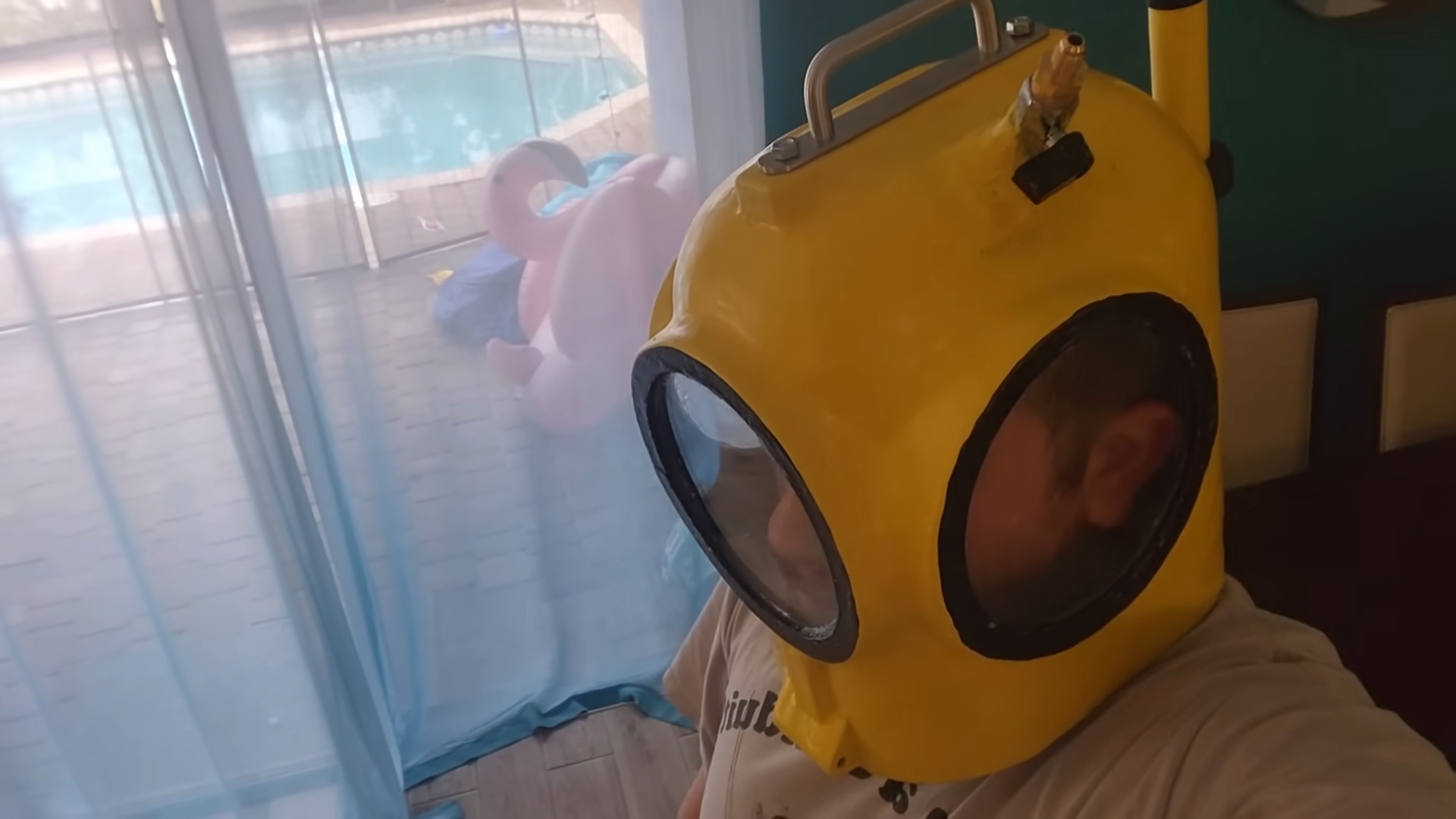
YouTuber "Hyperspace Pirate" pulled off a seriously unconventional maker project: a fully 3D-printed diving helmet paired with an air supply unit mounted on a floating platform. The concept itself is refreshingly straightforward — traditional diving helmets essentially work like an upside-down bucket, with fresh air fed in through an air hose. That simplicity is a bit deceiving, though. Before you ever hit the water, the build demands careful technical planning, calculations, and cautious testing — skip those steps, and things can turn life-threatening fast.
Why ABS — and why absolutely no polyester resin?
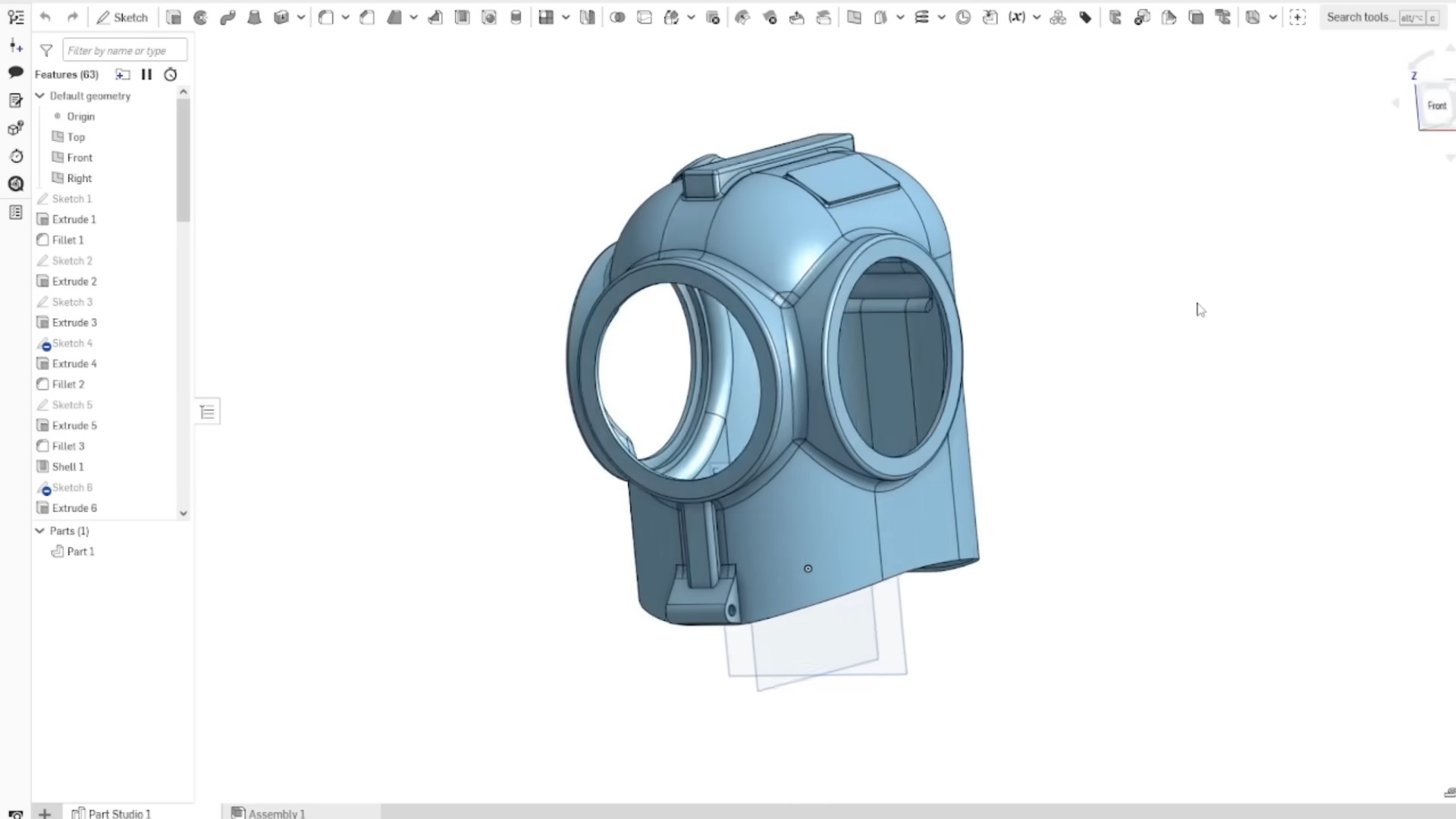
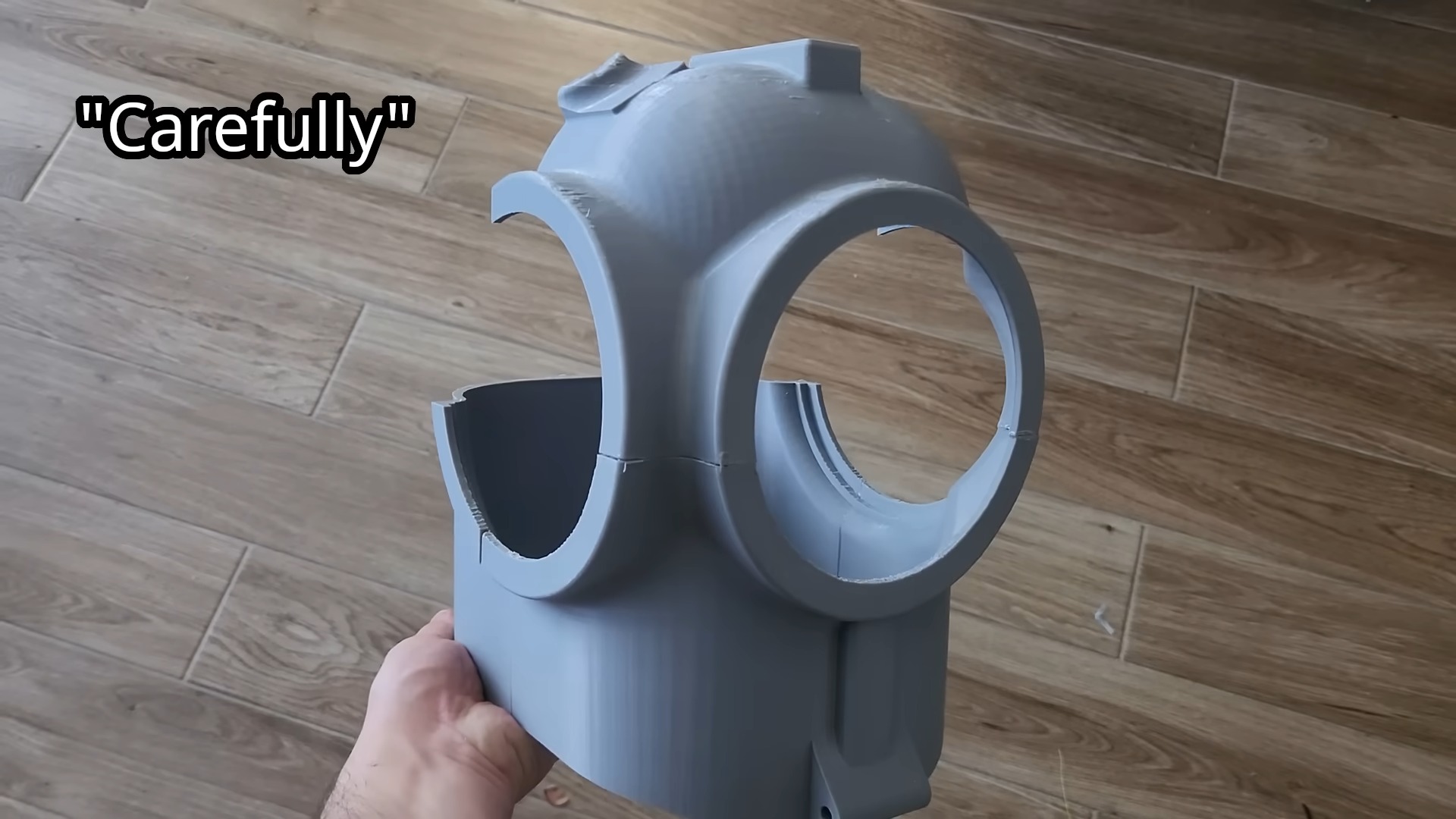
The 3D model for the helmet is available for free on Thingiverse. Since no two heads are the same size, the maker recommends figuring out your dimensions upfront using a simple cardboard mockup — what he tongue-in-cheek calls "cardboard-aided design." The helmet itself was printed in ABS plastic, with individual segments glued together and then reinforced with fiberglass and epoxy resin. One critical note: polyester resin is a no-go here, as it dissolves ABS. After that, he finished it off with paint and a coat of lacquer.

Safety first: Which compressors are off-limits
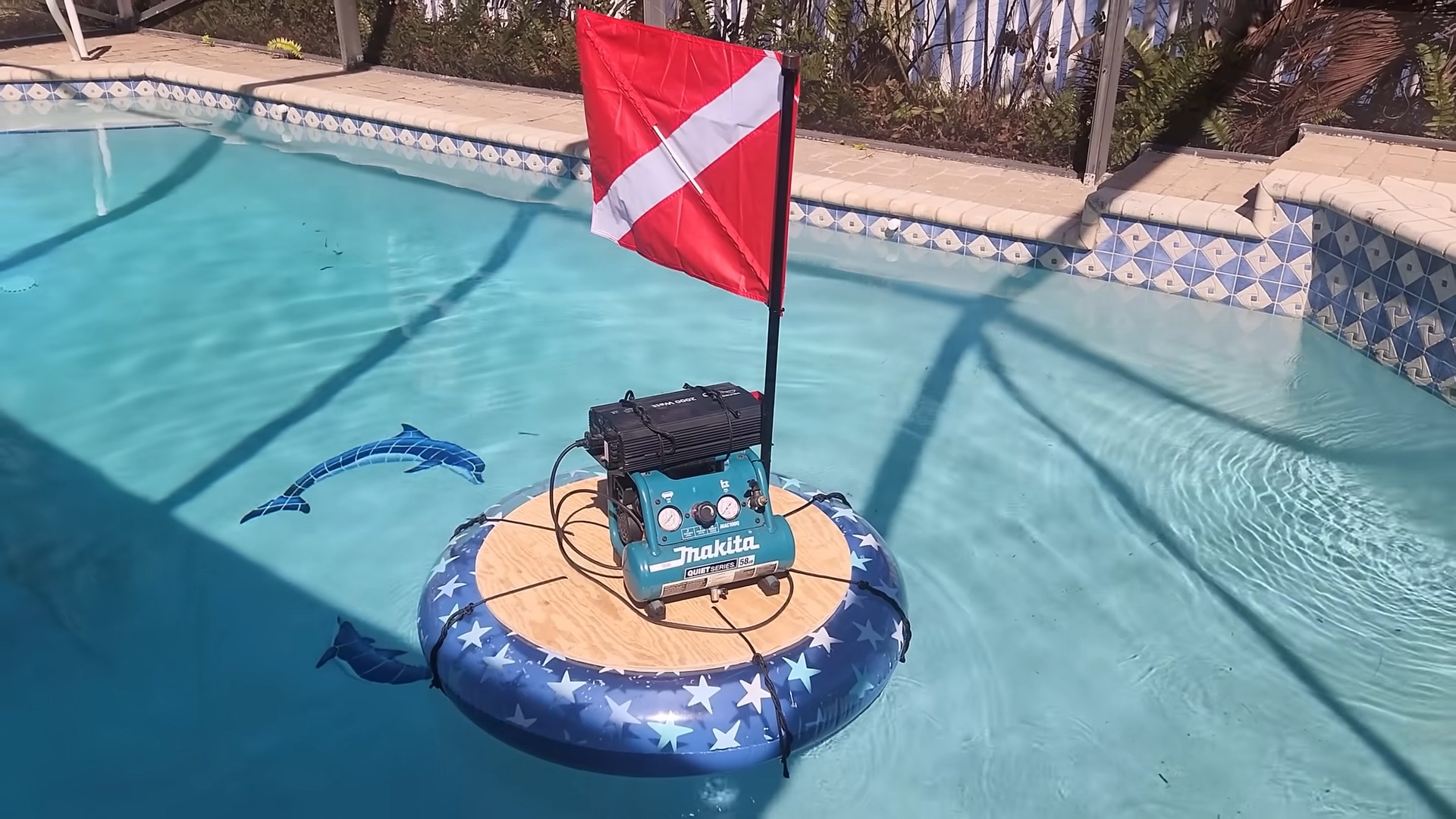
Air is supplied by an oil-free electric compressor mounted on a flotation device alongside a power inverter and battery packs, keeping the whole setup afloat at the surface. The maker strongly cautions against using gas-powered compressors — exhaust gases like carbon monoxide and carbon dioxide could travel straight down the air hose and into your lungs, with potentially fatal consequences. Oil-contaminated air poses its own serious health risks as well, which is why only oil-free, electrically powered units should ever be used. The connection to the helmet is made via a standard 1/4-inch SAE fitting.
First tests, outlook, limitations, and a safety note
The maker ran his first tests in his backyard pool. In theory, the system should handle depths of up to ten meters, provided the compressor delivers at least 41 liters of air per minute. With a more compact, waterproofed compressor setup, the builder believes real ocean exploration could actually be within reach. Whether a pool float loaded with a compressor, batteries, and an inverter would hold up in open-water conditions is another question entirely. All told, this is clearly a project for experienced makers — and divers — not a casual weekend build. That said, the project video is genuinely cool, and it's very much made with a wink and a smile.
Source
Hyperspace Pirate on Youtube
 Add as a preferred source on Google


