




China shatters space-ground transmission record with 120 Gbps laser link
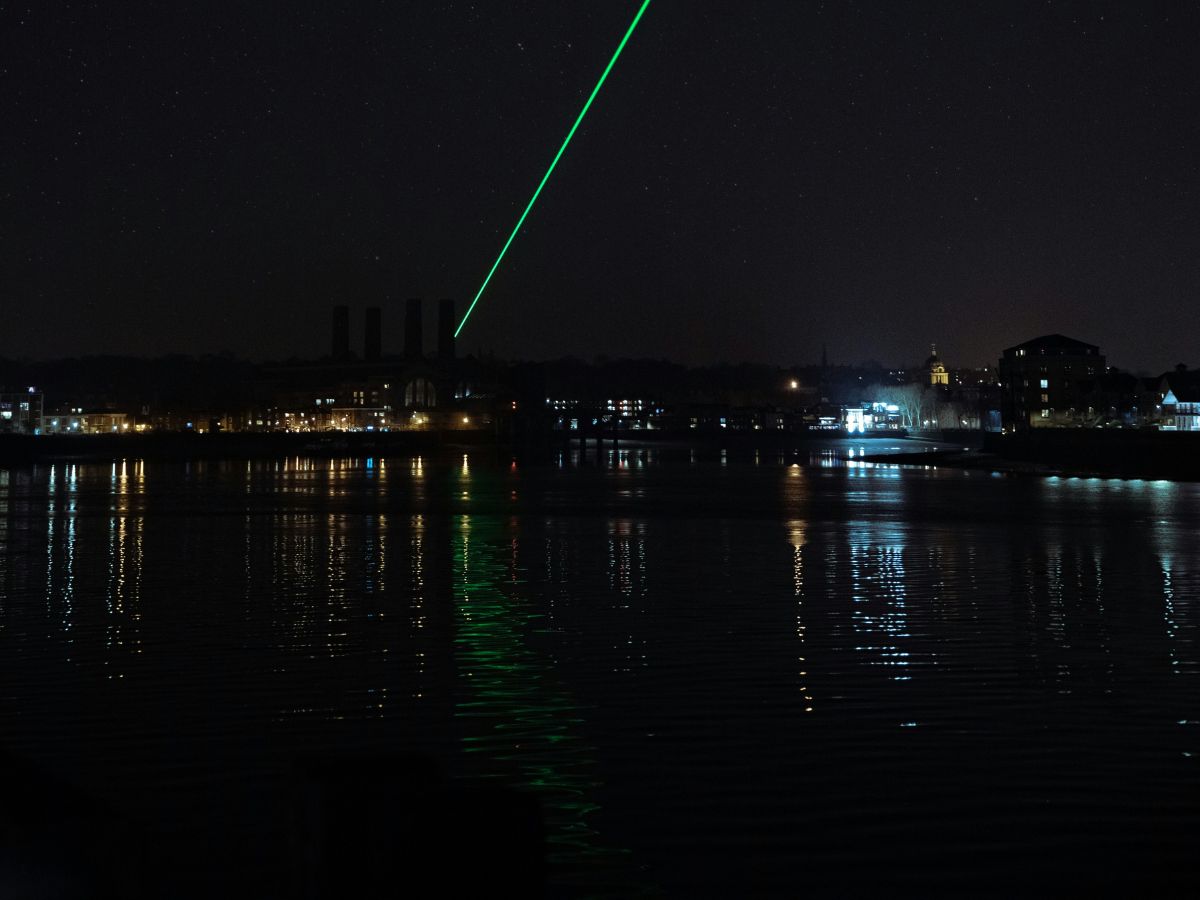
The Aerospace Information Research Institute (AIR) under the Chinese Academy of Sciences has successfully completed an operational application experiment that pushes satellite-to-ground laser communication past the 100-gigabit-per-second (Gbps) threshold. Achieving a peak transmission speed of 120 Gbps, this milestone marks a significant improvement in high-speed space data transmission capabilities.
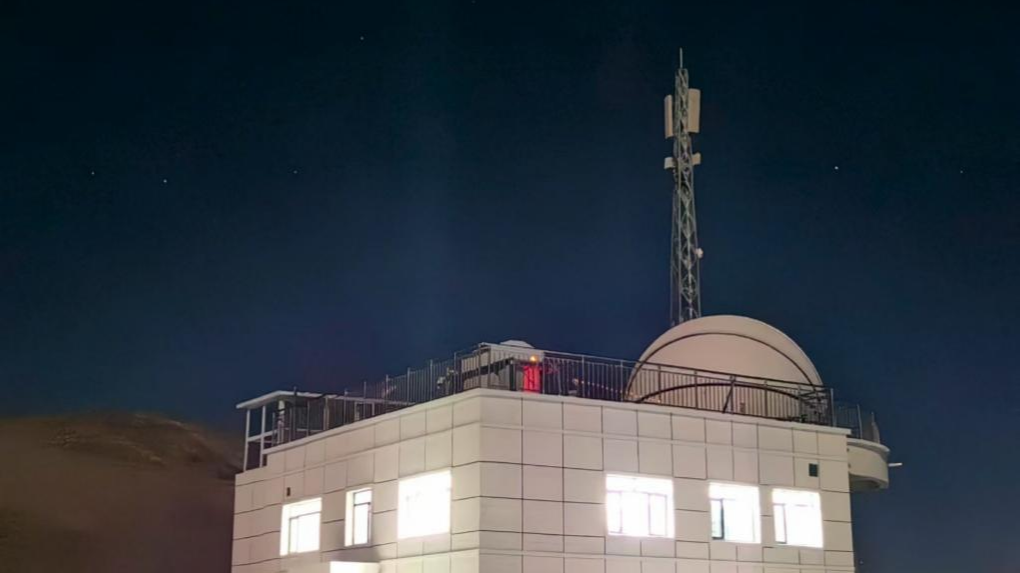
This achievement builds upon a rapid succession of technological leaps by the AIR team, which previously recorded speeds of 10 Gbps in 2023 and 60 Gbps in 2025. The recent experiment utilized a self-developed 500-millimeter aperture laser ground station situated on the Pamir Plateau in the Xinjiang Uygur Autonomous Region of China, communicating directly with the AIRSAT-02 satellite.
The engineering team made this breakthrough without any physical hardware modifications to the AIRSAT-02 satellite. The capacity was effectively doubled from 60 Gbps to 120 Gbps purely through in-orbit software reconfiguration, fully unlocking the potential of the existing laser communication payload.
The test data attest to the stability and efficiency of the new system:
- Rapid link acquisition. The satellite and ground station established connections in seconds, maintaining a success rate exceeding 93%.
- Continuous transmission. The system sustained a maximum continuous communication duration of 108 seconds.
- Massive data volume. A total of 12.656 terabits of data were transmitted during the window.
Li Yalin, senior engineer at AIR and the team's technical lead, noted the exponential difficulty of this advancement. Li compared the previous 10 Gbps benchmark to a simple single-lane bridge, while describing the 120 Gbps achievement as a complex multi-lane highway requiring both rapid construction and high-efficiency parallel traffic.
Source(s)
 Add as a preferred source on Google


