




China aims to flood the market with humanoid robots — but they’re still too dumb to replace workers
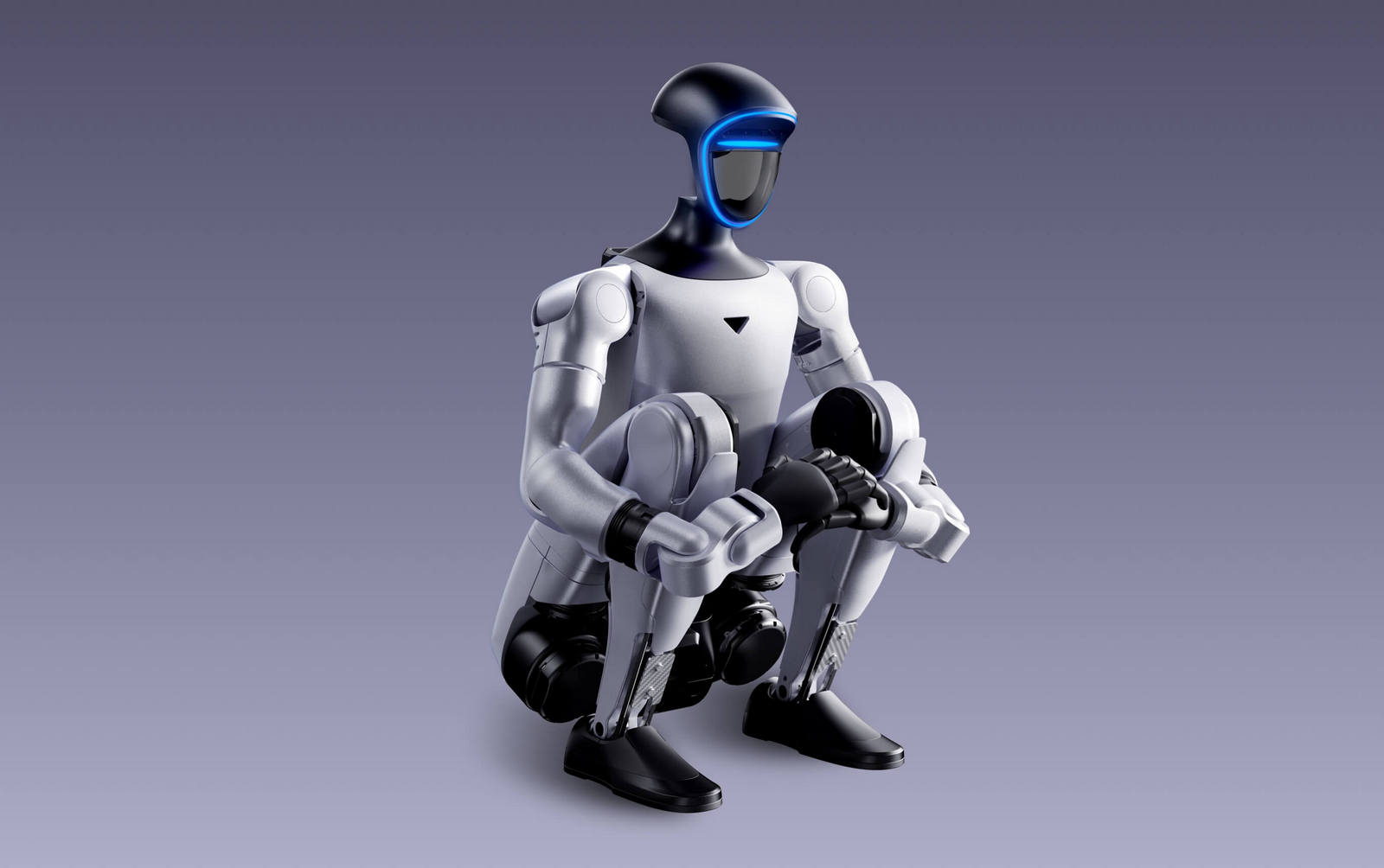
China is rapidly expanding its humanoid-robot industry, with more than 150 companies now developing these machines. But despite massive government investment and impressive public demonstrations, the technology remains far from capable of replacing human workers in most real-world jobs.
At a robotics training center in southern China, Reuters found more than 100 humanoids learning simple tasks such as sorting crates, packaging food and making coffee. The machines remain slow and unreliable: a novice trainer may need around 300 attempts to produce one usable movement, while an experienced trainer can manage one in about 50. Another staff member said some robots could perform simple tasks at only about 20% of a human worker's speed or output.
Humanoid robots still struggle to adapt when something changes, such as an object being placed at a different angle or equipment and lighting conditions differing from those used during training. Conventional industrial robots are often faster, cheaper and more reliable for factory work.
The problem is not just hardware. The biggest obstacle may be the robots’ AI. The vision-language-action models that control humanoids are much harder to train than the large language models used by chatbots. And they need enormous amounts of real-world training data: the industry reportedly has only around 500,000 hours, compared with an estimated 100 million hours needed for truly capable physical intelligence.
According to a Reuters investigation, Chinese government entities spent at least $230 million on humanoid robots and related equipment in the first half of 2026, up from $62 million a year earlier. Chinese manufacturers also accounted for around 95% of the roughly 20,000 humanoid robots shipped worldwide last year.
The strategy resembles China’s earlier push into electric vehicles and solar panels: build production capacity early, subsidize the industry and let intense competition drive down costs. But humanoids are still a much less mature technology, and analysts warn that the sector could face a painful consolidation as subsidies eventually decline.
There are already some promising applications. Chinese company Galbot, for example, is deploying humanoid robots in pharmacies, where they retrieve products from shelves with a reported success rate above 95%. But general-purpose factory work remains a much harder challenge.
For now, China's humanoid robots may look impressive when they're dancing or doing kung fu. Putting them to work is proving considerably harder.
Source(s)
 Add as a preferred source on Google


