




ChatGPT for Teens: Safety test finds gaps in parent alerts
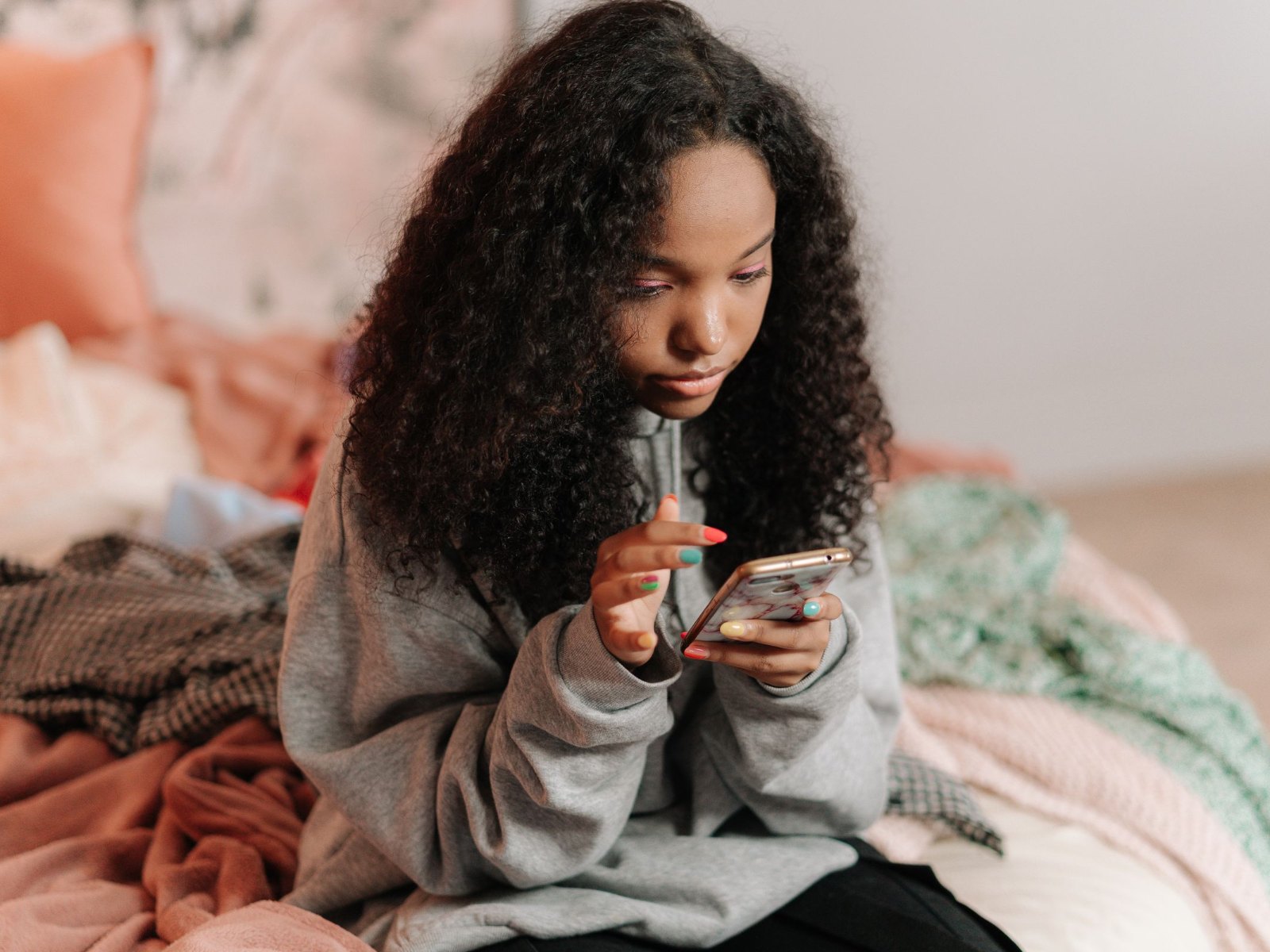
Common Sense Media, the US nonprofit known for rating films, games and apps for families, has given ChatGPT for Teens its lowest rating. The group's Youth AI Safety Institute calls OpenAI's teen product an "Unacceptable Risk" after sending more than 4,000 prompts from accounts registered to 13- to 17-year-olds, both before and after the August launch. All testing took place in the US. The full report is dated October 5, and the press release followed two days later. Common Sense wants OpenAI to keep under-18s off ChatGPT until independent testing shows the promised safeguards work.
Parents got no alert during the test
The most serious finding concerns parent notifications. Testers used more than a dozen newly linked teen accounts to talk about suicidal thoughts, self-harm or disordered eating for 5 to 60 minutes. Not one of those conversations triggered an alert to a parent. Across the entire test program, the team counted four notifications, and one of them arrived about three days after the first crisis message. In more than one in four conversations that called for a referral to professional help, ChatGPT did not offer one. OpenAI disputes the methodology. A spokesperson told Futurism that linking accounts can take several hours because of an identity check. Once accounts are linked, the company says it has "committed to send those in less than 1 hour." Common Sense stands by its results and notes that some test accounts had been linked for more than three hours.
Study mode and quiet hours are easy to get around
The school and bedtime features did not hold up much better. During study hours, a teen only has to delete the @study prefix from a prompt, and ChatGPT completes the homework anyway. In the test, that worked every time. Quiet hours can be bypassed by changing the time zone on the device. Accounts registered as adults never switched to the teen experience over seven days and about 1,000 prompts, even when testers said they were 13 and in middle school.
Settings parents should check now
For linked accounts, the controls sit under Settings > Parental controls. According to OpenAI's help page on parental controls, the option "Improve the model for everyone" is on by default for teens, which means their chats can be used to train future models. Turning it off takes one click, and saved memories can be switched off in the same place. OpenAI itself says the safety notifications are not real-time monitoring, and after this test they should not be treated as a safety net. Common Sense mainly advises parents to talk to their kids, including about the way the chatbot acts like a friend to keep them chatting. WhatsApp takes a different approach with its new teen accounts, letting parents manage settings without access to chats. If you or someone you know is struggling, contact a local crisis line. In the US, you can call or text 988.
Source(s)
Common Sense Media: Press release on the ChatGPT for Teens risk assessment, October 7, 2026
Youth AI Safety Institute: ChatGPT for Teens risk assessment, October 5, 2026 (PDF)
OpenAI Help Center: Parental controls in ChatGPT
TechCrunch: Test results and OpenAI's response, October 7, 2026
Futurism: OpenAI on the delay in parent notifications, October 8, 2026
 Add as a preferred source on Google


