




BYD spins off electric taxi unit: Linghui gives away $2,300 in free charging
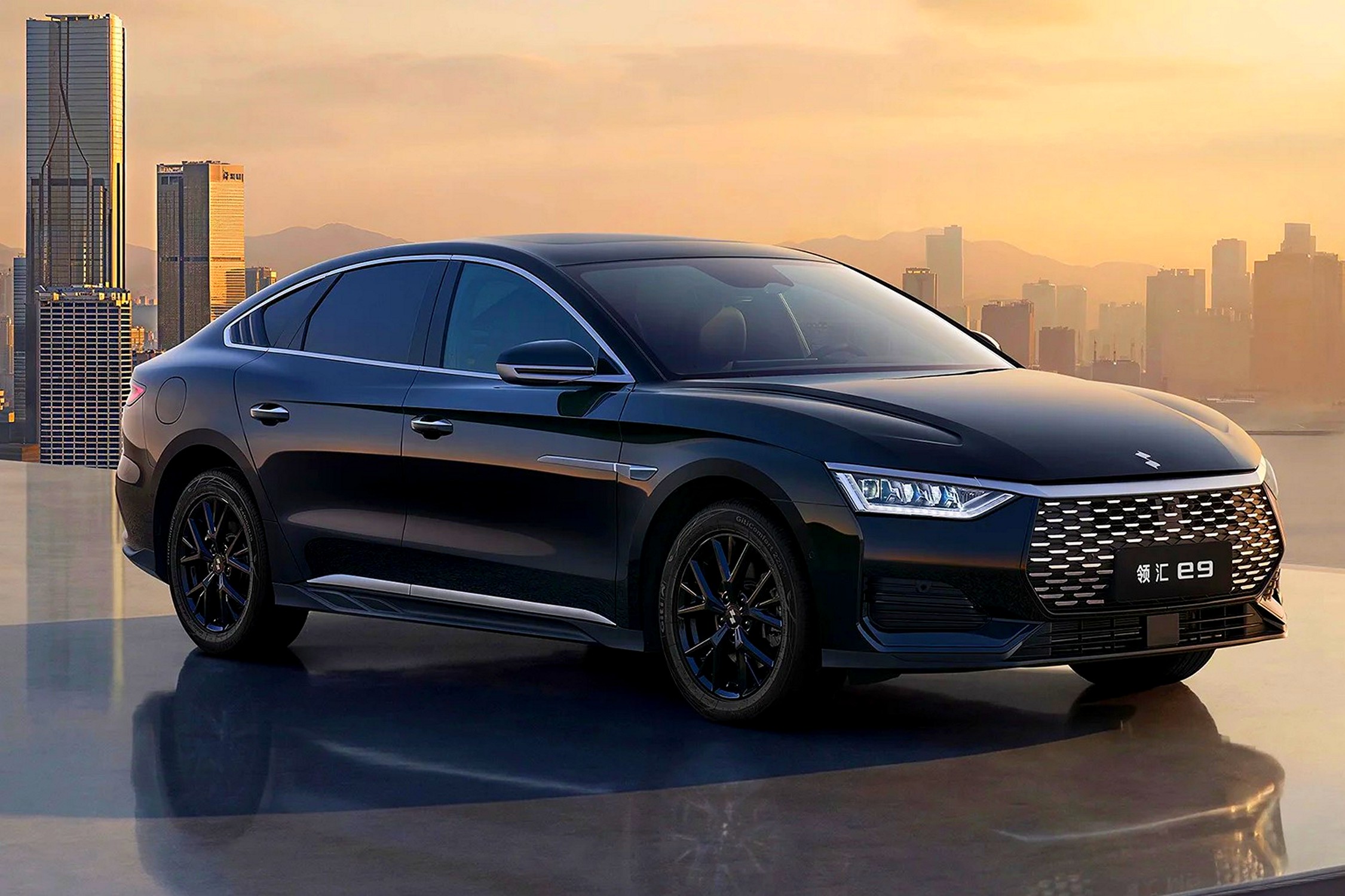
If you book a ride with a driver in China, it is highly likely that you will be travelling in an all-electric BYD vehicle. While this may sound like a massive sales success, it is increasingly becoming a problem for the EV manufacturer. Brands that become too closely associated with cheap taxis quickly lose prestige with private customers.
Competitors such as GAC Aion and Neta have already experienced this, suffering plummeting sales figures as a result. BYD is now addressing this issue by outsourcing all commercial EV models to its new sub-brand, Linghui.
Under the new logo, relabelled but technically optimised versions of well-known electric models are now hitting the roads. The e5, e7 and e9 saloons, as well as the M9 plug-in hybrid van, are being launched. The star of the show is the 4.78-metre-long Linghui e7. This vehicle comes equipped with the second generation of the Blade Battery and the new Flash Charging System, which charges the battery from 10 to 97 percent in just nine minutes.
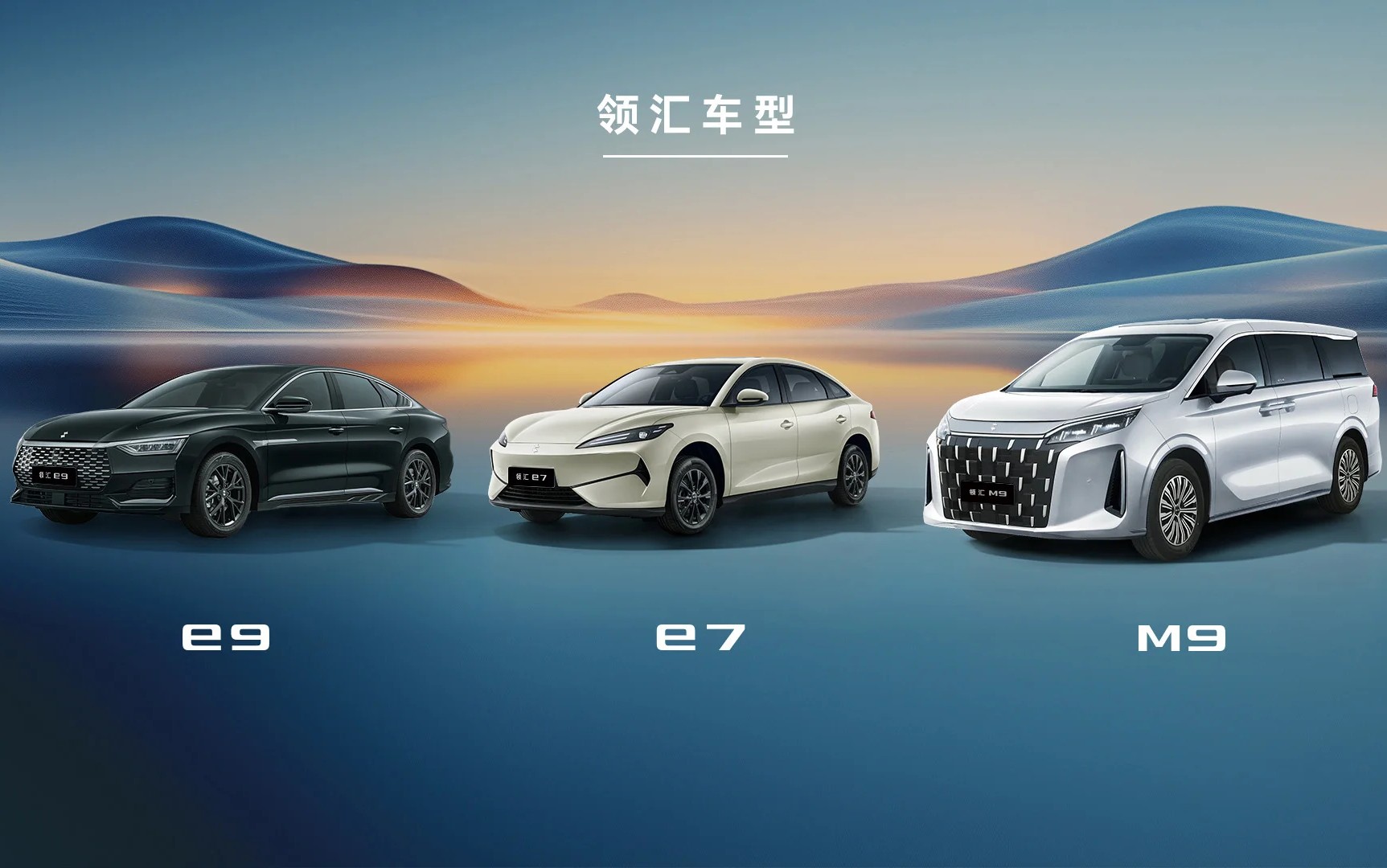
In an aggressive push to establish the new brand in the market, BYD is offering a deal that highlights the intense price competition in China. Not only do buyers of the E7 get the latest technology, they also get a whole year of free charging at all Linghui and Didi stations.
With an annual mileage of 100,000 kilometres — completely normal for a ride-hailing driver — this equates to savings of around 16,000 yuan. In other words, drivers will keep around $2,300 more in their pockets. The charging network is already in place in 127 Chinese cities.
This strategic approach protects the core BYD brand from the taxi image while making the company's own fleet highly profitable. While customs duties are still being discussed in Europe, China's market leader is demonstrating just how fierce competition is in the electric vehicle sector.
Source(s)
 Add as a preferred source on Google


