




Audi A2 e-tron: First real look at Audi's new entry-level EV during winter testing
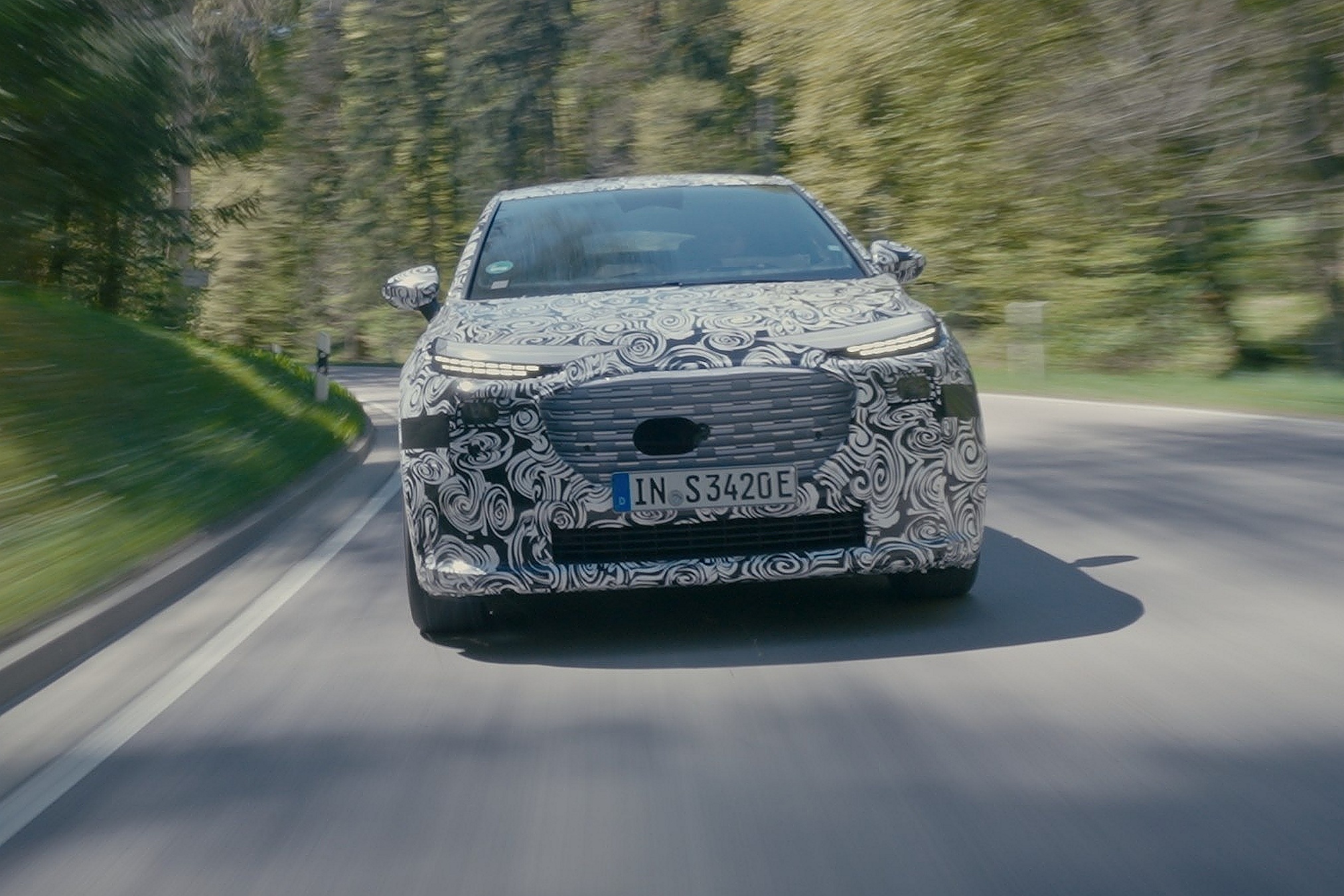
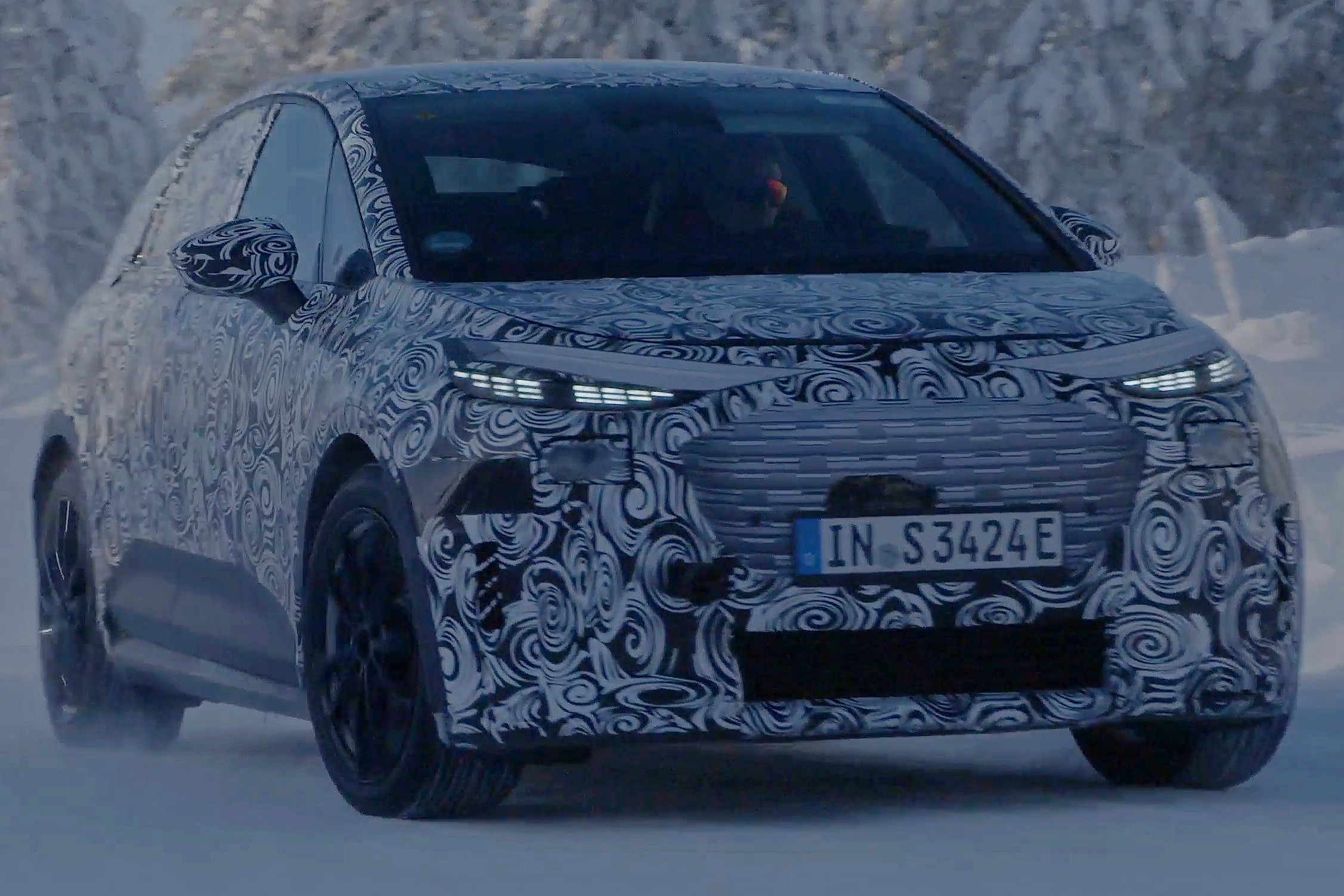
In Scandinavia, the camouflaged prototype of the Audi A2 e-tron is already kicking up plenty of snow. Audi is reviving the legendary A2 model line, giving the compact class a purely electric makeover. Previously, only a vague design sketch existed on paper. Now, the Ingolstadt-based automaker is sending the first real camouflaged prototypes onto the track.
The new A2 e-tron marks the next major milestone, with the carmaker firmly scheduling its official world premiere for fall 2026. Audi CEO Gernot Döllner made it clear at the company's annual press conference that this project is a top priority.
With this compact EV, the Ingolstadt brand is radically rejuvenating its entire product portfolio, driven by a clear strategy. Customers are loudly demanding affordable yet thoroughly premium electric mobility. The newcomer is intended to open up the electric Audi world to a broader buyer base, making entry into the brand significantly more relevant and accessible.
Urban centers and major European cities are a particular focus for the developers. The compact premium segment is growing rapidly worldwide. What is needed most of all is high everyday utility, an extremely efficient use of energy resources, and a thoroughly sustainable selection of materials. Deep digital connectivity in the cockpit is also a mandatory requirement for the new model family. Strategically, the Bavarian automaker is rounding out its model lineup at both ends in 2026.
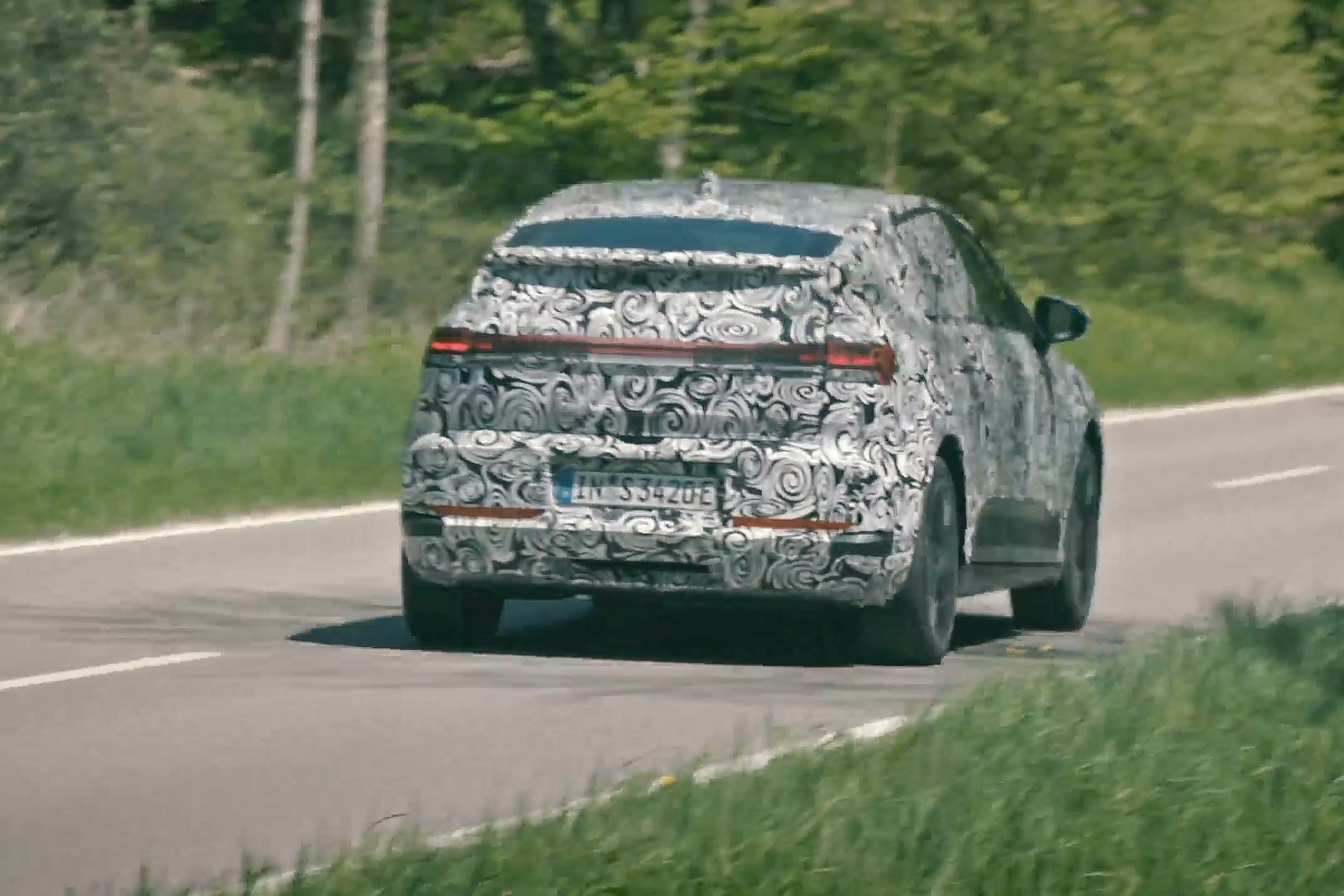
In the absolute luxury class, the massive flagship SUV, the Audi Q9, is set to reign supreme. At the other end of the price spectrum, the A2 e-tron will now form the fundamental cornerstone in the urban compact segment. The name intentionally recalls the original A2, which was considered an absolute pioneer in lightweight construction and aerodynamics 25 years ago. For now, striking camouflage wrap on the bodywork helps shield the vehicle from the curious eyes of competitors.
In the freezing cold of Swedish Lapland, the technology has to prove what it can really do. On mirror-smooth handling tracks and frozen lakes, engineers test the interplay between the electric motor, chassis, and brake control systems minute by minute. The battery's thermal management system, in particular, is under brutal, constant monitoring in extreme sub-zero temperatures to guarantee stable power delivery.
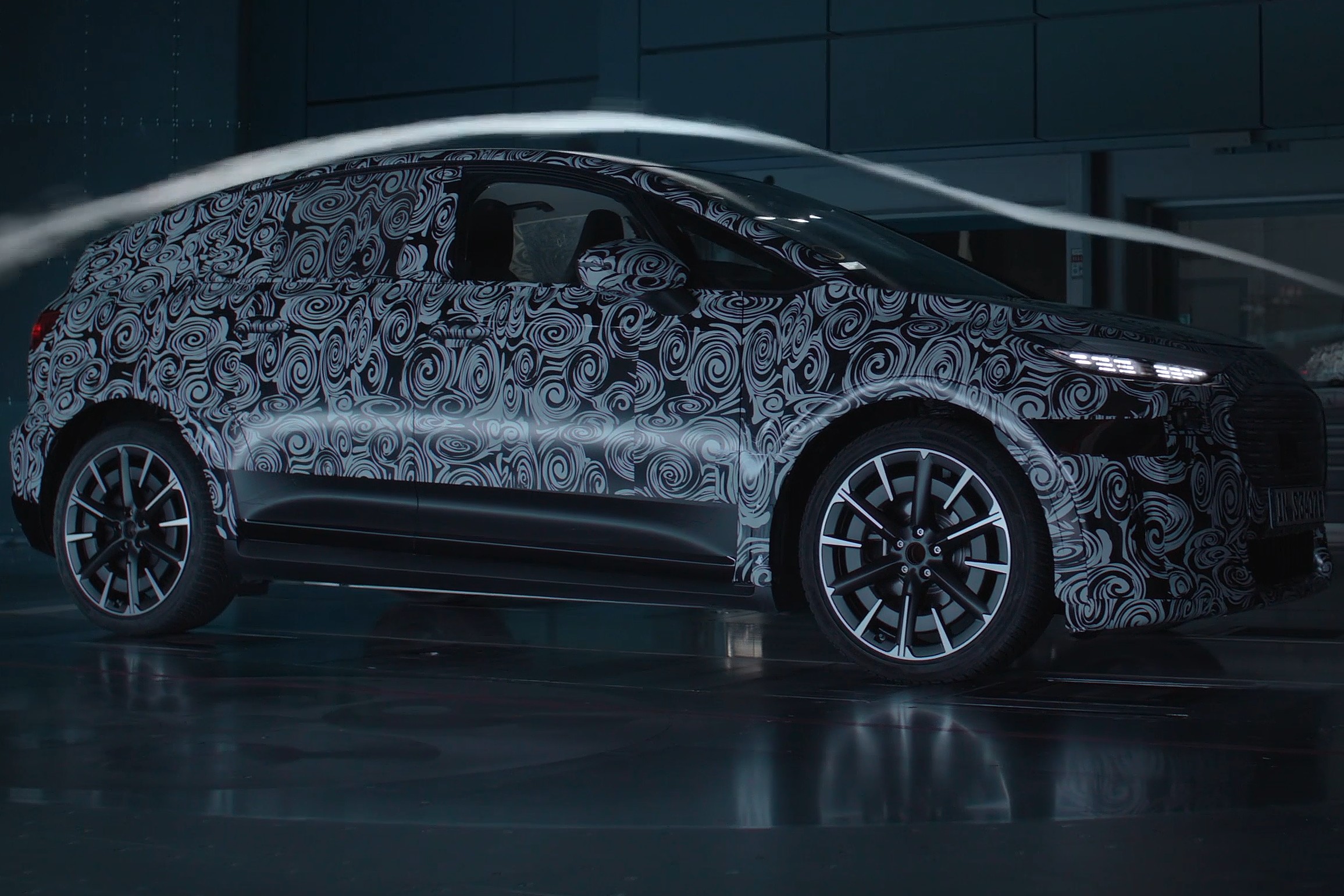
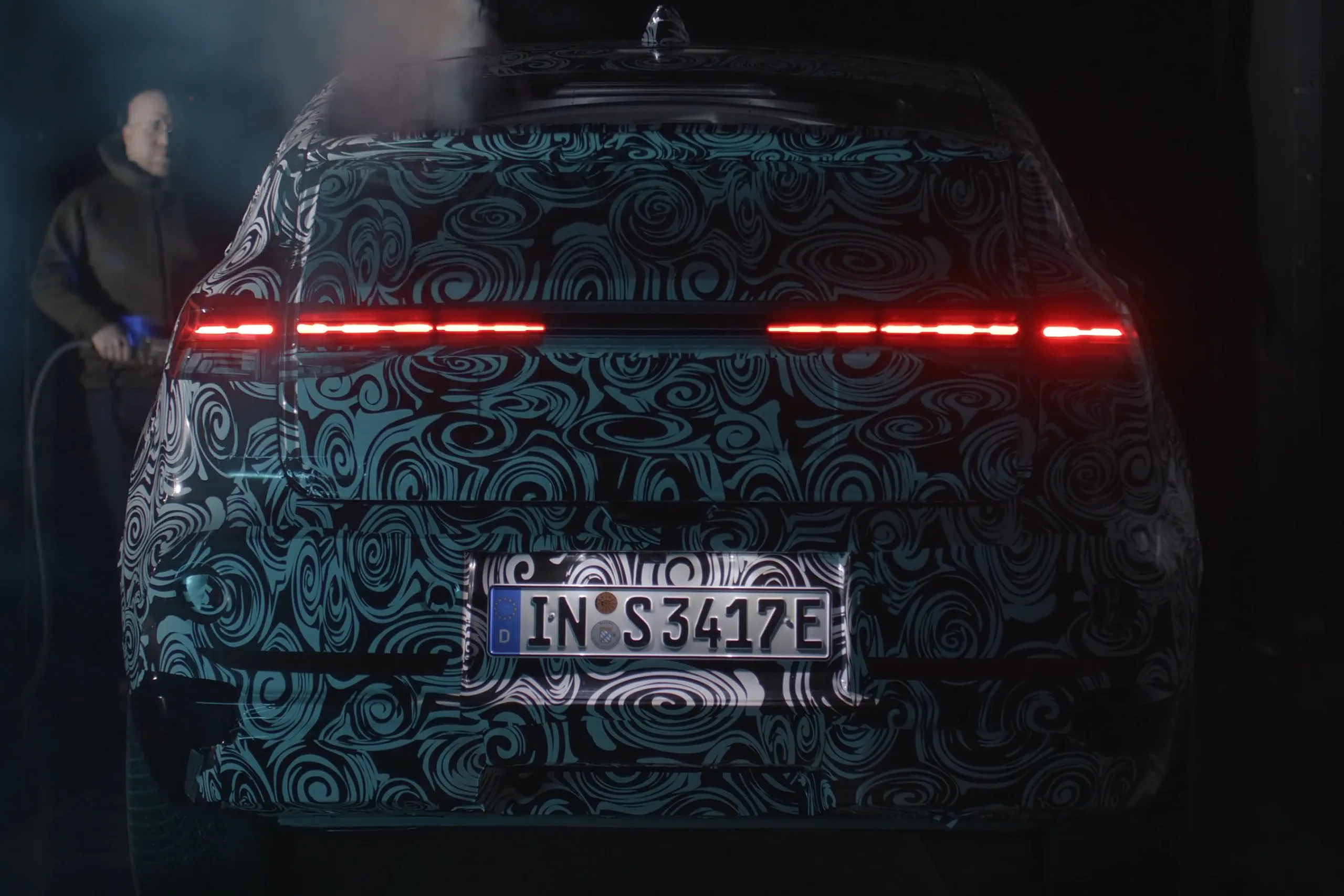
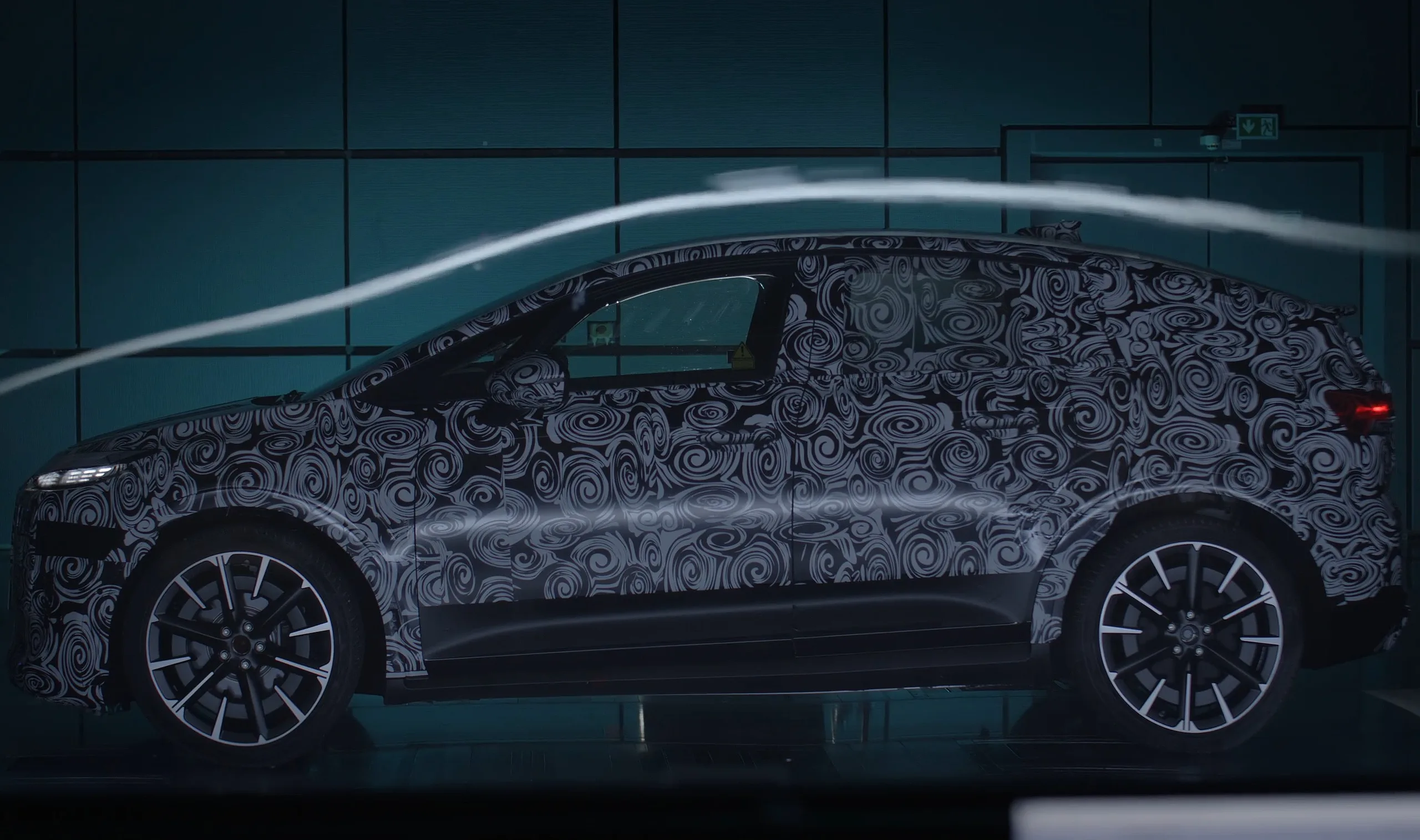
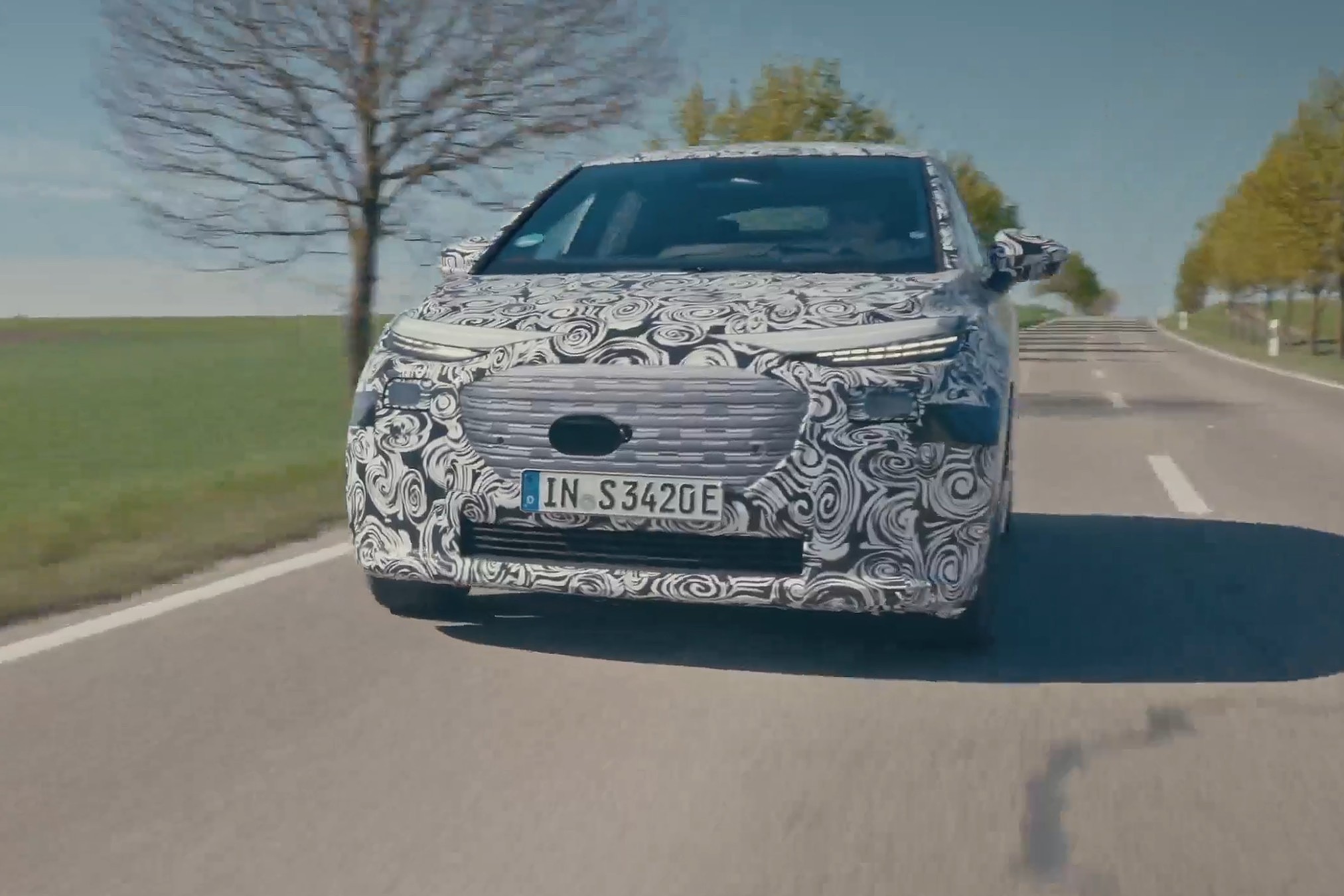
Meanwhile, detailed aerodynamic work is in full swing back home. In the Ingolstadt wind tunnel, technicians optimize the curved roofline at simulated wind speeds of up to 300 km/h (approx. 186 mph). An integrated rolling road allows measurements at a swift 235 km/h (approx. 146 mph) to nip disruptive wind noise in the bud. For the final everyday validation check, Audi sends the camouflaged EVs over the hilly, narrow roads of Bavaria’s Altmühltal valley.
Production of the new compact car will take place entirely at the company’s German home site. This strategic decision underscores the carmaker's clear commitment to actively driving the transformation of its domestic factories in Germany and Europe. An additional fully electric model family secures vital jobs in Ingolstadt long-term and guarantees high-quality electromobility made in Germany for the global market.
Get the bokman portable level 2 & level 1 EV charger at Amazon.
Source(s)
 Add as a preferred source on Google


