




Audi unleashes the RS 5 PHEV: 639 hp, torque vectoring and a $115,000 price tag
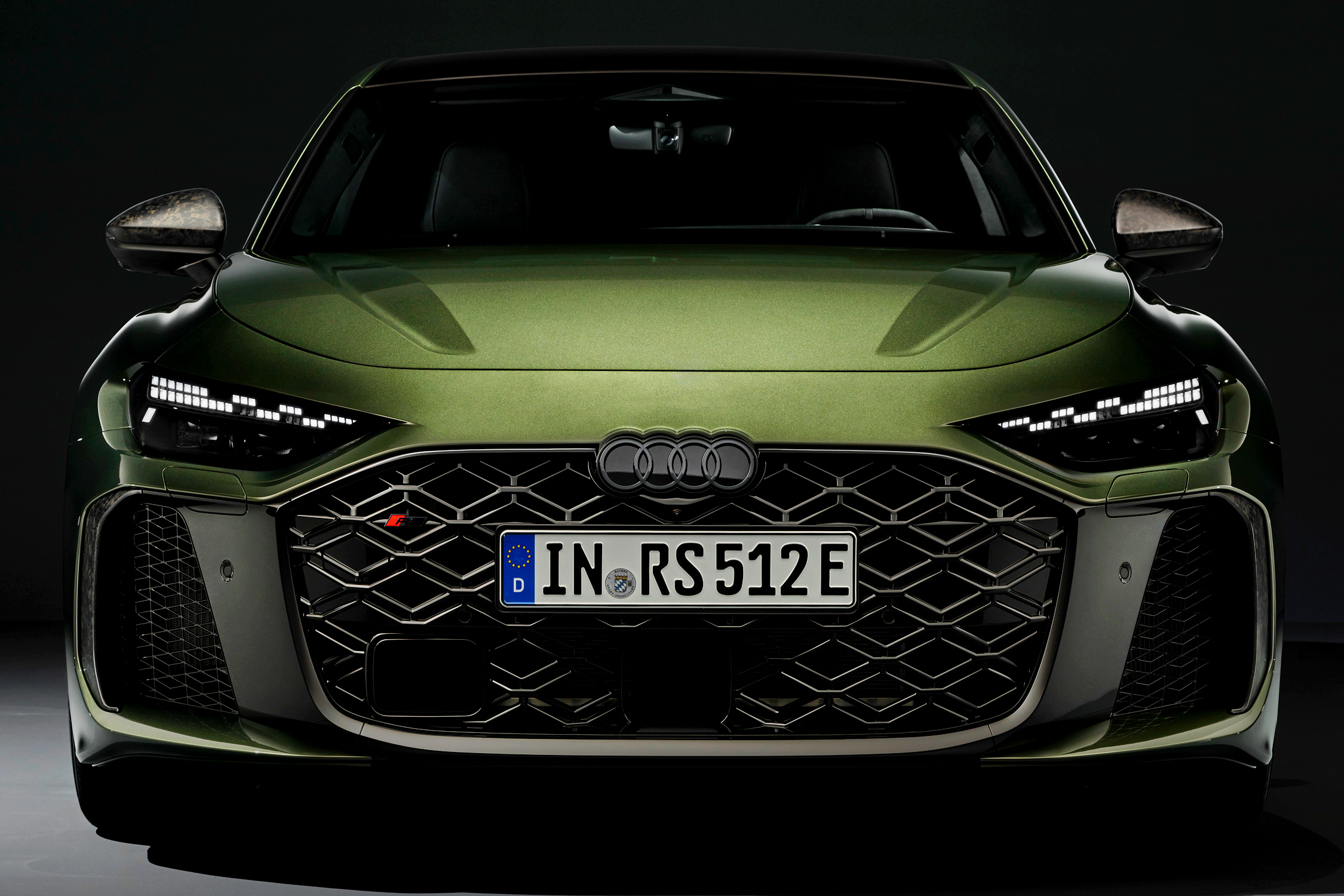
With the new Audi RS 5, a new era is clearly dawning in Ingolstadt. The manufacturer is positioning this model as its first true performance hybrid. We have taken a close look at the high-priced hybrid sports car and examined its entirely new electromechanical torque vectoring system. The sedan and Avant are set to officially launch in summer 2026. When it comes to the powertrain, the Bavarians are leaving nothing to chance.
Ingolstadt equips the Audi RS 5 with a thoroughly revised 2.9-liter V6 TFSI biturbo engine. This combustion engine alone already delivers 510 hp to the crankshaft. In addition, a 130 kW electric motor is integrated directly into the eight-speed tiptronic transmission of the Audi RS 5 PHEV. When both power units work together, the system unleashes a combined 639 hp and 825 Nm of torque onto the asphalt. The Audi RS 5 accelerates from 0 to 100 km/h in exactly 3.6 seconds. Those who opt for the optional Audi Sport package can push the vehicle to speeds of up to 285 km/h.
A high-voltage battery with a gross capacity of 25.9 kWh supplies the necessary energy. This enables the Audi RS 5 to achieve an all-electric range of over 80 km. However, Audi Sport’s true engineering highlight is found at the rear axle, where the innovative quattro all-wheel-drive system with Dynamic Torque Control is housed. Meanwhile, the driver-focused cockpit of the Audi RS 5 is dominated by the large MMI panoramic display. That said, this level of performance does not come at a low cost. Pricing for the Audi RS 5 sedan starts at a substantial €106,200 (roughly $115,000), while the slightly more spacious Audi RS 5 Avant starts at €107,850 (approximately $125,100).


Underneath the Audi RS 5’s bodywork lies sophisticated engineering tailored for discerning technology enthusiasts. With quattro and Dynamic Torque Control, the engineers have brought a true world-first into series production. A separate, water-cooled 400-volt electric motor is integrated directly at the rear axle of the Audi RS 5. Acting as a high-voltage actuator, it works together with a mechanical superimposed transmission to produce an extreme torque vectoring effect of up to 2,000 Nm. Power is distributed between the left and right rear axles by the electronics in as little as 15 milliseconds.
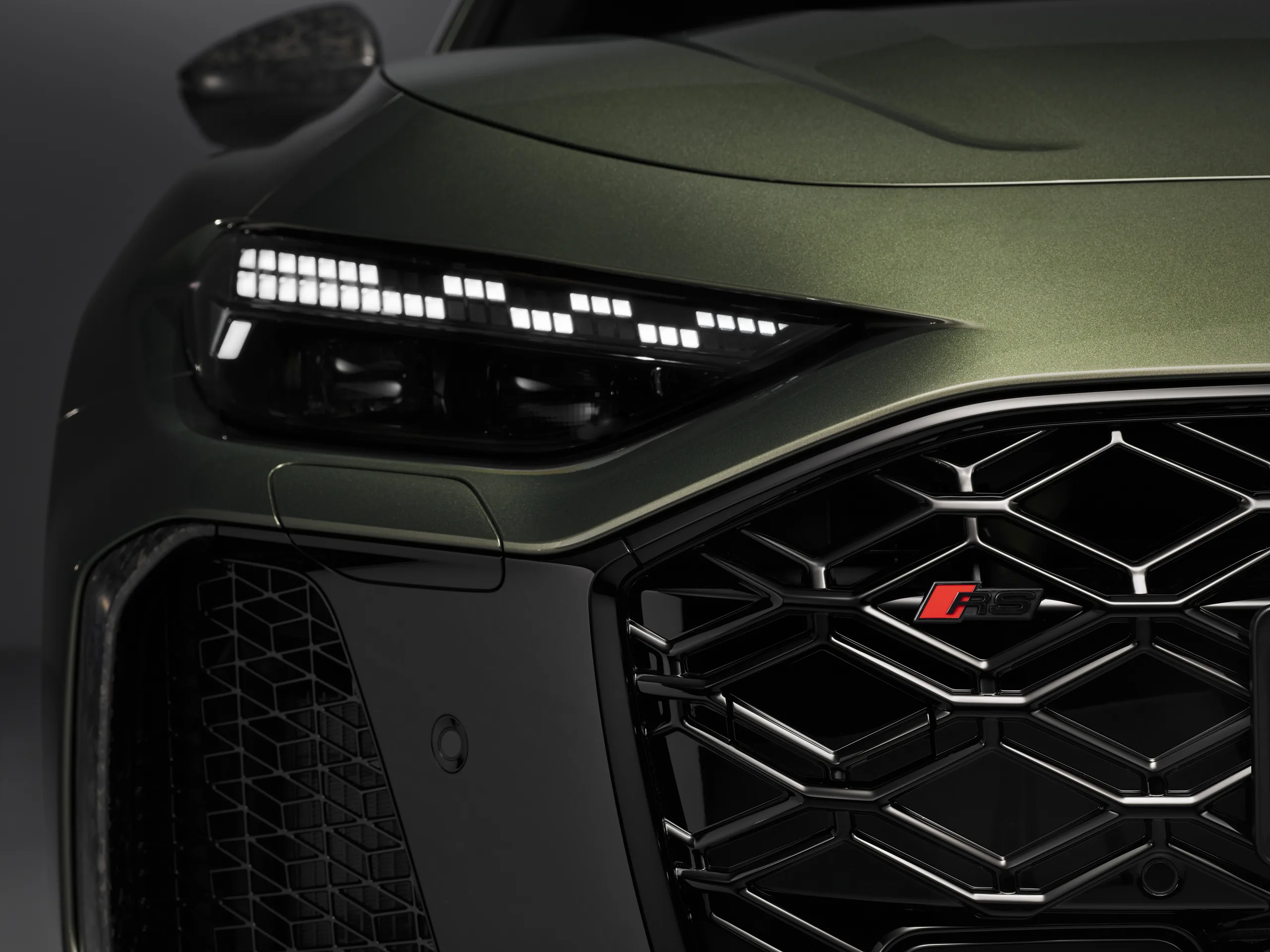
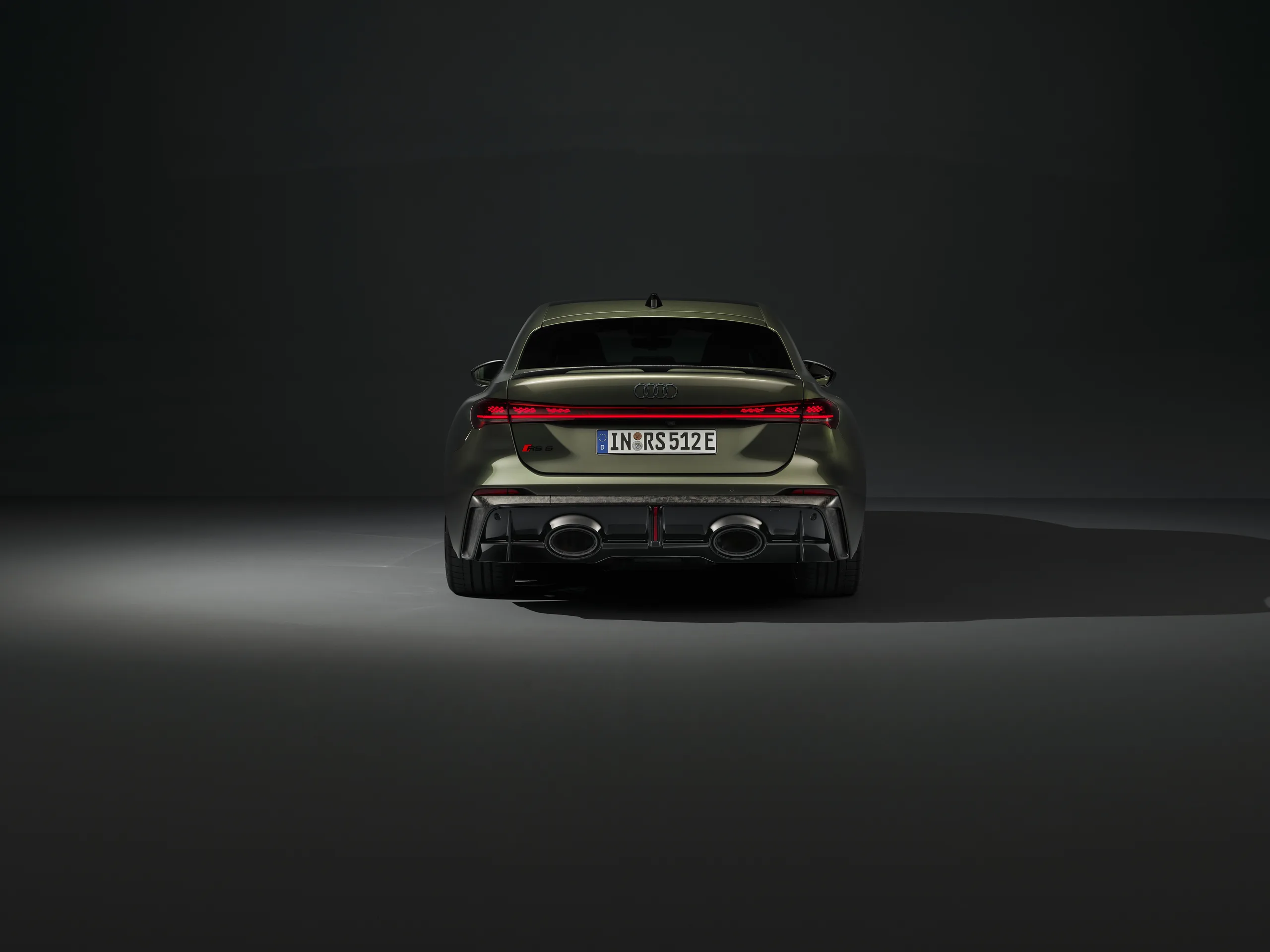

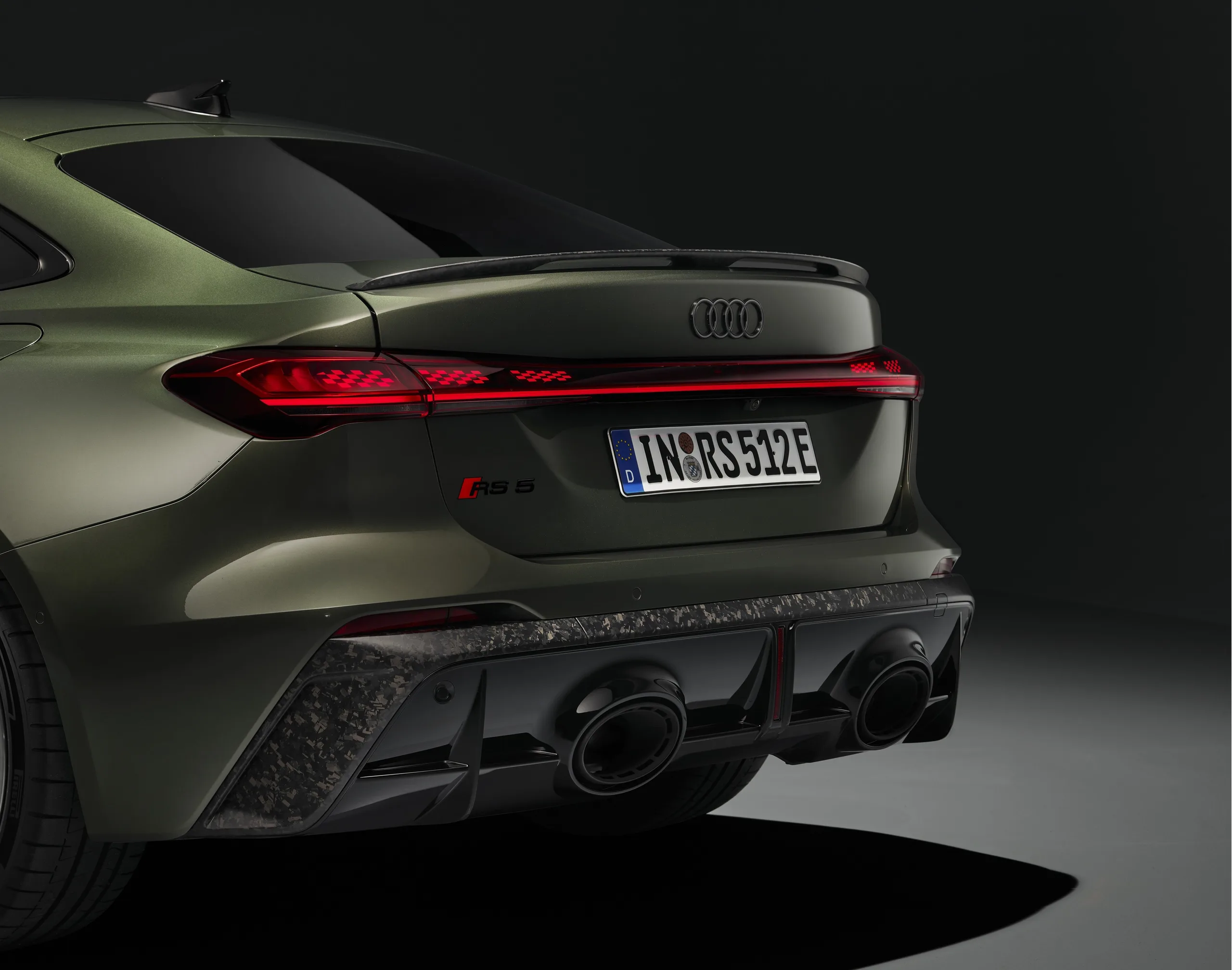
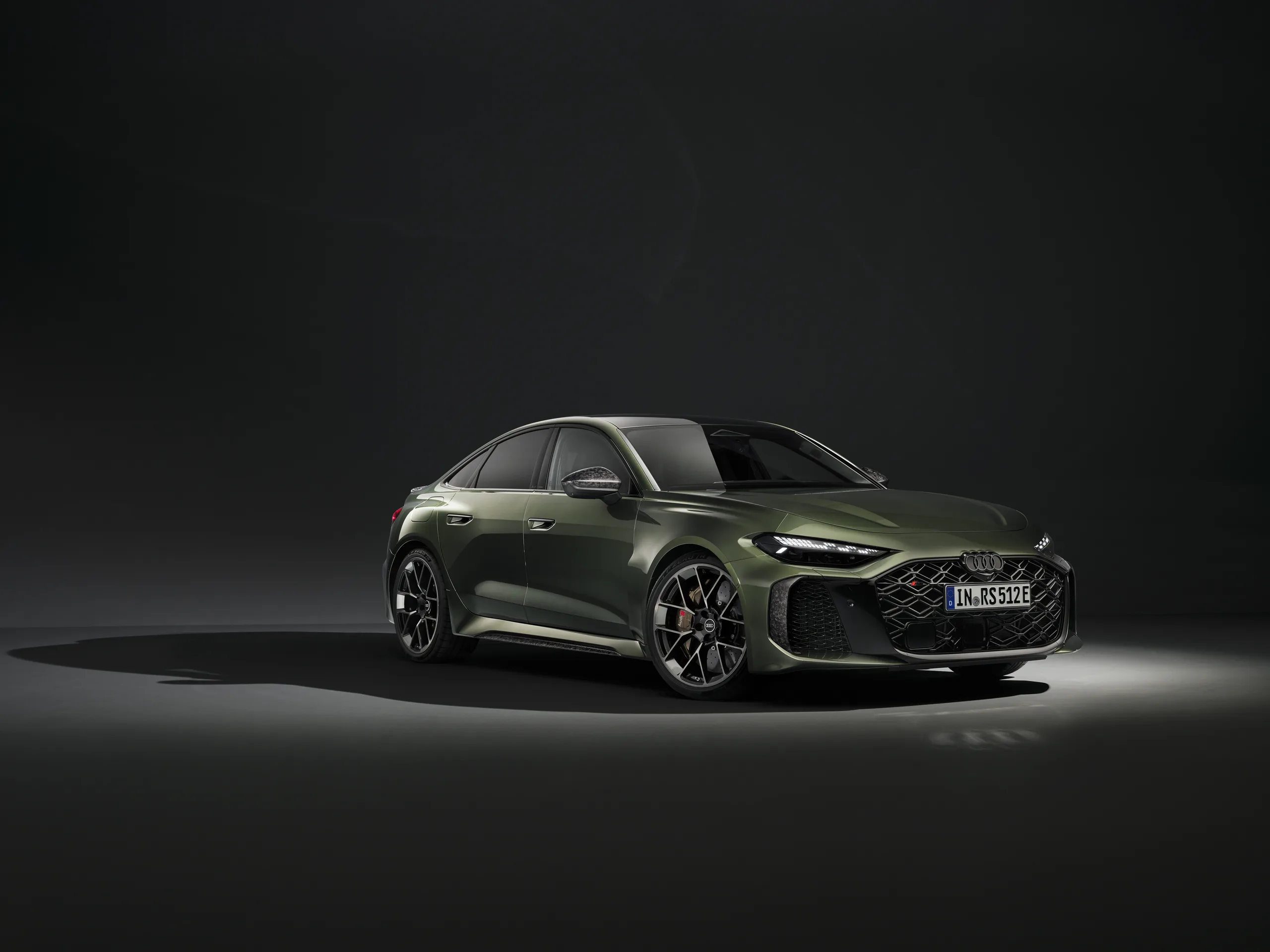
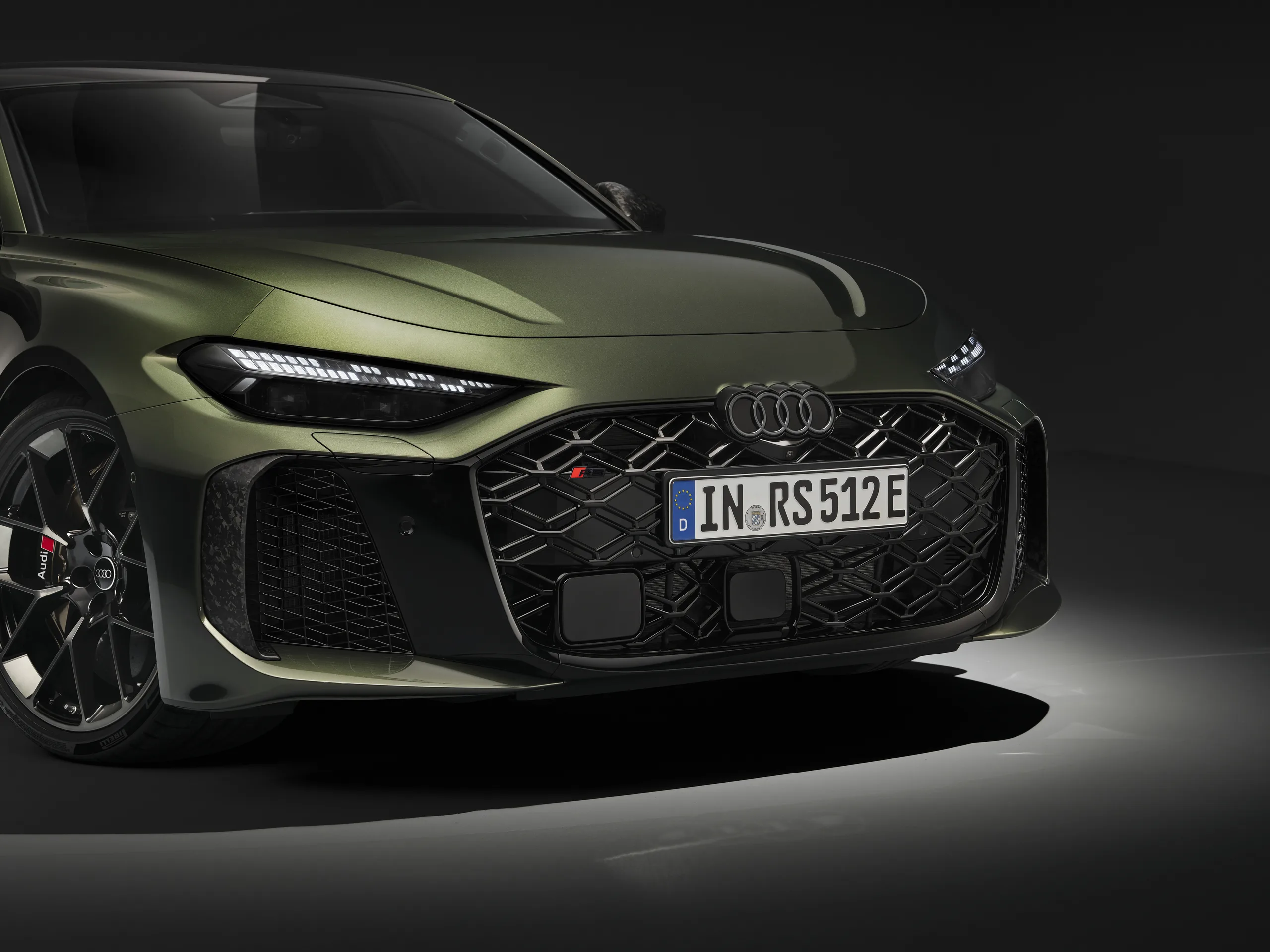
A significant advantage over conventional torque splitters is immediately apparent: the electromechanical torque vectoring in the Audi RS 5 PHEV operates completely independently of the actual drive torque, even during braking or deceleration. The handling package is further enhanced by a new center differential and dual-valve dampers. These dampers control compression and rebound separately in the Audi RS 5, resulting in noticeably smoother and more refined handling. A chassis that is ten percent stiffer, combined with the sharp 13:1 steering ratio, guides the vehicle through every corner with exceptional precision.
Purchase the Lectron NACS to CCS adapter for electric vehicles on Amazon.
Source(s)
 Add as a preferred source on Google


