




Warning for Android users: Dangerous malware can access private information, banking details, and nearly everything else

Courtesy of security researchers, unsuspecting customers can often get to know about security exploits lurking inside their smart devices. One such team from Kaspersky Labs has discovered a new malware which, shockingly enough, sometimes comes pre-installed in modern Android devices.
Dubbed Keenadu, this sophisticated piece of malware can infect OTA upgrade packages, thereby sneaking into the firmware of affected devices. Other ways the malware can sneak into devices happen to be through sketchy unofficial app installers, and sometimes even through the official Google Play Store.
Keenadu can gain access to almost anything on infected Android smartphones and tablets
The malware is no joke, and can apparently grant complete device access to actors with ill intent. This includes, as stated by Kaspersky, access to system data including personal files and sensitive information, ability to install apps without consent, and the like. Interestingly, it also appears that the malware has only be utilized to commit ad fraud so far.
Some of the infected apps that have been discovered by Kaspersky are listed in the following image:
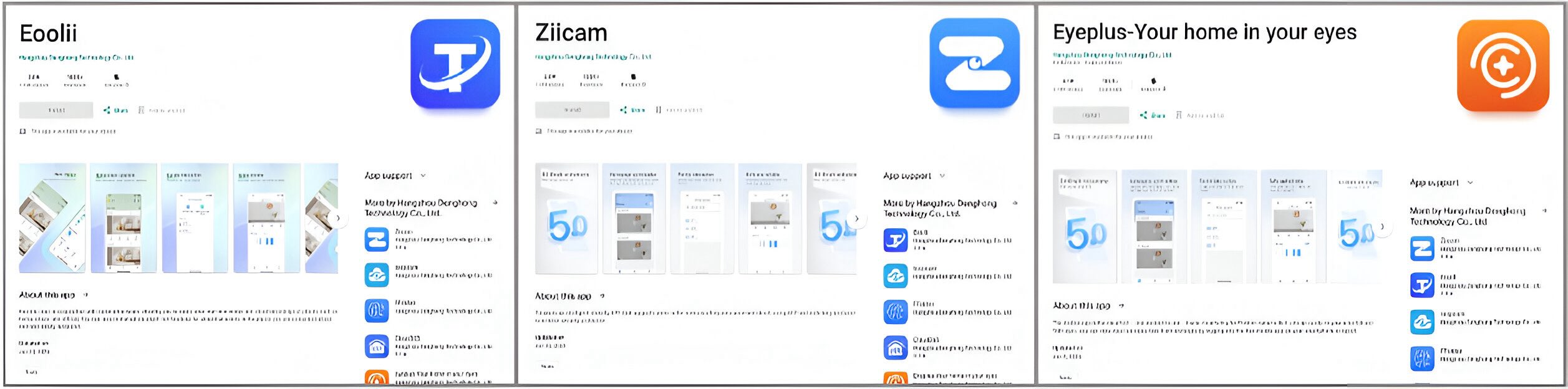
As for the malware's origin, there does not appear to be any concrete information. However, researchers have found that it does not activate if it detects Chinese timezones or location, and also if Play Store is not found on the device. While we're not making any claims, we would still like to point out that Google Play Store is non-functional in China.
The malware was found in many devices, one of which was the Alldocube iPlay 50 Mini Pro. Allodcube is also of Chinese origin, and has previously admitted to having suffered from compromised OTA update channels, as pointed out by BleepingComputer.
As of this writing, Kaspersky has stated that the "Keenadu" malware has claimed more than 13,000 victims, with devices mostly from Japan, Russia, Netherlands, Germany, and Brazil.
Sadly enough, if a user does suffer from such an attack, the best course of action appears to be to replace it with a new one from a maker of better repute. This is because the malware embeds itself so "deeply" into a device's firmware, that it becomes practically impossible to remove. Sourcing a firmware from a different provider may work, but that comes with its own risks, such as incompatibility.
Source(s)
BleepingComputer, Teaser image by Tima Miroshnichenko
 Add as a preferred source on Google


