




AMD RDNA 5 GPUs reportedly taped out on TSMC N3P, mid-2027 launch hinted
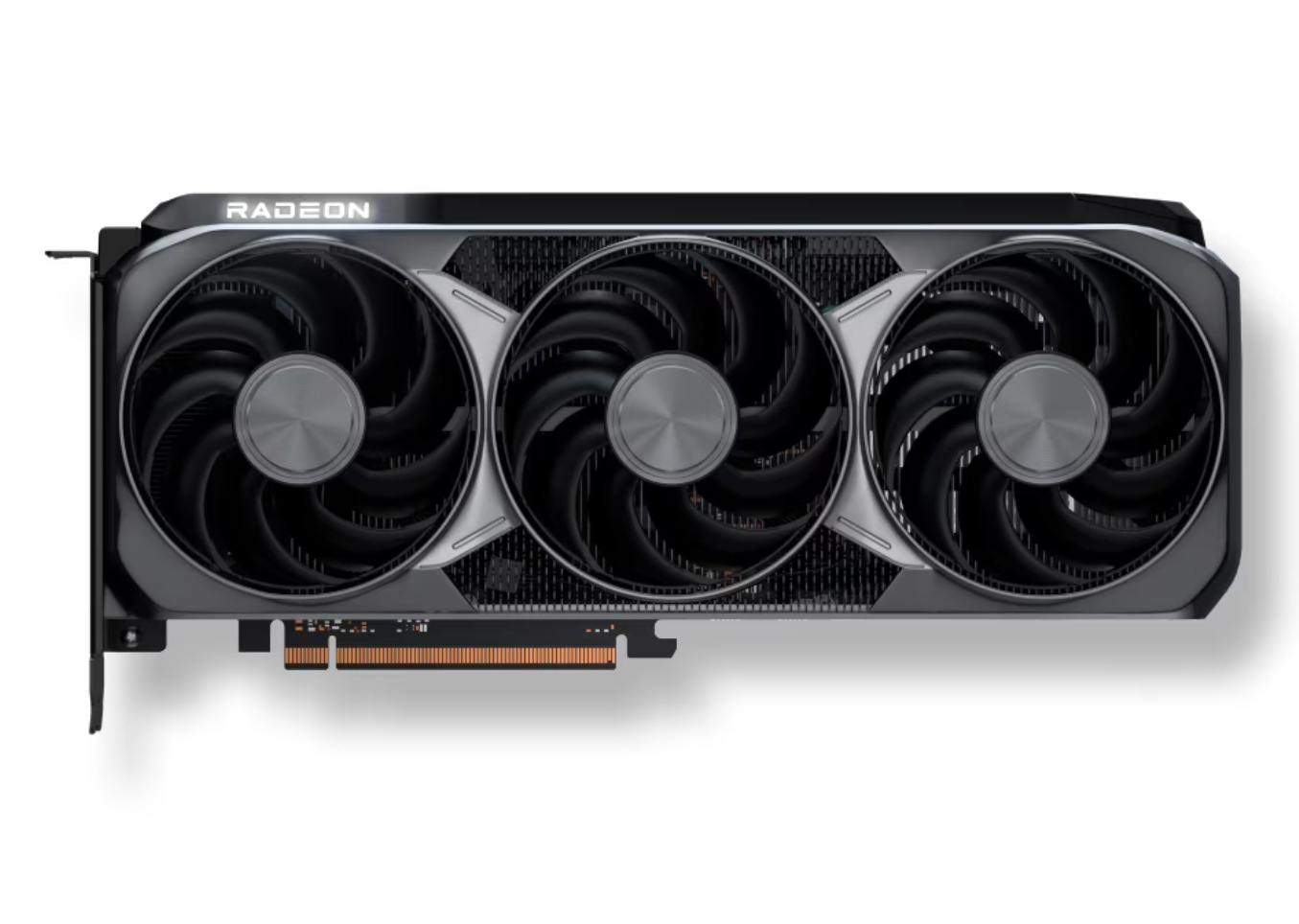
Rumors around AMD’s next-generation Radeon graphics architecture briefly flared up this week after claims that the company might manufacture its upcoming Radeon chips at Samsung Foundry, using either a 2 nm or 4 nm process. However, well-known hardware leaker Kepler_L2 quickly shut down that speculation, calling the idea nonsense and saying the chips are already taped out by a different manufacturer.
According to Kepler_L2 — a leaker with a strong track record in AMD-related disclosures and early discussions around the PlayStation 5 Pro — the next-generation Radeon chips are already taped out on TSMC’s N3P node. If accurate, this would firmly rule out Samsung Foundry for the upcoming generation and strongly suggest that AMD is sticking with its long-standing manufacturing partner, at least for these high-end GPUs.
Kepler_L2 also pointed to a mid-2027 release window for what many people currently refer to as RDNA 5. That schedule makes sense in the context of a completed tape-out, as leading-edge GPUs typically require a long validation period and production ramp before reaching consumer products. For now, however, AMD itself remains silent on any such branding or launch plans.
So far, AMD hasn’t announced any new desktop Radeon products, nor has it confirmed the “RDNA 5” name. Publicly, the company speaks in broad terms about “next-generation gaming GPUs” with a stronger focus on AI features and ray tracing, but without specific dates or branding. Interestingly, AMD is far more open on the CPU side, where it regularly outlines future EPYC generations and has even confirmed early 2 nm wafer work. Radeon, by contrast, remains deliberately vague.
One of the few concrete signals about next-generation graphics comes from AMD’s collaboration with Sony, known publicly as “Project Amethyst.” Both companies have described joint work on new Radiance Cores for ray tracing and path tracing, Neural Arrays for AI-driven graphics workloads, and improved compression techniques designed to ease memory bandwidth pressure. The expectation is that these technologies could appear in both future desktop Radeon GPUs and next-generation console SoCs, reinforcing the idea of a shared graphics roadmap.
Beyond that, most details remain driven by leaks and educated guesswork. References to an internal “GFX13” graphics family continue to circulate, alongside claims of multiple desktop dies — often labeled AT0, AT2, AT3, and AT4 — with varying compute unit counts and memory configurations. HDMI 2.2 support is another recurring rumor, but so far there is no official specification to confirm it.
If a mid-2027 launch is the real goal, 2026 could remain relatively quiet — especially since Radeon marketing has already felt muted for much of the year. AMD even cut its RDNA 4 announcement from its CES 2026 presentation, and expectations for CES 2026 are low. That silence may be strategic: if mid-2027 is indeed the target, starting the hype cycle too early would make little sense. There are also practical considerations, as memory shortages and rising costs could make a 2026 desktop GPU launch difficult to price and position competitively.
Source(s)
 Add as a preferred source on Google


