




1X NEO: Household robot set to launch by the end of 2026 – but with a controversial catch
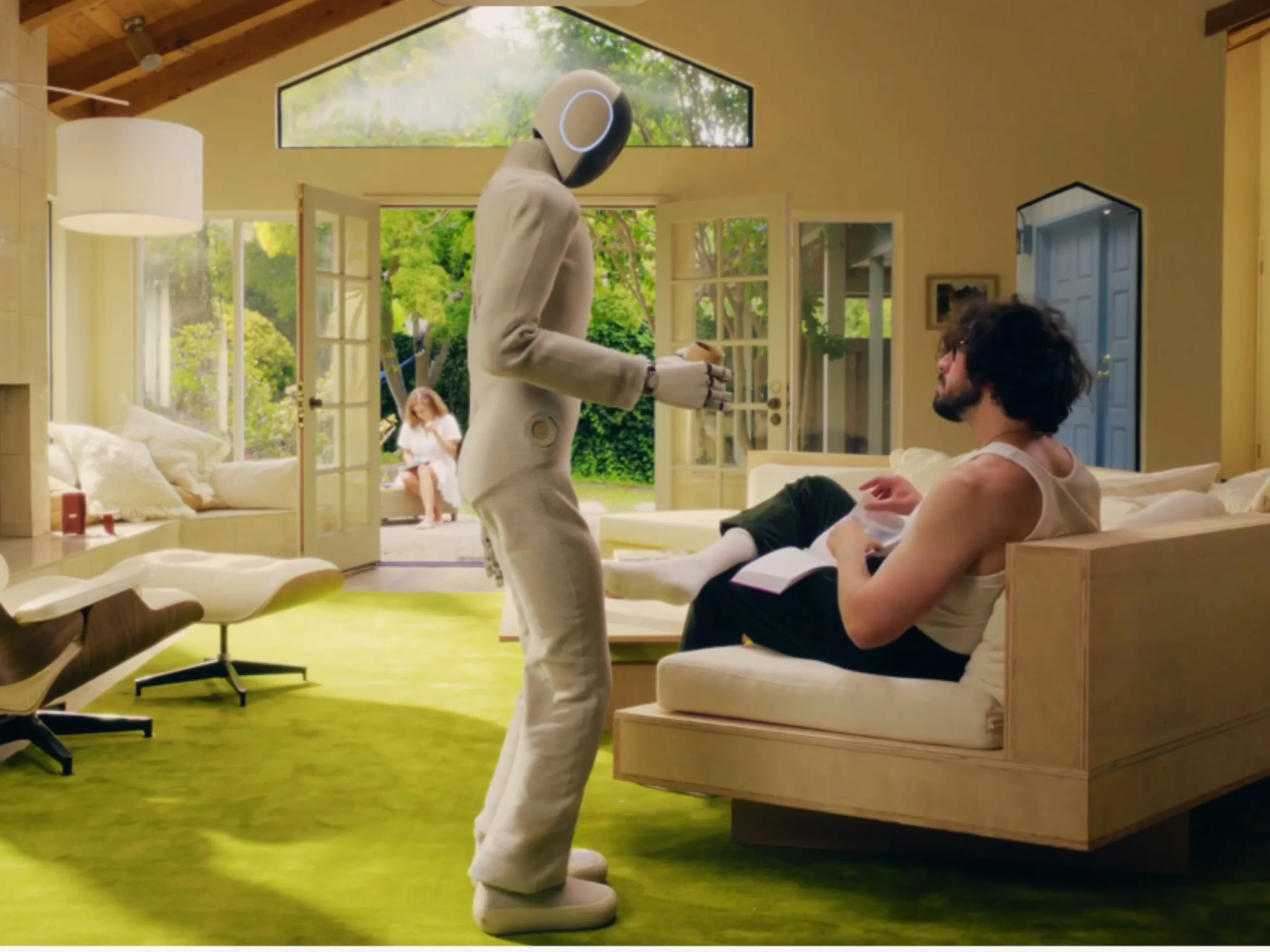
Robotics company 1X Technologies plans to deliver NEO, its humanoid household robot designed as a home assistant, to its first private customers in the US by the end of 2026. The robot is 5 ft 5 in tall, weighs just under 66 lbs and is said to be able to lift up to 154 lbs and carry around 55 lbs. The household robot is expected to cost at least $20,000, though it can also be rented for around $500 per month. For average households, however, even that is likely to be far too expensive. A possible alternative could come from SwitchBot, which announced a household robot at CES 2026 that is said to be the most affordable of its kind.
On the manufacturer’s website, the 1X NEO can be seen vacuuming, folding laundry and unloading the dishwasher. These are likely exactly the kinds of tasks consumers would want to hand over to a robotic assistant. In practice, however, some of them may still end up being handled by humans. The company says NEO can receive remote support from a 1X expert at scheduled times for tasks it cannot yet handle autonomously. So far, 1X has not specified which functions will work fully autonomously at launch and which may still require human assistance.
For many Reddit users, this makes the 1X NEO less of a finished household robot and more of an experimental learning platform: the robot body is there, but the real challenge is completing everyday tasks without human help. The idea that a stranger could see into their home via cameras also makes many people uneasy.
However, 1X is working to ensure that the robot can eventually operate without human assistance. The first NEO robots are said to already be working in the company’s own factory in Hayward, California, where they help with simple logistics tasks, for example. This allows 1X to collect real-world training data for further development of the system. By the end of 2027, 1X aims to produce more than 100,000 robots per year through further automation and an additional plant in San Carlos.
Source(s)
 Add as a preferred source on Google


