


Mimic hands-on: Solo-built horror that looks great and runs smooth
Mimic, a social deduction horror game from solo developer Ryan Laley, entered Early Access on Steam and the Epic Games Store on October 27, 2026. Players board the Icarus, a failing spacecraft, and must repair an escape shuttle while one crew member is secretly a mimic, an alien that can disguise itself as a human survivor. Nobody carries a weapon, so survival depends on teamwork and knowing who to trust.
How it plays
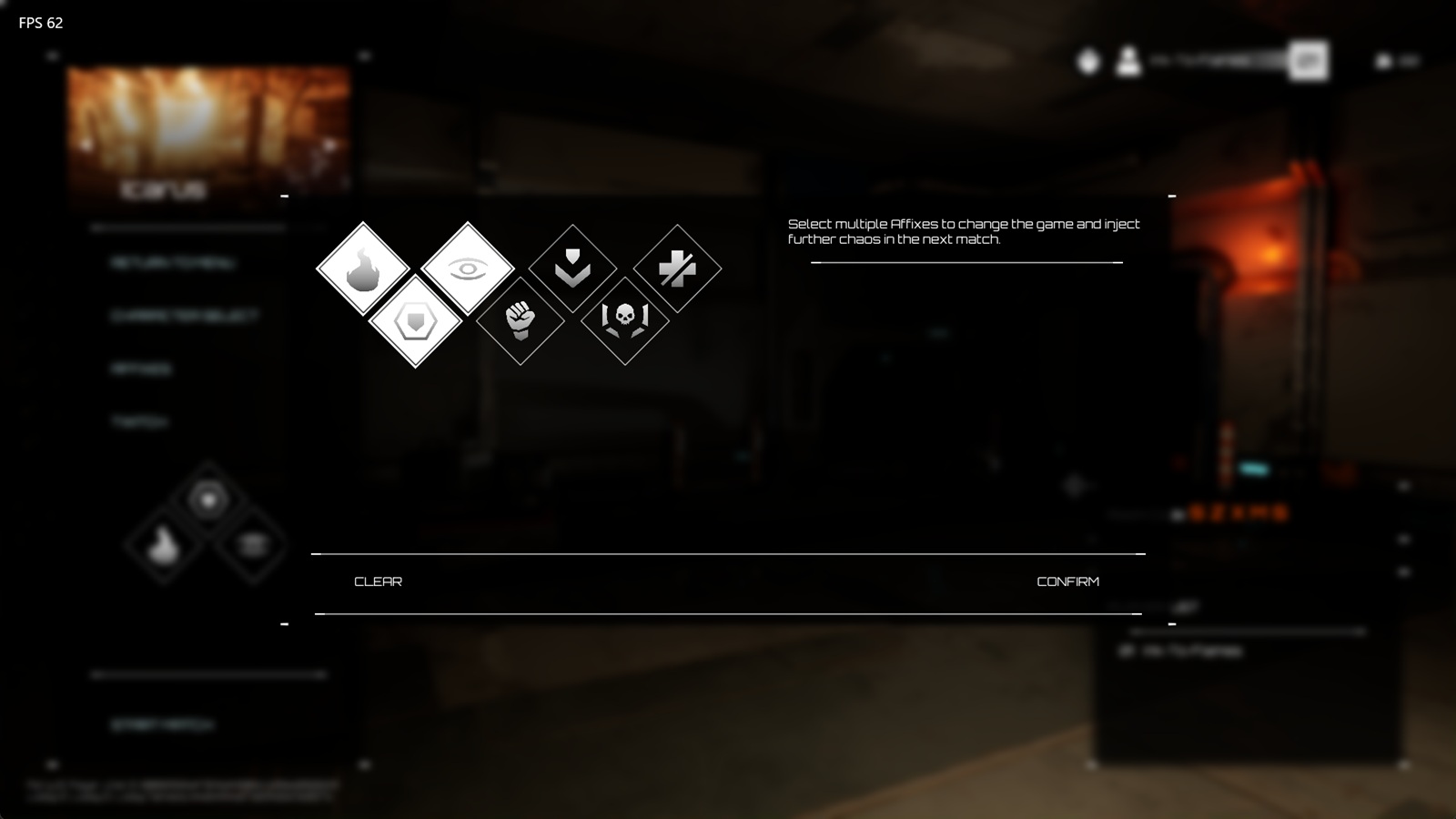
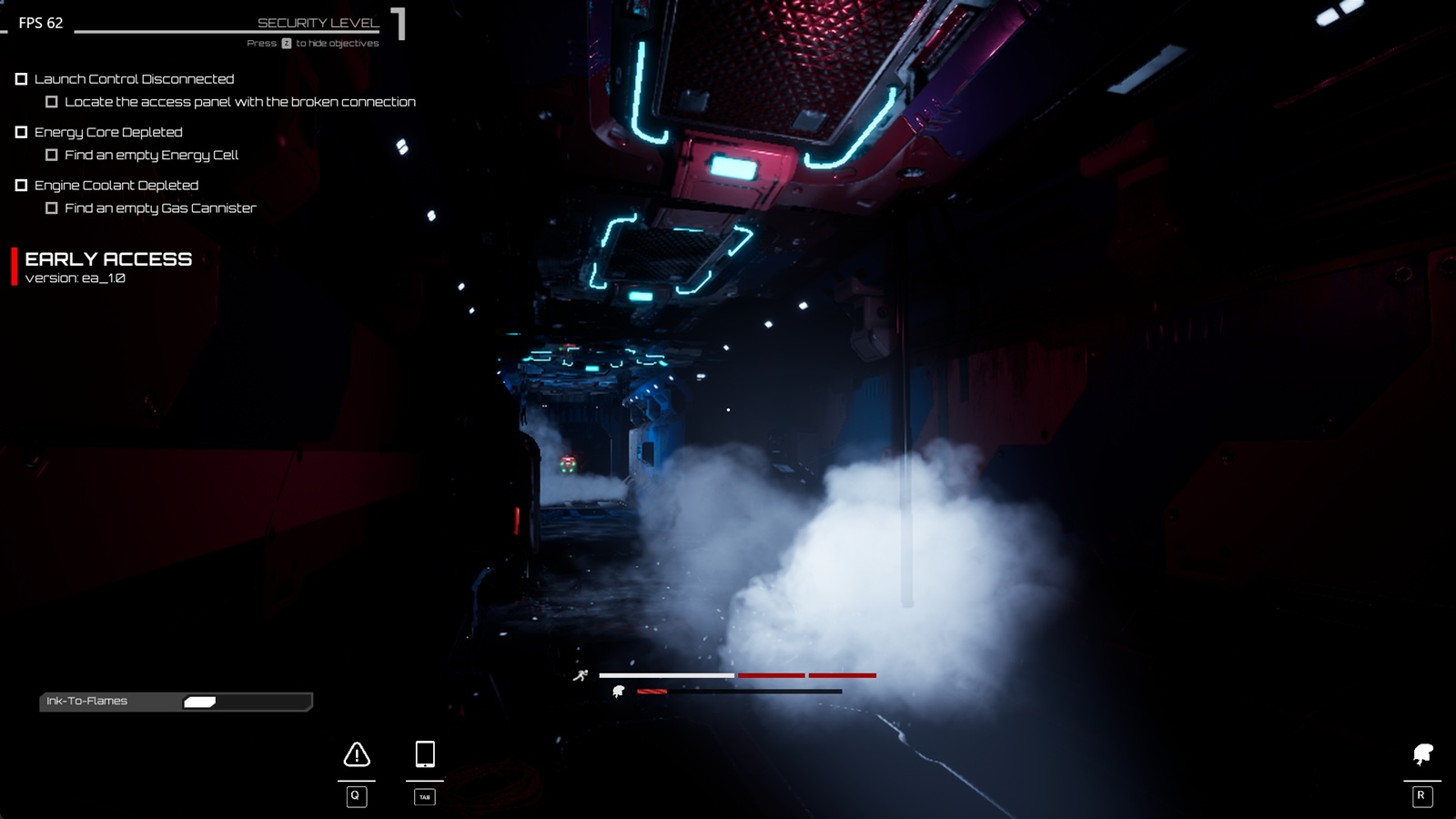
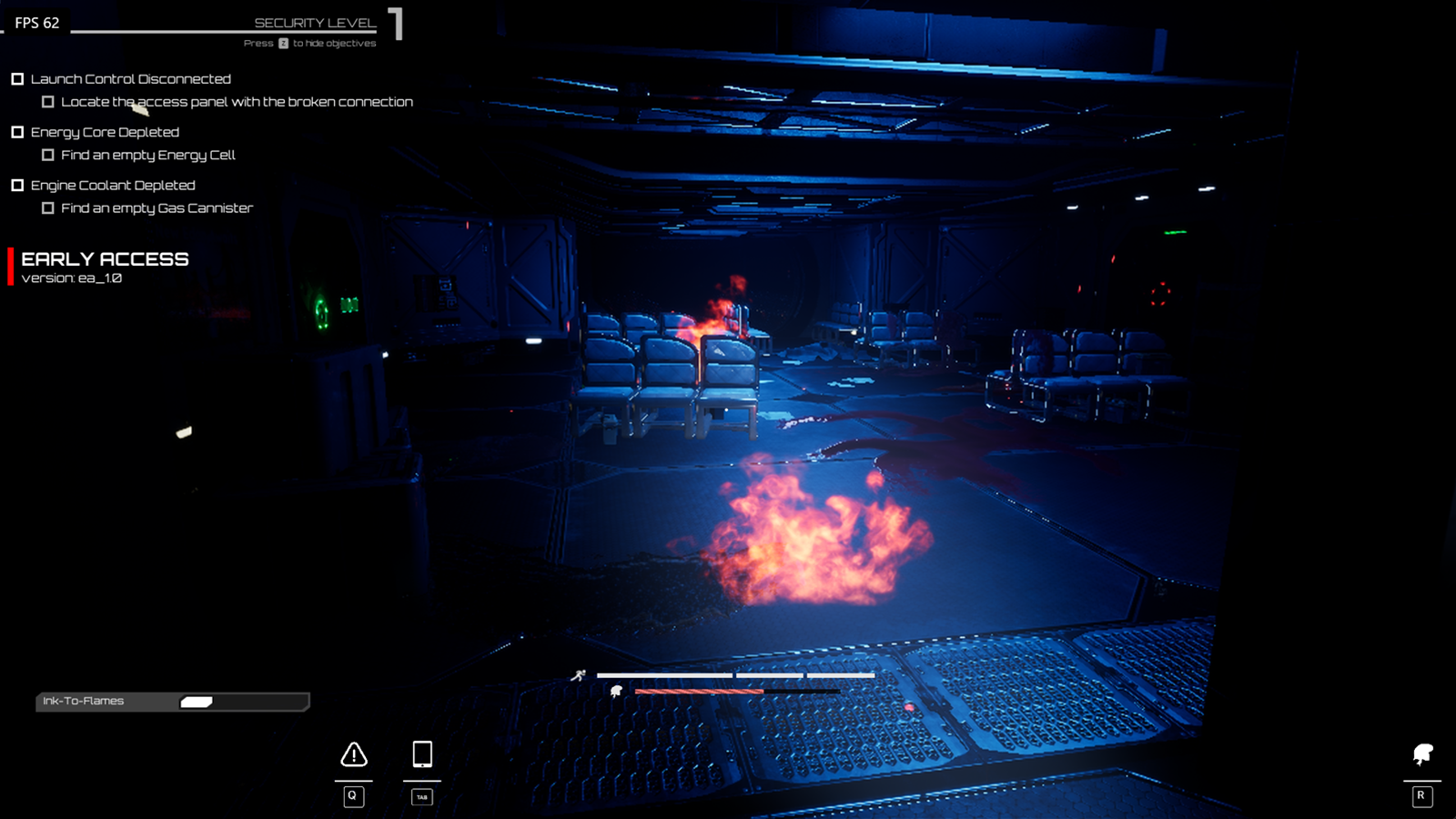
Survivors work through objective chains. In testing, launch control was disconnected, the energy core was depleted, and the engine coolant had run dry, so players had to find the broken access panel, an empty energy cell, and an empty gas canister. The Mimic’s goals differ: hunt players and build energy. As an android, the Mimic becomes more aware of its location, so it must return to human form to hide, and it can spawn an egg to respawn after death. Private lobbies add affixes, selectable modifiers that change the next match.
Voting, Omens, and Twitch
According to the developer, any player can vote to send the android after a suspect, and proximity chat is meant for both coordination and lying. Players who die continue as Omens, invisible ghost-like characters that can sabotage the environment for those still alive. Twitch viewers can also steer the android’s hunt.
Story and setting
According to the Steam page, Icarus is on a collision course with a nearby sun, and oxygen is running low. Players can find mementos, audio logs, testimonies, and reports that reveal what happened to the crew and where the mimic came from. A corporate agent is also hidden among the survivors, pursuing secret objectives.
Visuals
Visuals are a strength for a solo project. Survivors move through dark corridors lit mostly by cyan neon strips and red panel lights, with a soft blue beam cutting through the gloom. Volumetric steam rolls down the halls and catches that light, while dust and debris drift through the air. In one seating area, orange flames glow against the cold blue palette, and blood smears on the floors and walls hint at what happened to the crew. Metal grating, wall panels and pipework give the Icarus a dense industrial look.
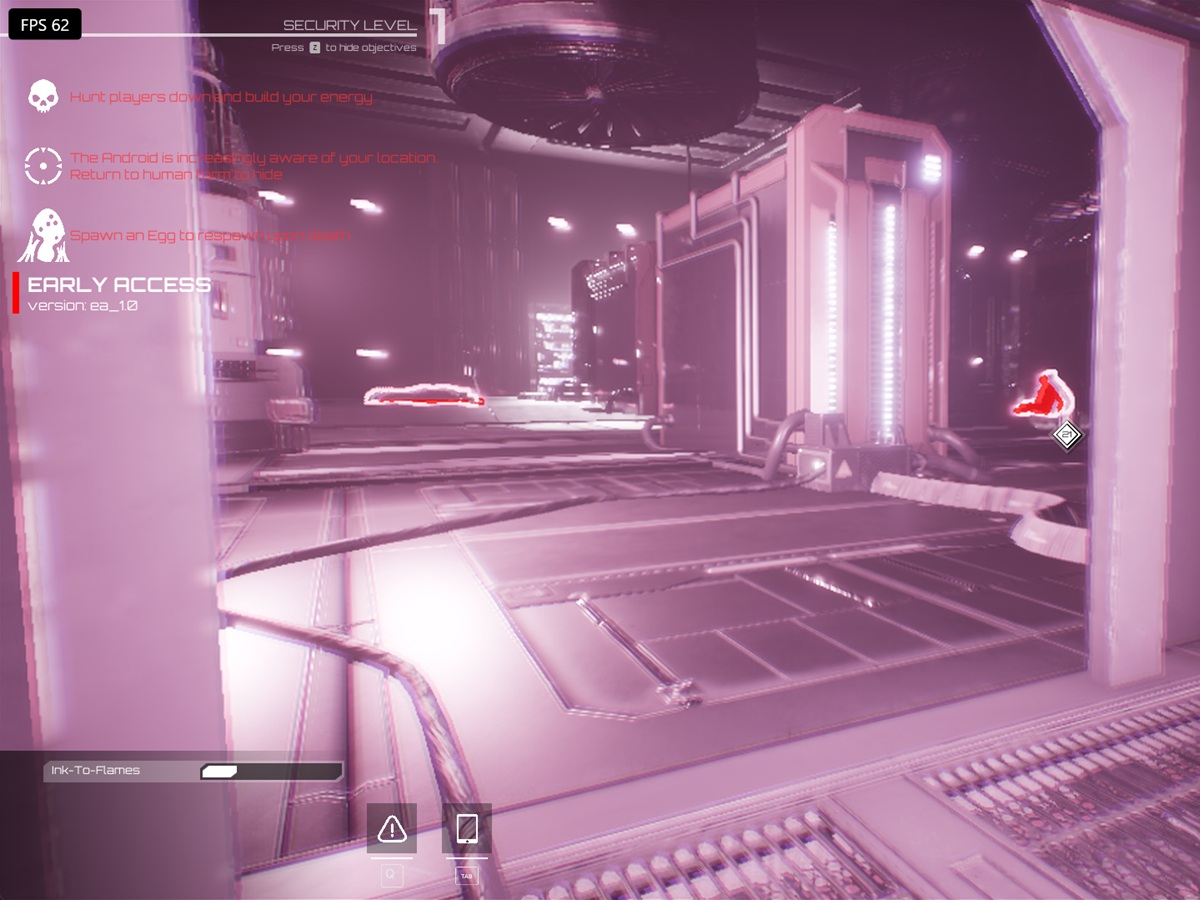
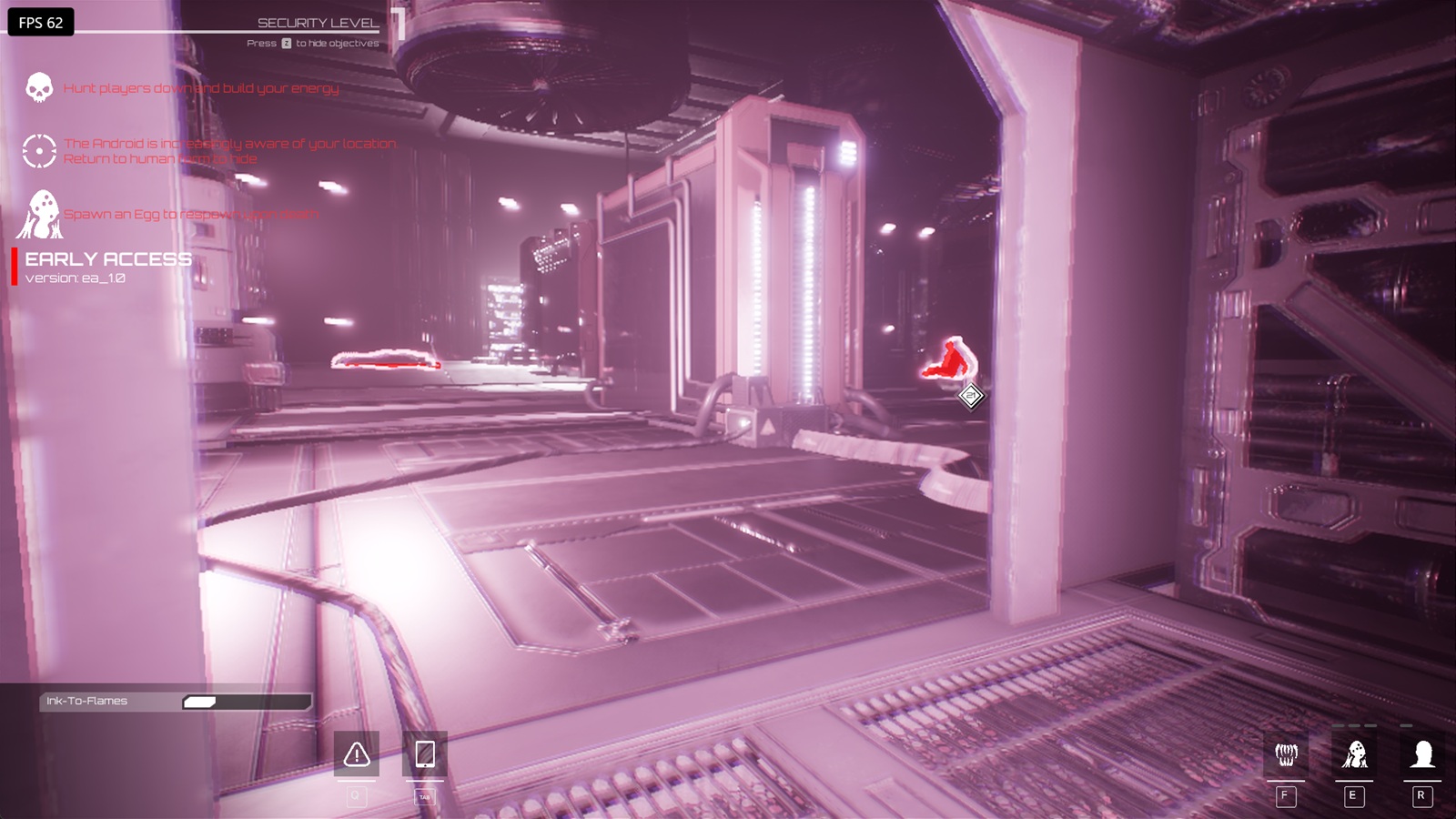
The Mimic’s view looks completely different. The screen takes on a bright pink tint with heavy bloom on the ceiling lights and slight ghosting at the edges. Red silhouettes highlight potential targets, each with a distance marker.
Performance and settings
Testing used build 1.0 on a Lenovo LOQ 15IRX10 with a Core i7-14700HX and an RTX 5060 laptop GPU with 8 GB of GDDR7 and 16 GB of RAM. At 1080p with the high image quality preset, DLSS on Quality, anti-aliasing off, and motion blur off (personal choice), the frame counter stayed around 60 FPS in every scene captured, including the fire and steam effects. The graphics menu is short, with options for resolution, DLSS, window mode, image quality, gamma, motion blur, and anti-aliasing method.
The developer
Ryan Laley Games was founded in 2023 and self-publishes Mimic. Laley, who is known for Unreal Engine tutorials on YouTube, has cited The Thing and the Alien films as inspiration. A Steam Next Fest demo with one map and matchmaking ended October 26.
What comes next
The Icarus is the map at launch. Laley has said a second, an Arctic-themed map inspired by The Thing, is planned shortly after, and the Steam hub lists three new maps, a single-player mode, new affixes, and more lore with no firm dates. PlayStation 5 and Xbox Series X|S versions are planned for 2027.
Source(s)
 Add as a preferred source on Google


