 Deutsch
 Español
 Français
 Italiano
 Nederlands
 Polski
 Português
 Русский
 Türkçe
 Svenska
 Chinese
 Magyar
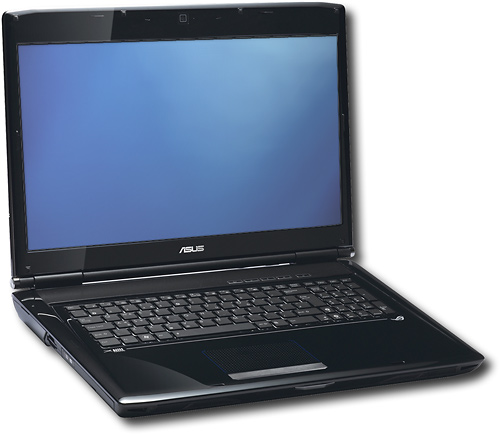
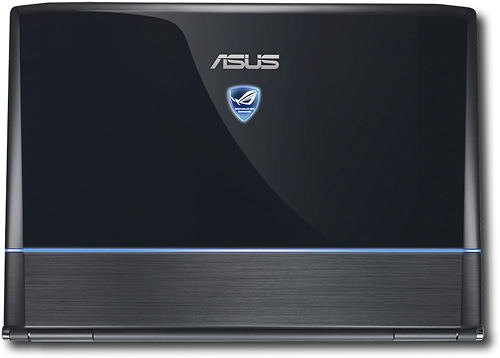
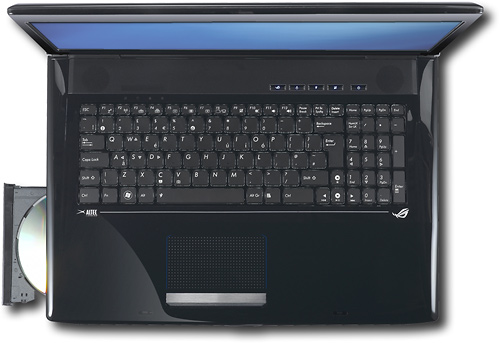
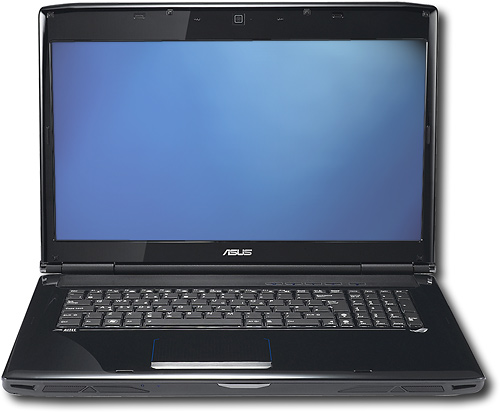
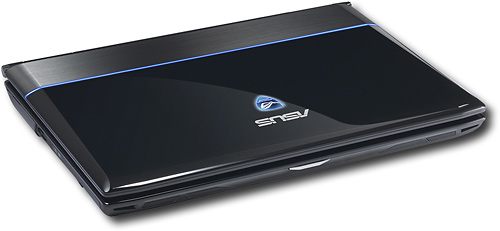
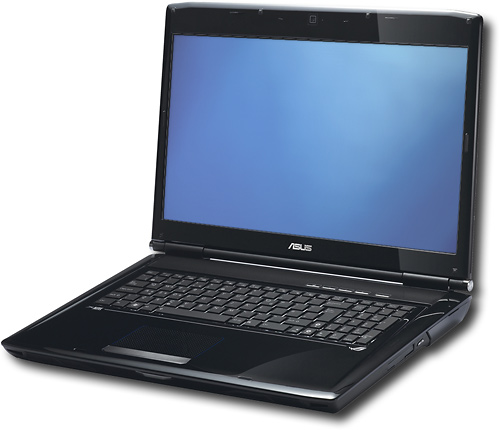
Asus G72GX-TY013V
Specifications
Pricecompare
Average of 1 scores (from 2 reviews)
Reviews for the Asus G72GX-TY013V
Source: notebookforums.com
 Archive.org version
Overall I am very pleased with the performance. I happened to replace my previous HP HDX Dragon 20.1" which had a X9000, 8GB Ram and an 8800GTS with this unit due to recent surgery I had so I had to drop the weight of my baby HDX20 (15.5lbs Plus accessories) and shed 7lbs going to this unit. The overall performance with Windows7, and the newer GPU and with a similar CPU minus 3MB cache is better than I was expecting including an increase in 3DMark06 performance my nearly 3.6k in the score which is very nice.
Single Review, online available, Long, Date: 11/15/2009
Rating: performance: 90% display: 70% mobility: 60% workmanship: 100%
Foreign Reviews
Source: Notebookjournal
 DE→EN Archive.org version
Single Review, online available, Long, Date: 11/26/2009
Rating: Total score: 80% price: 70% performance: 60% features: 50% display: 50% mobility: 50% workmanship: 80% ergonomy: 70%
Comment
NVIDIA GeForce GTX 260M:
The Nvidia GeForce GTX 260M is essentially a higher clocked GeForce 9800M GTX based on the G92b core built under a 55nm manufacturing process. Because of the architectural difference, the 260M is less powerful (and quite dissimilar) to the similarly named desktop GeForce GTX 260.
Modern games should be playable with these graphics cards at low settings and resolutions. Casual gamers may be happy with these cards.
» Further information can be found in our Comparison of Mobile Graphics Cards and the corresponding Benchmark List.
Intel Core 2 Duo: This is the Core Duo and Core Solo successor with a longer pipeline and 5-20% more speed without more power consumption. As an addition to the Core Duo design there exists a fourth decoder, an amplified SSE-unit and an additional arithmetical logical unit (ALU).
The Core 2 Duo for laptops is identical to the desktop Core 2 Duo processors but the notebook-processors work with lower voltages (0.95 to 1188 Volt) and a lower Frontside bus clock (1066 vs 667 MHz). The performance of equally clocked notebooks is 20-25% lower than Desktop PCs because of the lower Frontside bus clock and the slower hard disks.
P8700:
Mid-range dual core processor with 3 MB level 3 cache and a TDP of 25 Watt.
» Further information can be found in our Comparison of Mobile Processsors.
17.30": This display size is a standard format for desktop replacements (DTR). The DTR laptops are heavier to carry, need more power, but texts are easy to read and high resolutions are no problem. DTR are mainly intended for stationary desk use, where weight and energy hunger don't matter. In return, you enjoy the advantages of high resolutions (more details, better legibility).» To find out how fine a display is, see our DPI List.
4 kg:
Only a few laptops are in this weight class because the mobility is rather limited due to the high weight.
Asus: ASUSTeK Computer Inc. is a major Taiwanese computer hardware manufacturer based in Taipei, founded in 1989. Under the Asus brand name, the company manufactures a wide range of products, including laptops, desktops, motherboards, graphics cards, monitors, smartphones and networking equipment, complete systems and PC components for end users.
Under the ROG (Republic of Gamers) brand name, ASUS manufactures gaming laptops known by gamers for their powerful specifications, dedicated graphics cards, high refresh rate displays and advanced cooling systems.
Beyond gaming, a wide range of notebooks are offered for different needs and budgets, from ultra-slim and lightweight ultrabooks to versatile 2-in-1 convertibles and budget-friendly options. In 2023, Asus had a 7% global market share of the PC market.
Customer satisfaction with ASUS notebooks concerns performance, the features, and the good price-performance ratio of ASUS notebooks. However, as with any brand, there are occasional reports of problems such as overheating, driver compatibility, or build quality issues.
80%: This rating is not earth-shattering. This rating must actually be seen as average, since there are about as many devices with worse ratings as better ones. A purchase recommendation can only be seen with a lot of goodwill, unless it is about websites that generally rate strictly.
» Further information can be found in our Notebook Purchase Guide.