




Xiaomi crash video creators get jail time as China cracks down on EV deepfakes
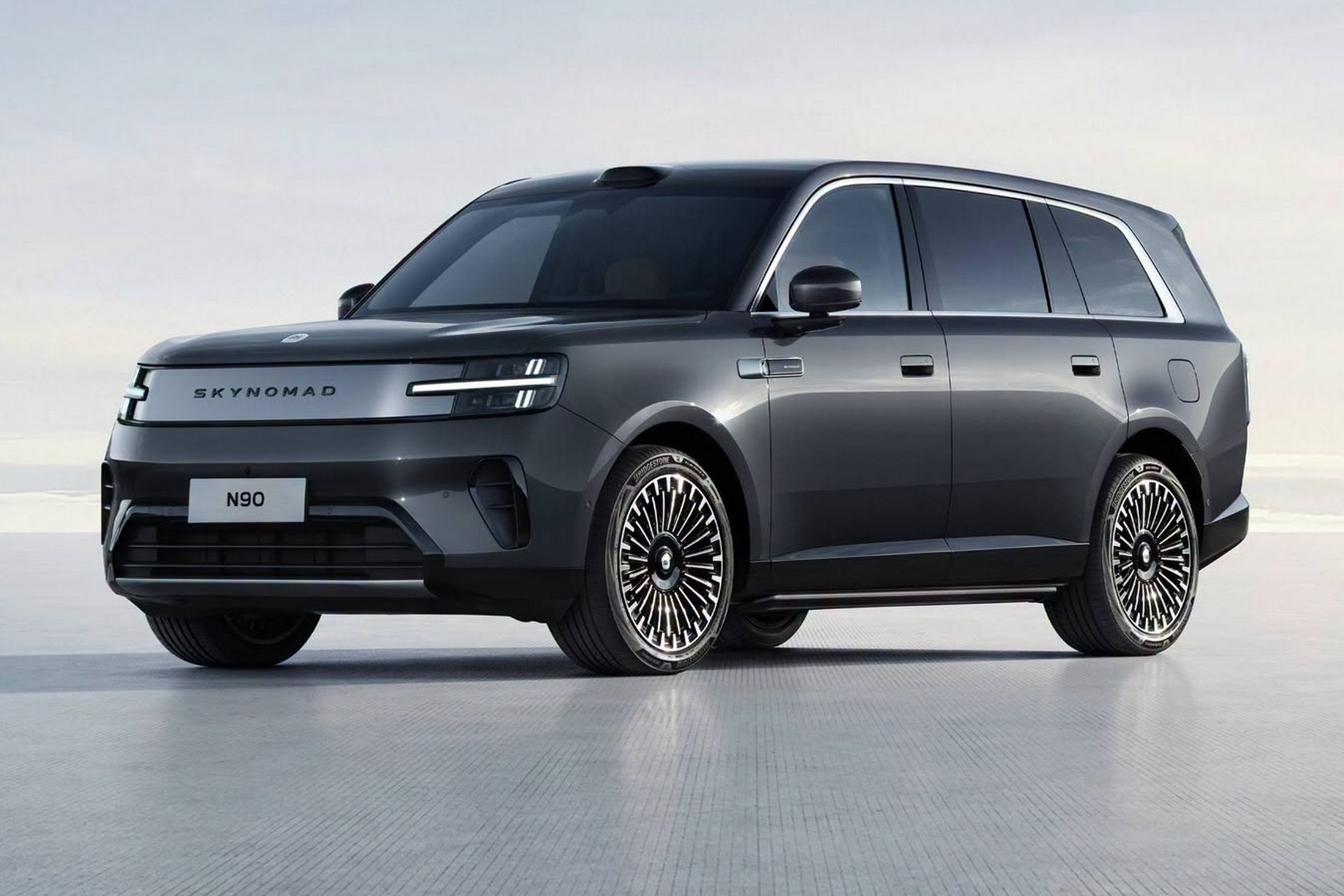
China is cracking down on social media influencers that create fake crash footage or spread malicious rumors about electric vehicles. Users in China have been trying to excuse their drunk or dangerous driving with autonomous driving systems or fake braking and self-acceleration claims. Xiaomi's EV division, in particular, can't seem to catch a break from content creators just as the company's Skynomad EREV lineup geared up for launch.
Over the past several months, Xiaomi has repeatedly gone public with reports of AI-generated smear campaigns aimed at its cars and executives. The most recent case involved two users who fabricated crash test footage designed to make it look like Xiaomi vehicles had failed in a collision. Chinese police responded with administrative detentions and fines, and Xiaomi says the offending posts have since been taken down.
This wasn't an isolated incident as authorities in Xi'an dismantled a larger operation back in June. Three MCN content agencies and over a dozen individuals were accused of crafting AI-generated videos and posts en masse targeting Xiaomi, with several suspects formally detained and equipment seized. Xiaomi warned that AI misuse for spreading disinformation "will carry consequences," a message clearly aimed at deterring copycats as much as punishing past offenders.
Xiaomi isn't alone in this fight, as NIO has been dealing with a nearly identical playbook. The innovative automaker recently disclosed that police arrested a suspect who allegedly used AI tools to spread fabricated content about the company across thousands of social media accounts, racking up tens of millions of views in the process. NIO has also pursued multiple civil defamation cases against bloggers over the past year, and it's flagged a separate wave of attacks aimed at its Onvo brand and battery swap network, timed suspiciously close to new model launches of its own.
It's a familiar problem across China's EV sector broadly, where authorities have stepped up crackdowns on fabricated crash footage and staged safety failures, some of it AI-assisted, aimed at damaging rival automakers' reputations in an increasingly cutthroat market. BYD has gone the same legal route, too, recently winning a court ruling against a blogger over fabricated claims about its components.
For Xiaomi specifically, the stakes feel higher as the Skynomad EREVs represent the company's inaugural push into extended-range territory, an increasingly popular category in China that now offers pure electric range in excess of 300 miles before the gas generator kicks in. Since these are mostly family vehicles, trust in safety claims can make or break early sales momentum.
Whether these disinformation campaigns are opportunistic trolling or something more coordinated remains unclear, but Xiaomi seems intent on making an example out of anyone caught faking footage. NIO's parallel struggle suggests this isn't a Xiaomi-specific headache but a structural one for any Chinese EV brand riding set for a major launch.
 Add as a preferred source on Google


