




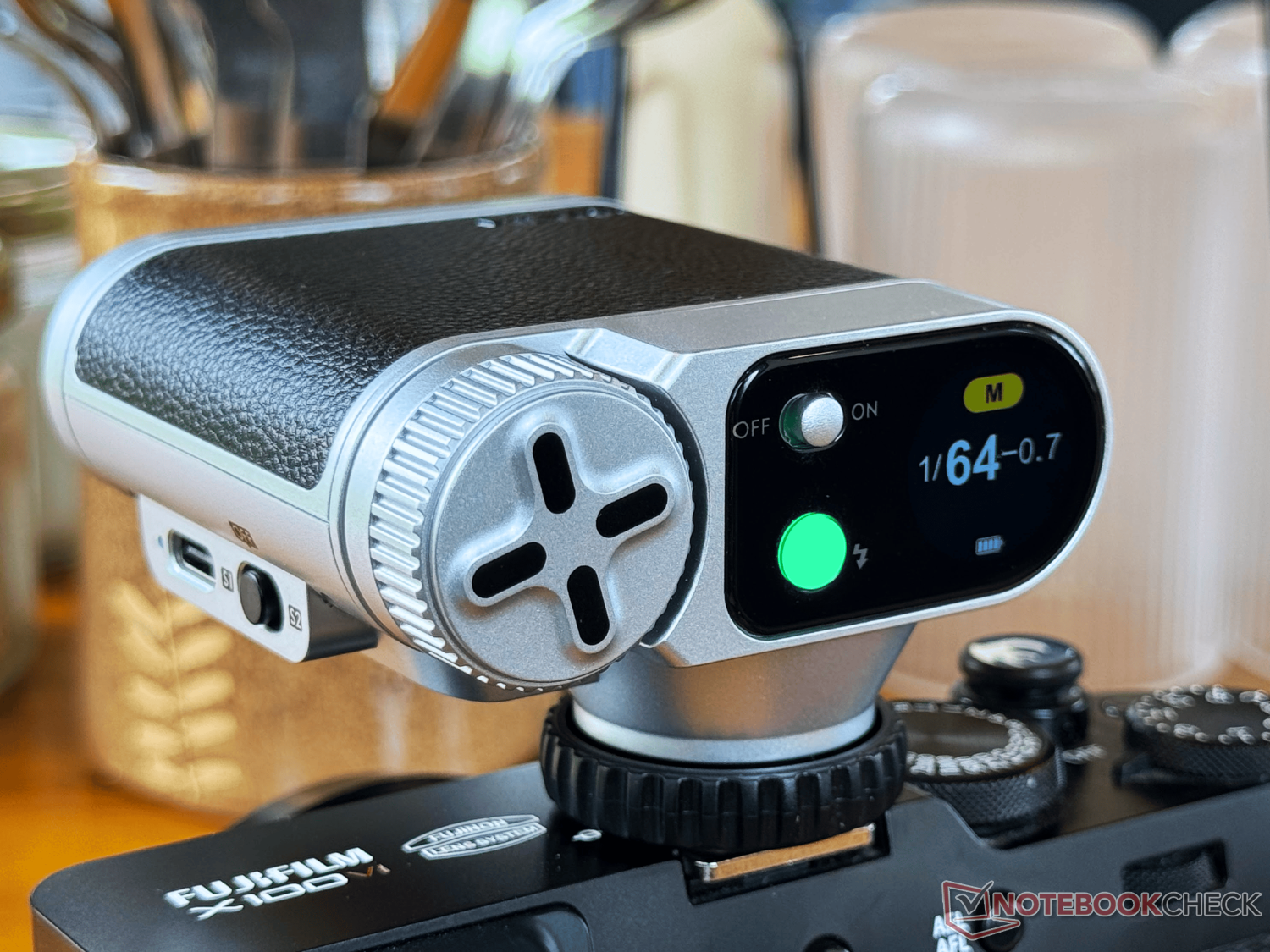
Viltrox Vintage Z1 Pro review: $60 flash brings TTL and 1/8000s HSS to a retro body, and delivers
A compact flash that punches well above its price tag
The Viltrox Vintage Z1 Pro packs TTL, manual flash control and a retro-ish design into a compact body for just $59.99. After testing it extensively with the Fujifilm X100VI, it turned out to be a very dependable companion for travel and street photography despite a few minor inconveniences.Anubhav Sharma Published 🇳🇱 🇫🇷 ...
Verdict - A flash that nails the cost-to-value ratio and delivers well on most fronts
The Z1 Pro is for photographers who want an on-camera flash that doesn't clash with their camera's, and who mostly need it for close-range fill, walk-around street work, or freezing quick motion rather than lighting bigger rooms. In our time with it, TTL metering was reliable enough to trust without constant checking. The battery and recycle speed kept up with rapid shooting. It's a strong pick for hobbyists, amateurs, and street photographers who want a flash that doesn't burn a hole in the wallet. Sure, the build quality could've been a little better, but for less than $60 (often closer to $50), that's a valid trade-off.
Pros
Cons
Price and availability
The Vintage Z1 Pro launched in May 2026 at $59.99 (€68.99 / £56.99). It's currently listed at $53.99 on Amazon US (Fuji X version) and $50 on the official website, and ships in four dedicated hot-shoe versions — Canon RF, Nikon Z, Sony E, and Fujifilm X. It's sold through the Viltrox online store, B&H Photo, and Amazon in the EU. Our review unit was supplied by Viltrox.

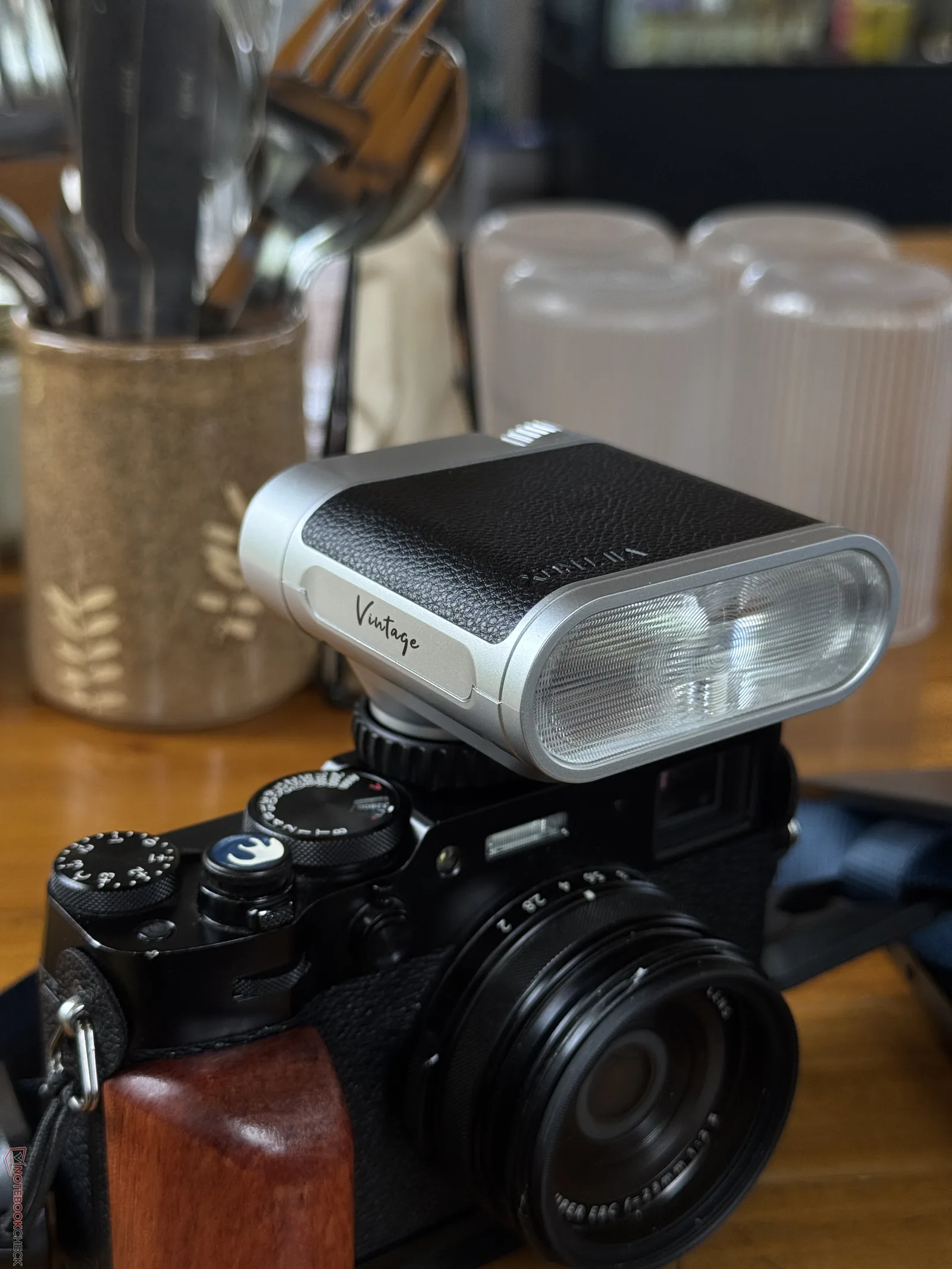
Retro-styled cameras have built a somewhat niche market of matching accessories around them, and flash has been one of the more obvious gaps in there. Most compact on-camera units are still black plastic boxes for the sake of utility, not for sitting on top of a Fujifilm X100VI or a Nikon Zf without looking out of place. Viltrox's new Z1 Pro is the version that finally adds the features users were waiting on: TTL metering and high-speed sync, layered onto a leather-and-metal look. At $59.99, it undercuts nearly every popular flash from the major camera makers (by a decent margin too). The question is whether the size and price come with trade-offs that matter once you're actually shooting.
#0 Error, width of newly created webp image /_processed_/webp/Notebooks/News/_nc5/IMG_110244-jpeg-q82-w738-h.webp (554) does not match requested width (738). Re-save original image "/Notebooks/News/_nc5/IMG_110244.jpeg" and reupload as most likely the original image is damaged. +0s ... 0.48s
#1 Error, width of newly created webp image /_processed_/webp/Notebooks/News/_nc5/IMG_110244-jpeg-q82-w1476-h.webp (1107) does not match requested width (1476). Re-save original image "/Notebooks/News/_nc5/IMG_110244.jpeg" and reupload as most likely the original image is damaged. +0s ... 1.133s
#2 Error, height of newly created webp image /_processed_/webp/Notebooks/News/_nc5/IMG_110244-jpeg-q82-w-h1600.webp (2133) does not match requested height (1600). Re-save original image "/Notebooks/News/_nc5/IMG_110244.jpeg" and reupload as most likely the original image is damaged. +0s ... 1.825s
Specifications
| Feature | Technical Specification | ||
| :--- | :--- | ||
| Flash Modes | TTL Auto, Manual (1/1–1/64, 1/3-stop steps) | ||
| Guide Number | 12m / 39.4ft (ISO 100) | ||
| Power Output | 24Ws | ||
| Recycle Time | ~1 second (rated, full power) | ||
| Flash Duration (T0.5) | 1/3000s – 1/50000s | ||
| Color Temperature | 6000K ±200K | ||
| Coverage | 28mm equivalent, fixed (no zoom, bounce, or swivel) | ||
| Sync Modes | HSS to 1/8000s, front-curtain, rear-curtain | ||
| Trigger Modes | S1 (sync trigger), S2 (pre-flash suppression) | ||
| Battery | 3.7V / 800mAh Li-ion, built-in | ||
| Charging | USB-C, ~70 minutes, pass-through while shooting | ||
| Flash Count | Up to 350 (full power) / 10,000 (minimum power) | ||
| Display | Circular color touchscreen, 2.5D curved glass | ||
| Dimensions | 68.5 x 72.8 x 50.2mm | ||
| Weight | ~136g | ||
| Price | $59.99 MSRP |
Case & features
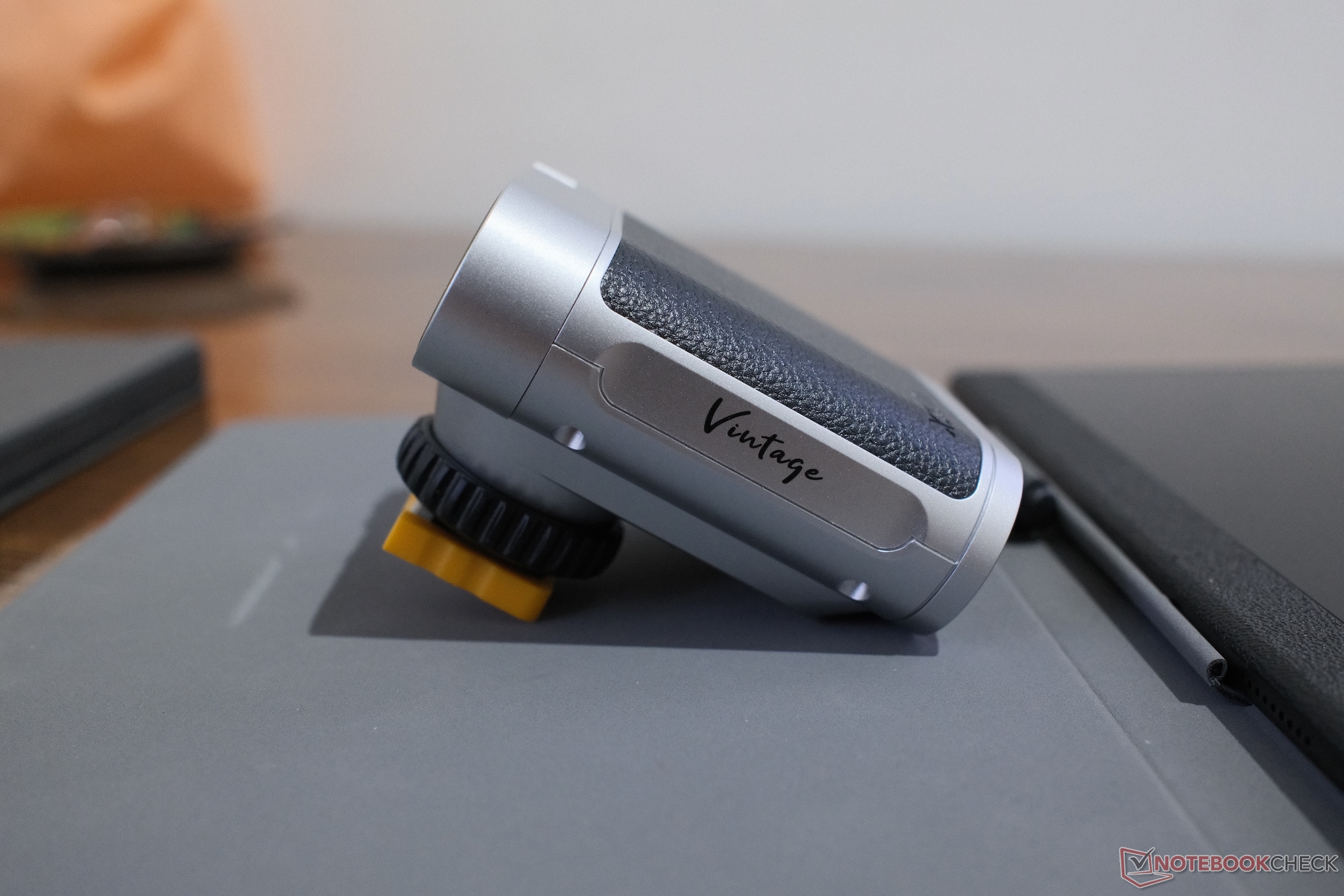
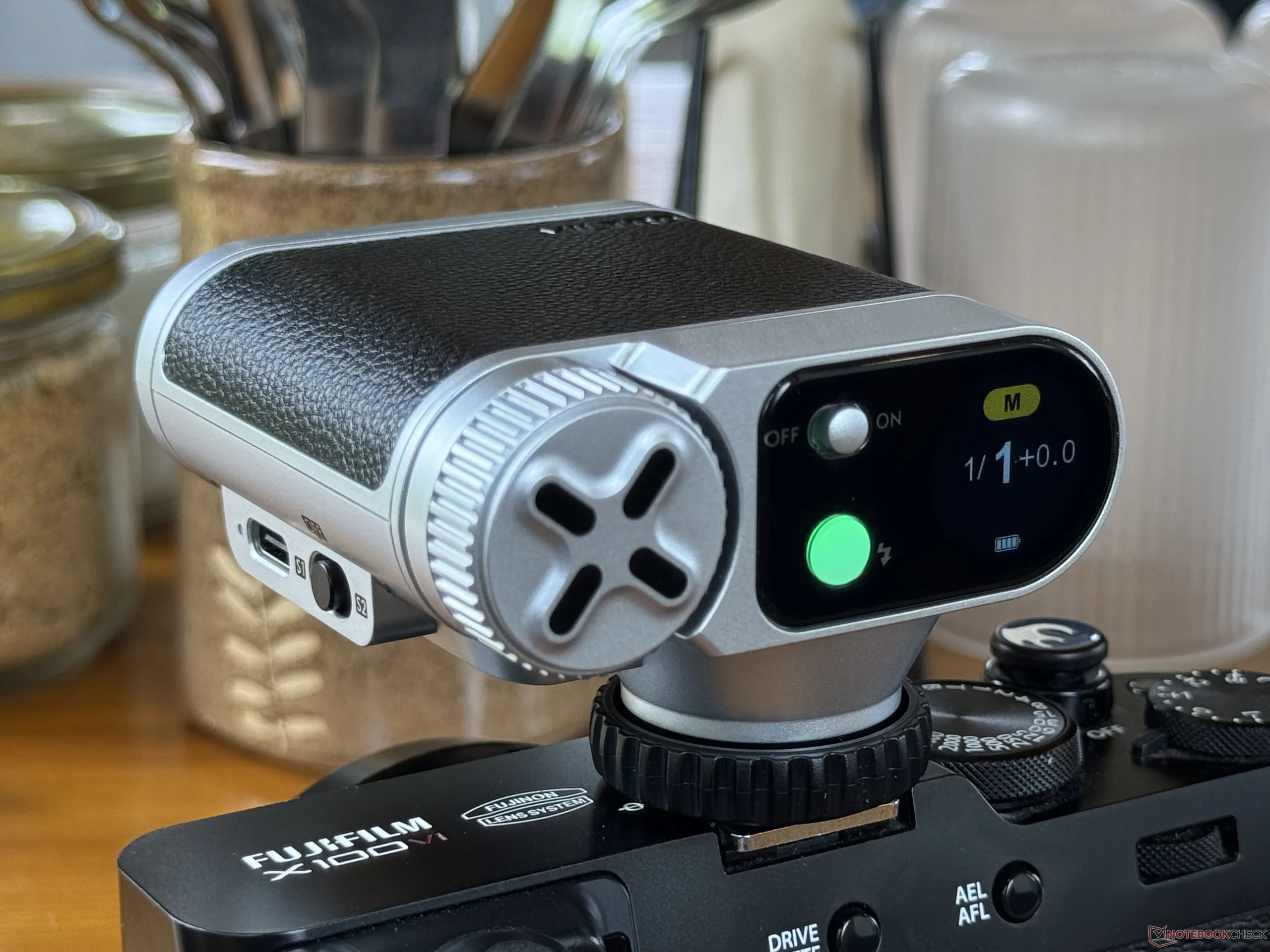
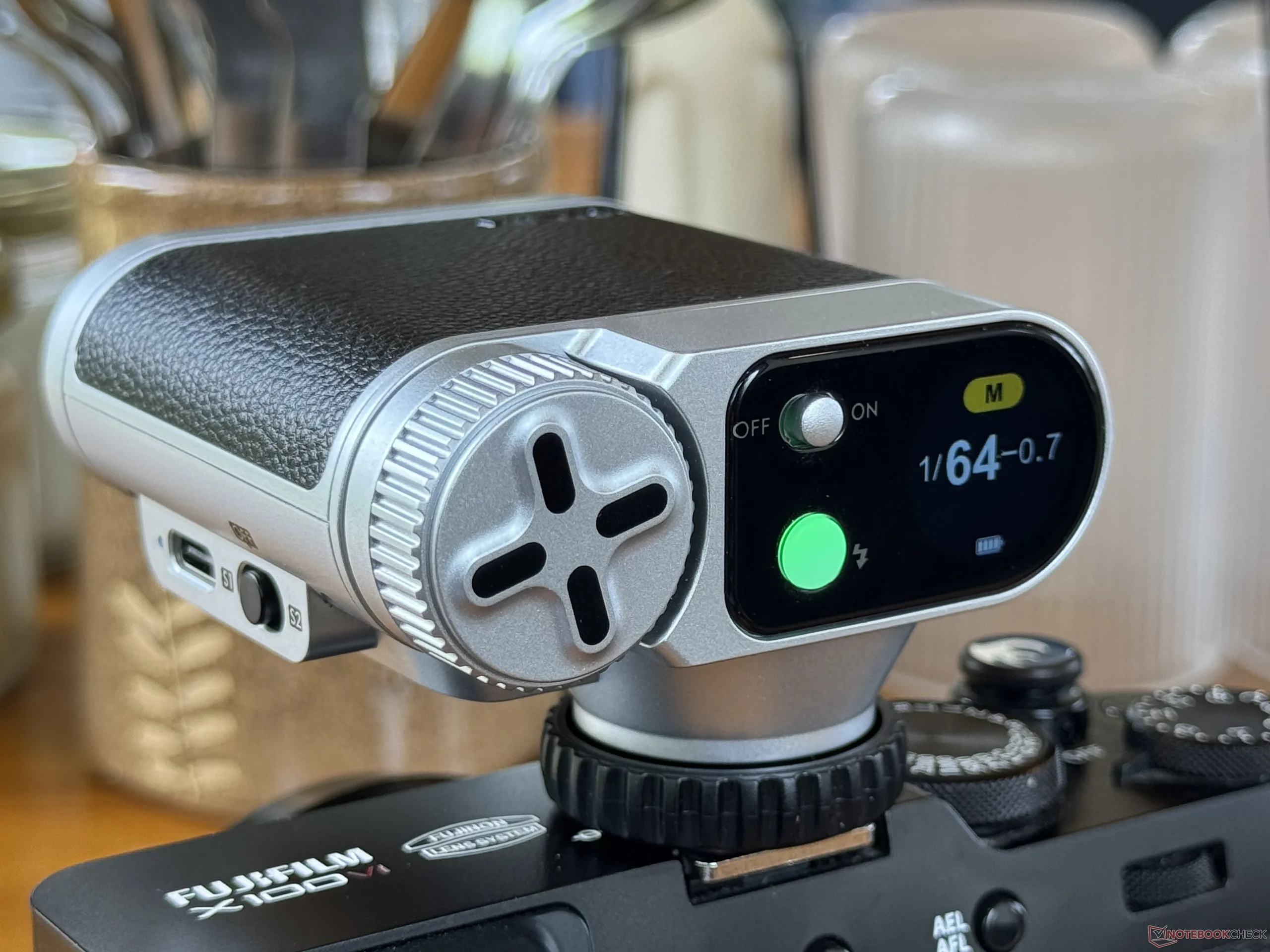
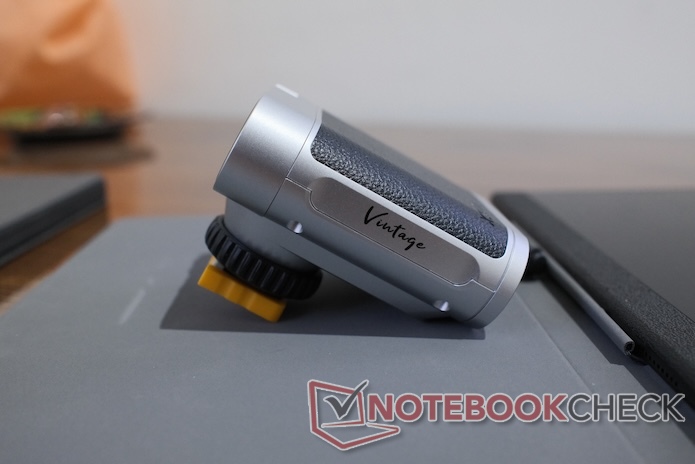
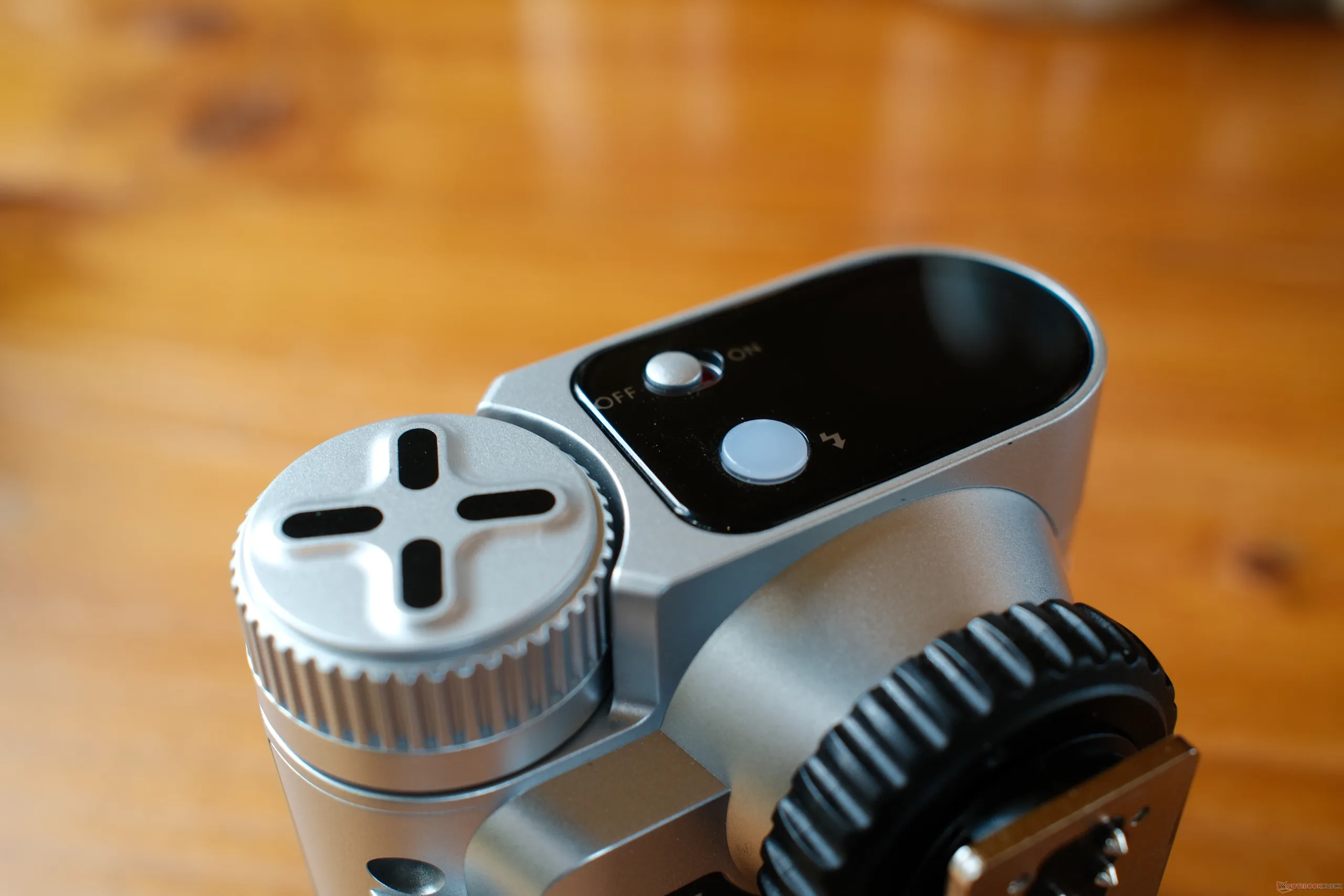
The retro design isn't just a skin. The Z1 Pro has a pebbled leatherette sleeve around a matte, silver-toned shell. There is a control dial on the back that doubles as a button, and a small circular touchscreen handling the rest — you can tap it to switch between TTL and Manual, and it also shows sync setting, battery level, and trigger type. A dedicated test-flash button is one of the more useful details on the unit. It lets you confirm output before committing to a shot. The grip along the top does feel good in hand, even if the dial itself feels a touch cheap for how smoothly it turns.
At 136 g, it basically disappears into a jacket pocket and doesn't unbalance a small body like the X100VI the way a full-size speedlight would. The shell looks like metal from a distance, but the material underneath is plastic, and the overall finish feels a little cheap in hand. However, this does keep the weight and price down.
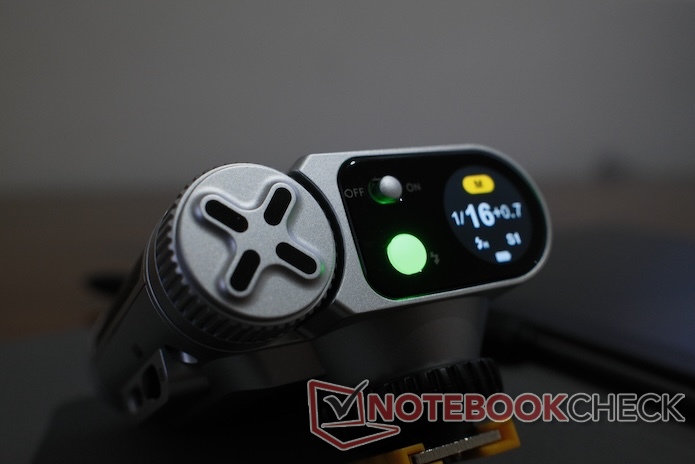
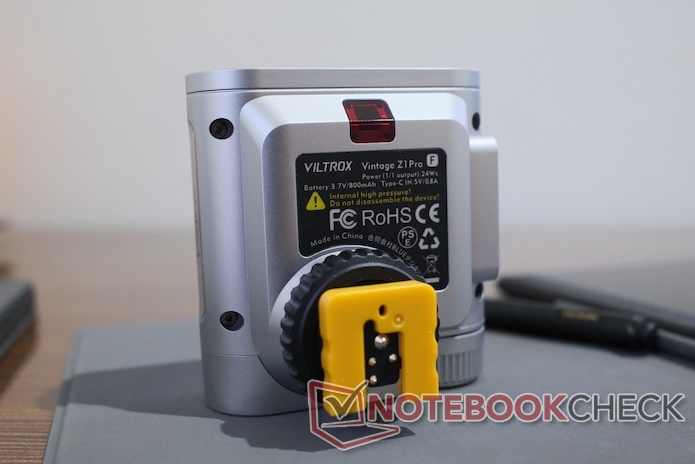
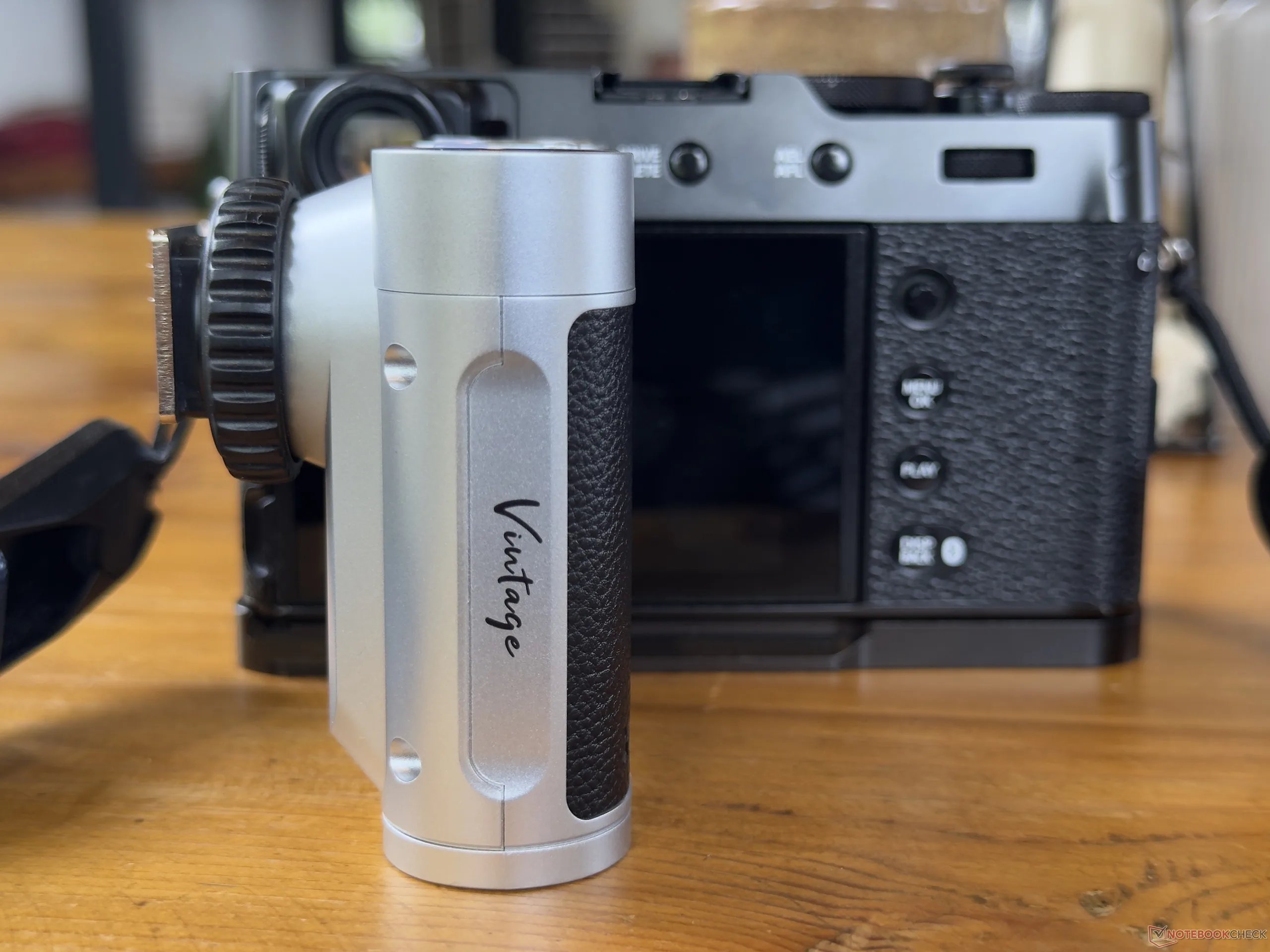
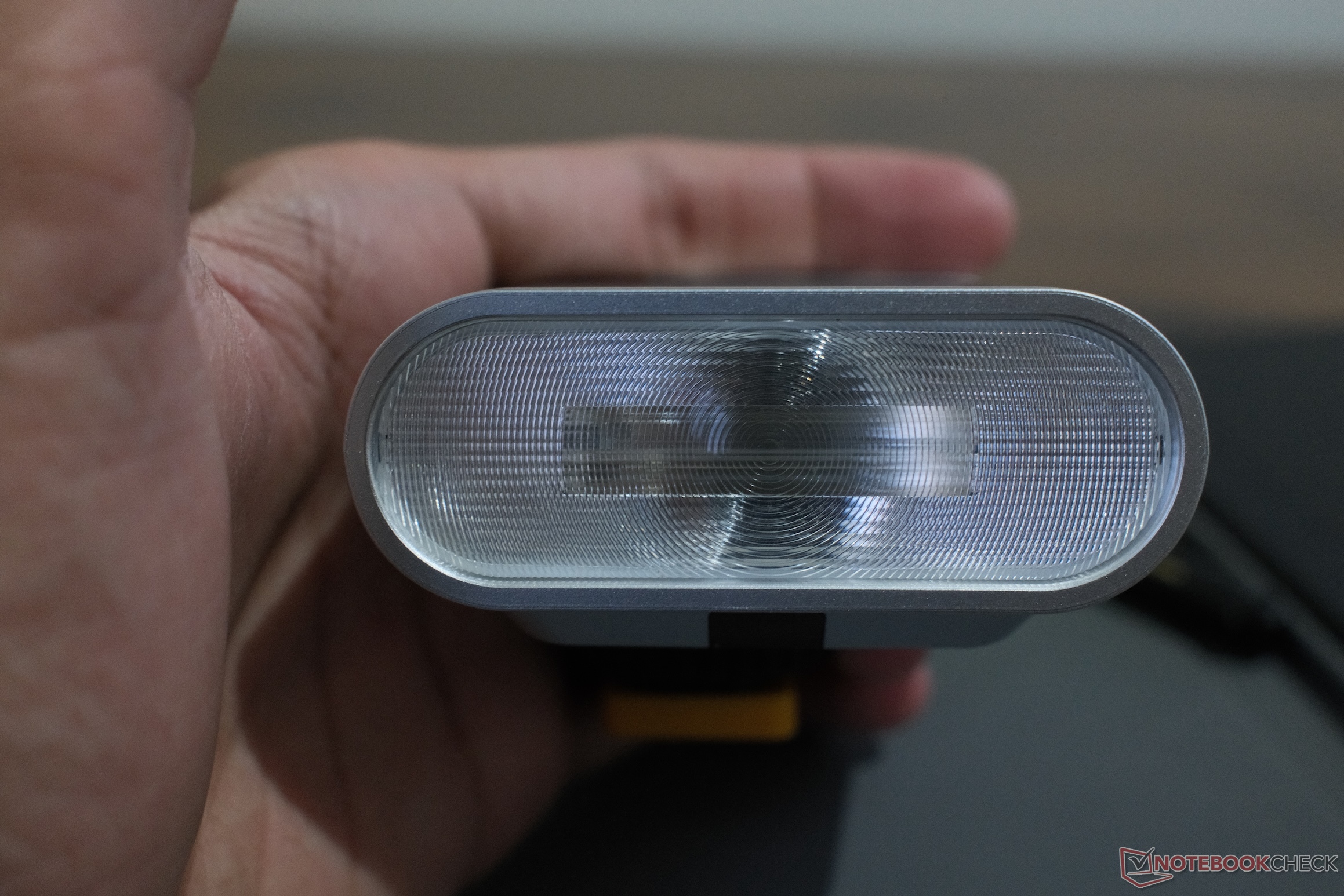
The one fixed limitation, shared with every flash in the Vintage line so far, is the head itself: no tilt, swivel, or zoom. It fires straight ahead in a fixed pattern. On the X100VI specifically, that wasn't an issue — there was no lens-barrel shadow in any test shots, though that's with the lens hood removed. Leave the hood on and it's worth checking your results before assuming your images are turning out right.
Performance and benchmarks
Viltrox rates the Z1 Pro at 24Ws with a guide number of 12 meters (39.4 feet) at ISO 100, which looks modest next to a full-size speedlight, but it makes sense with a unit this size. Plus, the rated recycle time of about one second at full power held up quite well in practice: shooting in rapid succession, the flash kept pace and only missed a beat a couple of times across an long 3-4 minute-long session. Those are good results for something this small and this affordable.
TTL is the main addition over the original Z1, which was manual-only, and it's where the Z1 Pro did really well. TTL Auto Mode metered well throughout testing, and there were no misfires. It was the kind of consistency that let me stop thinking about the flash and just shoot.
High-speed sync is rated up to 1/8000s, but it's worth being clear about what that means on a Fujifilm X100VI specifically. The X100VI's leaf shutter already syncs flash at any speed up to its native 1/4000s maximum without needing HSS pulsing at all. Leaf shutters open across the whole frame at once rather than rolling a curtain across it, which is the reason Fujifilm's X100 line has always had a flash-sync advantage over some interchangeable-lens bodies. If we push past that into electronic-shutter territory and the story changes: Fujifilm's own documentation confirms that flash won't fire with the electronic shutter engaged on X100-series cameras. In practice, the Z1 Pro's 1/8000s HSS rating is a spec built for focal-plane-shutter systems like Sony or Nikon, and it isn't something an X100VI shooter will ever use.
For a freeze-motion test, we shot falling rain at night at ISO 250, 1/125s, and f/5.6. This is a scenario that uses flash duration rather than shutter speed to stop motion. Individual raindrops looked well-lit rather than streaked, more artsy than anything. We shot a laminar water flow as well, and at nearly max power, the images looked crisp.
Color is rated at a daylight-heavy 6000K ±200K, but output looked cooler than that in practice, particularly in scenes without much ambient light to balance against. It was enough that white balance needed the occasional tweak in post.




Thermals and everyday use
There's no fan or vent here, and it turns out there doesn't need to be one: the Z1 Pro stayed pretty cool through rapid-fire bursts, with nearly no heat buildup or output drop-off to report.
Battery life is rated at up to 350 full-power flashes or as many as 10,000 at minimum output. Our real-world use tracked close to that story. The battery held up well overall, and only drained quickly when run at full power repeatedly. At lower, more typical power levels, it easily outlasted a normal shooting session.
There's one tiny quirk you should know about: the Z1 Pro drops into sleep mode after 15 minutes of inactivity, and waking it back up requires a full power cycle rather than a tap on the screen or shutter button. This is a small but annoying point of friction if one is shooting in bursts with long gaps between. I personally preferred to turn it off instead.
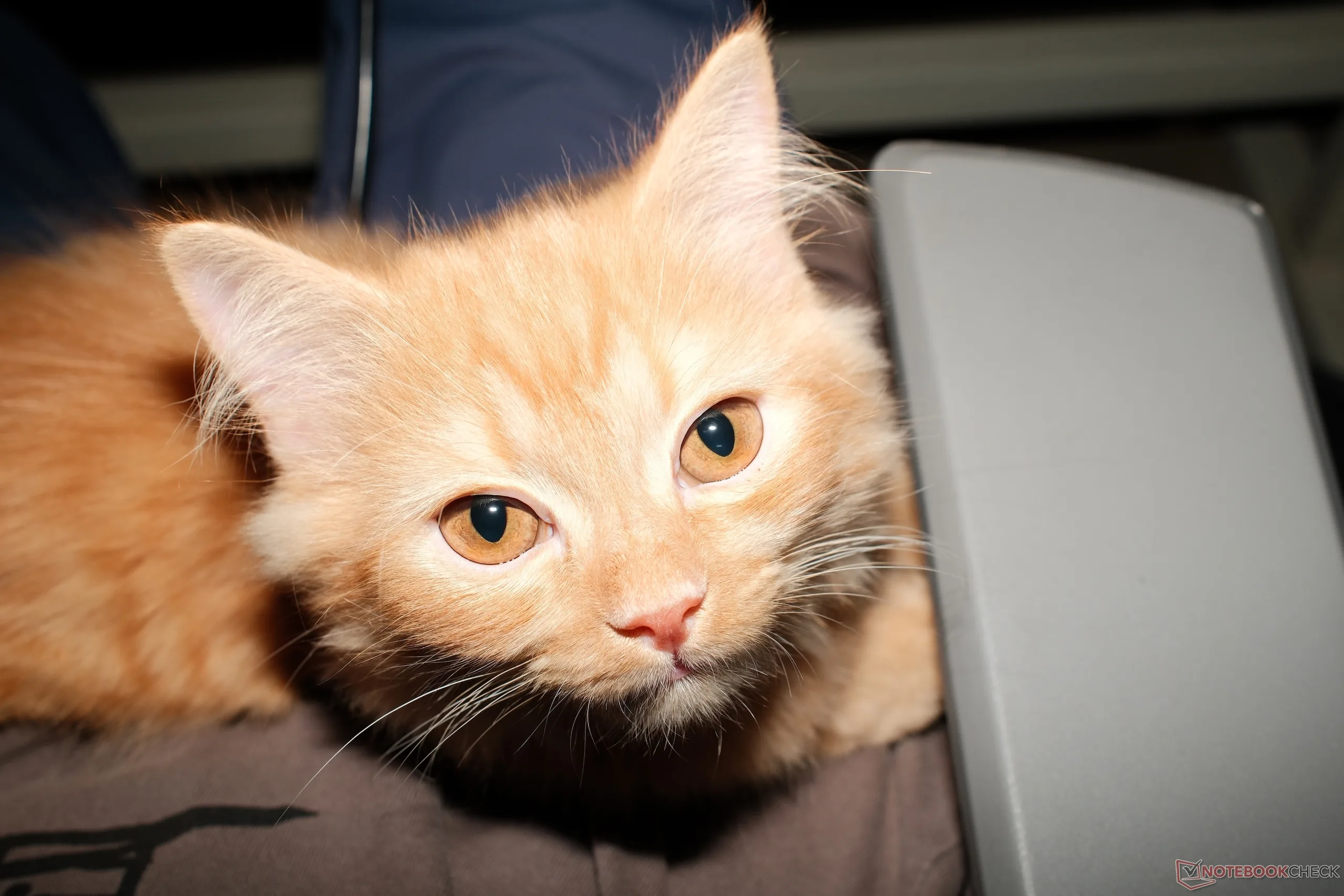
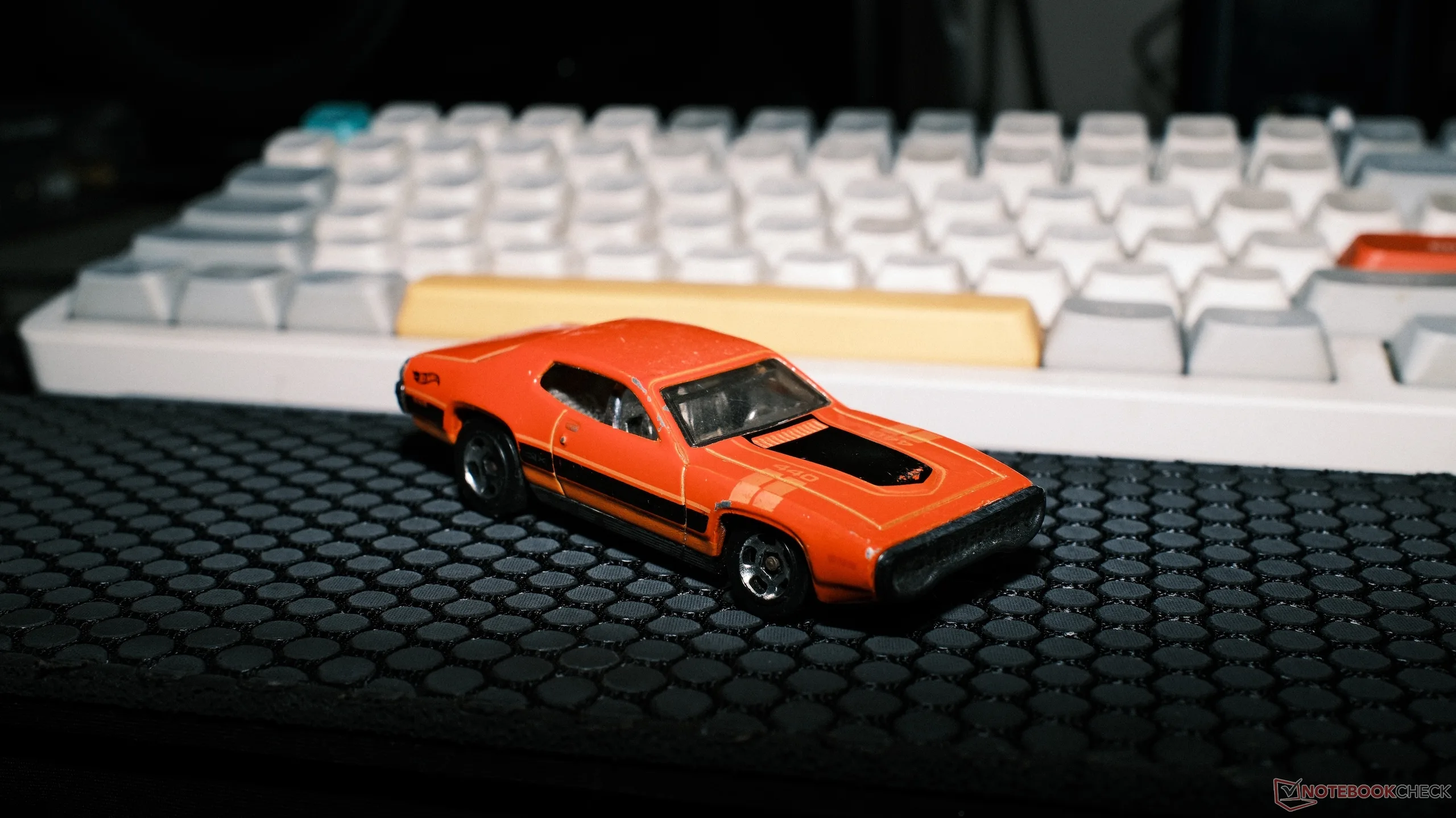
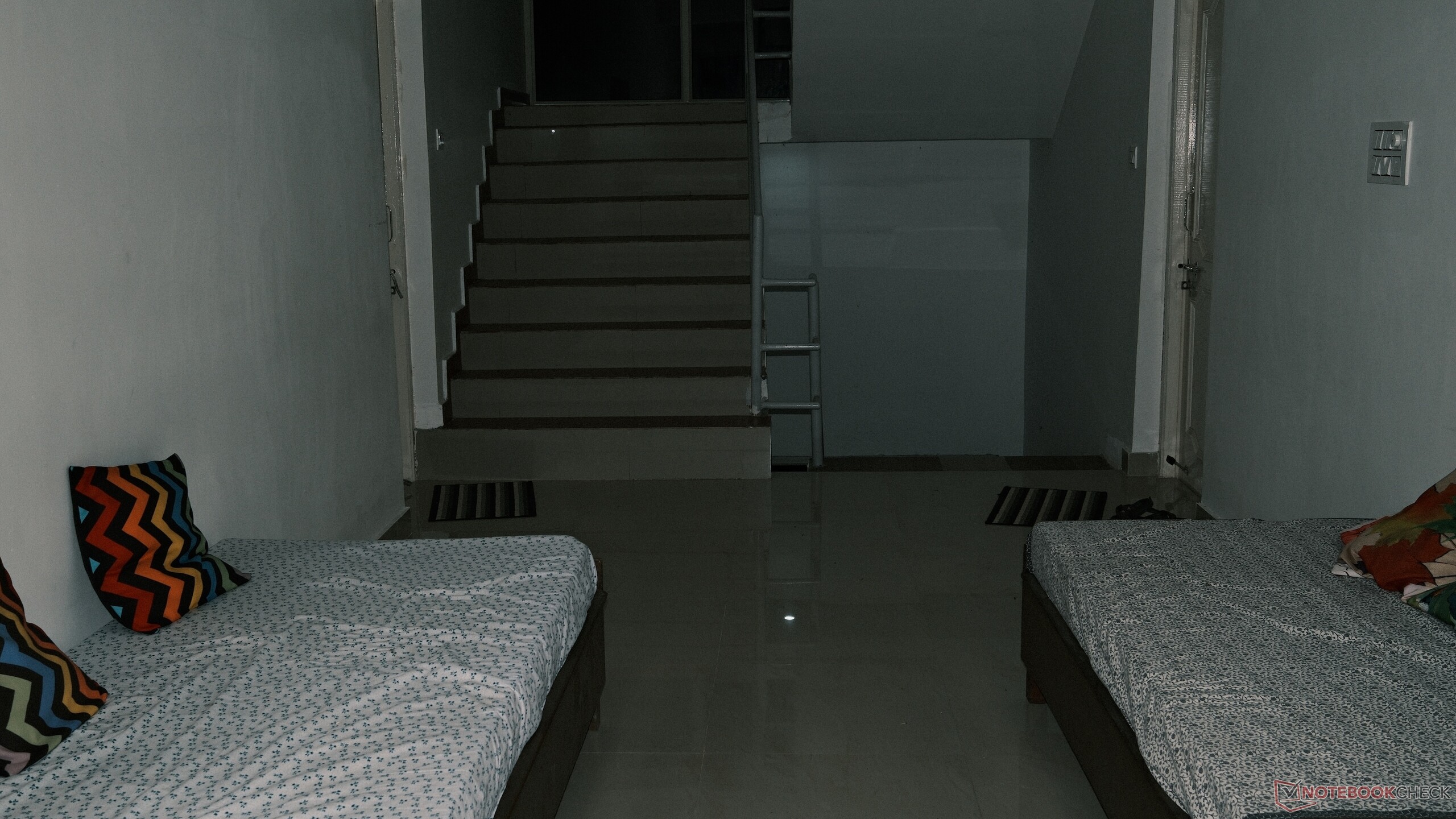
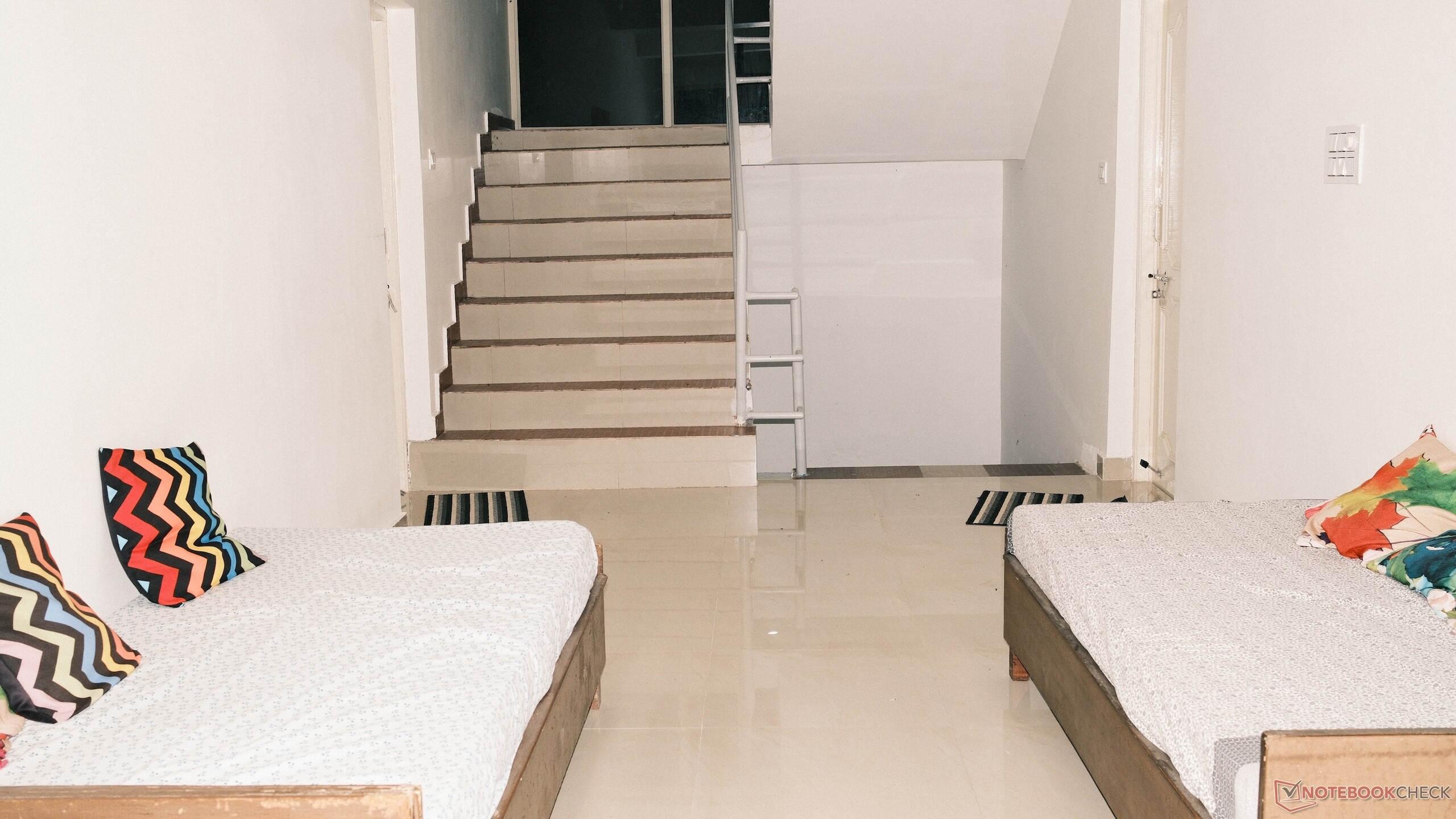
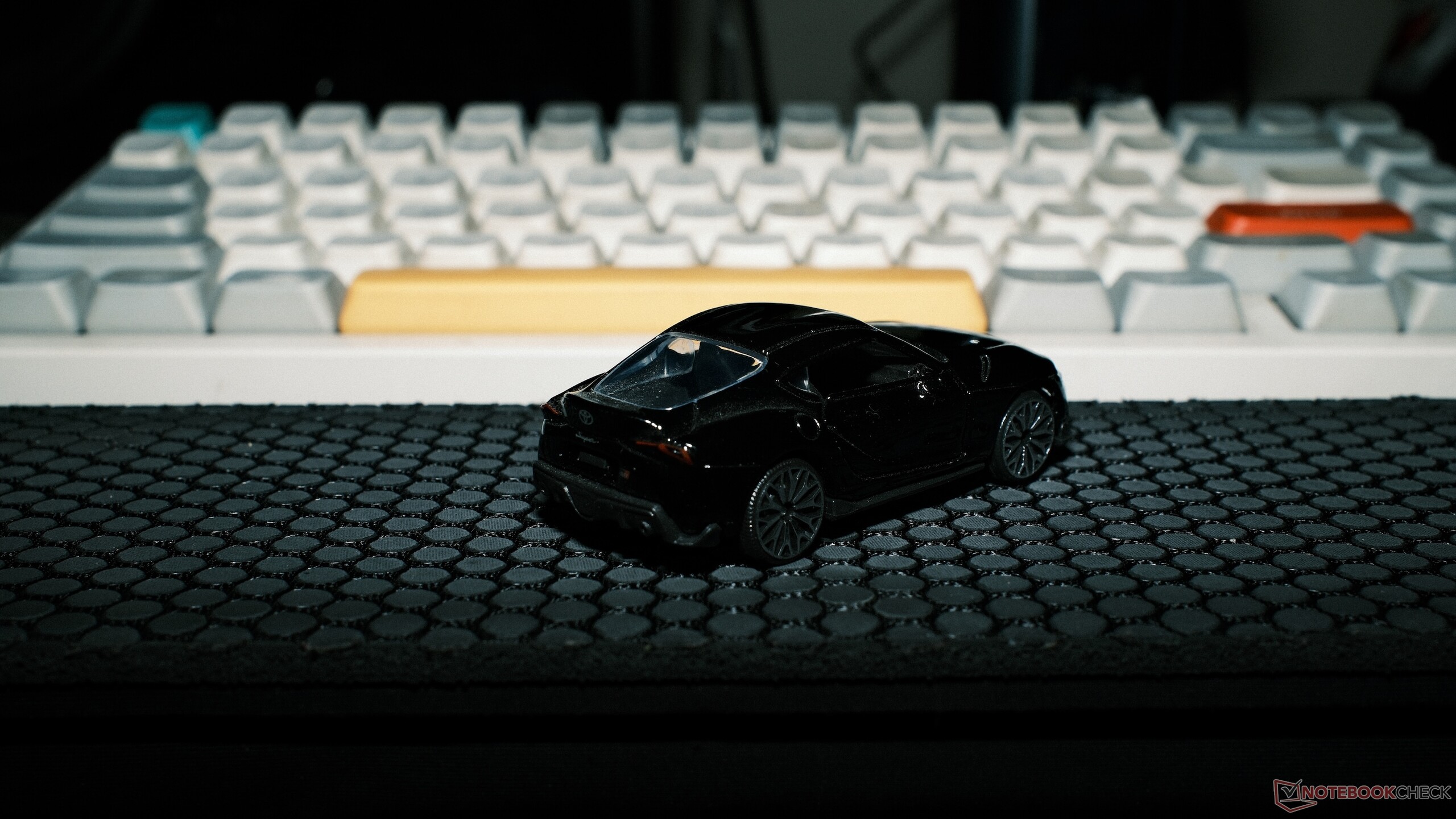
I've included a bunch of sample images below, captured using the Z1 Pro on the X100VI.








Optical slave modes
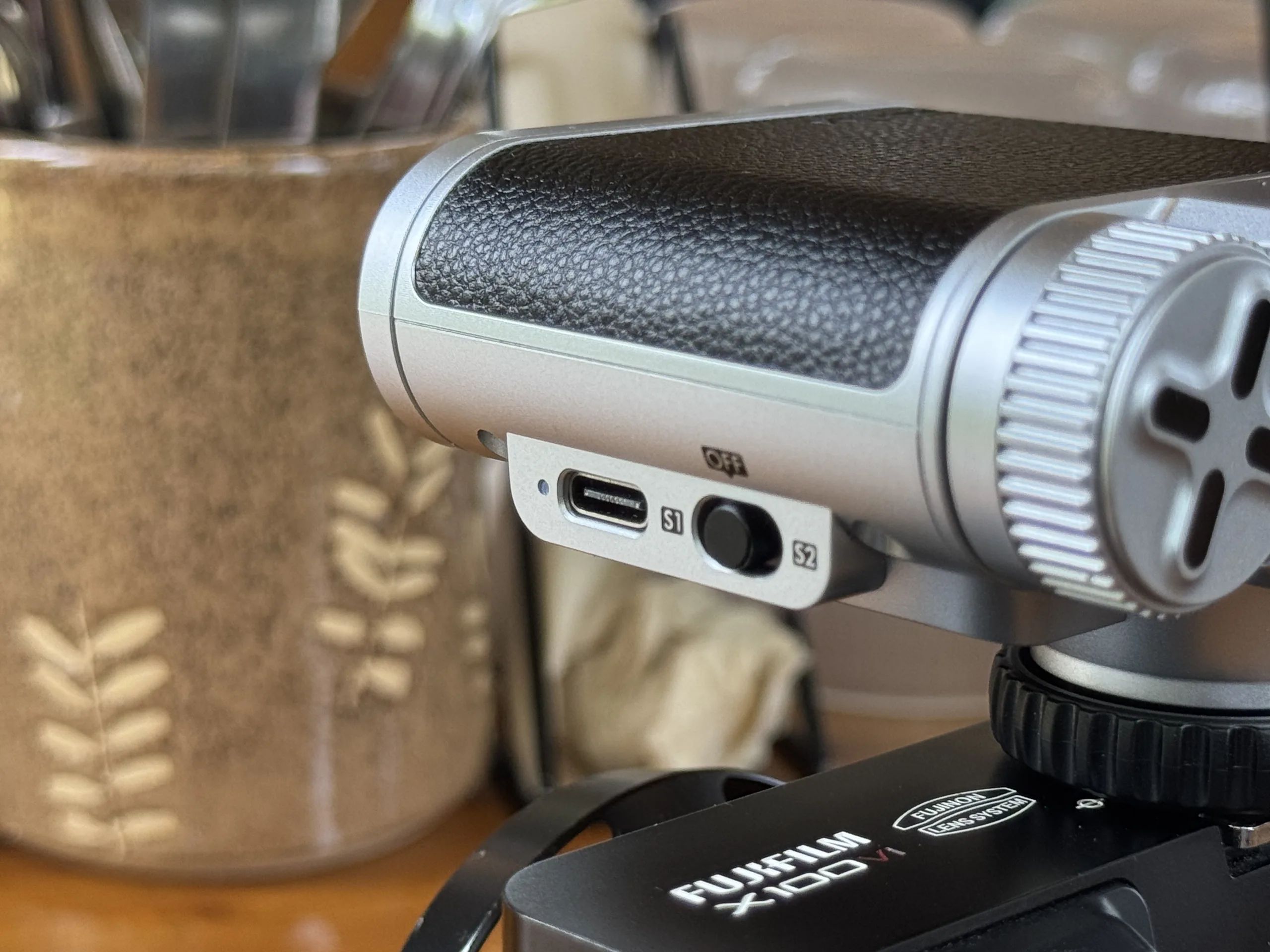
While the Vintage Z1 Pro is primarily marketed as an on-camera TTL flash, it can also be used off-camera through its built-in optical slave modes. During testing, both S1 and S2 worked as well as one would expect.
S1 triggers immediately when it detects another flash, which makes it great for setups using manual flash units. S2 ignores a TTL pre-flash before firing, which lets it work correctly alongside cameras or flashes that use TTL metering. In my testing, both modes responded very consistently without missed triggers — this makes the Z1 Pro surprisingly versatile for someone who is experimenting with basic off-camera lighting.
Conclusion
At $59.99, or $53.99 at the current Amazon discount, the Z1 Pro isn't a serious speedlight in any capacity. Therefore, it shouldn't be judged as one. It's a compact, TTL-capable flash that can sit on a retro camera body without looking out of place (for the most part), and in daily use it backed that up with reliable metering, a fast recycle, and battery life that held its own. The build quality is the one place it feels like a budget product. Anyone who needs to bounce light regularly, or push a flash across a large room, should look elsewhere; anyone who wants a pocketable, dependable fill light, the market has few better options at this price.
Transparency
The selection of devices to be reviewed is made by our editorial team. The test sample was given to the author by the manufacturer free of charge for the purposes of review. There was no third-party influence on this review, nor did the manufacturer receive a copy of this review before publication. There was no obligation to publish this review. As an independent media company, Notebookcheck is not subjected to the authority of manufacturers, retailers or publishers.
 Add as a preferred source on Google


