




Urtopia Carbon 1 ST: Impressive smart features meet noticeable limitations
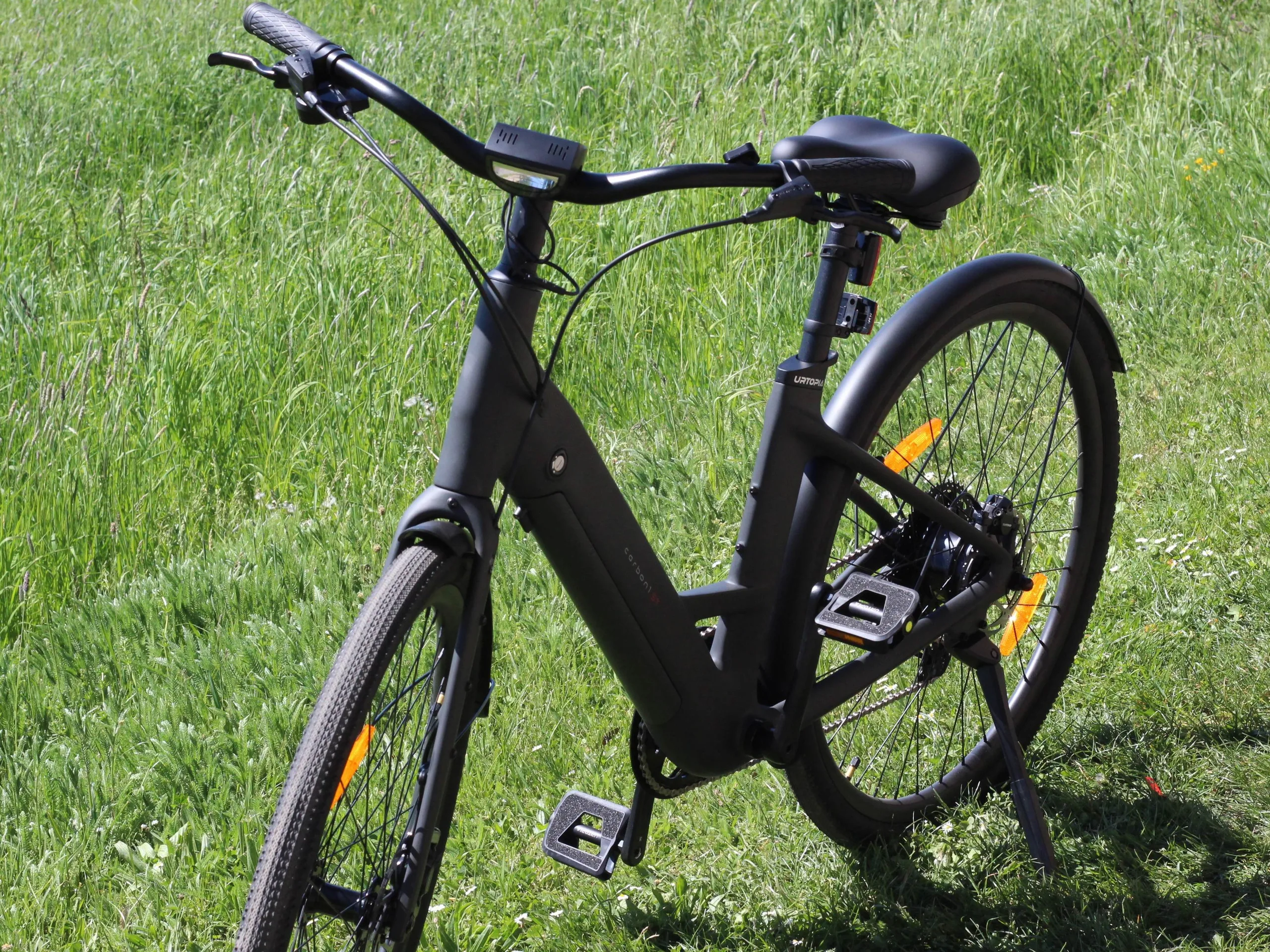
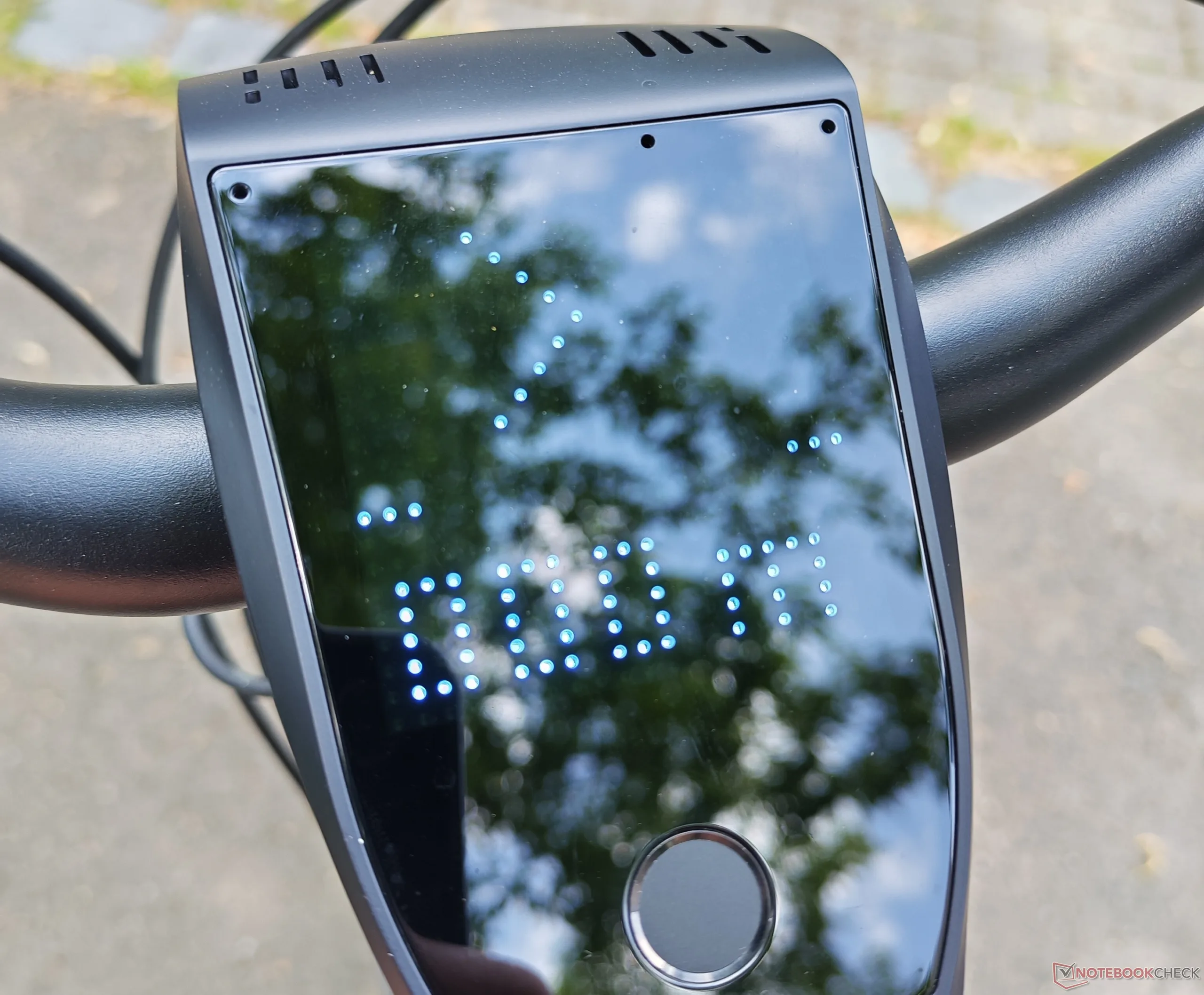
In our test, the Urtopia Carbon 1 ST proved to be a highly recommendable electric bike. However, our testing has shown that it is particularly well suited to riders of shorter stature. Urtopia aims to meet modern, high-end standards not only in terms of materials, but also with regard to smart features. While the choice of materials is convincing, it remains to be seen how well the smart functions perform. One particularly distinctive feature of the Urtopia Carbon 1 ST is its display. Whereas most e-bikes rely on conventional screens, Urtopia uses an LED matrix display. This offers a clear advantage: it remains easy to read even in direct sunlight, while still providing sufficient resolution to display information such as numbers clearly.
Navigation functions on matrix LED
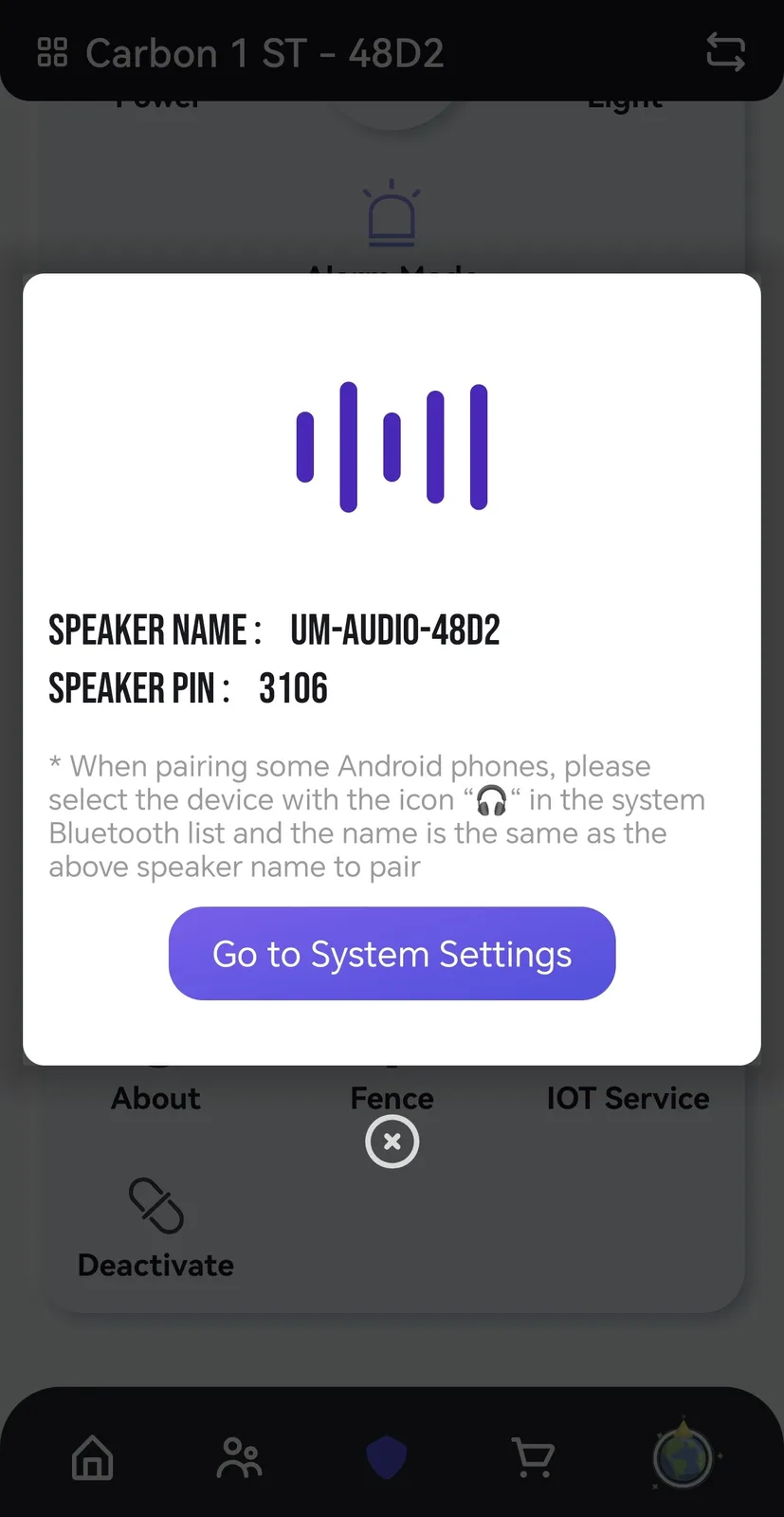
The Urtopia Carbon 1 ST offers navigation support, albeit indirectly. Routes can be conveniently set up via the companion app, with the smartphone handling the actual navigation. Turn-by-turn directions are then displayed on the bike’s LED matrix display and supplemented by acoustic prompts. Audio output can be routed via Bluetooth, allowing navigation instructions to be played either through connected earbuds or via the bike’s integrated speakers. In practice, this solution proves effective. The absence of a map view was not a major drawback in relatively familiar surroundings, especially as street names are announced clearly via audio. However, in more complex or unfamiliar road layouts, a visual map could be beneficial. If a map display is essential, a smartphone mount (available from Amazon) can be used, although this somewhat diminishes the value of the integrated display.
Convenient functions thanks to LTE and GNSS
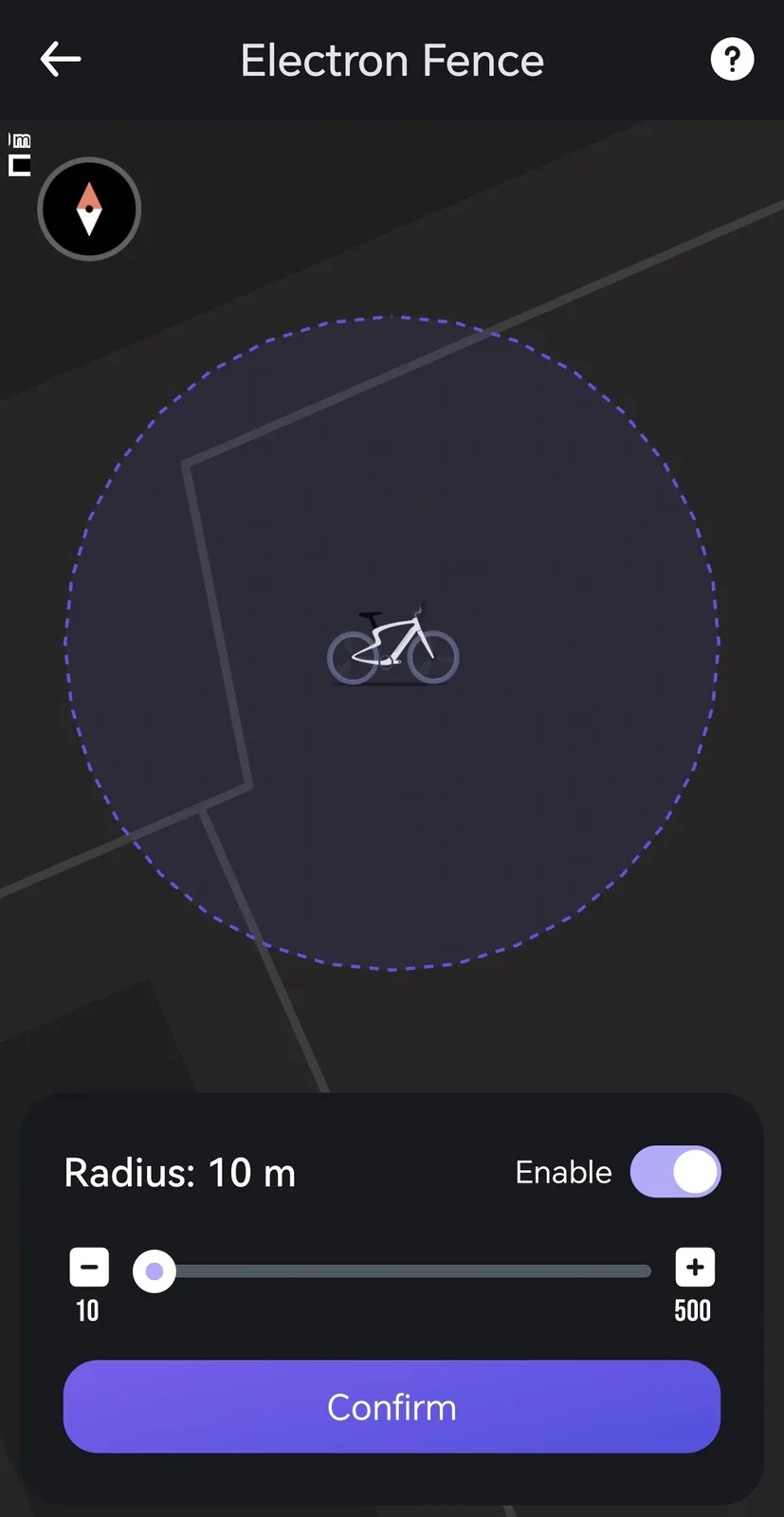
The Urtopia Carbon 1 ST offers a range of comfort features, which also extend to theft protection. Geofencing can notify users if the bike leaves a predefined area, while an alarm mode emits a comparatively loud signal if the bike is moved or tampered with. However, these measures do not physically prevent theft, as the motor cannot lock the bike or stop it from being ridden away. The tracking functionality relies on an LTE connection, which is included free of charge for the first year and then costs $39 (€45) annually. Combined with the integrated GNSS module, this enables precise location tracking via the app, where both the bike’s position and the user’s own location can be displayed on a map. In addition, the bike can be unlocked remotely, triggered to emit an acoustic signal, or switched to alarm mode via LTE. The integrated fingerprint sensor proved useful in everyday use, but not without limitations. While it generally works reliably, performance tends to degrade over time and benefits from periodic recalibration, roughly every couple of weeks. It remains unclear why recognition stability appears lower than on modern smartphones. Accuracy also decreases slightly with wet fingers. Another practical feature is the automatic lighting, which activates in low-light conditions. However, as the rear light was not integrated into the system on the tested unit, the implementation does not feel entirely consistent.
Statistics are useful, but limited
The Urtopia Carbon 1 ST automatically records completed rides without requiring manual activation. These activities can be shared within the Urtopia community, and users are rewarded with carbon credits that can be redeemed for various benefits. Pedal input is also tracked and visualized. However, users remain confined to the Urtopia ecosystem. There is no option to export ride data as GPX files or sync it with third-party fitness platforms such as Garmin Connect. This limitation may be a drawback for those who want to integrate the e-bike into structured training or broader activity tracking.
 Add as a preferred source on Google


