




UL Solutions details benchmark 'cheating' behavior of RedMagic 11 Pro series
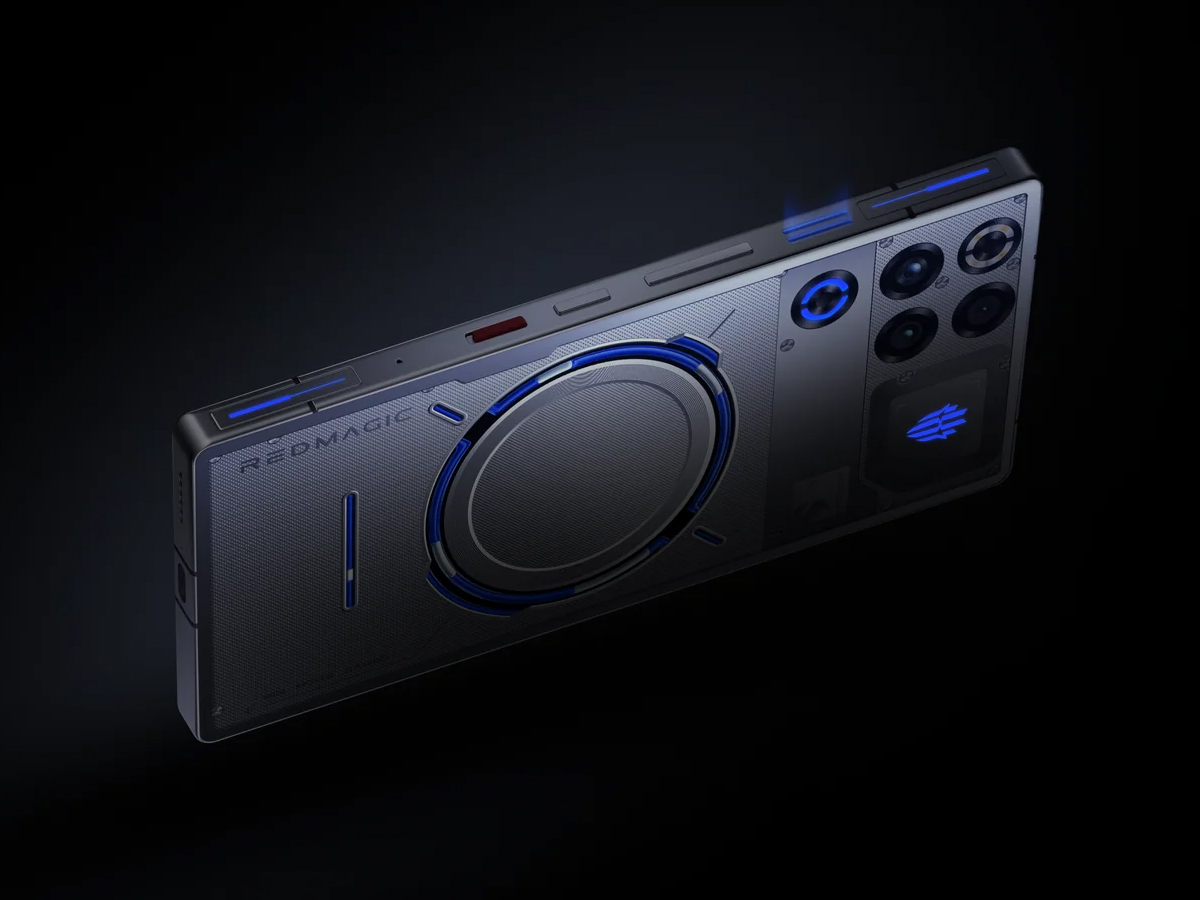
UL Solutions has delisted the RedMagic 11 Pro gaming phone series from its benchmark rankings after finding that the phones violated the platform's rules and guidelines. While the devices were said to be "cheating," they were essentially ignoring thermal limits to squeeze the most performance out of the hardware.
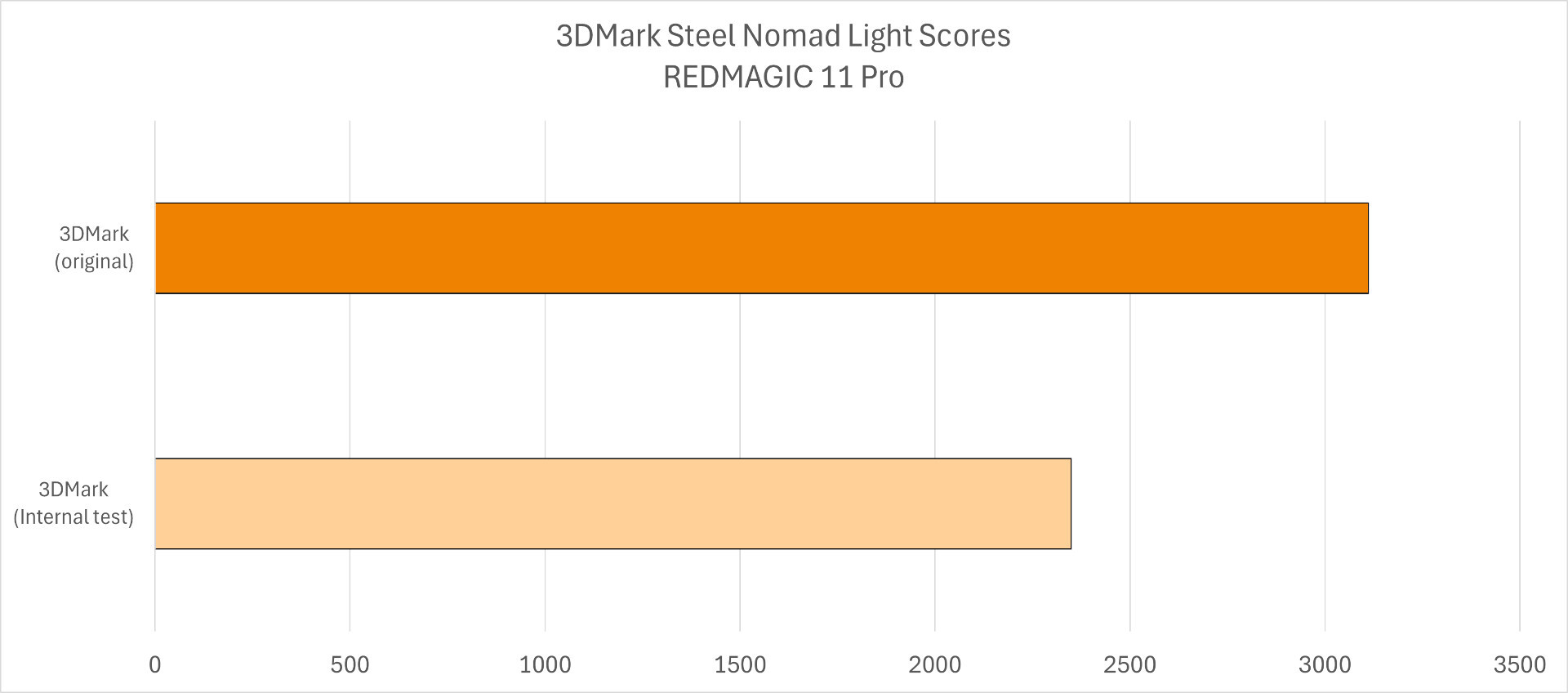
This may not seem like cheating, as the hardware can actually achieve the scores, but UL Solutions defends its actions by sharing a result from its internal test. The test benchmarked the RedMagic 11 Pro series with two 3DMark versions.
One of them is available to the public, while the other is a renamed version that the gaming phone does not recognize. In the first one, UL Solutions found that the RedMagic phone was automatically running the benchmark in high-performance mode, known as the "Diablo" mode.
As for the other version, which is not recognized by the phone as a benchmarking app, the benchmark ran in regular mode. This difference in performance profiles resulted in the former benchmarking run yielding a 24% higher score. UL Solutions notes that optional performance modes are allowed under the rules, but they need to be disabled by default.
Nubia, the parent company of RedMagic, has also issued a statement trying to defend its phones, but didn't quite succeed. In the email response sent to Android Authority, the company stated that its performance profiles are not "unethical," and they are viewed as a medium that offers more control over the users.
However, Nubia didn't say anything about automatically changing the phone's performance mode when it detects benchmarking apps. Beyond benchmarks, many users have also found RedMagic gaming phones unstable in the highest performance mode, with some reporting frequent crashes and extreme overheating (Xiaomi magnetic cooling fan curr. $54.23 on TradingShenzhen).
But then again, these practices aren't uncommon in the smartphone space. Brands like Huawei, Oppo, and MediaTek were also caught ignoring the thermal design power recommendations when the phone detects benchmarks or heavy workloads.
Source(s)
 Add as a preferred source on Google


