




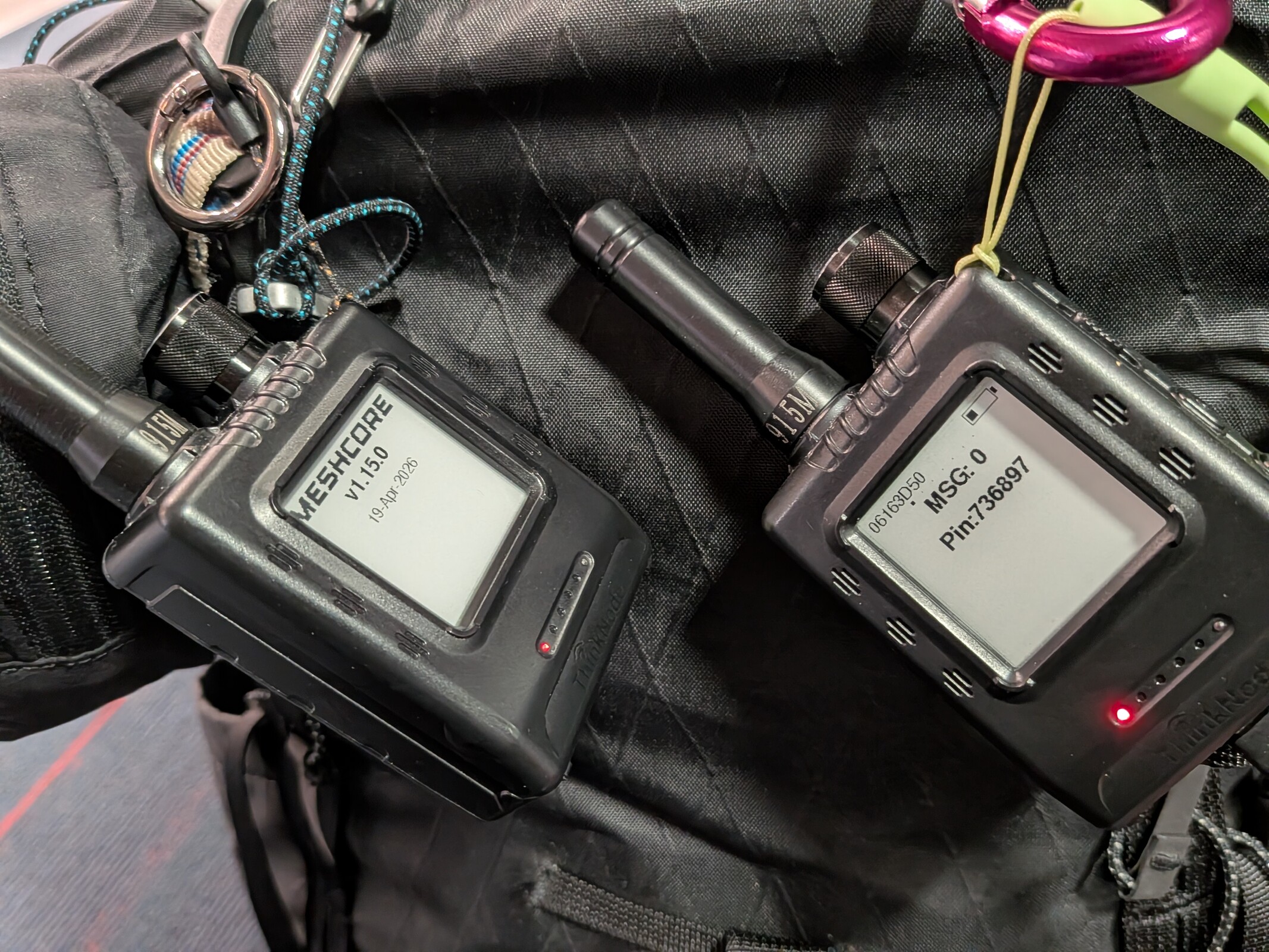
ThinkNode M1 & M5 Review: Solid communicators with extensive software flexibility
Identical on the outside, completely different under the hood.
The Elecrow ThinkNode M1 and M5 are versatile, compact LoRa communicators that provide an accessible entry point into off-grid mesh networking.Stephen Pereyra Published 🇫🇷 🇪🇸 ...
Verdict - Solid communicators with extensive software flexibility
Elecrow has crafted simple, robust, and effective communicators with the ThinkNode M1 and M5. Based on appearances, solid build quality, and functionality alone, one would be hard-pressed to distinguish between the two. Still, the fact that they're based on completely different hardware speaks to the optimization made by the folks at Elecrow. While it was unfortunate that no communication could be made on the Meshtastic platform, the fact that these units could be flashed with MeshCore and repurposed as long-range communication base stations is just one example of the extensive and exciting rabbit holes these devices have in store for curious users.
Pros
Cons
Price and availability
The Elecrow ThinkNode M1 and M5 are available through the Elecrow store and select tech retailers for around $76.

The Elecrow ThinkNode M1 and M5 are dedicated LoRa mesh networking devices designed to provide text and telemetry communication completely off-grid.
Specifications
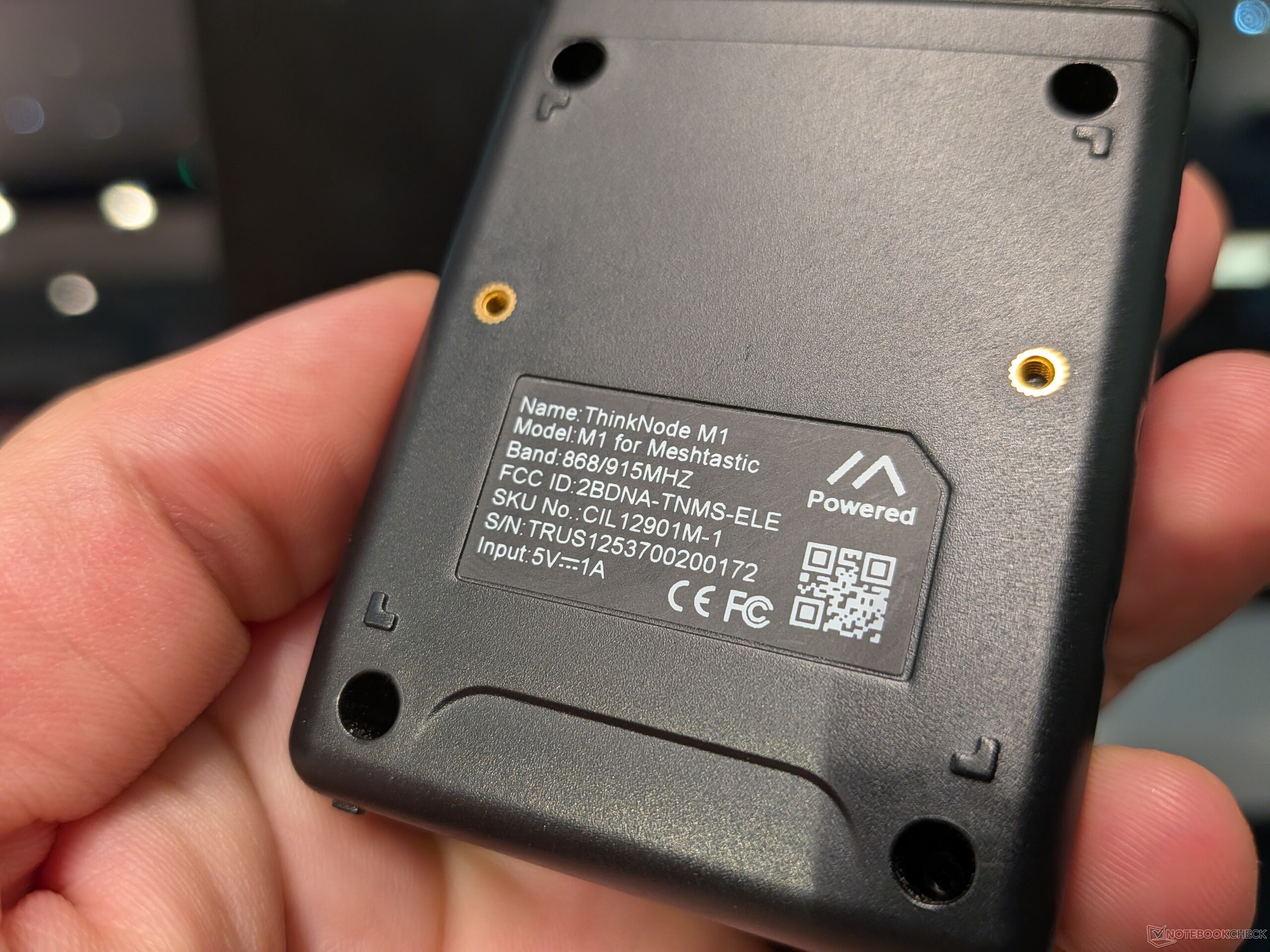
| Product Name | Elecrow ThinkNode M1 & M5 |
| Main Processor | Nordic nRF52840 (M1) / ESP32-S3 Module (M5) |
| CPU | Arm Cortex-M4 @ 64MHz (M1) / Xtensa LX7 Dual-Core @ 240MHz (M5) |
| System Memory | 256 KB RAM (M1) / 512KB SRAM, 8M PSRAM (M5) |
| Storage | 3 MB Flash (M1) / 4M Flash, 384KB ROM (M5) |
| LoRa Transceiver | SX1262 |
| WiFi | No Support (M1) / 802.11a/b/g/n 2.4GHz (M5) |
| Bluetooth | BLE & BT 5.4 (M1) / BLE & BT 5.0 (M5) |
| Display | 1.54-inch EPD (E-Ink) Monochrome |
| Battery | 1200mAh Lithium-ion |
| Navigation | Built-in GPS |
| Dimensions | 82 x 51.6 x 26.3mm |
| Default Firmware | Meshtastic (MeshCore Compatible) |
Hardware and Meshtastic
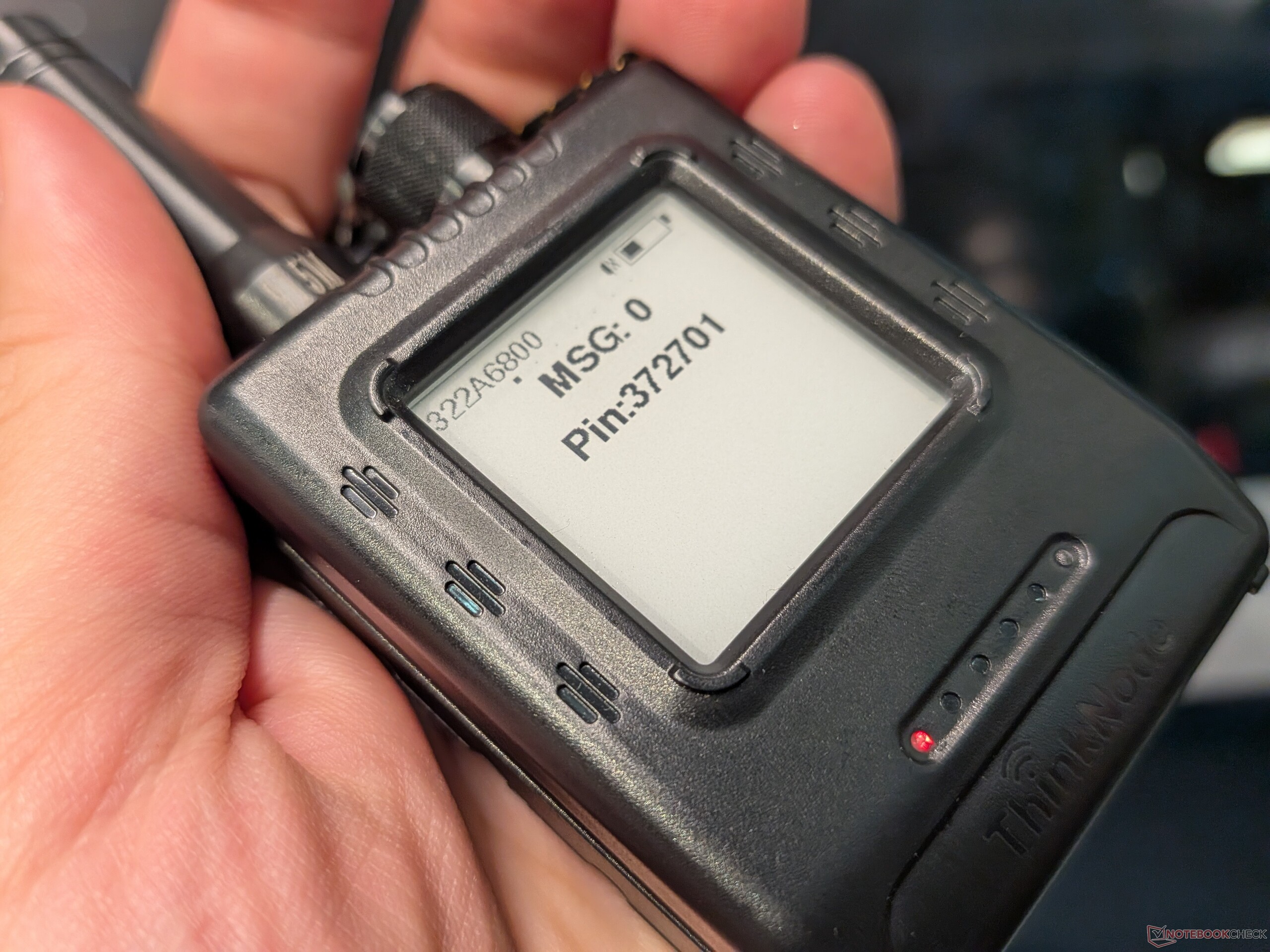
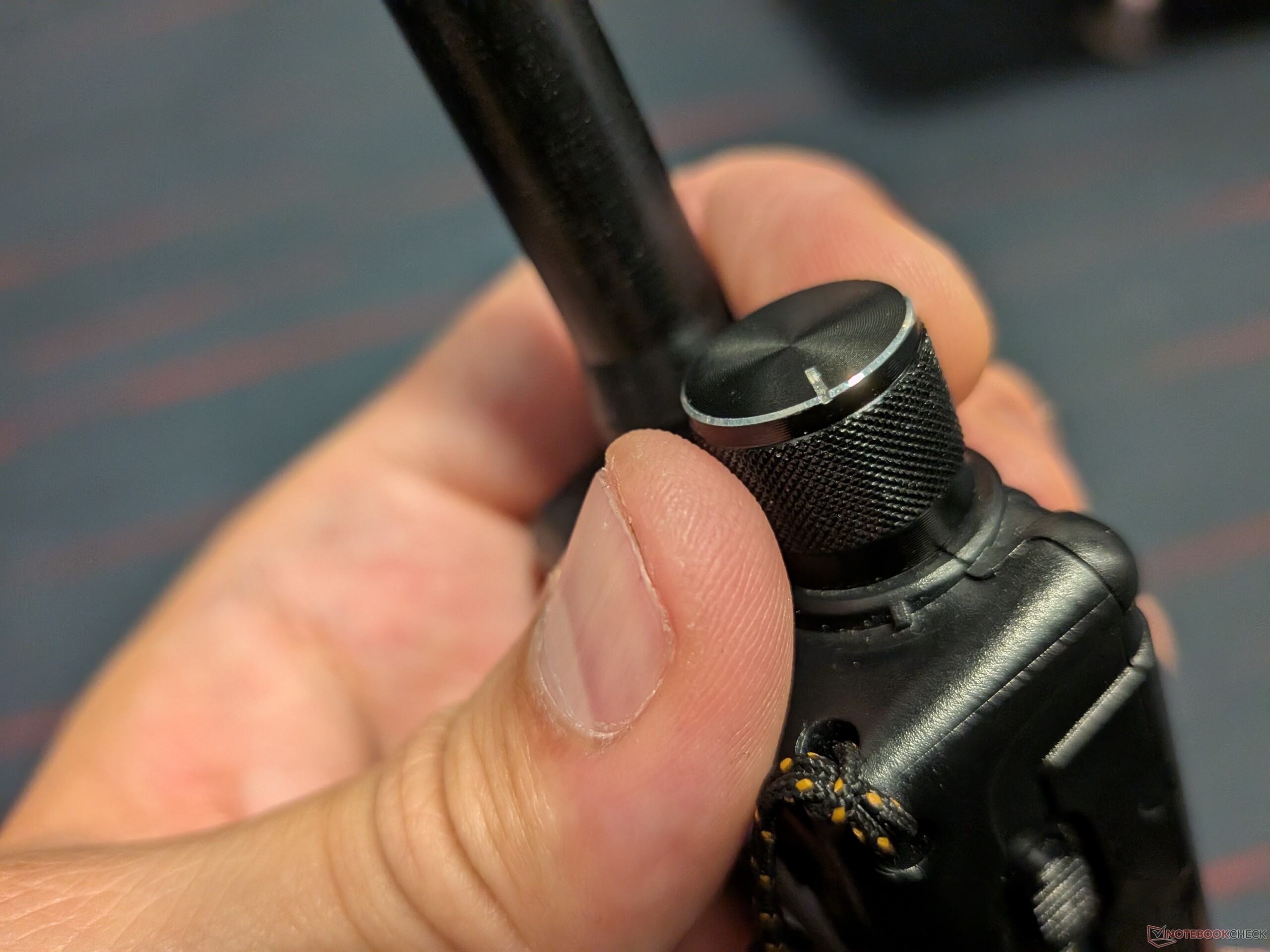
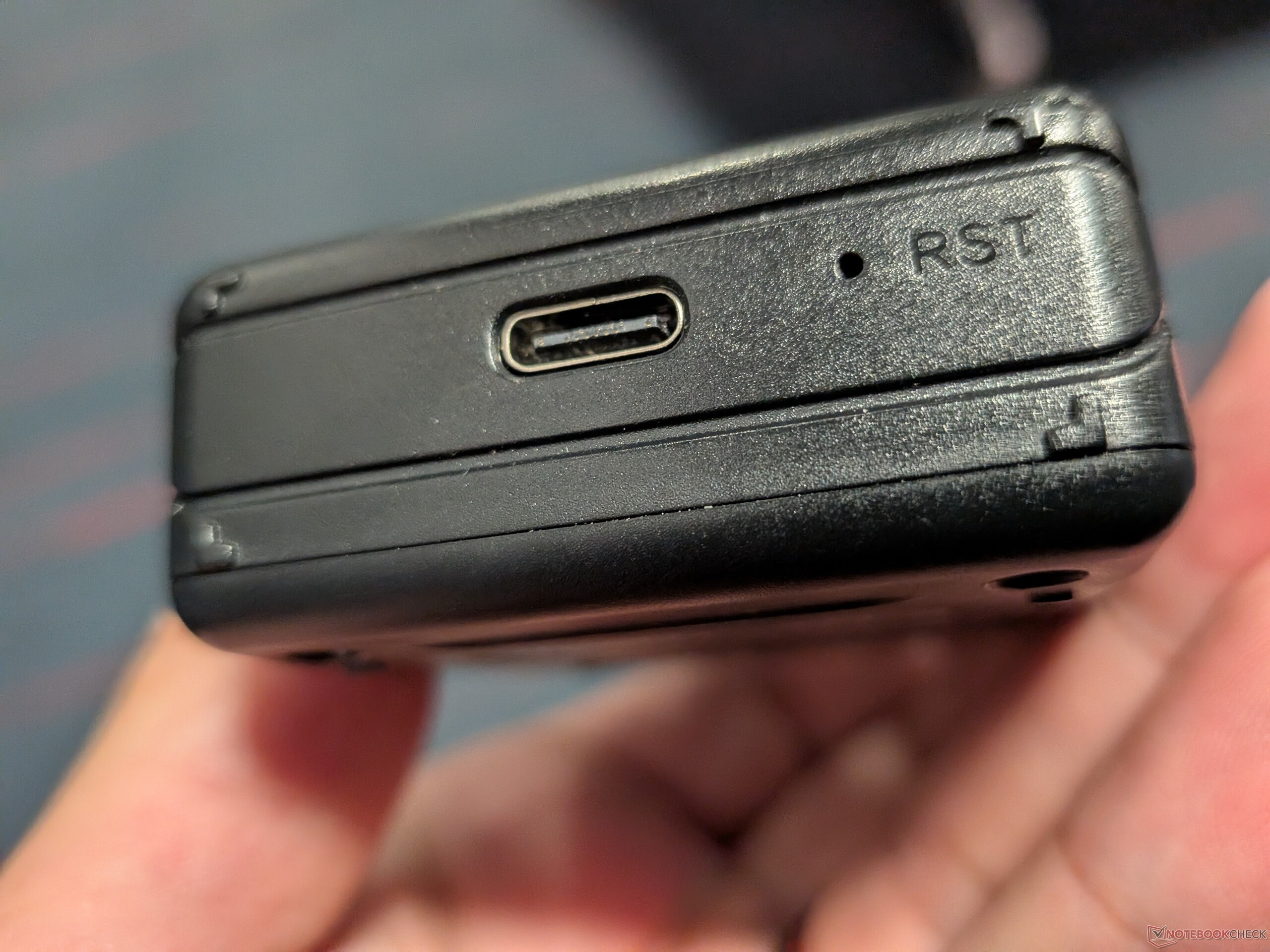
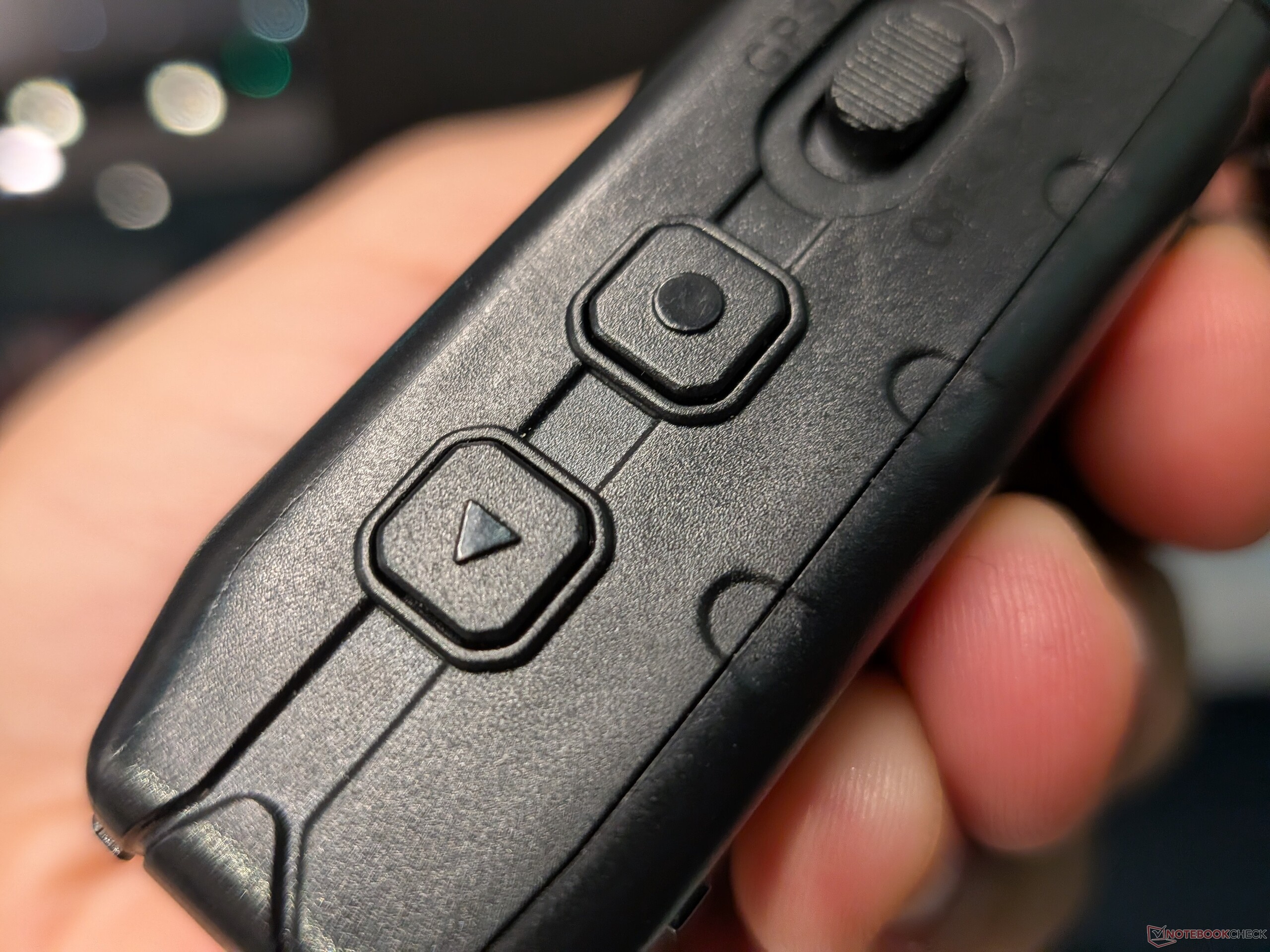
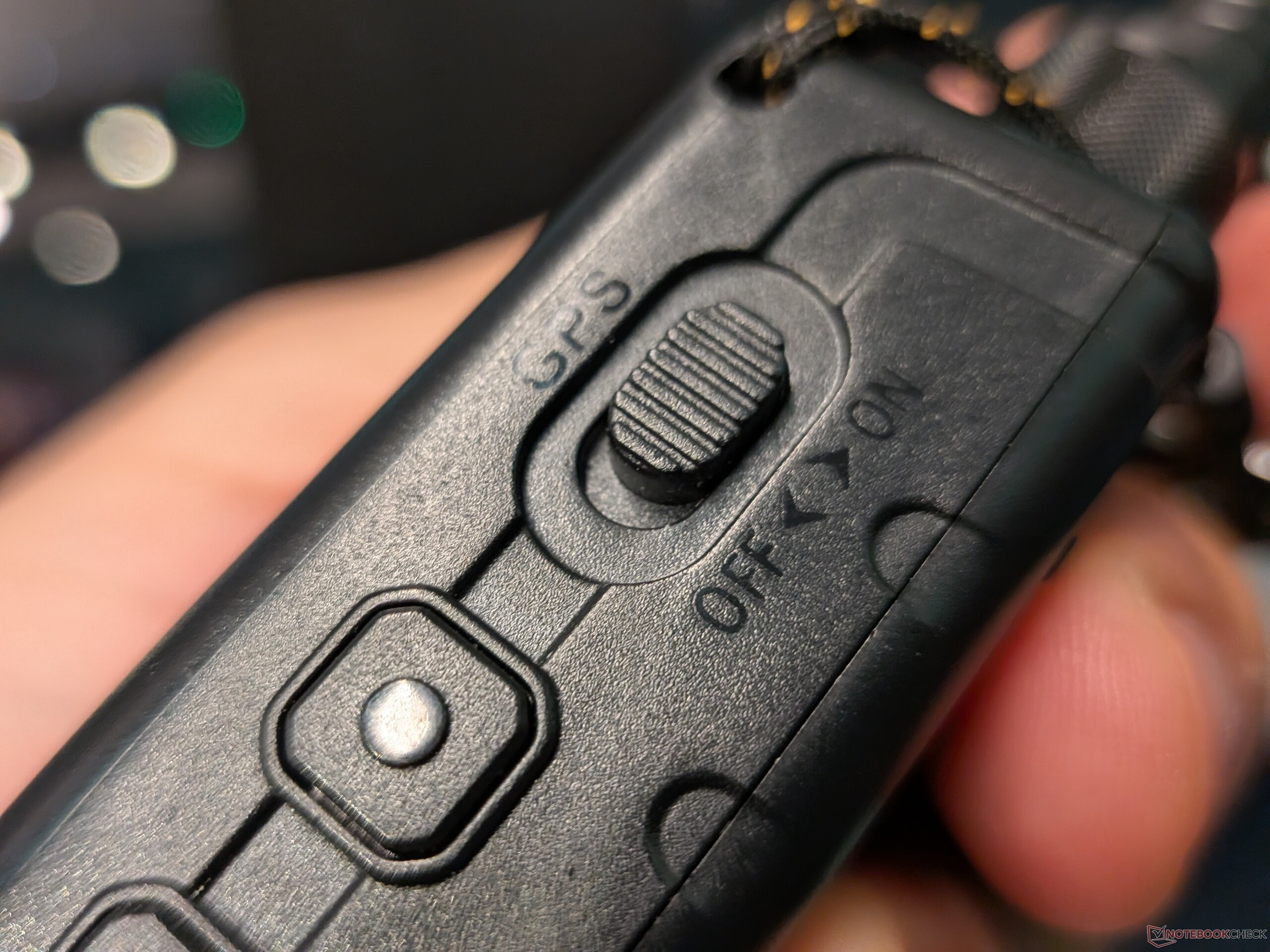
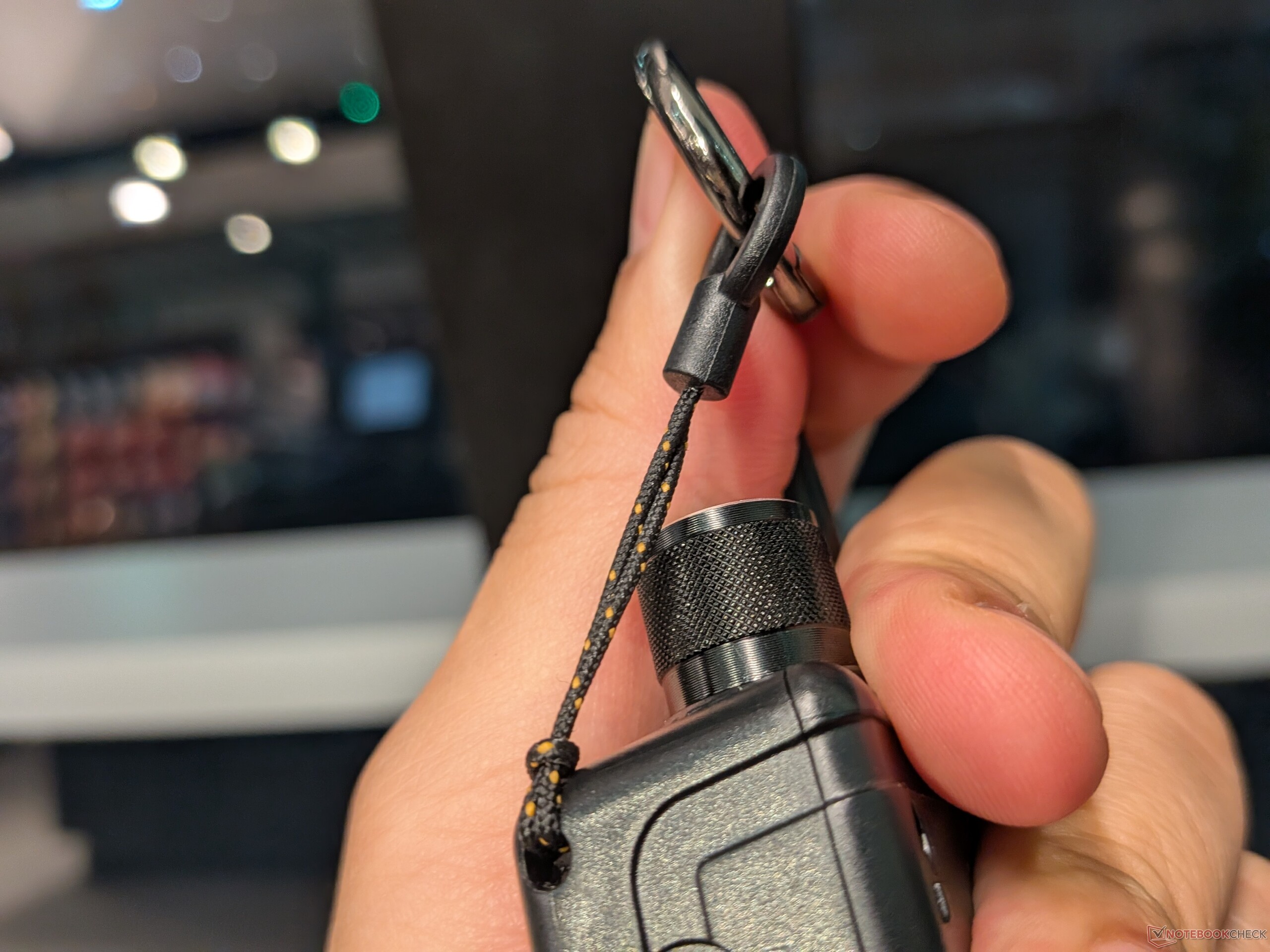
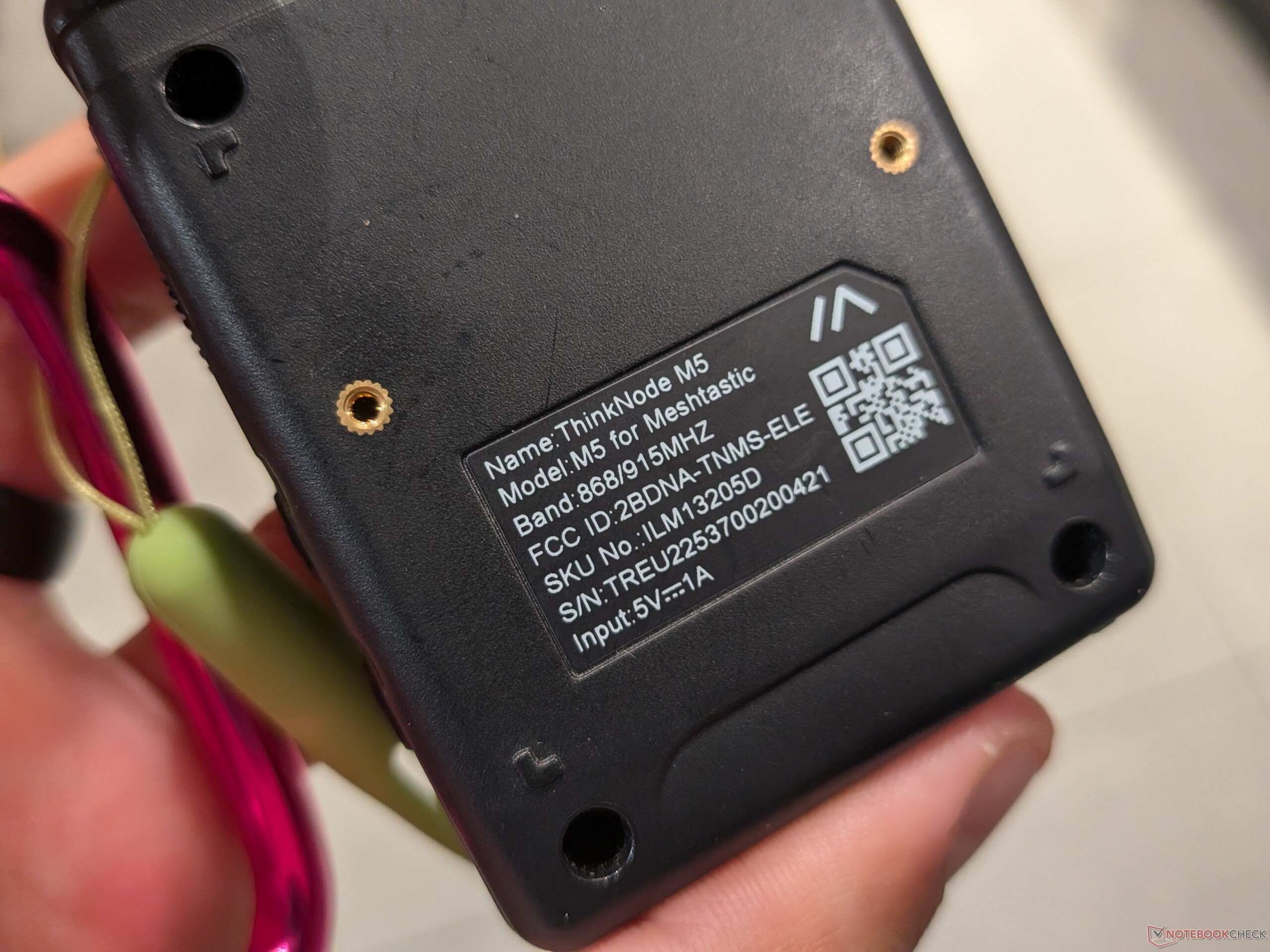
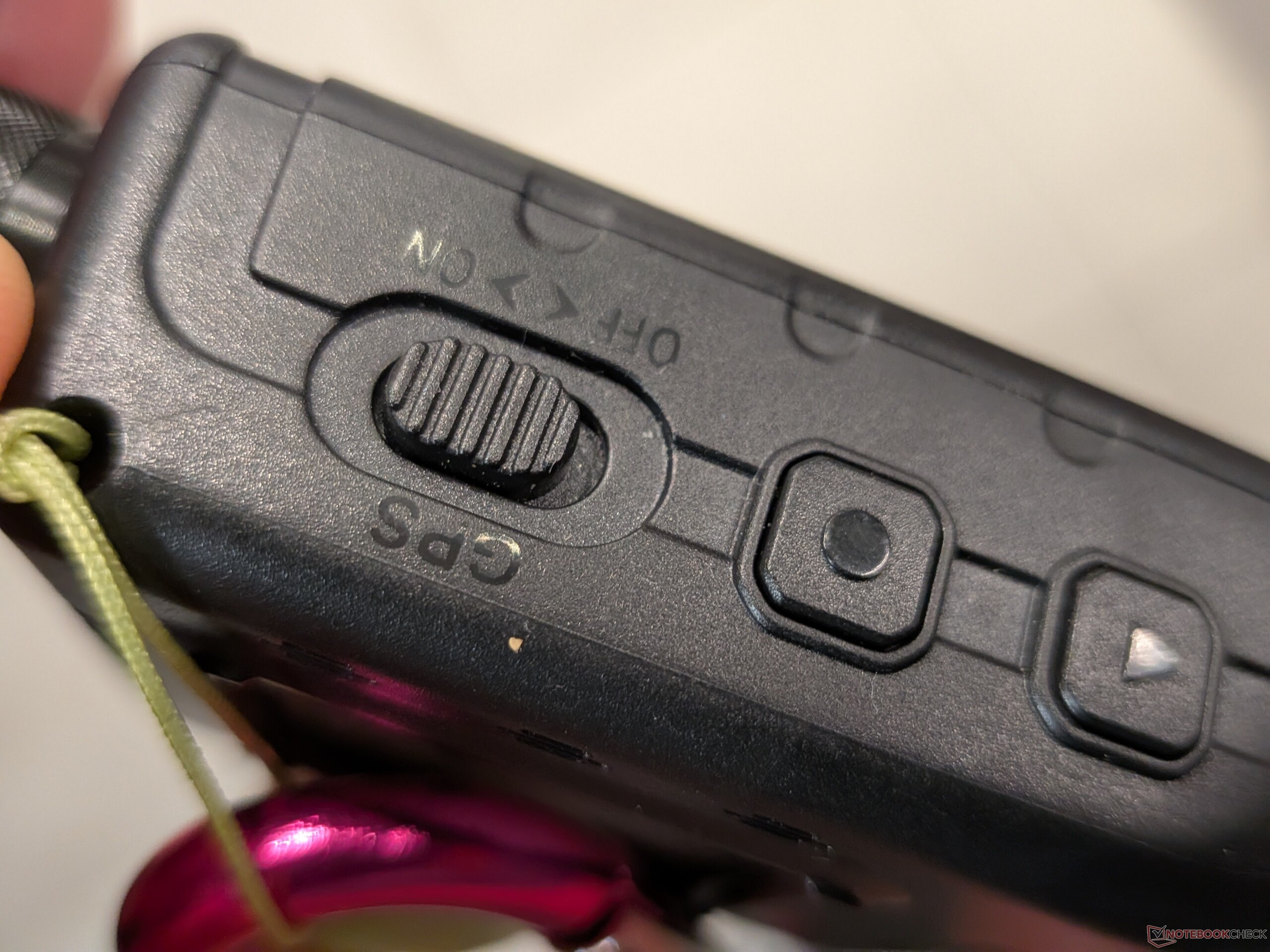
Both units arrived in secure plastic cases and were largely ready to go out of the box. They both feature two function buttons, GPS switch, an antenna, rotary dial, and small e-ink display. After a quick charge, the units were ready to pair to a smartphone.
Both of these units come flashed with Meshtastic firmware out of the box. For the uninitiated, Meshtastic is a decentralized, LoRa-based mesh networking protocol designed for off-grid text communication. This is an expansive ecosystem if users already have a large local network to tap into. However, when scanning the local airwaves around Chesapeake, Virginia, during testing, the airwaves were completely quiet. Consequently, Meshtastic as a whole felt cumbersome and did not offer an experience that felt "grab-and-go," which is a stark contrast to the physical radios themselves, which are exceedingly simple to operate. Still, the default software lacked immediate local utility, despite both units working as expected with the Meshtastic app and as hardware.

MeshCore and field testing
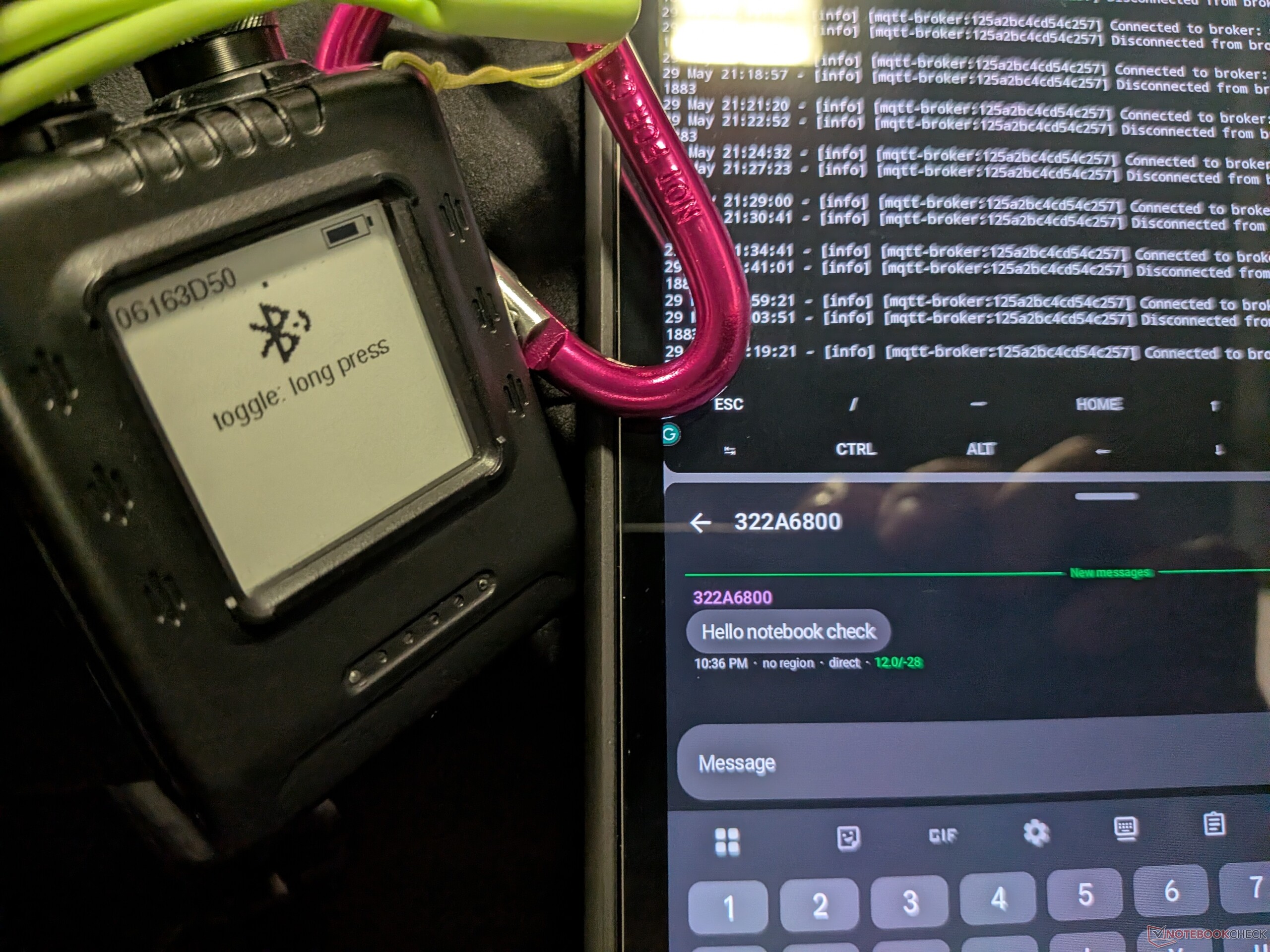
To unlock their true potential, both units were flashed with MeshCore, which was very easy and largely addressed the initial setup friction. Doing this made it simple to establish a private channel between the two radios. However, with no one else to talk to, the testing process had to evolve. Shifting focus from standard communication, the units were challenged with the feasibility of creating a closed feedback system to get environmental and device data without the use of traditional mobile networks. By utilizing an Android tablet in the car as a makeshift base station, an MQTT broker was created to trigger communication between the radios and transmit the desired data. Leveraging KiekR, Termux, MeshCore, and both radios, it was entirely possible to create a reliable mobile-to-mobile network. This setup successfully transformed the ThinkNodes into robust base stations, providing a persistent network that MeshCore users can join to access the same information. The fact that this setup had the community software support to deploy speaks to the growing prominence of LoRa-based communication, and it is great to see brands like Elecrow putting quality devices on the network.
Conclusion
The Elecrow ThinkNode M1 and M5 are well-built tools for anyone interested in getting into LoRa communications. By offering two distinct hardware architectures in identical, highly polished shells, Elecrow caters to both power-conscious users and those who need more slightly more processing power. While the initial Meshtastic experience might require an established local community to be truly plug-and-play, the ease of pivoting to platforms like MeshCore keeps options wide open. For those willing to dive into the technical rabbit holes, these solid communicators are an easy choice.
Transparency
The selection of devices to be reviewed is made by our editorial team. The test sample was given to the author by the manufacturer free of charge for the purposes of review. There was no third-party influence on this review, nor did the manufacturer receive a copy of this review before publication. There was no obligation to publish this review. As an independent media company, Notebookcheck is not subjected to the authority of manufacturers, retailers or publishers.
 Add as a preferred source on Google


