Thermal Grizzly launches a baking pan for CPUs — and it actually goes in the oven
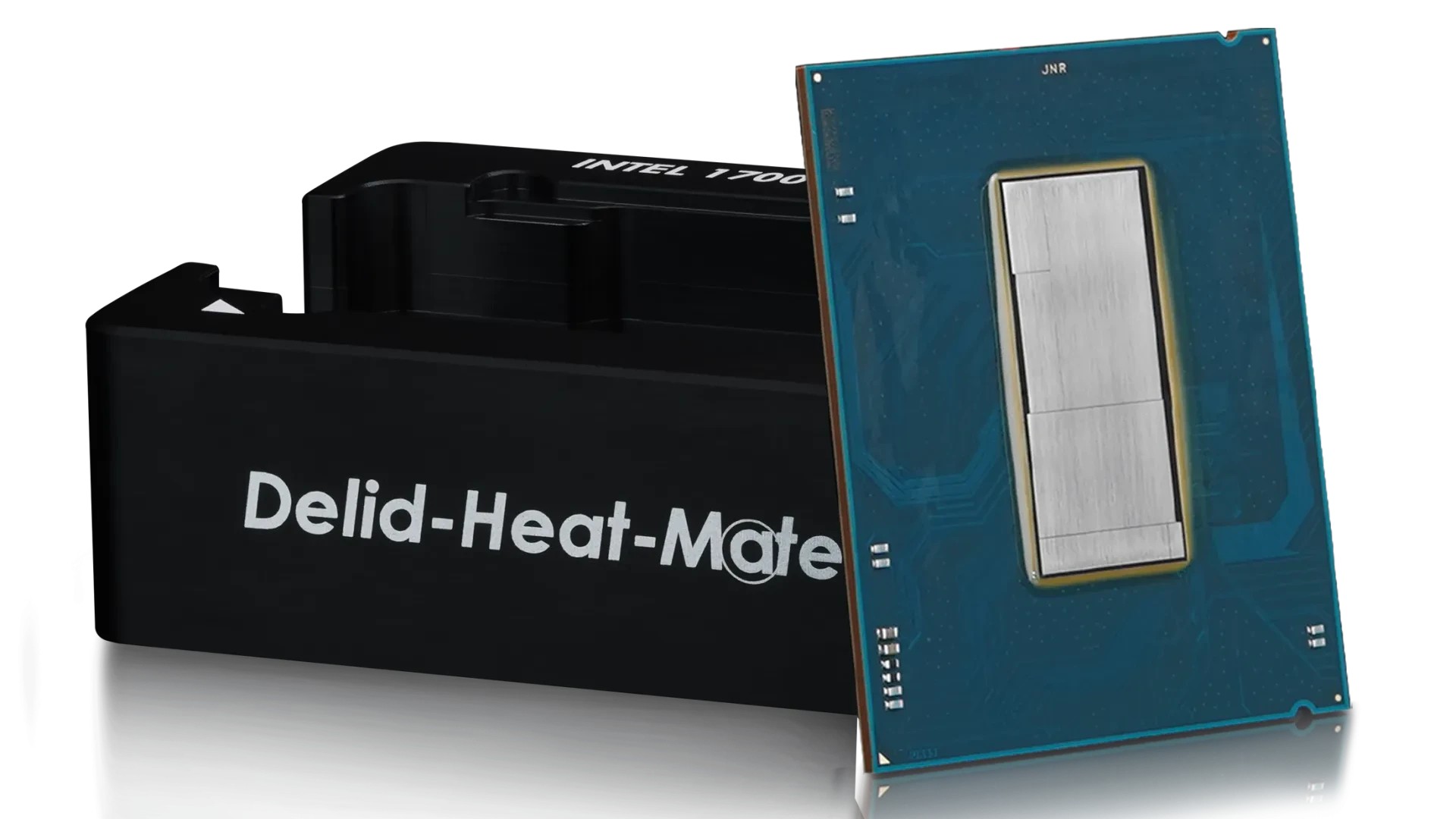
Thermal Grizzly has introduced an unusual accessory for PC enthusiasts who want to improve their processor cooling: an aluminum fixture designed to hold CPUs while they are heated in a conventional oven. Called the Delid-Heat-Mate, the device is intended to simplify the delidding, the process of removing a processor's integrated heat spreader (IHS).
The Delid-Heat-Mate is designed to work alongside Thermal Grizzly’s Delid-Die-Mate tools and supports AMD AM5 processors as well as Intel LGA 1700, LGA 1851 and even future LGA 1954 CPUs. It is essentially a small metal holder that keeps a CPU in the correct position during heating, allowing the heat spreader to detach without repeated mechanical force.
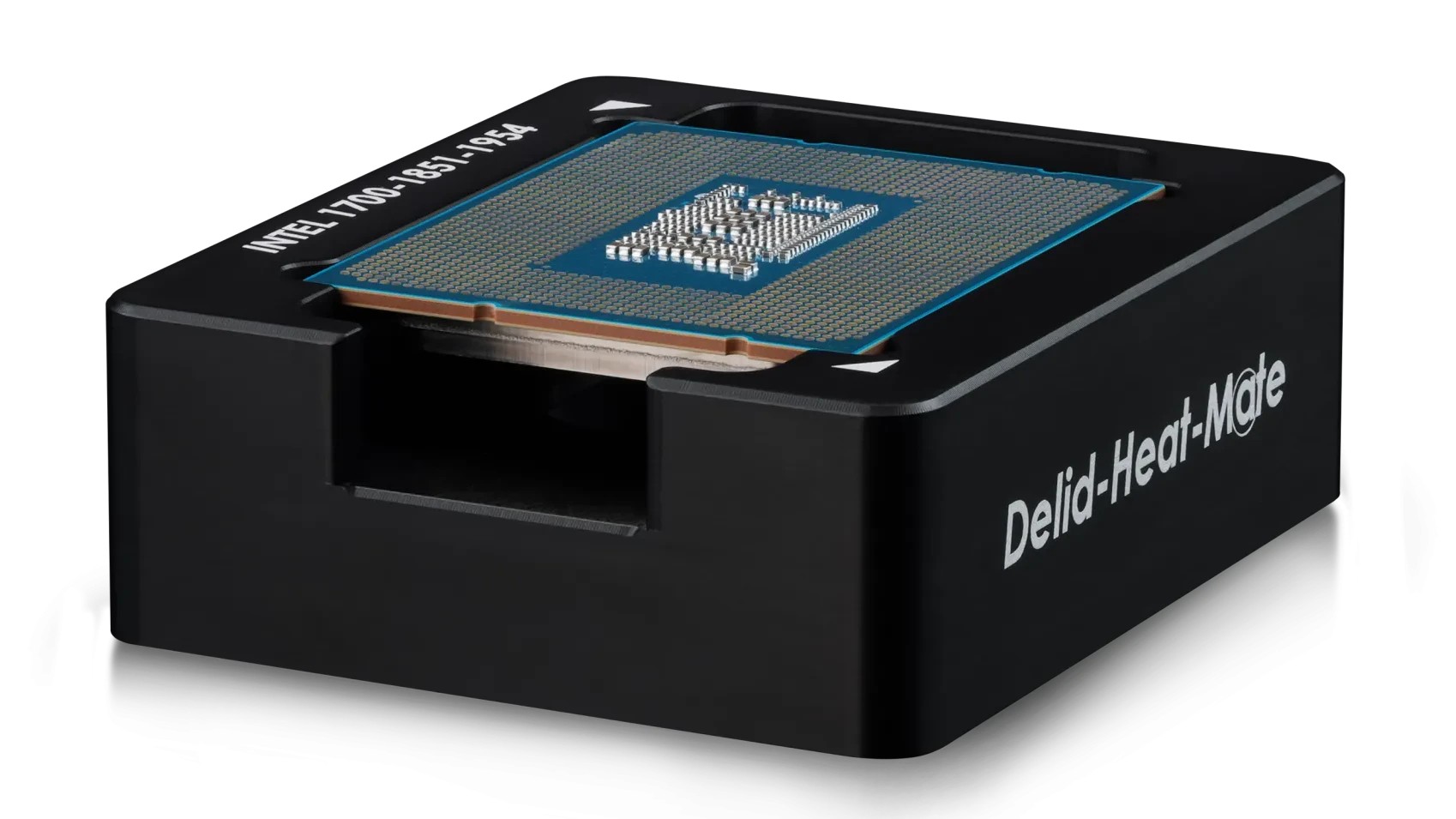
The process involves two stages. First, users loosen the heat spreader using a compatible delidding tool, such as Thermal Grizzly’s Delid-Die-Mate. The CPU is then placed upside down in the Delid-Heat-Mate, with the heat spreader facing down, and heated in an oven.
Thermal Grizzly recommends setting the oven to 165–175 °C and warns that the temperature must never exceed 180 °C. At these temperatures, the indium solder connecting the heat spreader to the silicon die softens, allowing the metal cover to separate under its own weight. The company says the process typically takes 10–15 minutes.
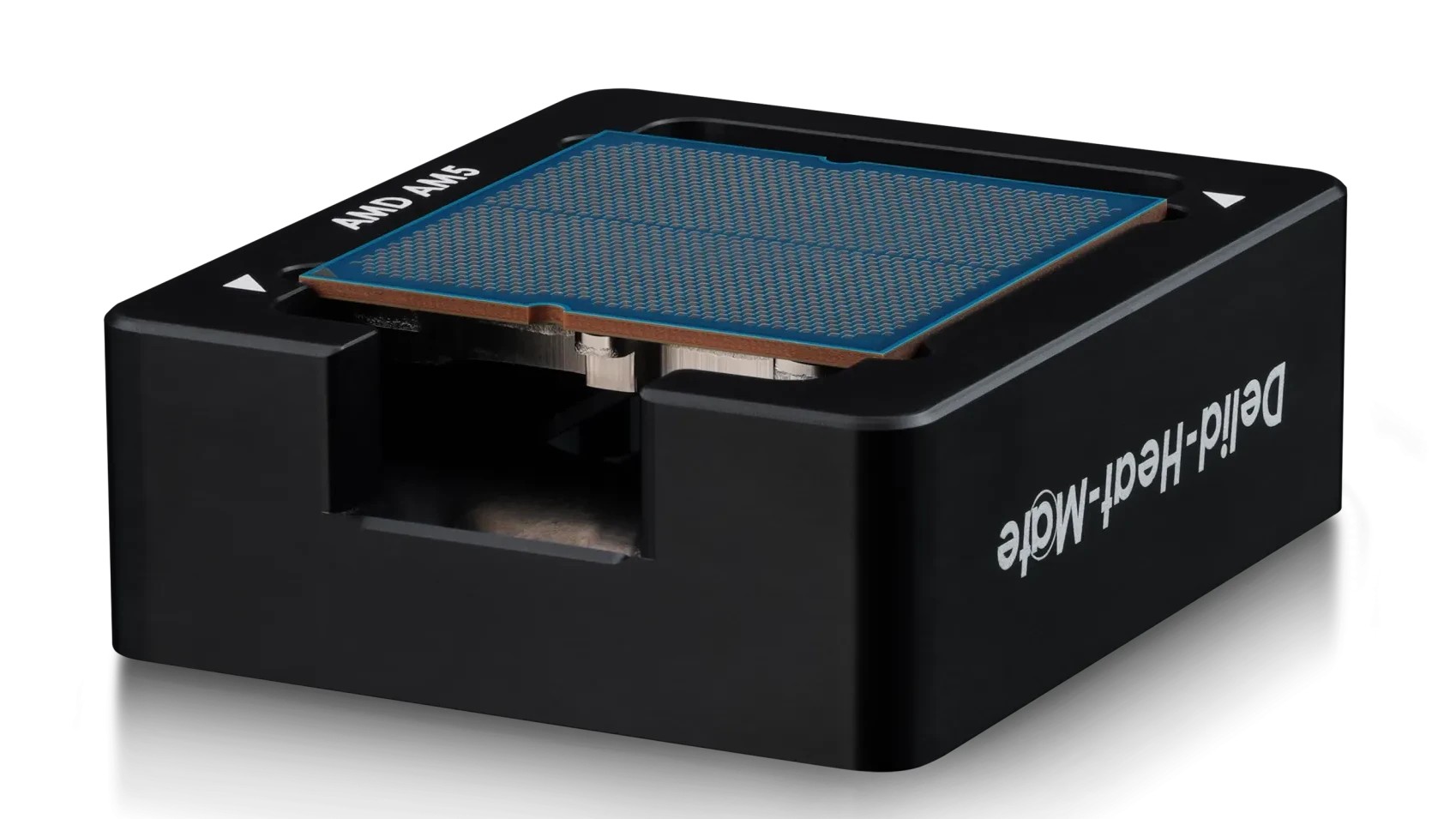
Heating reduces the need to repeatedly move the heat spreader back and forth, helping to minimize mechanical stress on the silicon die and the risk of damaging small components on the processor's circuit board. Thermal Grizzly recommends this two-stage approach for all supported processors, but says it is necessary for Intel Core Ultra CPUs using the LGA 1851 and LGA 1954 sockets.
Delidding can potentially improve cooling by replacing the factory thermal interface between the silicon die and heat spreader. Removing the heat spreader can also enable compatible direct-die cooling solutions, in which the cooler makes direct contact with the silicon die, potentially lowering temperatures and providing more thermal headroom.
The Delid-Heat-Mate is listed on Thermal Grizzly’s website for $23.28. The company warns that delidding can void the processor manufacturer’s warranty and can permanently damage a CPU if performed incorrectly. It also advises against using a microwave, iron or heat gun to heat processors.
 Add as a preferred source on Google