




The Snapdragon X is two years old and still better than Intel Wildcat Lake
Repurposing old technology to sell as new is common in the technology space. Both Intel and AMD have been doing it a lot with their processors, especially in the budget space. At least Intel has released a new option this year, though: Wildcat Lake, which does not reuse older architectures or process nodes and instead offers a significantly cut-down version of Panther Lake.
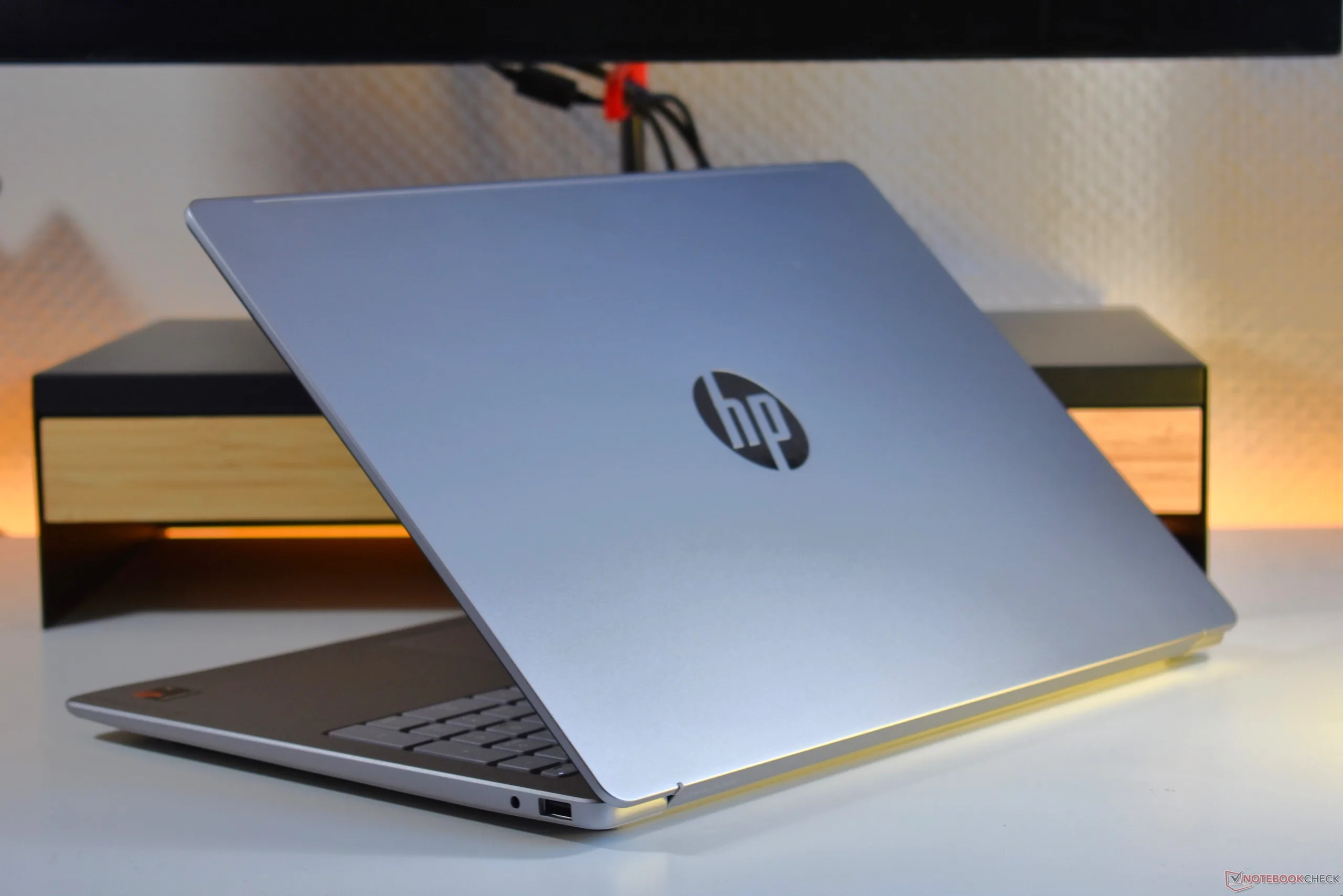
The other big player in the laptop space (besides the new player Nvidia) is Qualcomm. And unlike Intel and AMD, Qualcomm has, so far, not been rebranding older chips. Its current budget option, at least apart from the Snapdragon C series, is still the Qualcomm Snapdragon X X1-26-100 - introduced in early 2025 and a part of the first gen Snapdragon X series chips. Despite the Qualcomm Snapdragon X2 Plus and X2 Elite series CPU already being available, the Snapdragon X is still put into new laptops, such as the HP OmniBook 3 16 we recently reviewed.
In our comprehensive review, we found the reason why Qualcomm probably has not released a new Snapdragon X2 base variant yet. Put simply, the old Snapdragon X is still competitive. Compared against the Intel Wildcat Lake equipped Lenovo IdeaPad Slim 3, the OmniBook outperformed it handily in most metrics. It was around 20 percent faster in terms of multicore performance, delivered a far longer battery life (albeit also with a bigger battery) and it ran less loud. On the flipside, the IdeaPad delivered a better singlecore (plus 23 percent) performance and it did ran a bit cooler.
Still: if you buy a budget laptop, picking one with the Qualcomm Snapdragon X is not a bad idea. The possible compatibility woes of the Windows-on-ARM platform matter less in this market, and the overall user experience provided by the CPU was excellent.
 Add as a preferred source on Google


No comments for this article
