




Tesla supplier preps mass sodium-ion battery production
As Chinese battery makers rule the nascent sodium-ion battery industry, one of the key Tesla suppliers - LG - is trying to break their near monopoly on the promising technology.
The Korean company supplies 2170 cells for many a Tesla EV, including the Model Y sold in the US, and is now embarking on a mass sodium-ion battery production project. It is already developing the chemistry at the R&D phase and will build a pilot line at the Nanjing factory where it makes batteries for the Tesla Model Y and Model 3.
The goal is to initiate sample sodium-ion battery production this year and then start equipping electric vehicles and energy storage systems with the safer. more affordable technology. LG has signed an agreement with Sinopec over key sodium-ion battery electrode materials to secure a stable supply chain, too.
Sodium-ion batteries replace expensive Li with abundant Na as a key ion transfer material and can be superior to the widespread LFP chemistry in terms of manufacturing costs, safety, and operational performance in subzero temperatures. There are already commerical products like the first Na-ion jump starter available on Amazon that leverage these advantages. The world's largest battery maker CATL has cracked the energy density code of Na-ion cells with its Naxtra packs, too, so LG has the work cut out for it before introducing the first mass-produced battery with sodium-ion chemistry from a Korean company.
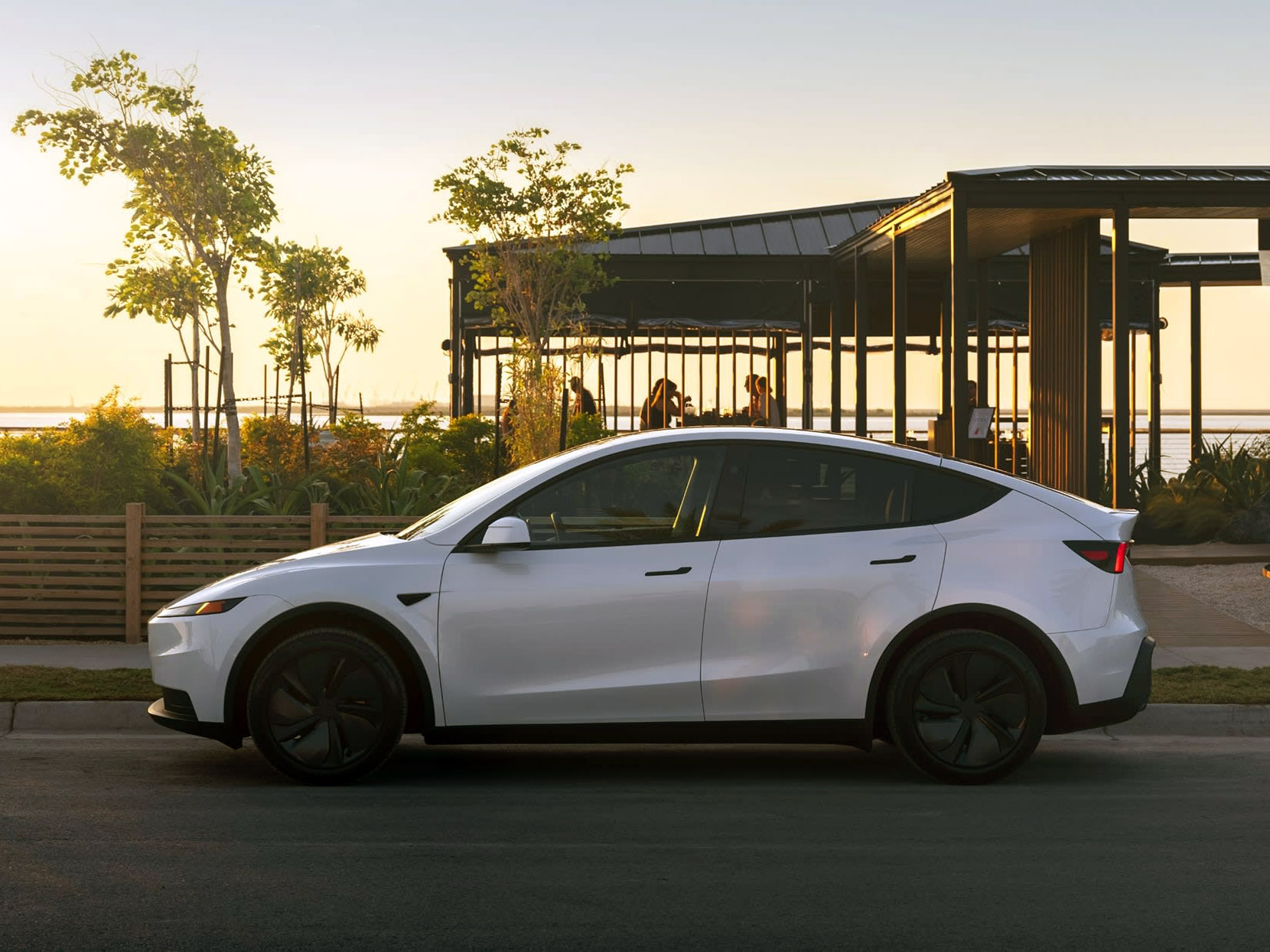
Tesla recently upgraded the range of its bestselling Model Y and Model 3 electric vehicles by equipping them with new LG batteries. The NCM811 2170 cells come with higher energy density hence offer more capacity in the same footprint, allowing Tesla to increase the official range estimates of the 2026 Model Y.
What's even more important, however, is that the new batteries can deliver a 256 kW peak charging rate and sustain the curve flatter for longer, allowing for faster charging than before. While some repair shops have raised doubts about the longevity of the LG battery packs in Tesla vehicles compared to Panasonic ones, it is not clear if they had tested the new cells with higher energy density, or the old ones. In any case, LG is to remain one of Tesla's major battery suppliers, potentially throwing affordable sodium-ion packs into the mix.
Source(s)
 Add as a preferred source on Google


