




Sodium-ion batteries enter winter EV tests as CATL and BYD hedge soaring lithium prices
After peaking at more than $80,000 a ton in 2022, the price of EV battery-grade lithium carbonate nosedived to under $10,000 last year as supply rose exponentially while electric vehicle demand softened.
This halted a lot of lithium mining and sodium-ion battery production projects since the drastic drop in lithium prices made those unprofitable. Now, however, lithium prices are rocketing again on artificial supply squeezes like closing down mines with regulatory measures in China while the energy storage and EV industry exports are booming.
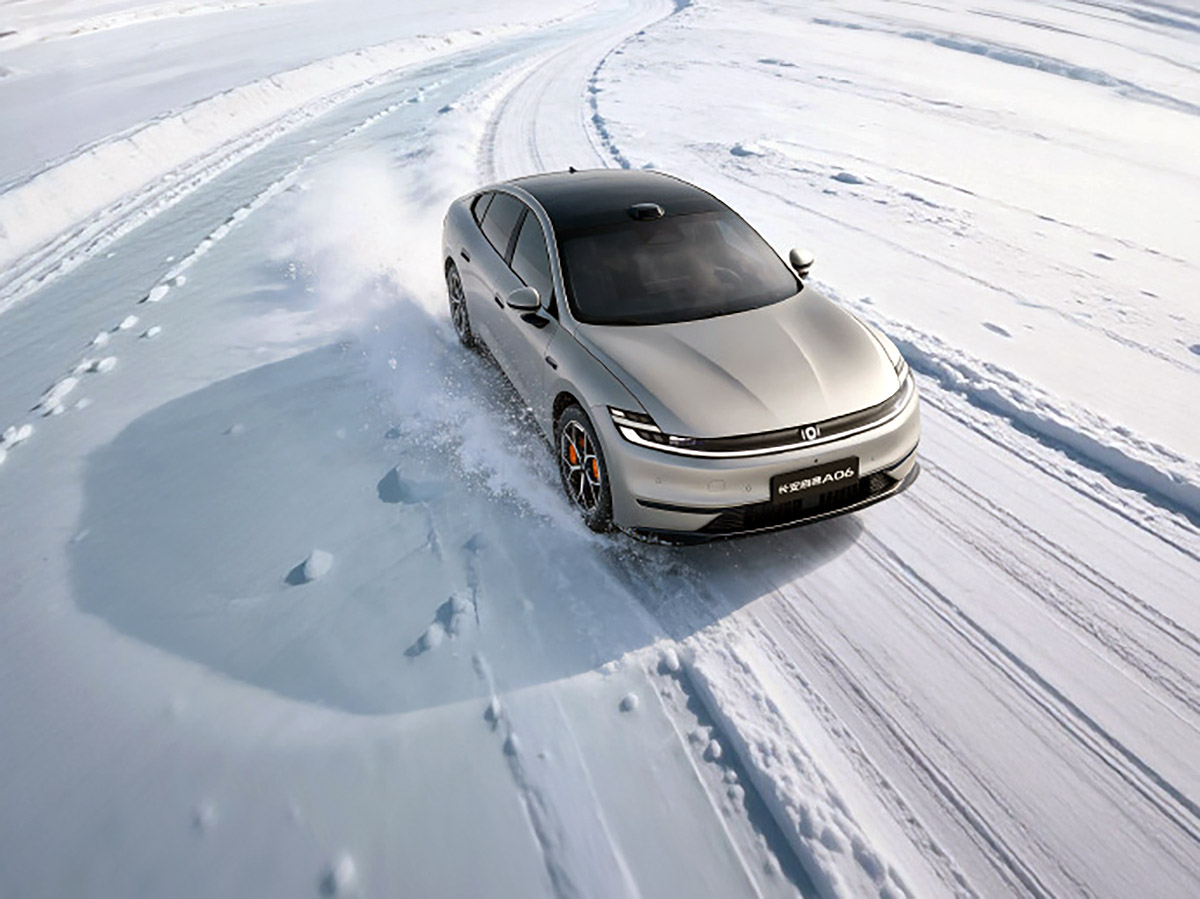
The price went from $17,000 back in December to $26,000 in January, making the two biggest battery makers, BYD and CATL, unfreeze their commercial sodium-ion production projects. Speaking of freezing temps, CATL has now begun cold-weather testing of its Naxtra sodium-ion battery pack in retail passenger vehicles from Chinese EV makers like Changan.
One of those, Changan, said that the results of the CATL sodium-ion battery cold weather testing with its Oshan series sedan in Inner Mongolia will be detailed on February 5. The Yakshi, Hulunbuir winter testing ground, is currently experiencing temperatures that plunge down to -35°C (-31°F), or about the limit for Na-ion battery charging tests.
CATL recently unveiled a sodium-ion battery pack for commercial vehicles that retains 90% of its capacity at -40 degrees and can be charged normally even at -30°C (-22°F). This is the big promise of sodium-ion batteries that makes them suitable for all weather conditions. They are also safer since there is no volatile lithium inside and more affordable than LFP batteries again now that lithium prices are rising.
Sodium-ion batteries can replace half of the current LFP chemistry darlings in mass-market electric vehicles, according to CATL's CEO, so it would be interesting to follow how the cold-weather Naxtra battery tests with real passenger vehicles have progressed.
 Add as a preferred source on Google


