




First sodium-ion battery EV debuts for the mass market after brutal arctic temperature tests
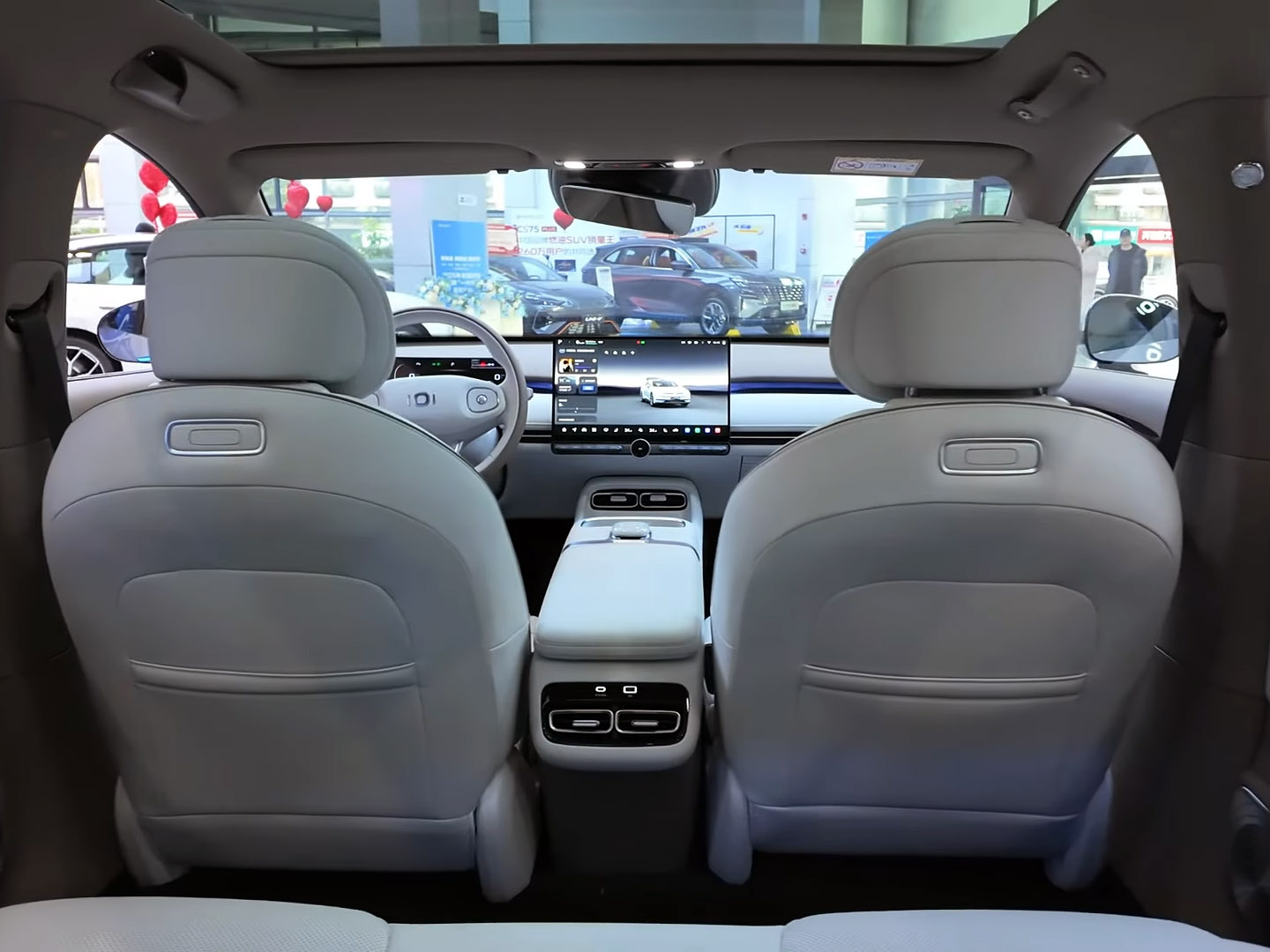
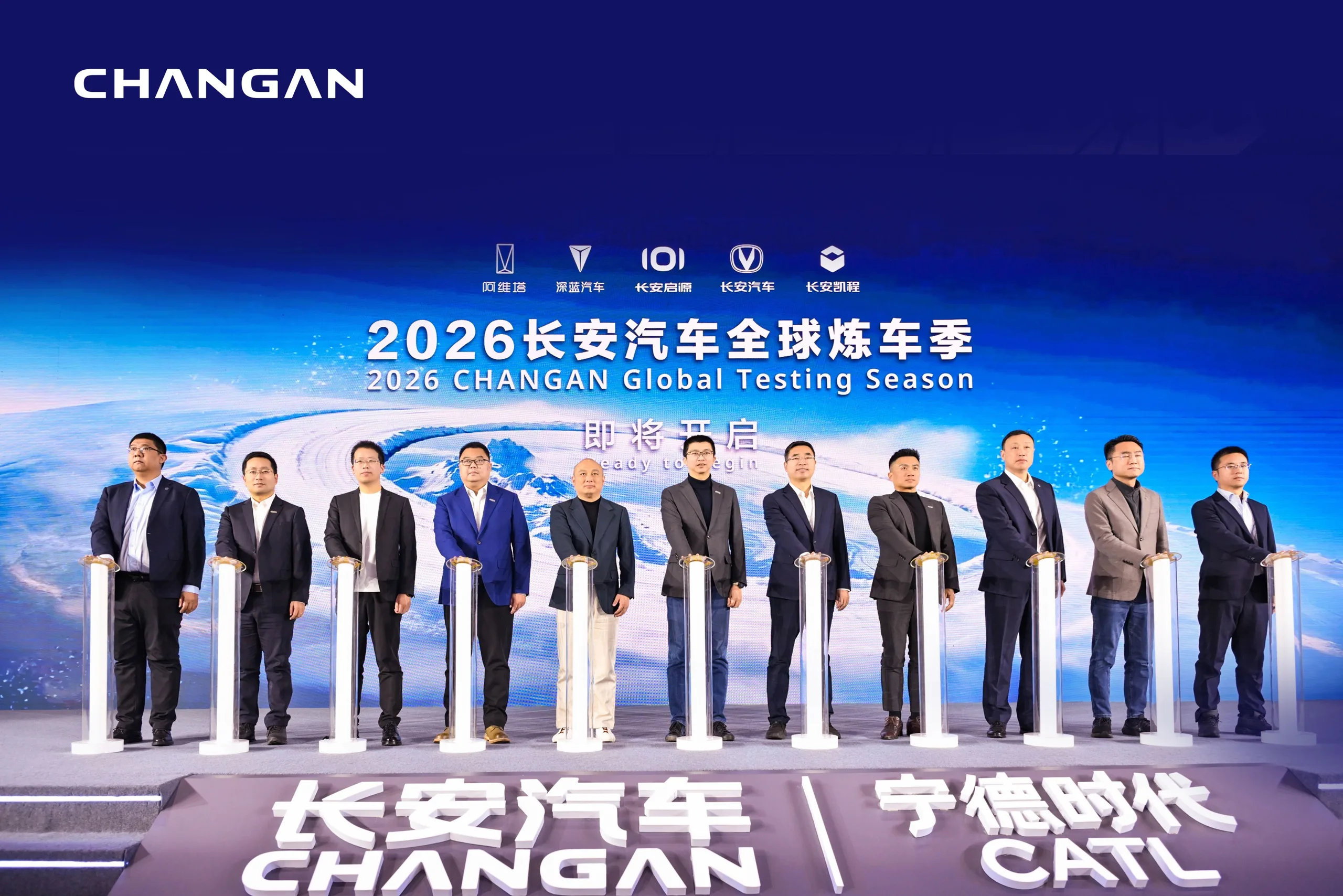
Just as promised, CATL and Changan have jointly announced the world's first passenger car with a sodium-ion battery slated for mass production.
The two companies made the announcement after the Nevo A06 sedan passed winter performance tests at arctic temperatures with flying colors, demonstrating the car's ability to charge normally at temperatures of -30°C (-22°F) and operate even at -50°C (-58°F).
The Changan Nevo A06 is equipped with CATL's Naxtra pack, the world's first sodium-ion battery certified for passenger vehicles in terms of safety and performance. Sodium-ion batteries are back in vogue after the drastic jump in the price of battery-grade lithium carbonate, making them more affordable than the usual LFP battery chemistry in mass-market EVs again.
CATL's Naxtra battery offers energy density and range similar to LFP ones but with other advantages besides cost. It, for example, can deliver three times more kW at -30°C (-22°F) than LFP batteries and retains 90% of its original capacity even at -40 degrees. This makes the first passenger sedan with a sodium-ion battery extremely suitable for cold weather usage, as an expensive large-capacity pack or a heated garage is not needed.
Next in line of Na-ion battery advantages is their excellent safety profile. The first jump starter with a sodium-ion battery that is available on Amazon at a 30% discount can be safely thrown in the trunk and forgotten in any temperature, from Arizona to Alaska, without worries that it will spontaneously combust or lose capacity.
Since there is no volatile, flammable lithium electrolyte, the sodium-ion battery of CATL has been tested to the extreme. It has been smashed, drilled through, heated, and even sawn in half while fully charged, and it kept discharging after that without any issues.
While the current commercially available Naxtra pack that is in the Nevo A06 offers a modest 45 kWh capacity, CATL said that it will make 300-mile sodium-ion batteries for Changan and other automakers next, now that the Na-ion battery chemistry is going mainstream to counter the rising price of lithium.
 Add as a preferred source on Google


