




Tesla's first production Cybercab granted wireless charging nod as New York balks at robotaxis
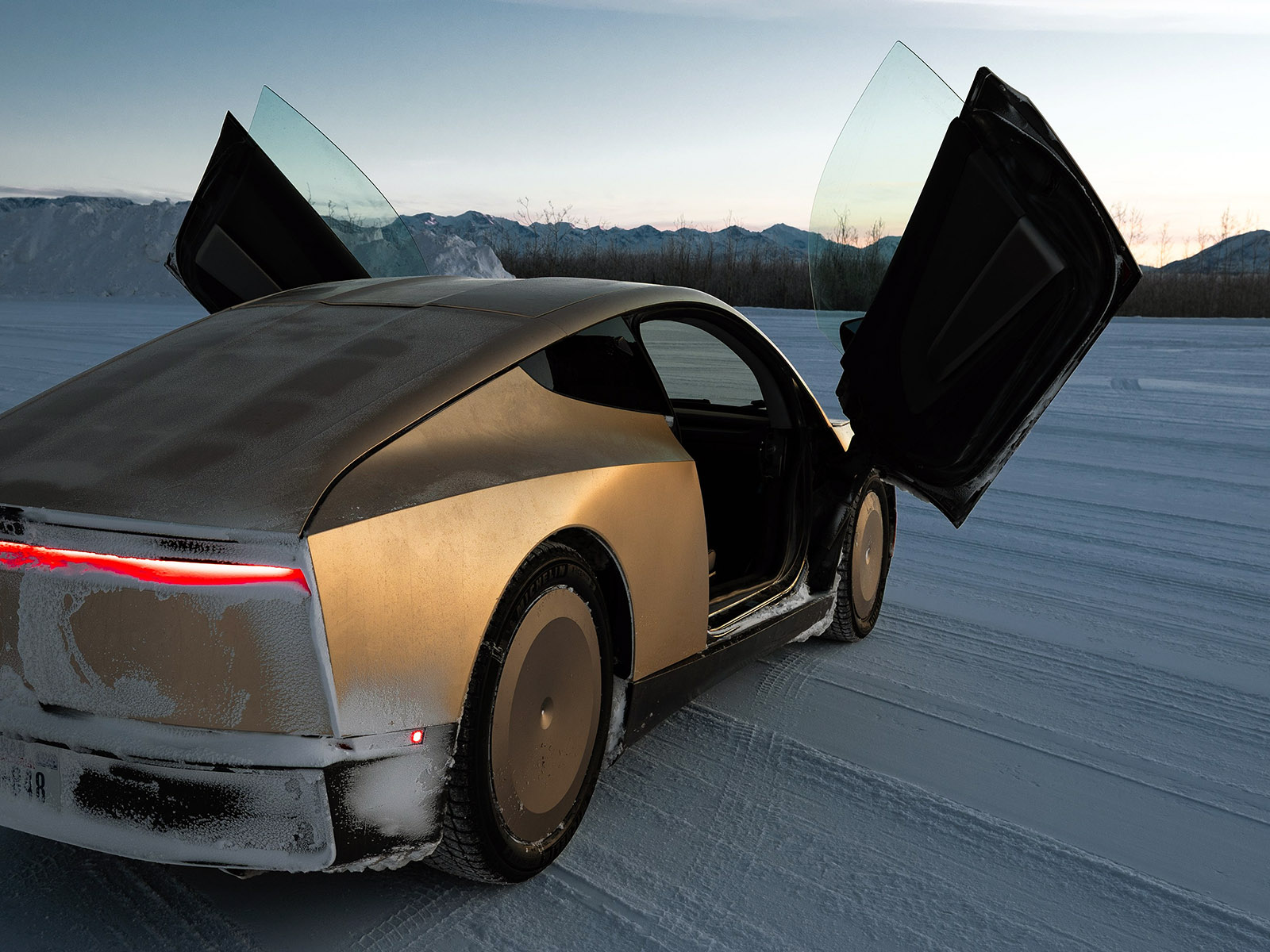
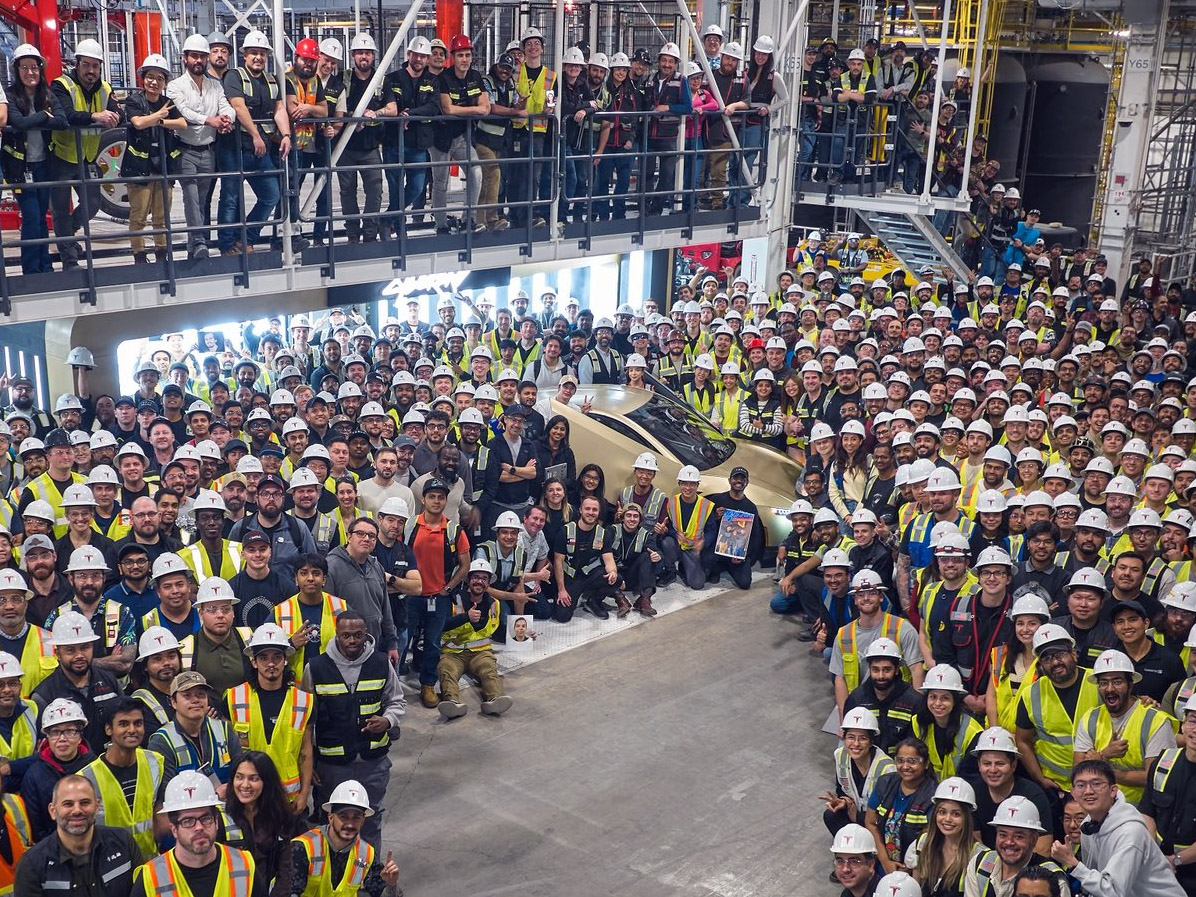
The first redesigned Cybercab robotaxi that will be cruising the streets as a ride-share vehicle in the US later this year has gone off the production line at Tesla's Gigafactory in Texas.
Tesla said that it will add the Cybercab two-seaters to its Robotaxi platform in June and is moving along with their production. The new Cybercab still comes without pedals or a steering wheel but has been given a slight facelift since the original prototype shown at the unveiling event.
Perhaps the most important change is Tesla's tacit admission that a single monowiper on the Cybertruck doesn't work well, so it has fitted the Cybercab with a regular pair instead. There are now more comfortable seat cushions and new carpet in the cabin, as well as a redesigned trunk with more durable composite material lining. The windows are now frameless, while the front light bar has been integrated with the headlights. Tesla updated the ambient lighting of the cabin, installed two USB-C charging ports in the central console, and pushed the huge 21-inch screen into the dash to free up cabin space.
Tesla Cybercab robotaxi launch
Tesla will now slowly ramp up Cybercab assembly to hit its mass production milestone in April, and Elon Musk promised that people will be able to buy it before the end of the year. It remains to be seen if there will be any demand for the autonomous two-seater at the expected $30,000 price that Ford said will issue a whole electric pickup truck for in 2027.
It remains to be seen how many cities will allow a driverless, pedal-less car without a steering wheel to roam busy streets as a ride-share vehicle. While Austin, where Tesla's Robotaxi platform launched first, doesn't have any special regulations but the usual insurance and roadworthiness ones, the state of New York just nixed its robotaxi permit plans. "Based on conversations with stakeholders, including in the legislature, it was clear that the support was not there to advance this proposal," said Governor Hochul's office, indicating that the powerful New York taxi cab and ride-share associations may have prevailed.
Wireless Cybercab charging
The compact Cybercab would reportedly have 300 miles of range from a smallish 47 kWh battery, and the pack will sport wireless charging abilities. The infrastructure for that is yet to be built, but the FCC has now granted Tesla an Ultra-Wideband (UWB) exemption for the charging pads so that the Cybercab can align more easily over them.
"When the vehicle approaches the ground pad, the UWB transceivers will operate to track the position of the vehicle to determine when the optimal position has been achieved over the pad before enabling wireless power charging," details the FCC, explaining that it granted a waiver because the signal will be weak and emitted over a very brief period of time so as not to cause interference.
Get the Tesla Universal Wall Connector with 24' Cable on Amazon
 Add as a preferred source on Google


