




Temporal Melo-D AI guitar review: Rethinking musical composition
Lets users play music like a game.
The Tempolar Melo-D is a stringless, foldable smart instrument that utilizes AI to simplify the songwriting process. While AI may alienate traditionalists, its extensive sound library makes it possible to quickly bring musical ideas to life.Stephen Pereyra Published 🇳🇱 🇫🇷 ...
Verdict- Makes music easily, but sacrifices customizability
The Tempolar Melo-D is truly something else. While the Melo-D's use of AI may be a polarizing feature, those who choose to use the Melo-D as a jumping-off point to their musical ambitions, skilled or otherwise, will find a device that may look like a guitar but actually presents a huge variety of sounds and compositions for players to get lost in, even if it subverts what it means to play an instrument and lacks granular control. For the musical purist, this may create some dissonance; however, it is clear that the Melo-D is not trying to replace anything so much as to inspire players to get compositions out of their heads and into the world, and to have fun while doing so.
Pros
Cons
Price and availability
The Tempolar Melo-D AI Guitar is currently available via Kickstarter with early-bird pricing starting at around $399.00, with a planned retail MSRP of $599 upon its official launch.
The Tempolar Melo-D is marketed as the world's first generative AI guitar, designed to bridge the gap between musical ideas and playable compositions without requiring years of practice.
Specifications
| Product Name | Tempolar Melo-D AI Guitar |
| Design | Stringless / Foldable Frame |
| Display | Custom 2.4-inch LCD Touchscreen |
| Interface | LED fretboard / 6 RGB paddles/ Split strumming bar |
| Audio | Built-in speaker |
| Battery | 5000 mAh (Up to 5 Hours with Speaker) |
| Weight | 4.8 lbs (2193 g) |
| Dimensions (Folded) | 468.5 x 243 x 81 mm |
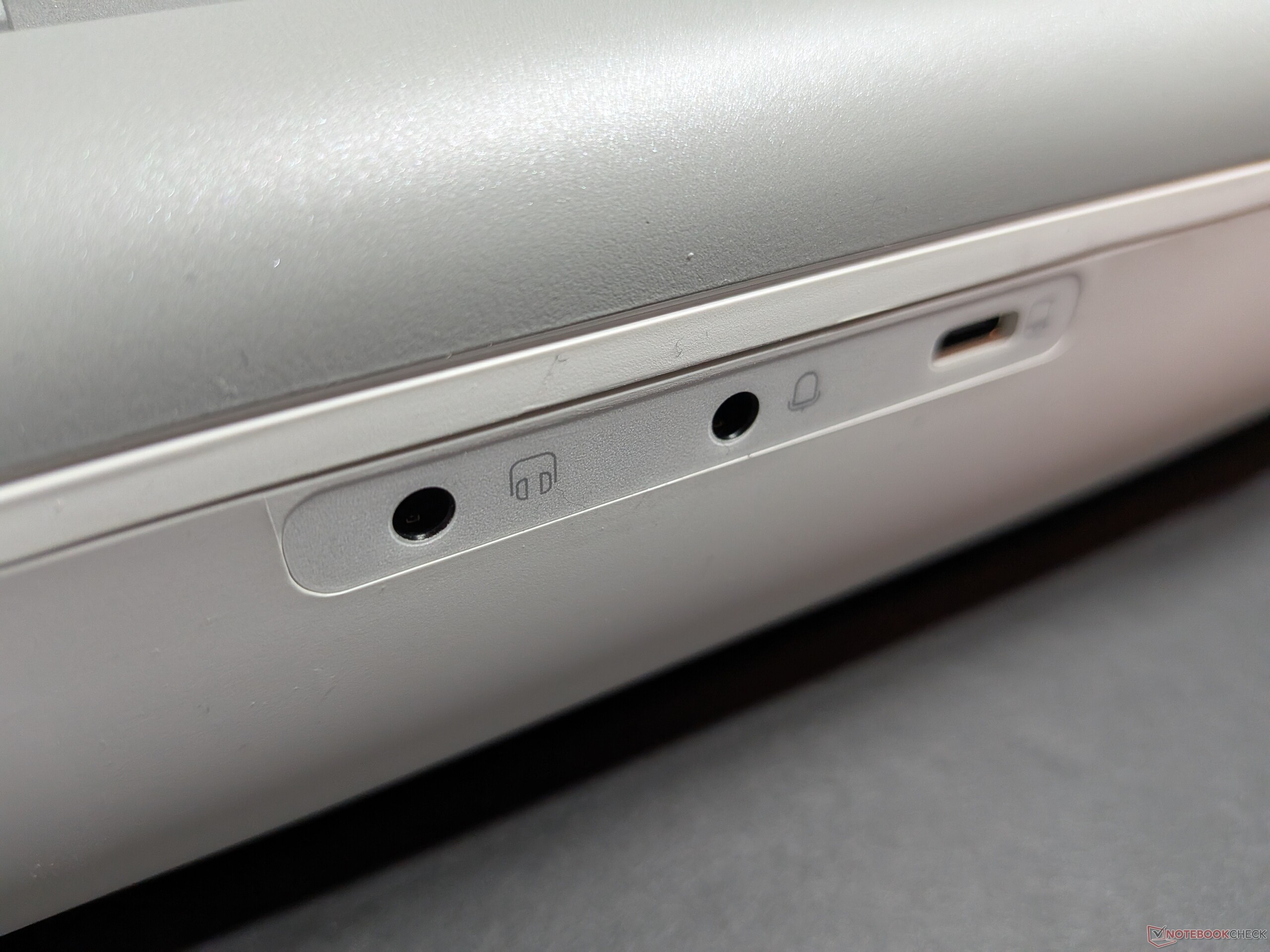
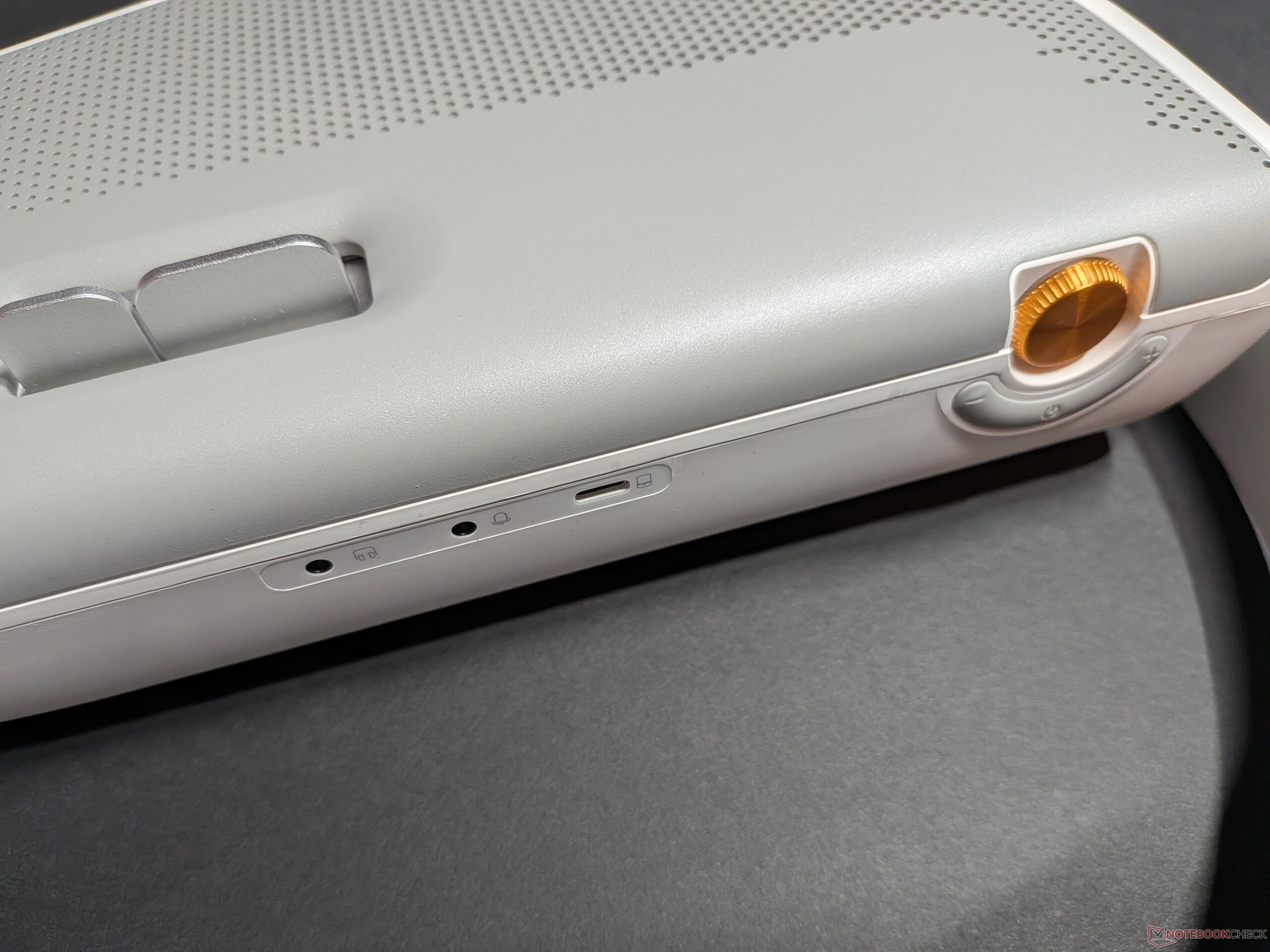
| Connectivity | Wi-Fi / Bluetooth / USB-C / 3.5mm Out/In |
| Key Features | Hum-to-Solo / AI Tab / AI Composer |
Unboxing and build quality
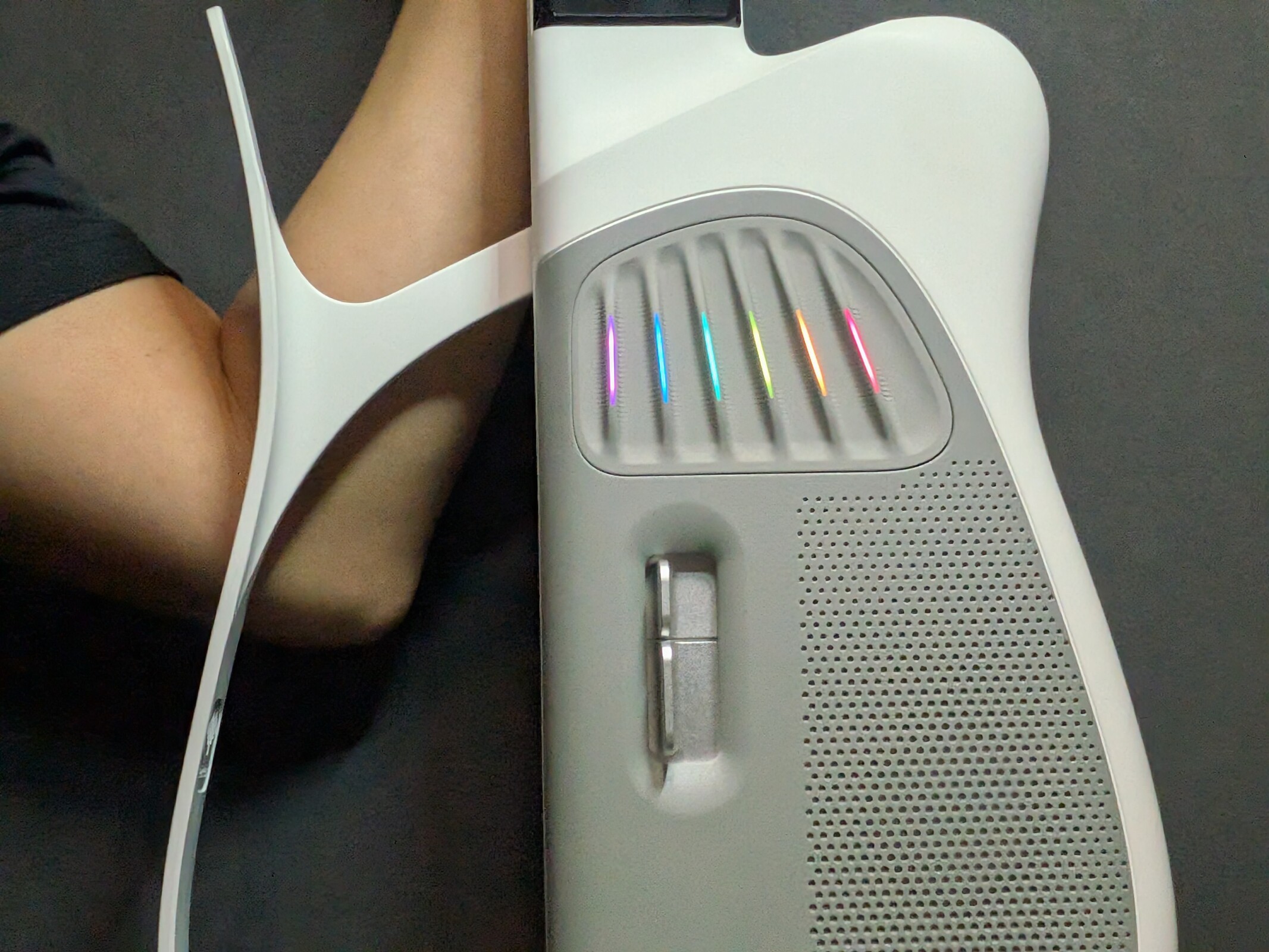
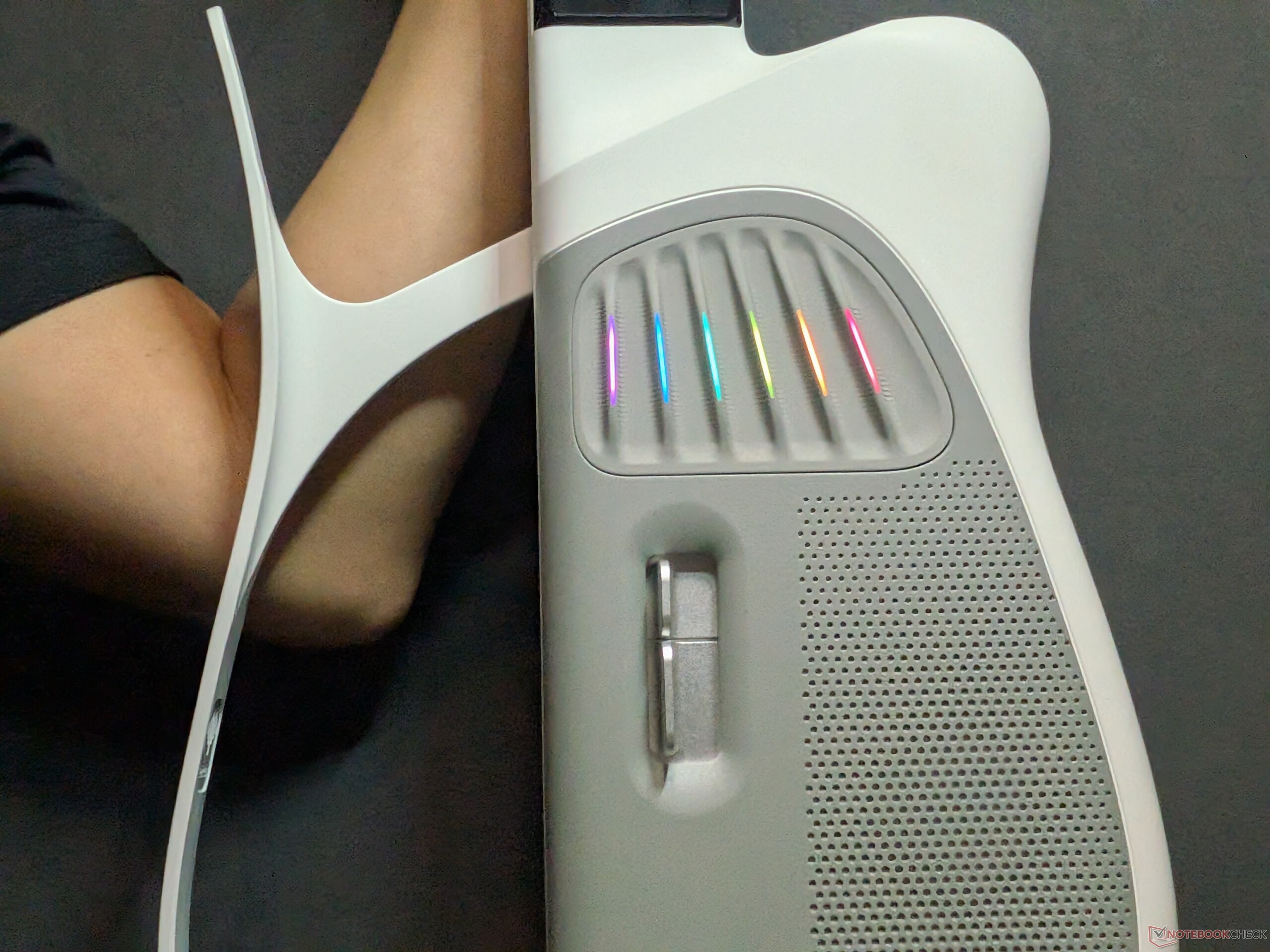
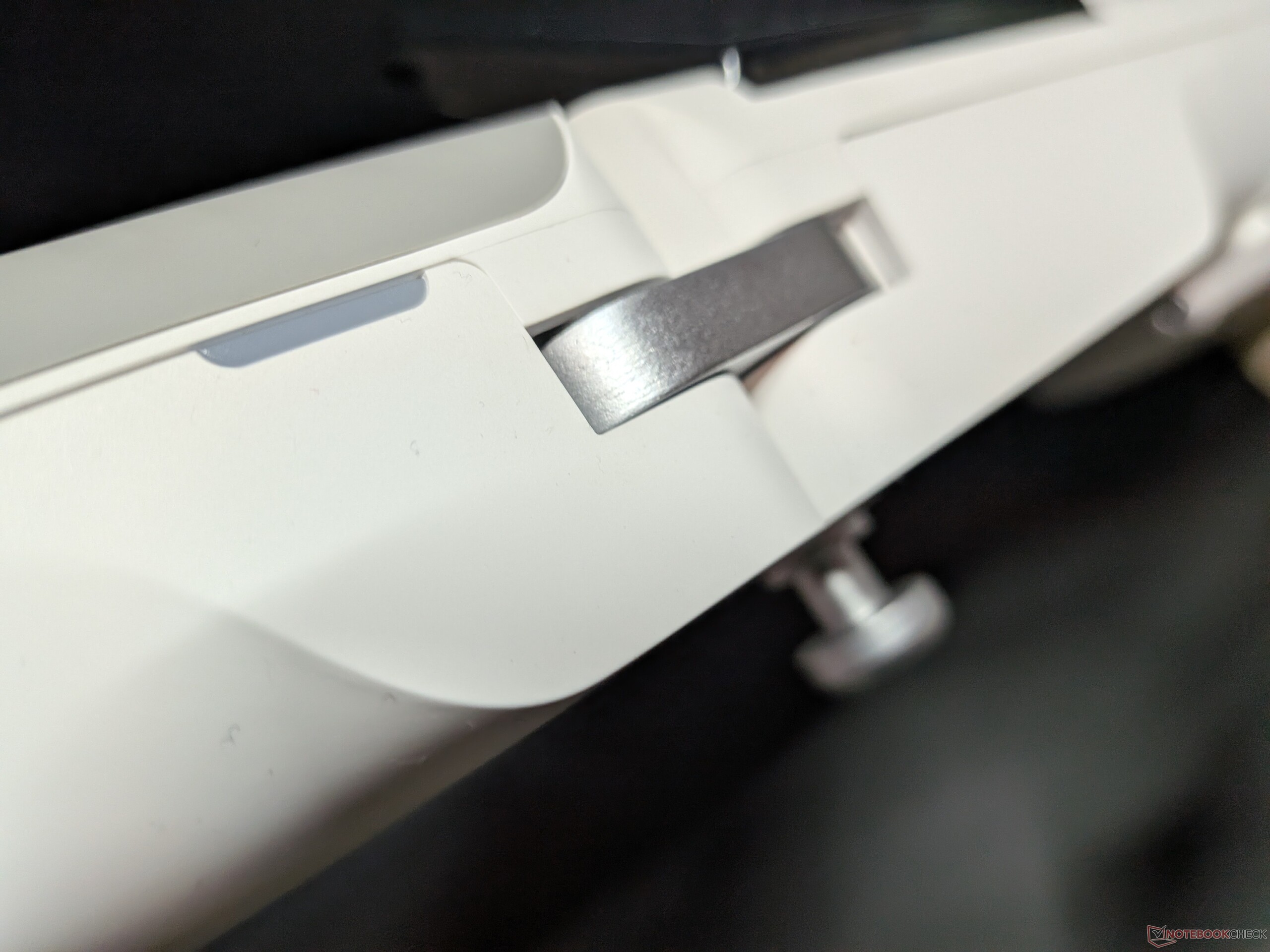
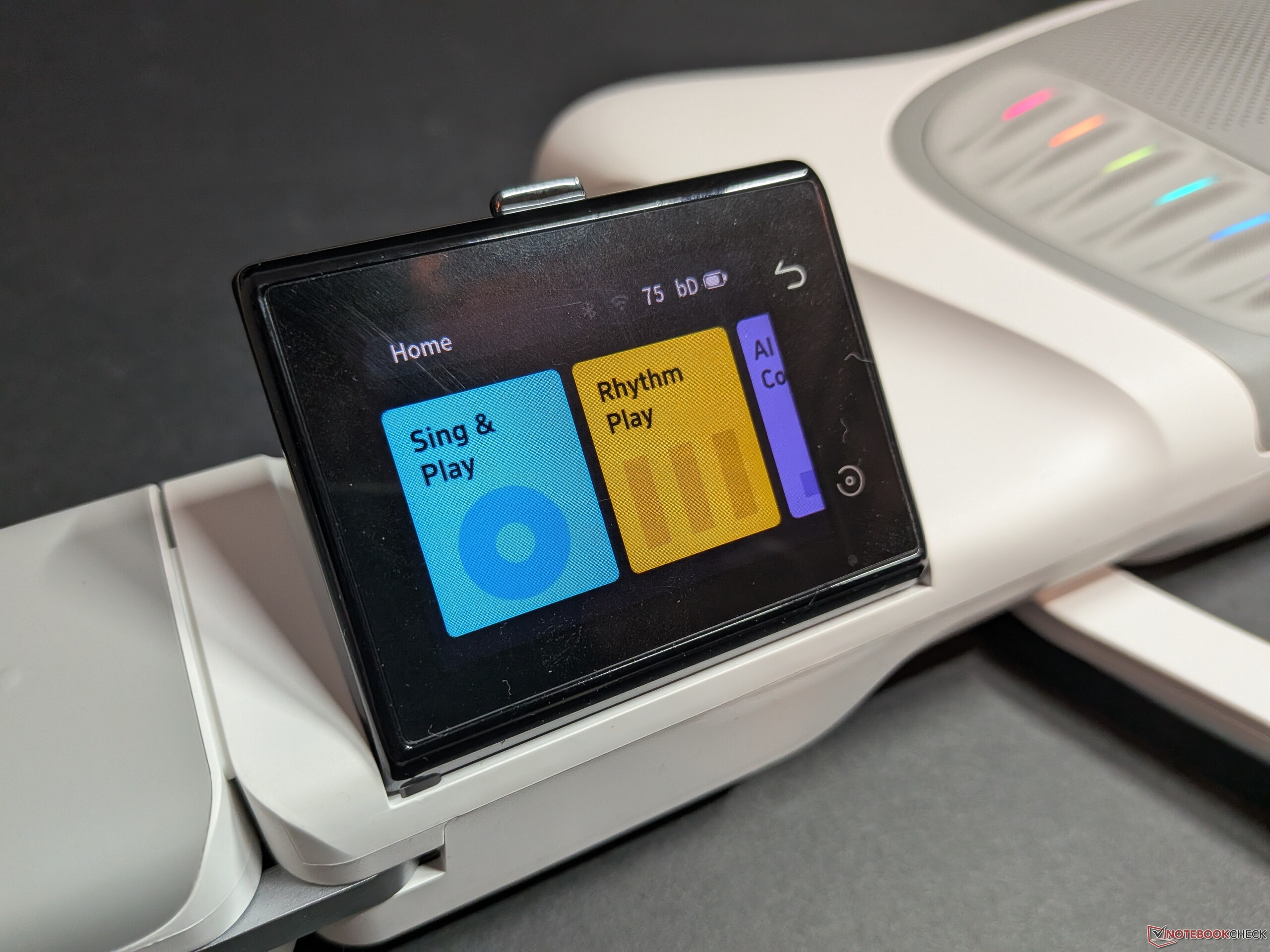
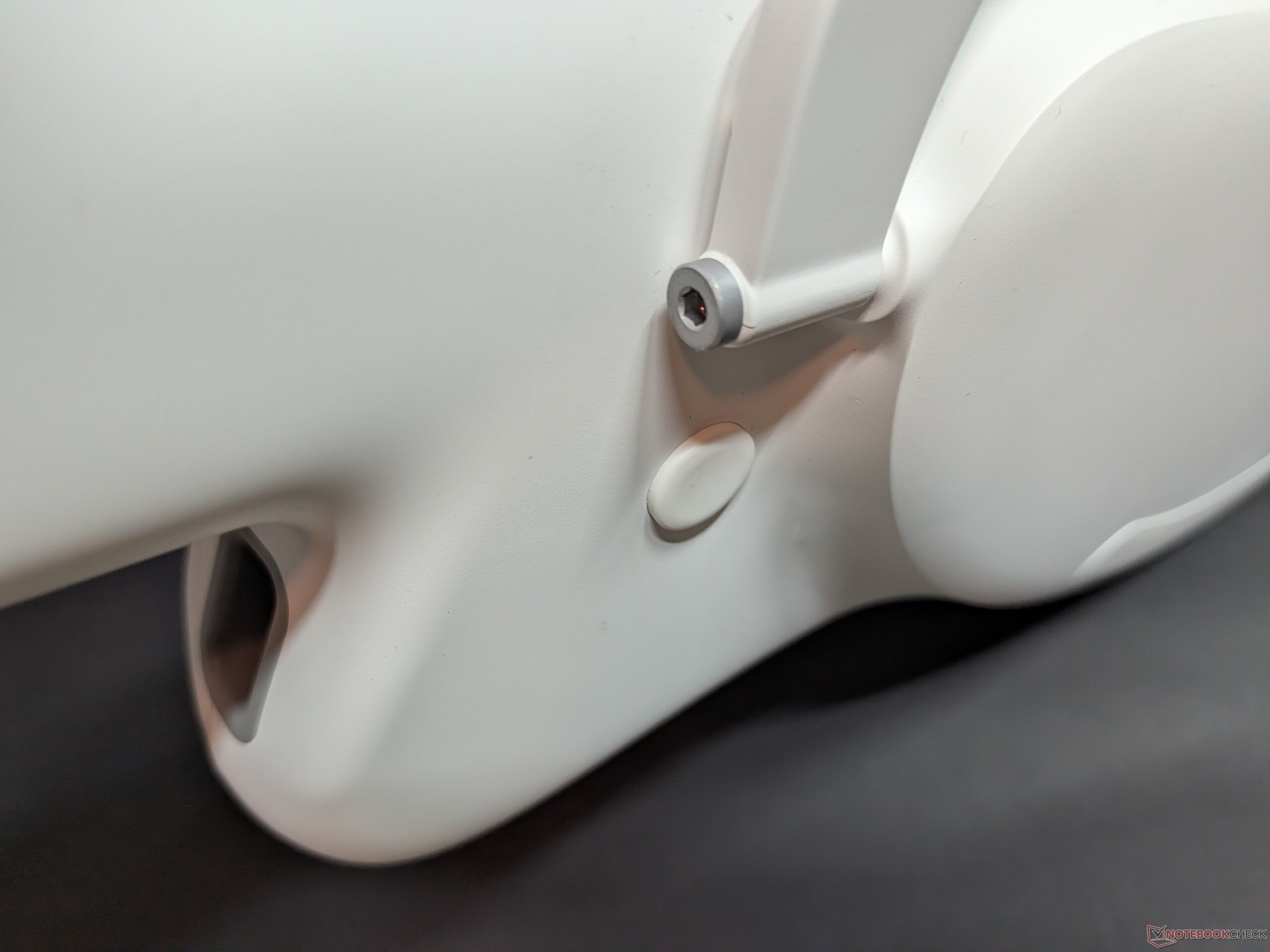
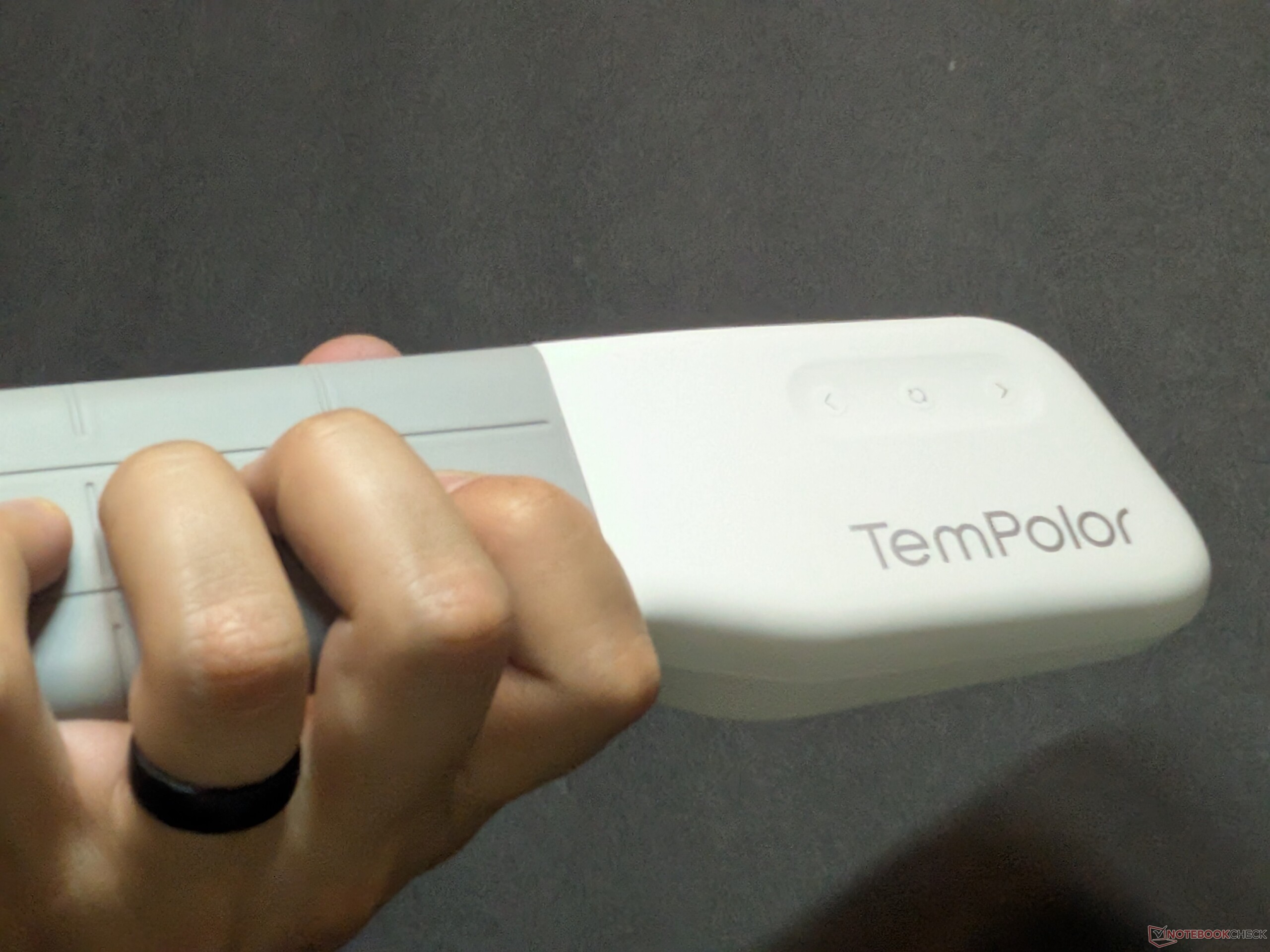
The Tempolar Melo-D arrives in clean, minimal packaging that puts the device's folding feature on full display. It also includes a soft, caring case. In terms of form factor, the Melo-D ditches actual strings in favor of six RGB paddles and an LED fretboard, with ergonomics and weight distribution that feel surprisingly authentic. Despite its unconventional form factor, the build quality is exceptional, utilizing a mix of sturdy plastics and metal alloys. Also, the built-in 2.4-inch LCD touchscreen is clear and is easy to navigate.
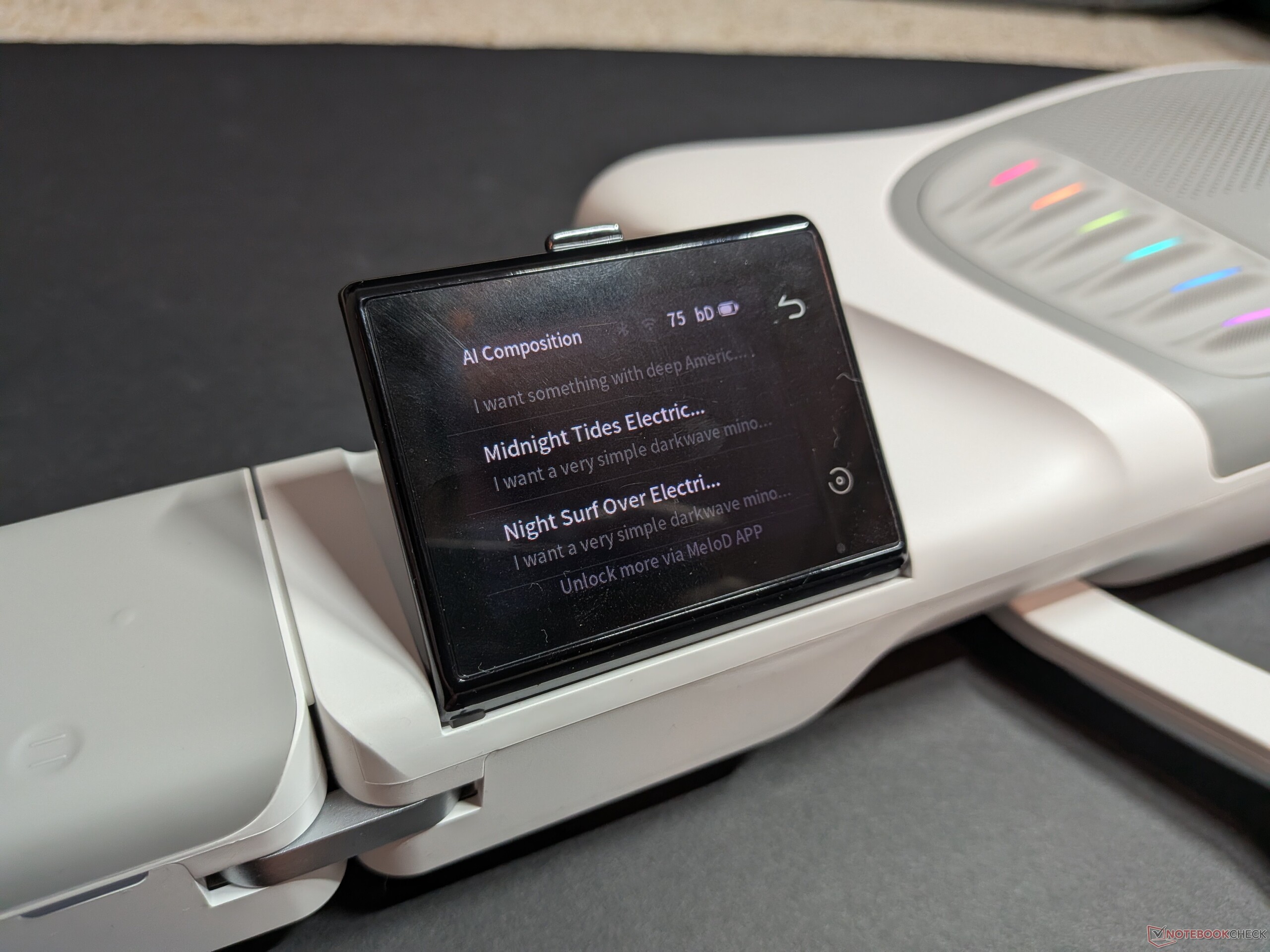
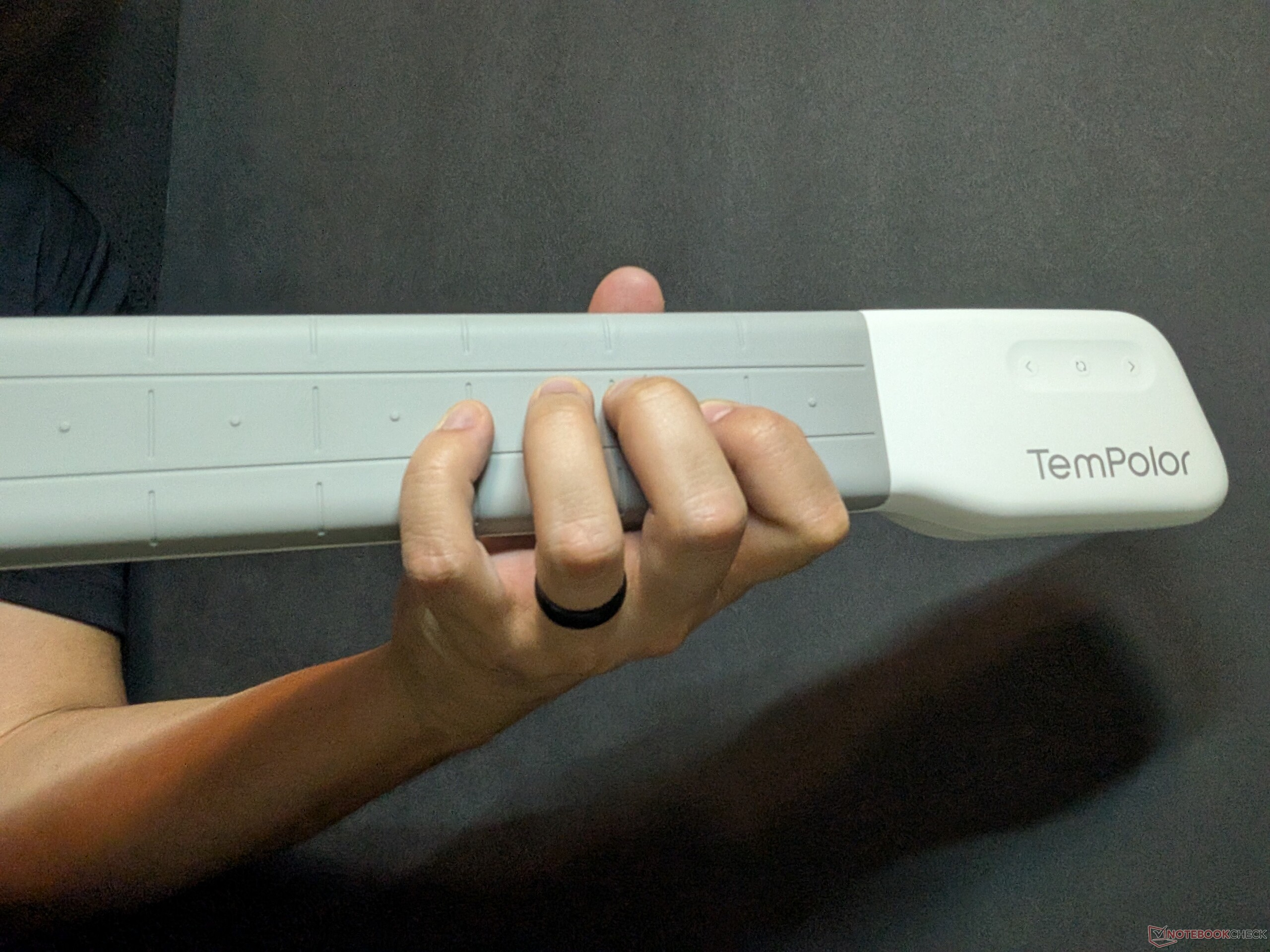
Standard playing and AI workflow
Before testing the AI features, it was necessary to establish the viability of the Melo-D as a stand-alone instrument, which, surprisingly, was not much different from working with a sampler. Each of the "frets" acts as a standalone chord with three variations, all of which can be controlled with either the paddles or plucked with the individual strings. While not as responsive as a physical string, it was completely possible to pluck a melody, no pun intended, or strum through a chord sequence.
Now, the software is where the Tempolar Melo-D subverts the very meaning of playing an instrument. Through features like Hum-to-Solo and the AI Composer, users can use "vibe" input, and the device will instantly generate a backing track or a playable solo. While the onboard sounds, ranging from acoustic guitars to pianos and drums, and generated compositions resonate well through the built-in speaker, the AI generation does have its limitations. The prompt length is somewhat restricted, and advanced users will likely want more control over the composition process rather than relying entirely on the AI's output. For the musical purist, this level of automation may create some dissonance. However, the Tempolar Melo-D is not trying to replace a traditional guitar; rather, it presents a huge variety of sounds to help users get compositions out of their heads and into the world effortlessly. With this in mind, we wanted to test a few different genres to see how well the Melo-D could adapt across styles.
← Swipe or Scroll to navigate →
Conclusion
The Tempolar Melo-D AI Guitar takes even the slightest song idea and makes it happen, and that is precisely where its value lies. Those who choose to use it as a jumping-off point for their musical ambitions will find an incredibly fun and inspiring tool. While the AI features, restricted prompt lengths, and lack of physical strings may be a polarizing reality for purists, the device undeniably succeeds in its mission: to lower the barrier to music creation and let players get lost in the joy of composing.
Transparency
The selection of devices to be reviewed is made by our editorial team. The test sample was given to the author by the manufacturer free of charge for the purposes of review. There was no third-party influence on this review, nor did the manufacturer receive a copy of this review before publication. There was no obligation to publish this review. As an independent media company, Notebookcheck is not subjected to the authority of manufacturers, retailers or publishers.
 Add as a preferred source on Google


