




Study: Garmin smartwatch measures certain health metric with large margins of error
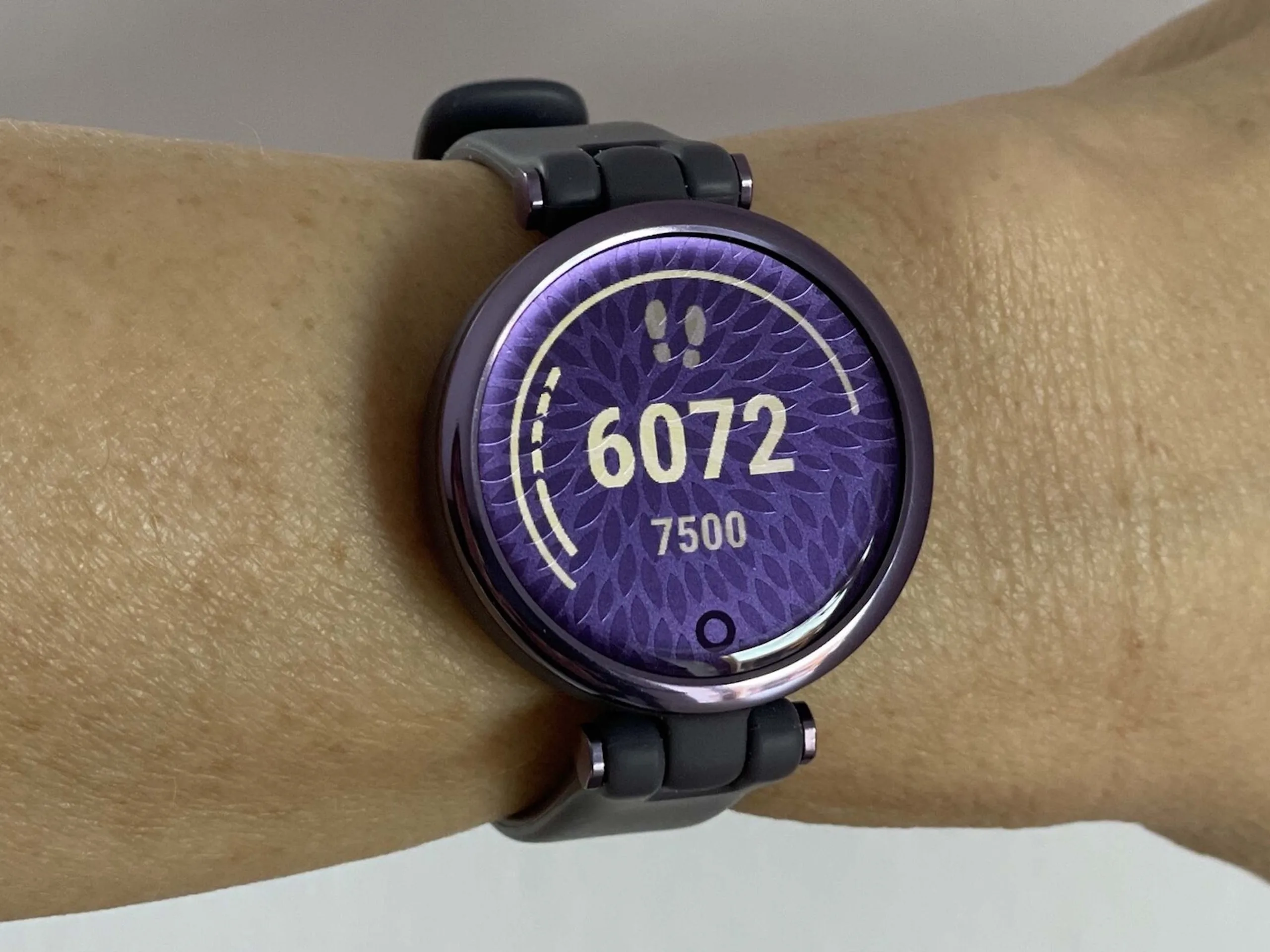
Heart rate variability indicates how much the interval between individual heartbeats changes. That requires capturing heartbeats at a higher frequency. Garmin uses heart rate variability, for example, to assess recovery status. The heart rate variability that’s optically recorded by Garmin watches is not necessarily medically relevant, and accordingly there is no certification as a medical device.
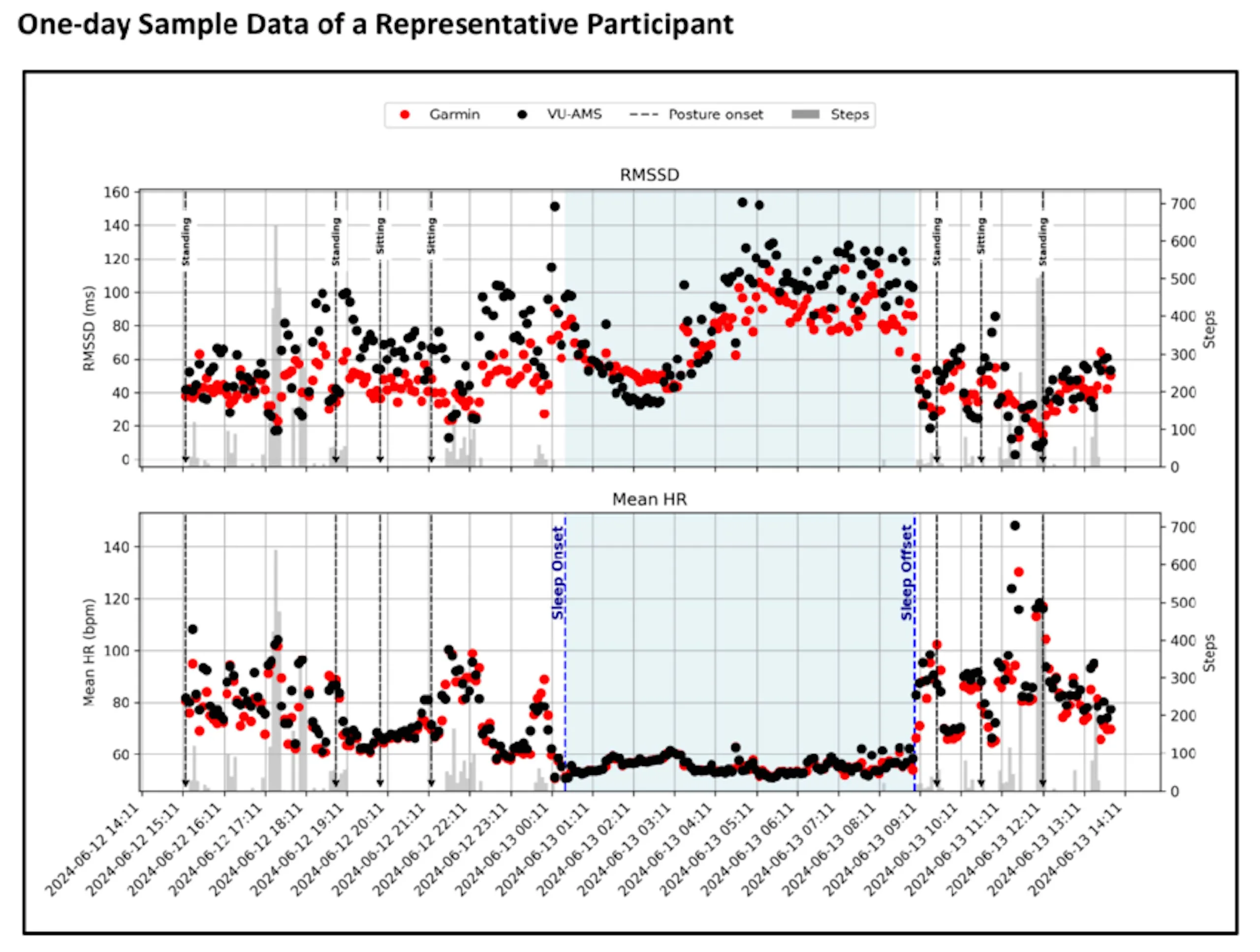
In a study that is still in the preprint stage, the relatively old Garmin Vivosmart 4 has trouble estimating heart rate variability in everyday usage. The setup was relatively straightforward: 62 participants wore both a Garmin Vivosmart 4 and an ECG device for a total of more than 900 hours. After data cleaning, an average of 179 five-minute time windows per participant remained. The study found that current heart rate and resting heart rate can be measured pretty well by the Garmin Vivosmart 4, so measurement quality is less dependent on conditions such as movement. Heart rate variability is a different story. This metric is not very accurate and is more prone to errors. Put simply, the impact of those errors can influence the displayed value more than a small change in heart rate variability itself. If errors override the actual measurement, then the measurement is essentially no longer helpful.
That said, the researchers do not consider heart rate variability measurements useless. However, they suggest users focus on readings taken with little or no movement, such as at night. The researchers also point to certain limitations, as Garmin does not provide access to raw data. That makes it difficult for users and researchers to determine which values collected under which conditions are used to calculate averages, and it is not possible to clean the data independently, for example based on custom calibration.
Source(s)
Sinichi, Amin & Gevonden, Martin & Krabbendam, Lydia & van der Mee, Denise. (2026). Right Place, Right Time: Validation of a Consumer-Grade Wearable for Heart Rate and Heart Rate Variability Across Sleep-Wake Cycles, Physical Activity, and Postures in an Ambulatory Study [Preprint], on Researchgate, Images under CC BY 4.0 license, Teaser image: Inge Schwabe, Notebookcheck
 Add as a preferred source on Google


