




Smartwatch-like prototype may one day detect microplastics in the human body
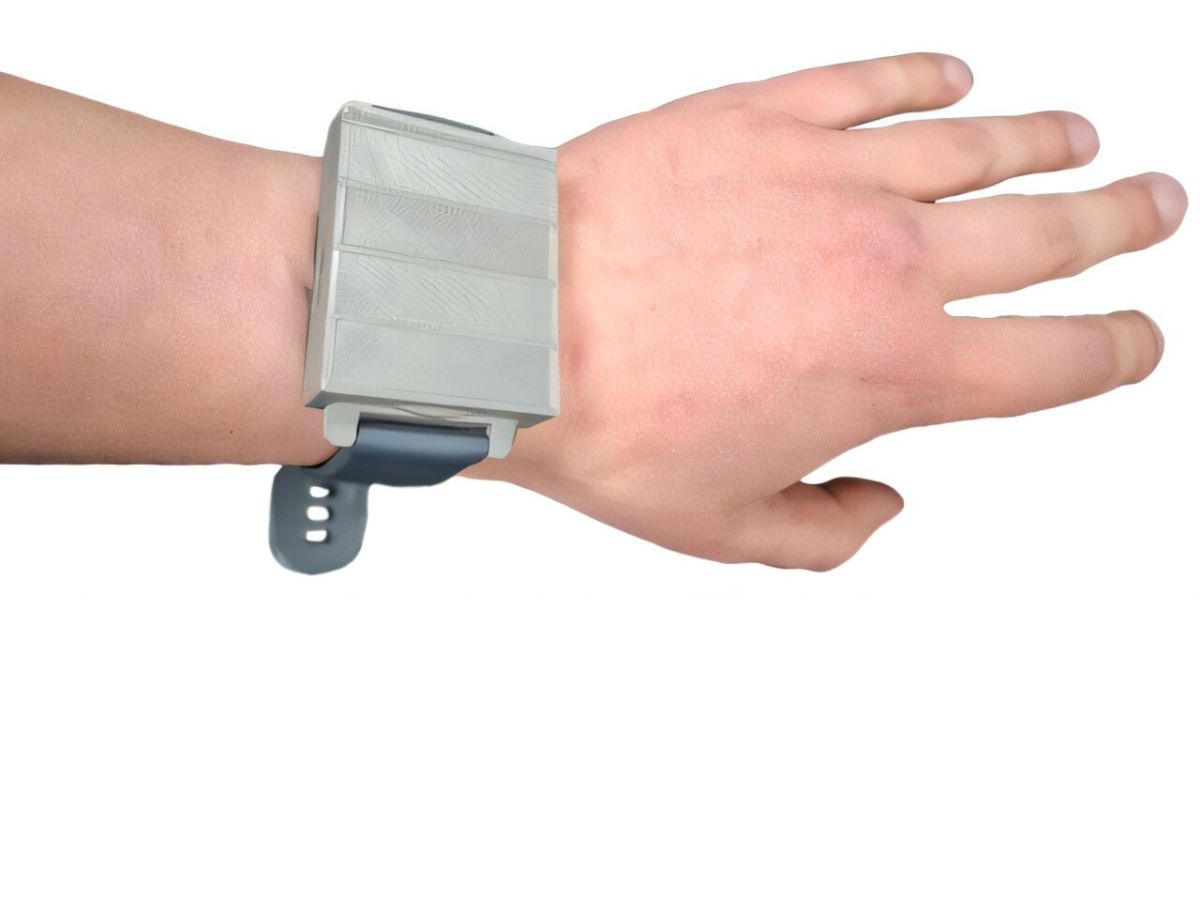
Microplastics have infiltrated the air, water supply, and even the human bloodstream and brain. While some studies suggest a link between these tiny particles and inflammation and metabolic disorders, tracking human exposure currently requires invasive and costly blood draws. To provide a non-invasive alternative, researchers at the University of Tartu in Estonia have developed SWAN, a smartwatch-like prototype that is designed to identify plastics directly through the skin.
The prototype uses a technique called spectrometry, which analyzes how different materials interact with light. By shining specific wavelengths of light into the body and measuring how the light bounces back, the sensors can identify the unique optical patterns of common plastics. The device successfully detects particles as small as a grain of salt and operates consistently across various skin tones without disrupting standard wearable health monitors, such as heart rate tracking.
Built entirely from off-the-shelf components, the system costs approximately $105. Its internal hardware features an ESP32-WROOM-32E microcontroller, an AS7265X miniature spectrometer, and three LEDs.
Instead of testing the device on humans immediately, the research team validated the technology using artificial skin and biological tissue models made from gelatin and pig skin. In a private email correspondence, in response to our inquiry on why an artificial model was used instead of immediate human testing, lead researcher Kevin Post explained the following:
“The device uses a spectrum of different wavelengths, including parts of the UV spectrum. We wanted to see how much each of these different wavelengths contributes to measurement accuracy. Although our experiments used low UV intensities, it is well-known that excess exposure to high-intensity UV can lead to adverse health effects. As is standard practice in wearable development, we first ensure safety with controlled tests on phantoms — materials that mimic the optical properties of human tissue.”
With these limitations considered, the technology is likely still a long time away from widespread adoption. In the future, this technology could be seamlessly integrated into everyday smart rings and watches, allowing the average person to effortlessly monitor their personal exposure to plastic.
 Add as a preferred source on Google


