




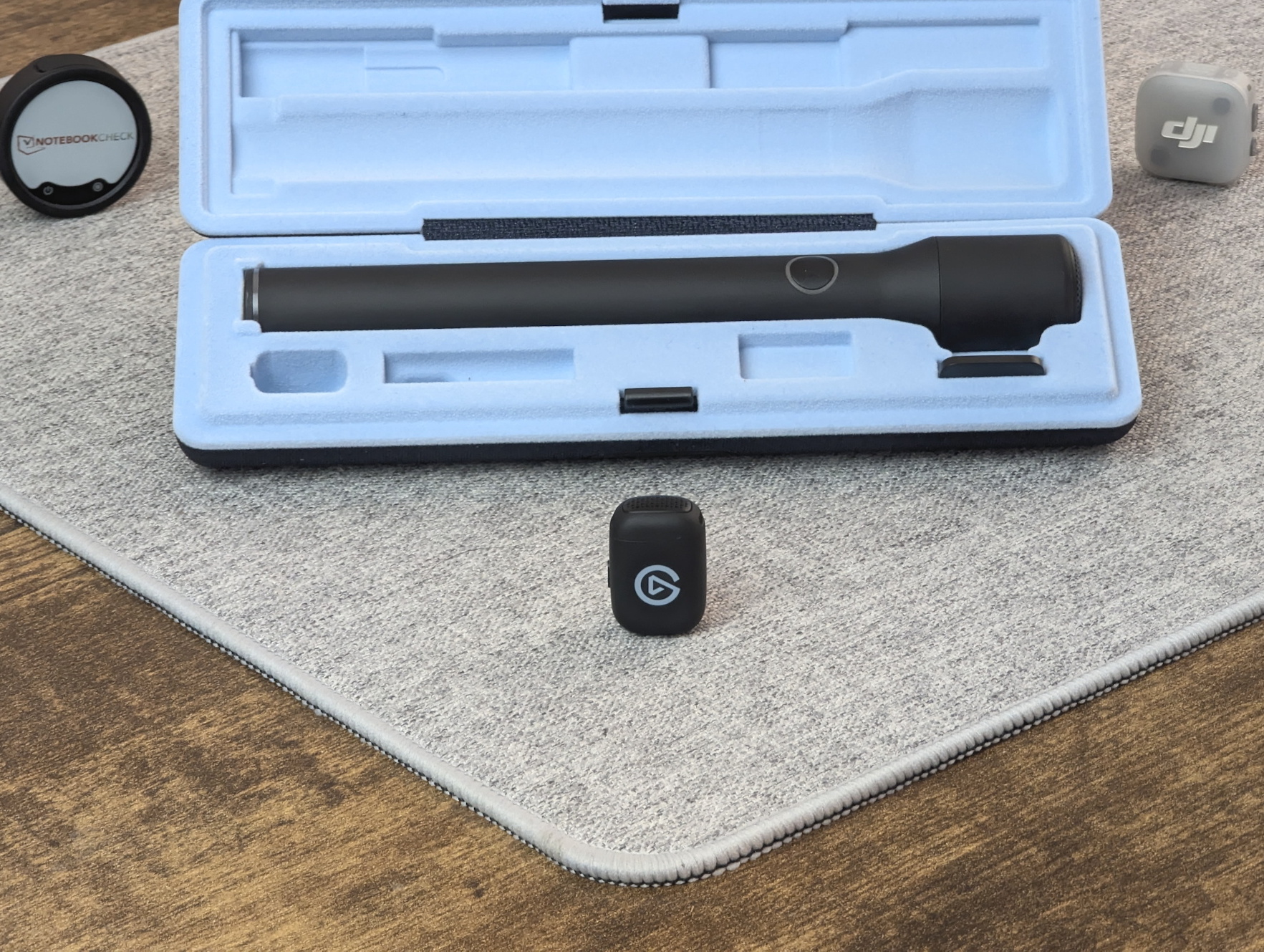
Smaller than the DJI Mic Mini – with a handheld mic trick: Elgato Wave Go review
Mini mic, maxi trick.
With the Wave Go, Elgato has added a new wireless microphone to its lineup for smartphone vlogging, interviews, and console/PC use. The clever part? It's even smaller than the DJI Mic Mini and can be inserted into the capsule of a handheld grip, turning it into a handheld microphone for on-the-go interviews.Christian Hintze 👁 (translated by Christian Hintze) Published 🇩🇪
Verdict – More compact than the competition
The Elgato Wave Go is even smaller than the DJI Mic Mini, yet it actually sounds better and gives voices more presence. Another particularly clever touch is that you get both a lavalier mic and a handheld mic in one package.
The Elgato Wave Go is an ultra-compact wireless microphone with a USB-C receiver, but no Bluetooth.
Unfortunately, the lack of Bluetooth significantly limits compatibility. You can't connect it to cameras, DSLRs, or older smartphones, which feels like an unnecessary restriction.
Pros
Cons
Price and availability
At launch, the Wave Go is available from elgato.com for $99.99 (€99.99, £99.99). The bundle with two microphones costs €114.99.

YouTubers and other content creators often use what's known as a lavalier microphone, also called a clip-on mic, to capture clear voice audio. Worn on a shirt collar, these tiny microphones sit very close to the speaker, improving sensitivity while reducing background noise. Wireless versions transmit audio over 2.4 GHz to a receiver, which can often pair with two transmitters/microphones – ideal for interviews.
On October 13, Elgato introduced the Wave Go, a wireless clip-on microphone with exactly these features, plus a few clever and practical extras. We put it to the test to see whether the audio quality delivers and whether the features justify the purchase.
Design and controls – Tiny wireless mic with a clever handheld grip
We're testing what's known as the "Day One Edition." Functionally, it's identical to the retail version, but it comes with a dark blue case and a light blue interior. This is a special limited edition released to mark the Wave Go's launch. The standard edition, by contrast, features a black case with a gray interior.
The case resembles an eyeglass case, with a textured fabric exterior that feels comfortable to hold thanks to its slim design. There's a USB-C charging port on the side.
The case stays securely closed, so nothing can accidentally fall out. You have to press the button on the front to open it. Inside, the wireless microphone, receiver, handheld grip, a magnetic clip, and an additional magnet are all stored securely. The two windshields come in a small, separate black pouch.
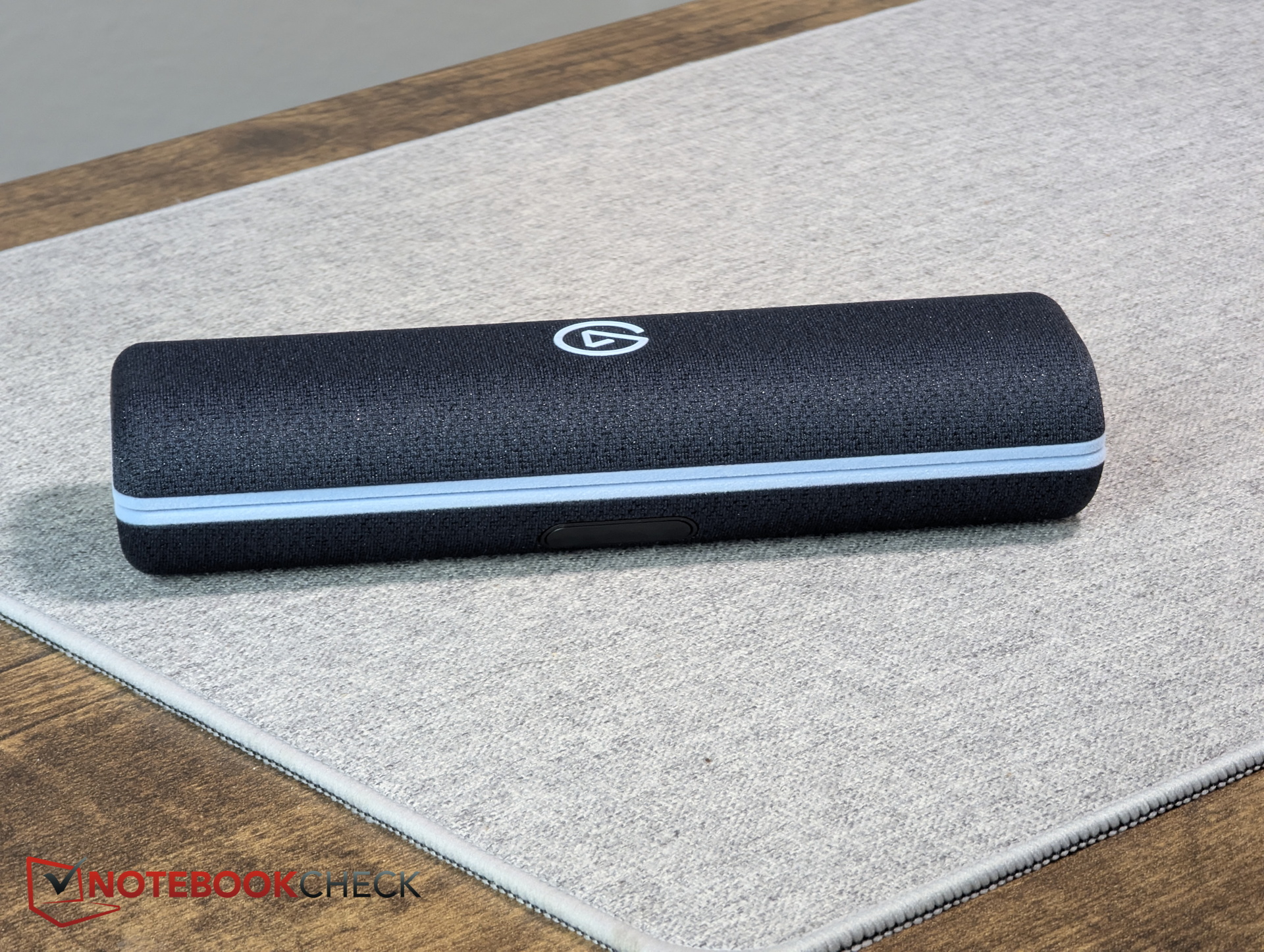
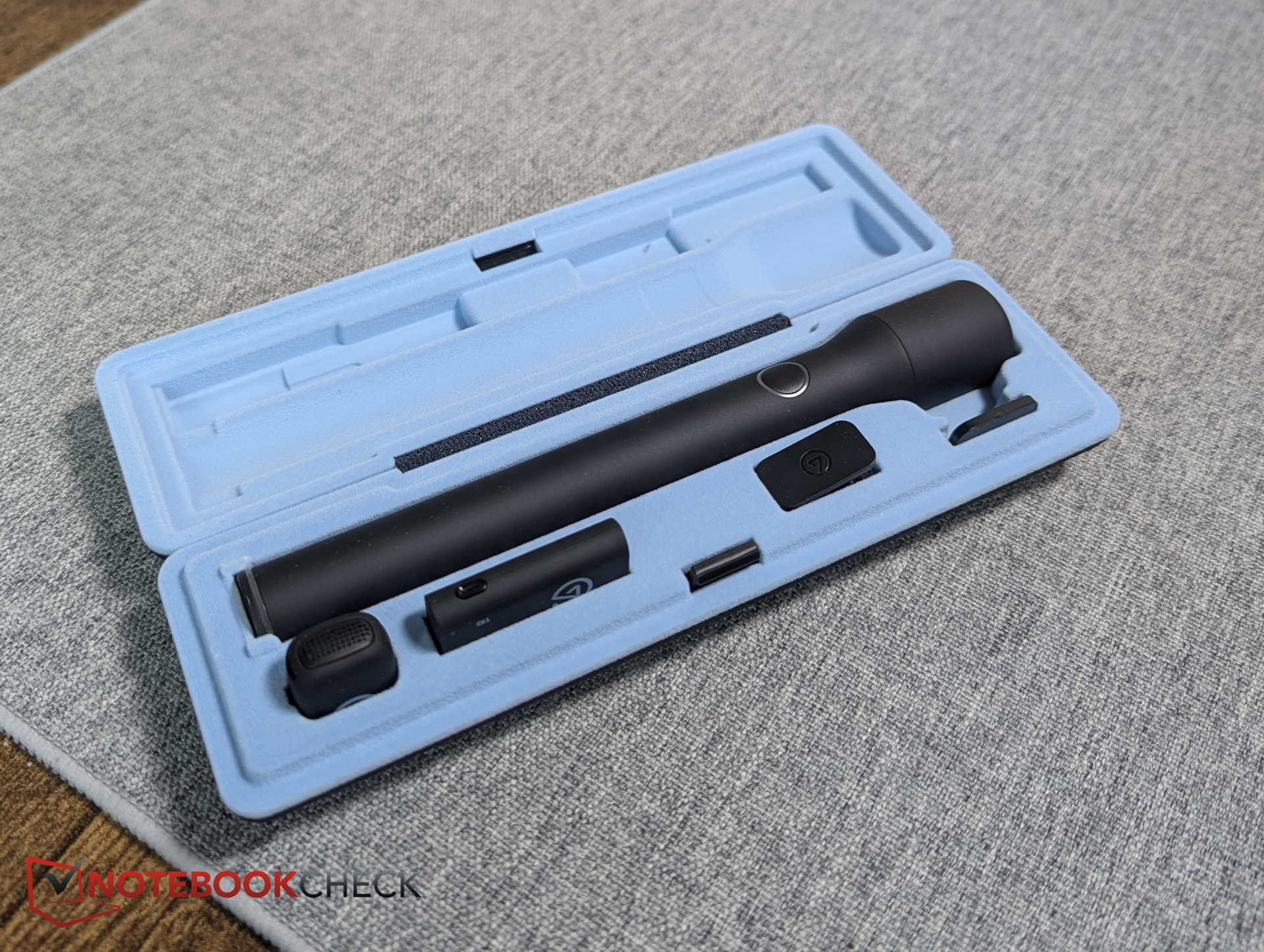
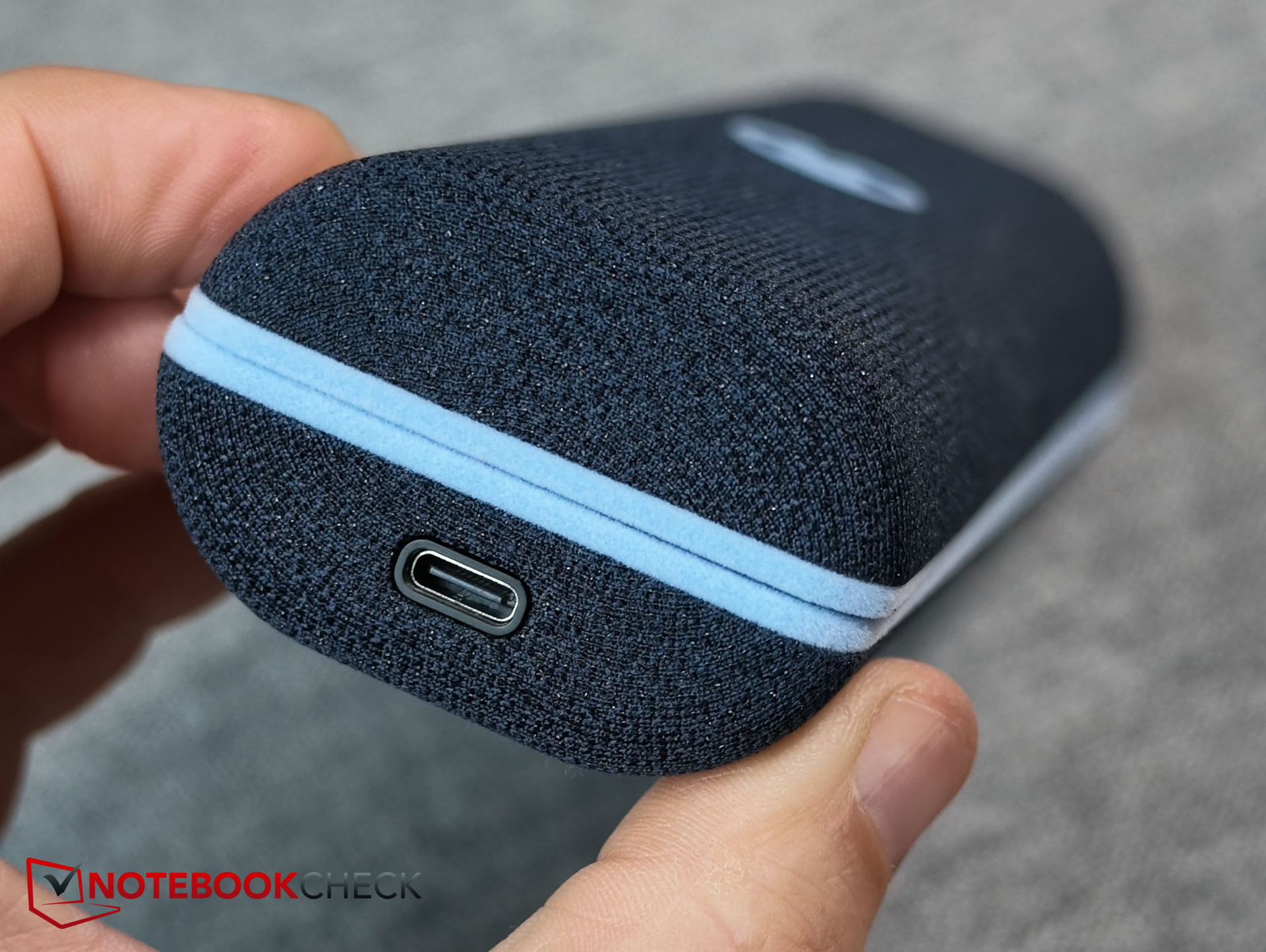
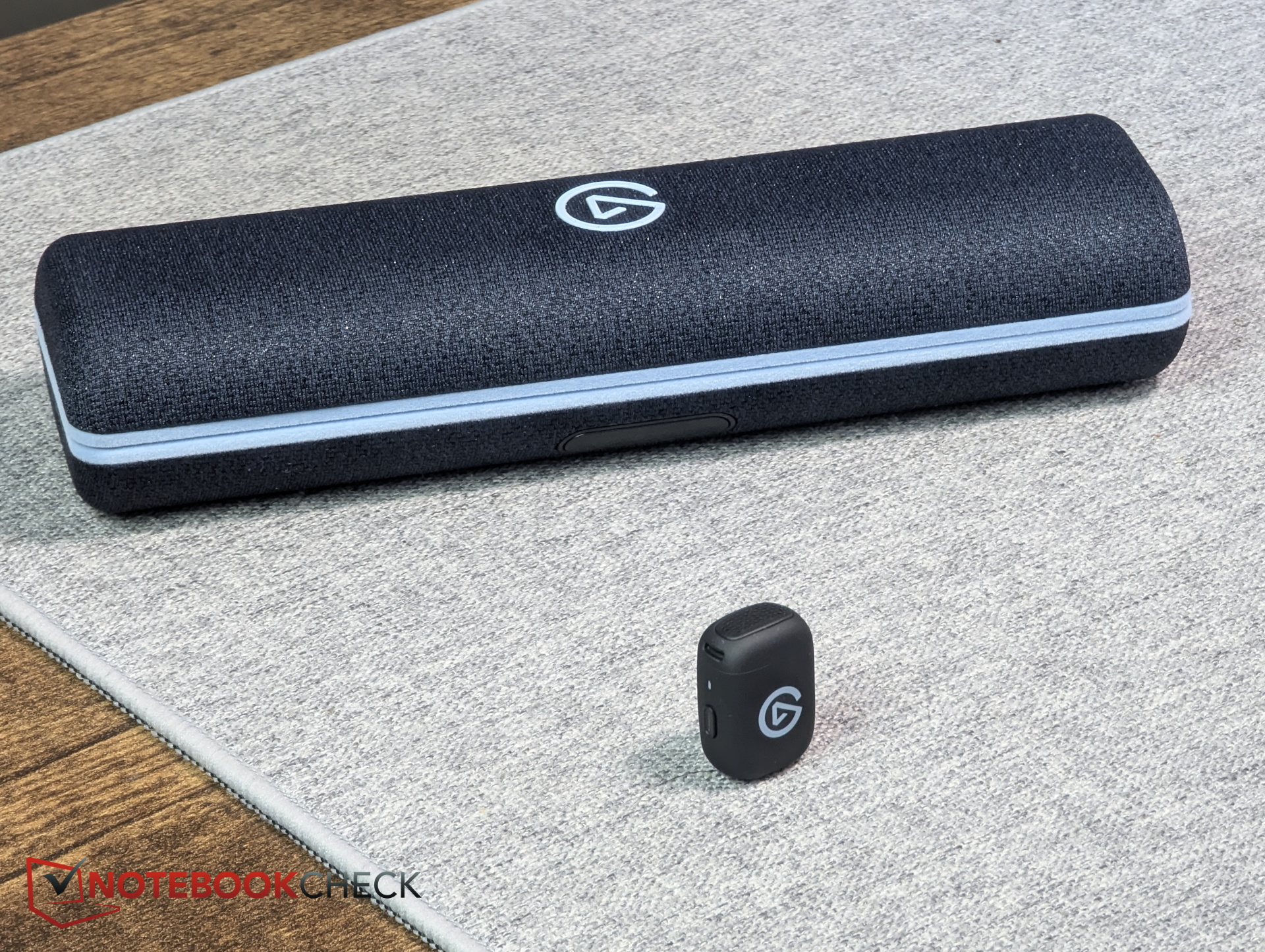
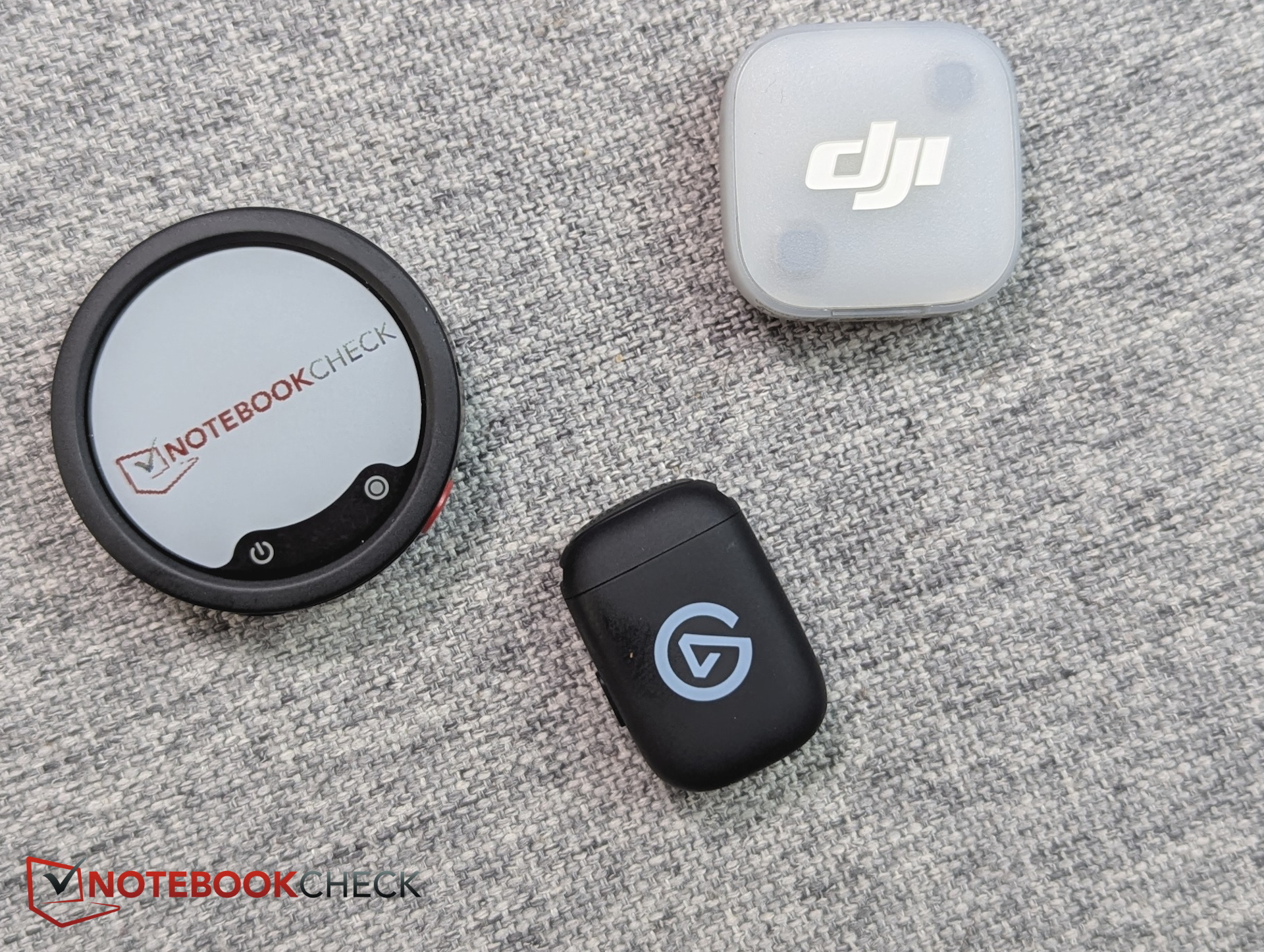
The microphone itself measures just 20 × 29 × 12 mm and weighs a mere 7 grams. It's even smaller than the DJI Mic Mini, making it less noticeable when clipped to a collar. There are charging contacts on the bottom, and the only other control is a button for powering on, pairing, and muting the mic. However, the matte black plastic housing is somewhat prone to greasy fingerprints, which can look unpleasant on video, so it's worth cleaning before filming.
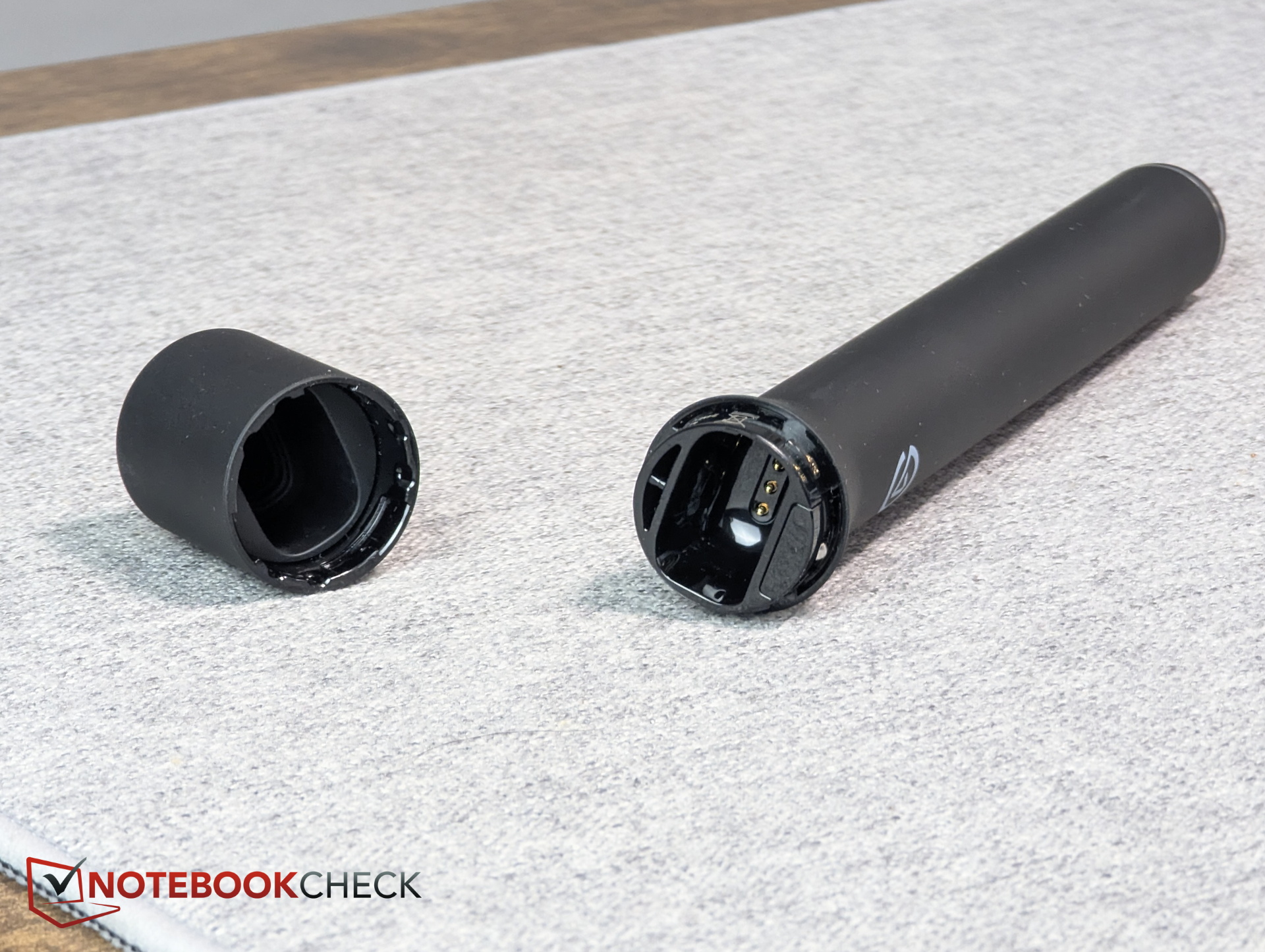
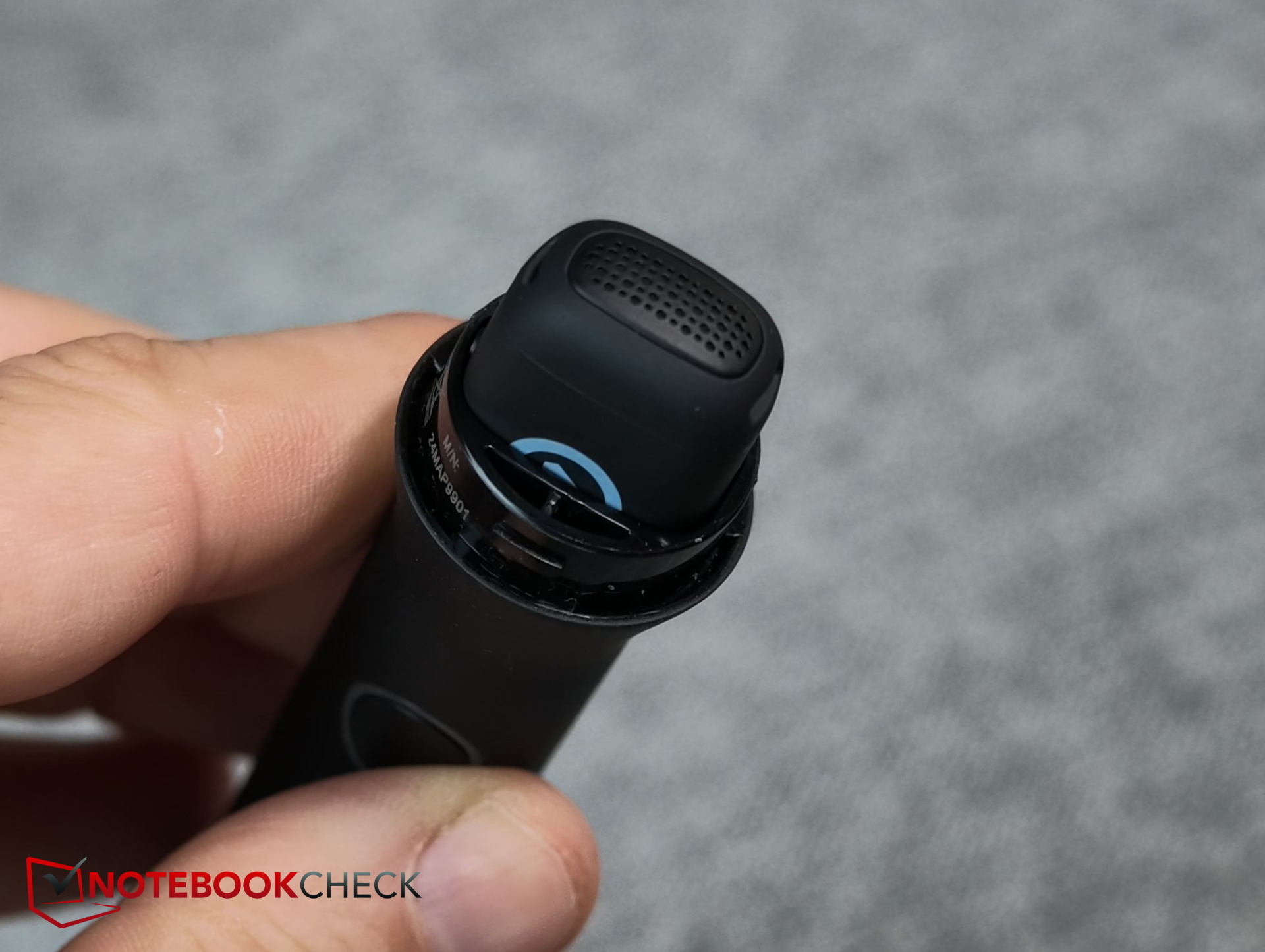
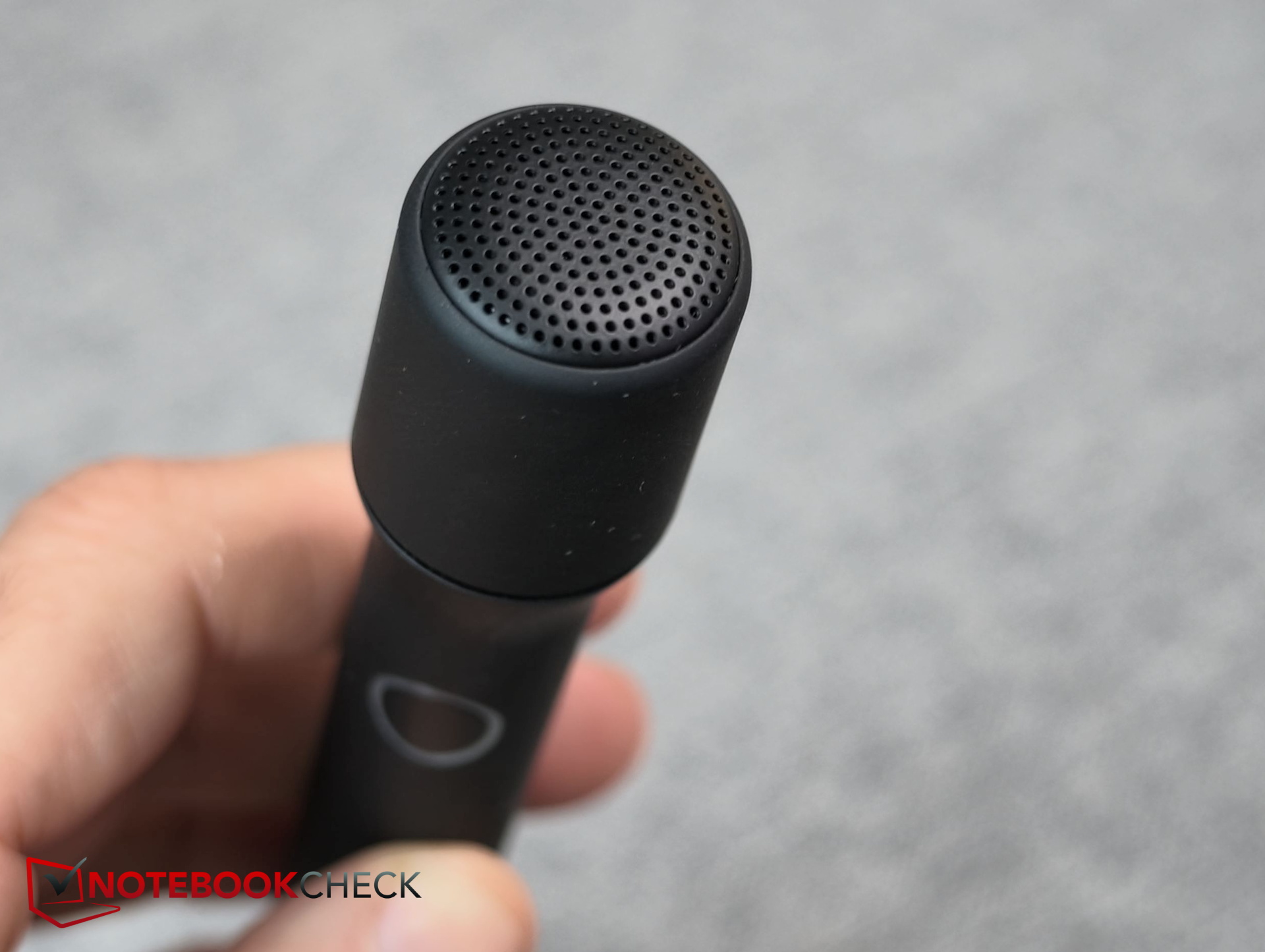
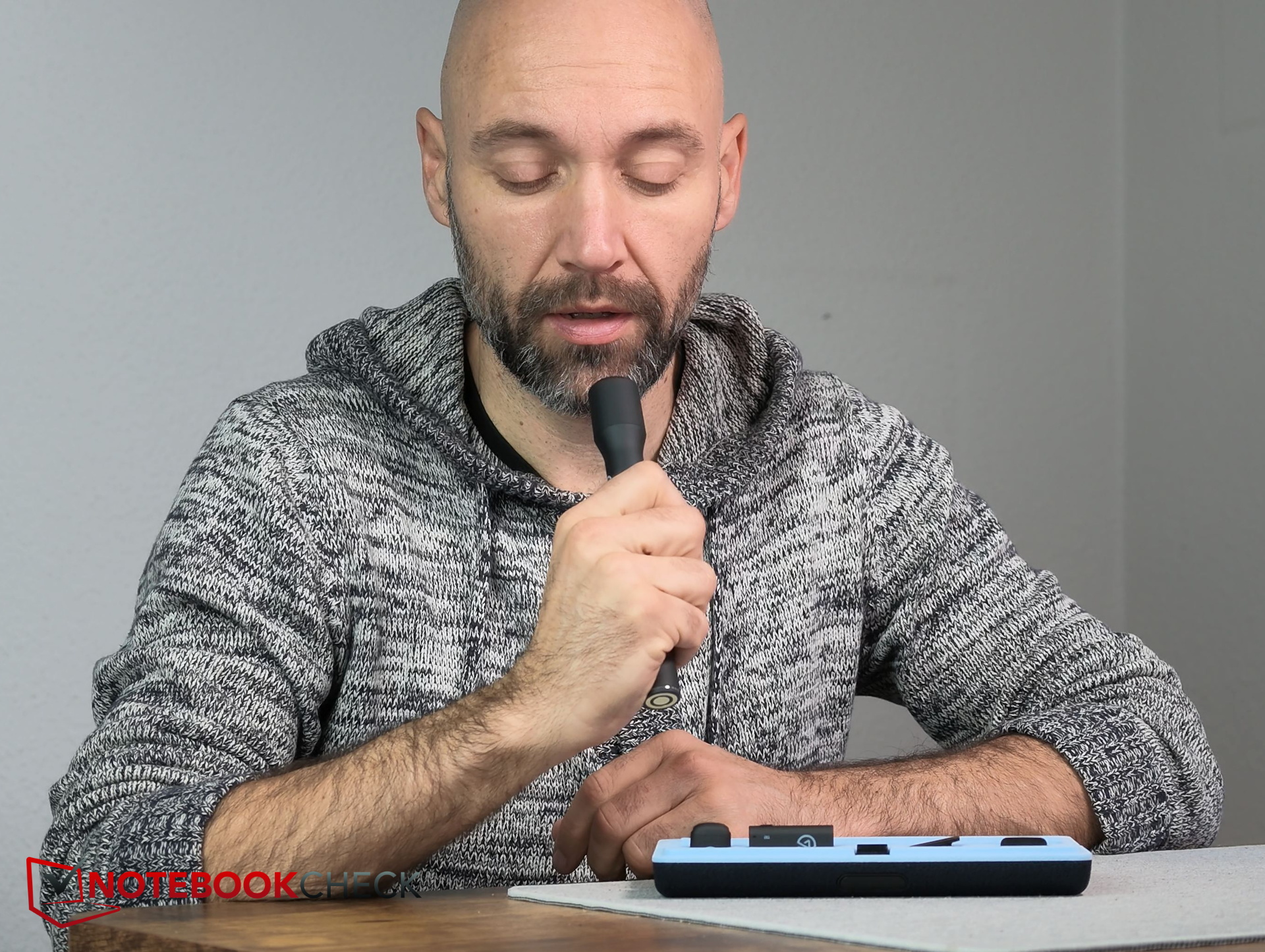
The handheld grip resembles a slim, elegant flashlight with a power button. You can unscrew the grip, insert the mini microphone, and turn it into a more traditional handheld mic that you can hold in front of an interview subject's mouth, for example.
Specifications – 7 g, 2.4 GHz, and a range of up to 30 m
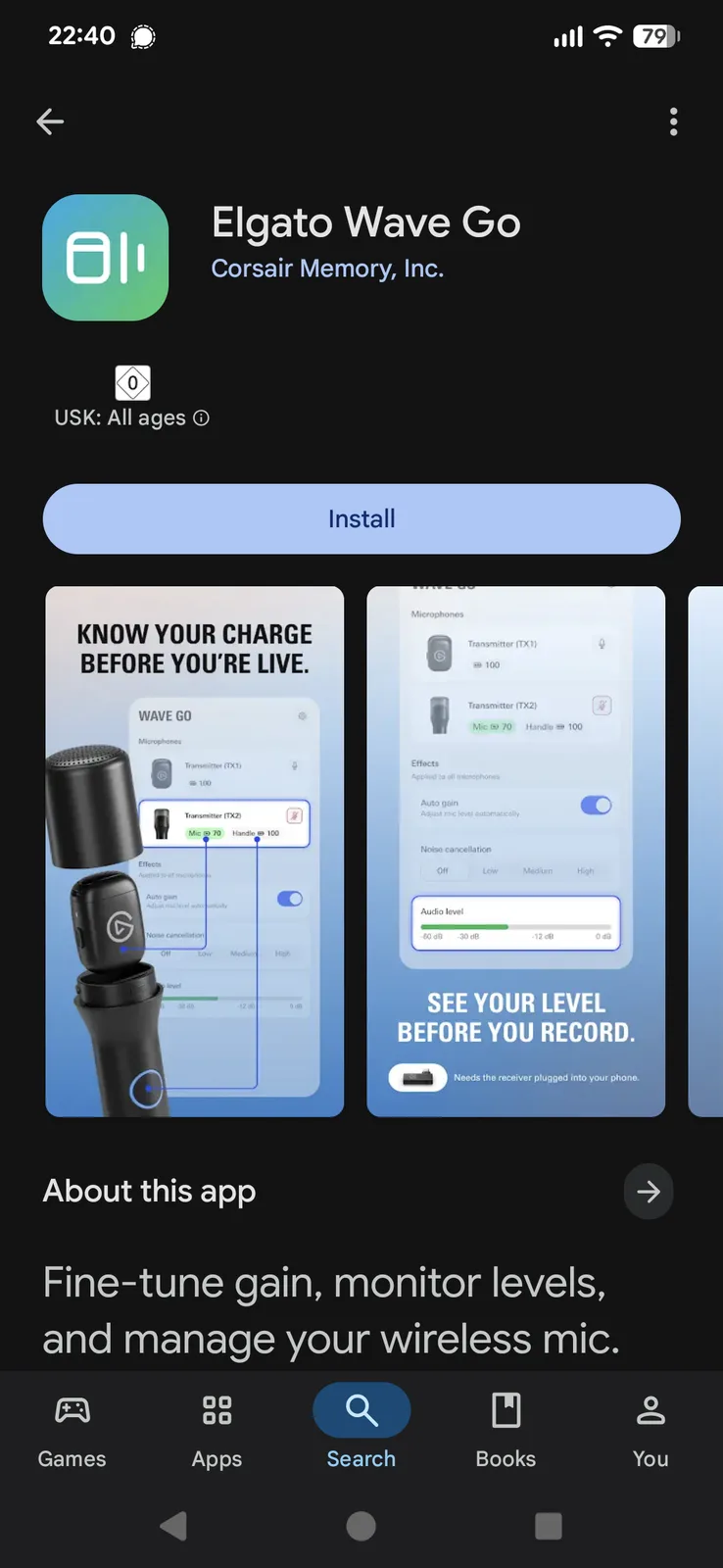
The Wave Go connects exclusively through its USB-C receiver over 2.4 GHz, which offers significantly lower latency than a Bluetooth connection. The receiver can be plugged into PCs, supported gaming consoles, or smartphones with a USB-C OTG port. The wireless connection has a range of up to 30 m. Bluetooth is used only for pairing with the app.
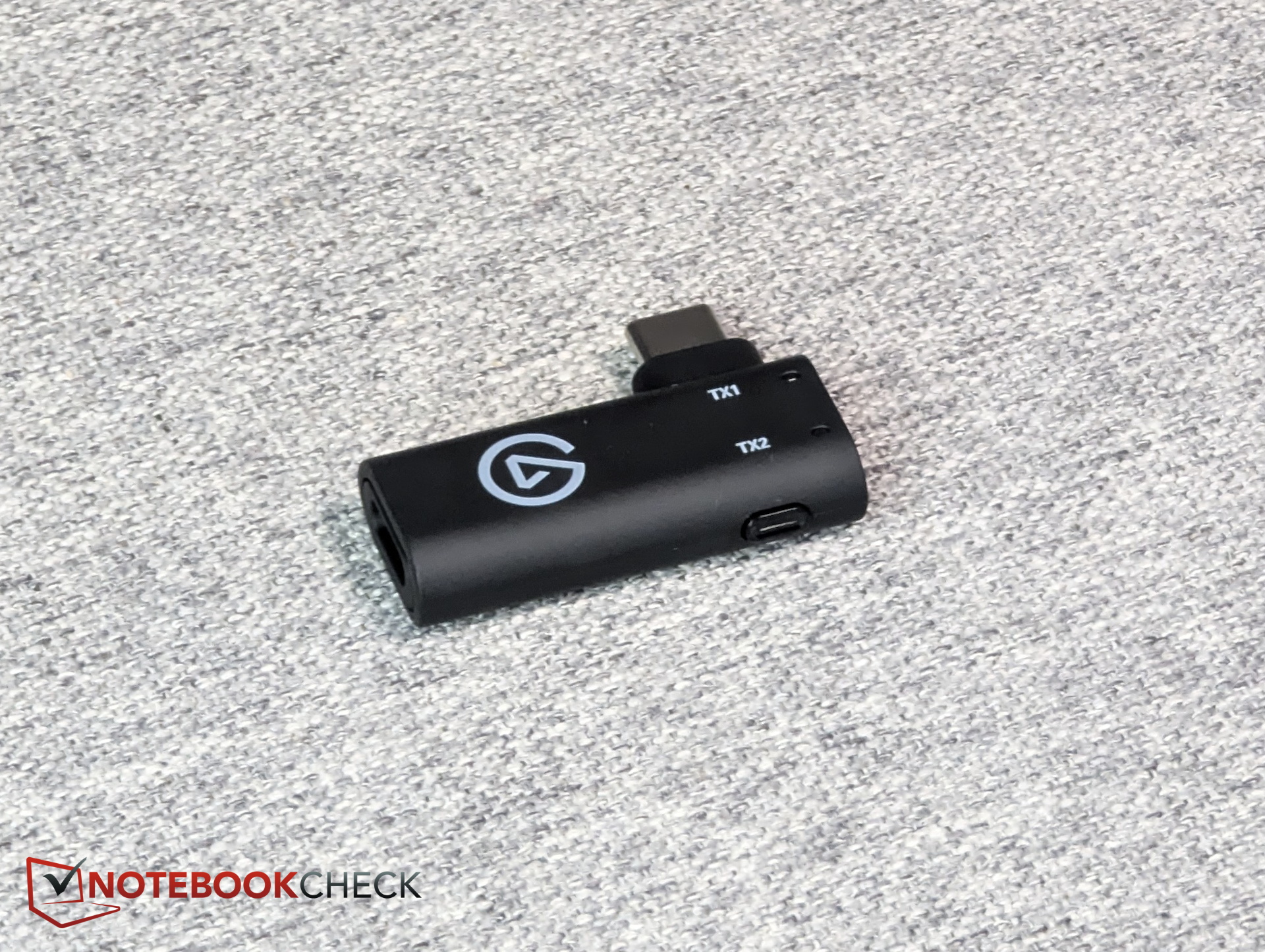
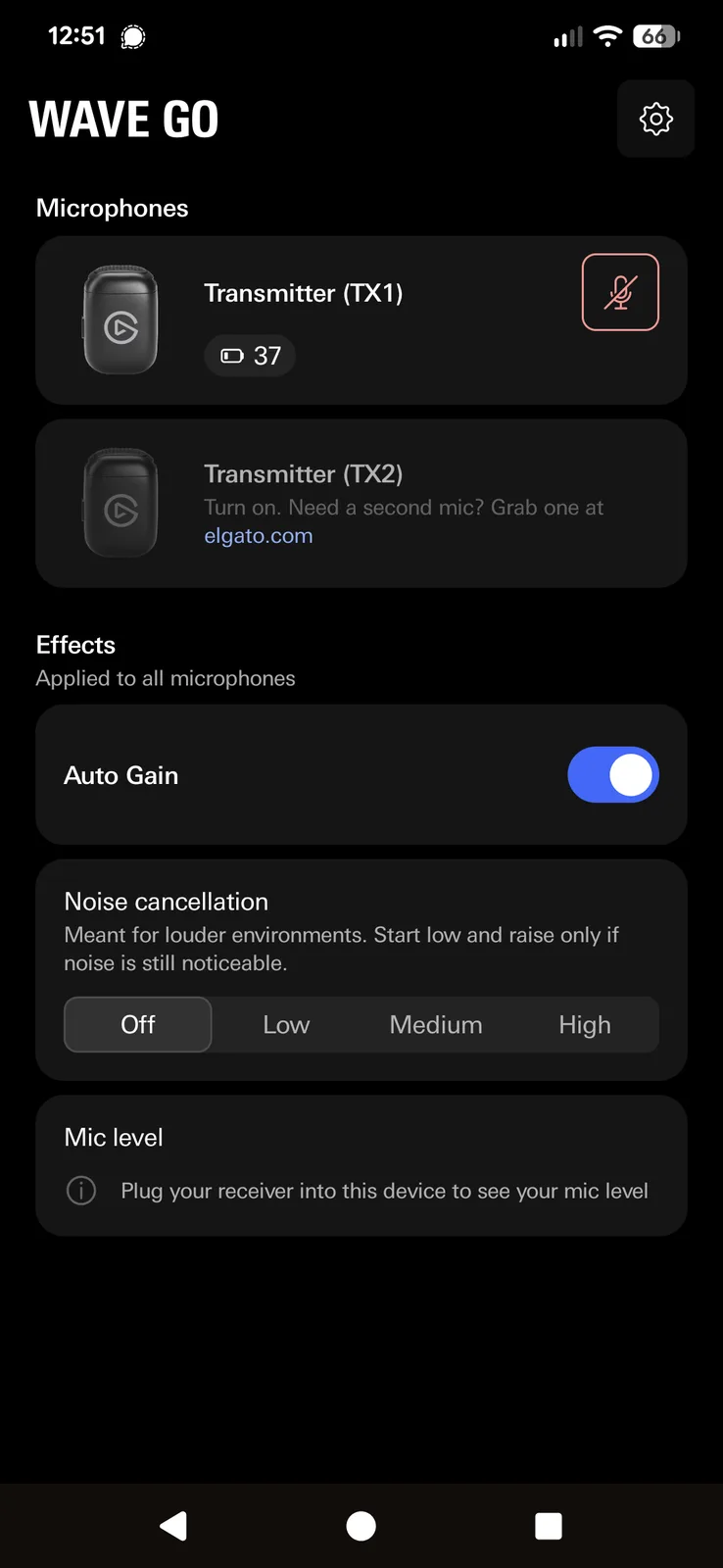
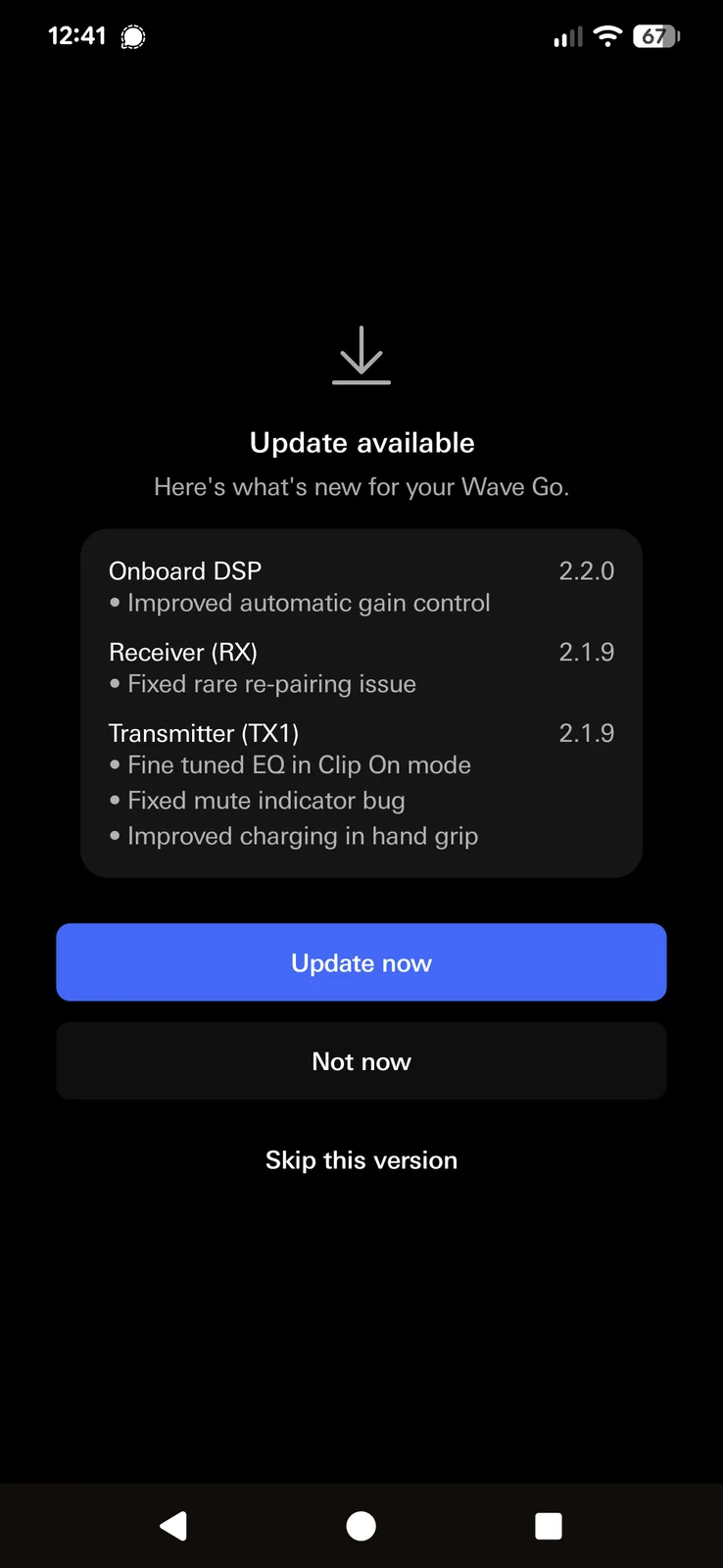
However, you can also use the mic without the app, as several audio optimizations are handled directly on the device. The app provides additional controls for gain and noise reduction strength, lets you check the battery level, and more. To start a recording on a smartphone, for example, you simply press the button on the microphone itself twice. That means you don't have to run over to your phone to start a video or audio recording remotely.
The mic's battery is rated for up to 8 hours. Using the handheld grip extends battery life to 48 hours thanks to its larger, integrated battery. There's no internal storage for recording directly to the device.
| Type | Wireless microphone system (mic transmitter + USB-C receiver) |
| Capsule | 6 mm condenser, omnidirectional |
| Frequency response | 60 Hz–20 kHz |
| Sample rate (bit depth) | 48 kHz (24-bit) |
| Onboard processing | EQ Shift, auto gain, limiter, noise suppression, low-cut filter |
| Wireless frequency | 2.4 GHz ISM band (2402–2480 MHz) |
| Wireless range | 30 m |
| Latency | ≤ 24 ms |
| Codec (GFSK rate) | LC3 (2 Mbps) |
| Compatibility | USB-C phones, tablets, and PCs (Windows 11, macOS, Android, iOS with USB-C) |
| Battery | 80 mAh (microphone), 900 mAh (handheld grip) |
Hands-on test – Elgato Wave Go vs. DJI Mic Mini
Range
The wireless connection is rated for distances of up to 30 m, of course assuming you're outdoors with no walls in the way. For my initial range test, however, I stayed inside my apartment and walked from one room to the next. The results showed that walls significantly interfere with the signal. The connection struggles to make it through even the first wall, despite the door being open. Audio quality briefly deteriorates noticeably before the signal cuts out completely, at a distance of around 7 m.
Outdoors, the range is naturally a little greater, although you generally don't want to wander too far from your smartphone anyway.
Audio qualität
To evaluate audio quality, I recorded a short passage of text using the Elgato Wave Go, DJI Mic Mini, and Insta360 Mic simultaneously.
The first thing that stands out is that the Wave Go's audio is significantly louder, suggesting that it applies more amplification without introducing noticeable hiss. The DJI and Insta360 recordings need to be boosted considerably in post-production, which can also amplify background noise. On the other hand, because the Wave Go operates closer to the clipping threshold, recordings with more variable volume levels may hit clipping sooner, artificially cutting off peaks in the audio compared with the quieter competitors.
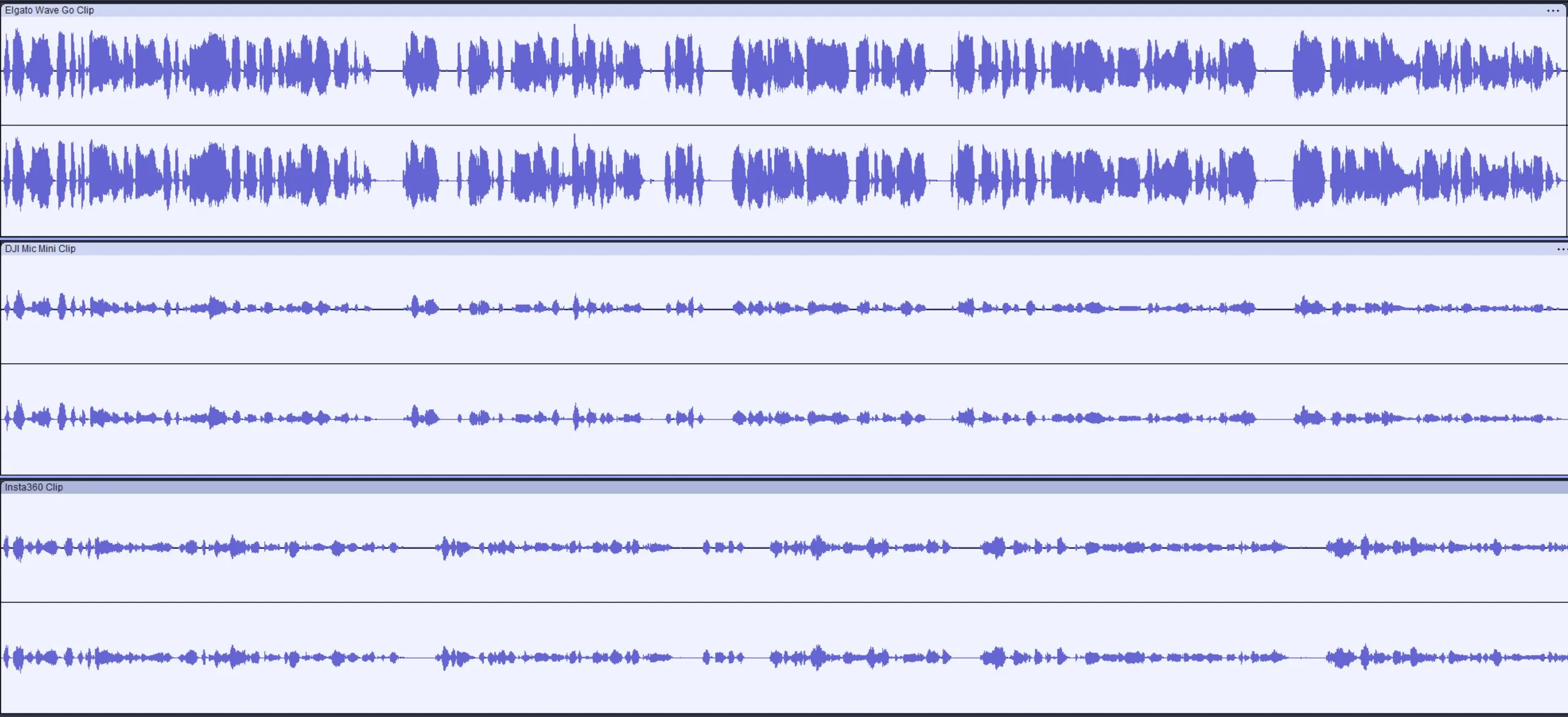
Otherwise, the Elgato mic's recordings have slightly more bass than those of its competitors. Personally, we much prefer the Wave Go's recording to that of the DJI Mic Mini, which sounds as though the microphone is too far away from the speaker. We find the Insta360 sounds a little more premium still, but it's also significantly larger and competes in the same class as the DJI Mic 2/3. The Wave Go comes surprisingly close, and the difference between it and the Insta360 is far less noticeable than the gap between it and the Mic Mini.
Overall, the Elgato mic delivers very good audio quality. It also filters out ambient noise effectively. Opening the window facing the street made no audible difference to the recording. Below are a few audio samples from our three voice recordings with each microphone for comparison. The top row contains the original recordings. In the bottom row, we've normalized the tracks, meaning we increased the volume of the DJI and Insta360 recordings in particular to bring them up to a standard level:
Audio Samples converted to mp3 in Audacity
| Elgato Wave Go | DJI Mic Mini | Insta360 Mic Pro |
|---|---|---|
Transparency
The selection of devices to be reviewed is made by our editorial team. The test sample was given to the author by the manufacturer free of charge for the purposes of review. There was no third-party influence on this review, nor did the manufacturer receive a copy of this review before publication. There was no obligation to publish this review. As an independent media company, Notebookcheck is not subjected to the authority of manufacturers, retailers or publishers.
 Add as a preferred source on Google


No comments for this article
