Radio interference caused by toys: EU test reveals massive rule violations
Products sold via official channels must generally comply with regulations that are, in some cases, highly market-specific. This applies, for example, to foodstuffs, cars or toys. If toys operate using radio waves, they must not cause interference. For journalists, these requirements are sometimes very advantageous, as the conformity assessments and their results provide the public with reliable information about devices not yet released.
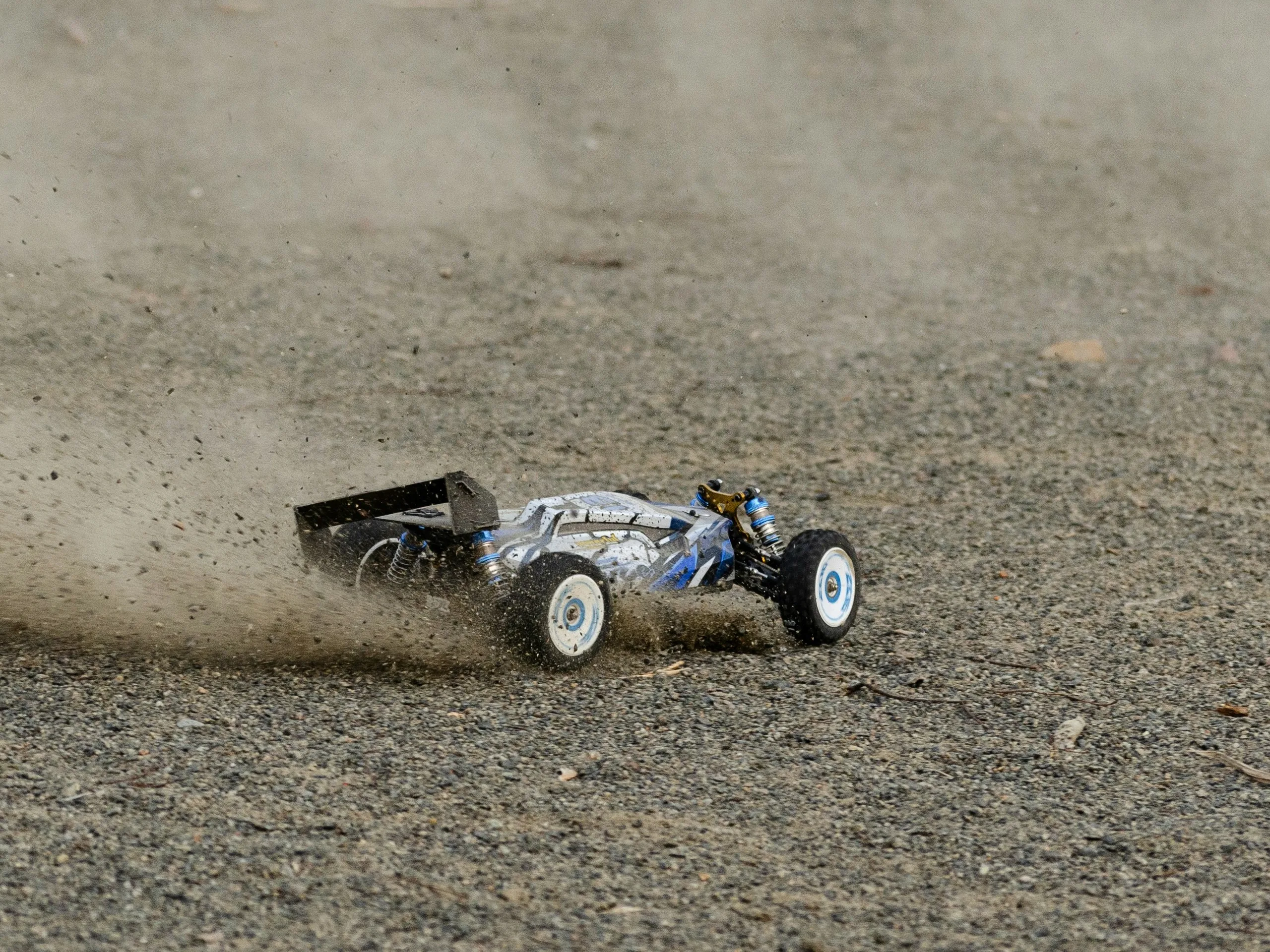
As part of a EU-funded market surveillance campaign, 88 radio-controlled toys were tested accordingly. 36 of the 50 RC vehicles tested did not comply with the regulations; all 16 radio-controlled boats and trains failed, and 14 out of 16 walkie-talkies and smart toys failed. There were deviations both in terms of the permissible transmission power and the frequency ranges in which signals were generated.
The samples were collected by market surveillance authorities in 13 countries, but not in Germany. 67% percent of the samples originated from online retailers, and a third were manufactured in China. In addition to laboratory tests for radio frequency compatibility, compliance with other regulations was also examined. Specifically, the user manual must meet certain requirements. 63% of the samples failed this test. Combined with the laboratory results, 71 samples, or a staggering 81%, did not meet the various requirements. Twenty-two sales bans were issued, and several products were listed on the ICSMS (International Consumer Electronics Management System).
Source(s)
Photo: Oleksandr Horbach via Unsplash
 Add as a preferred source on Google