




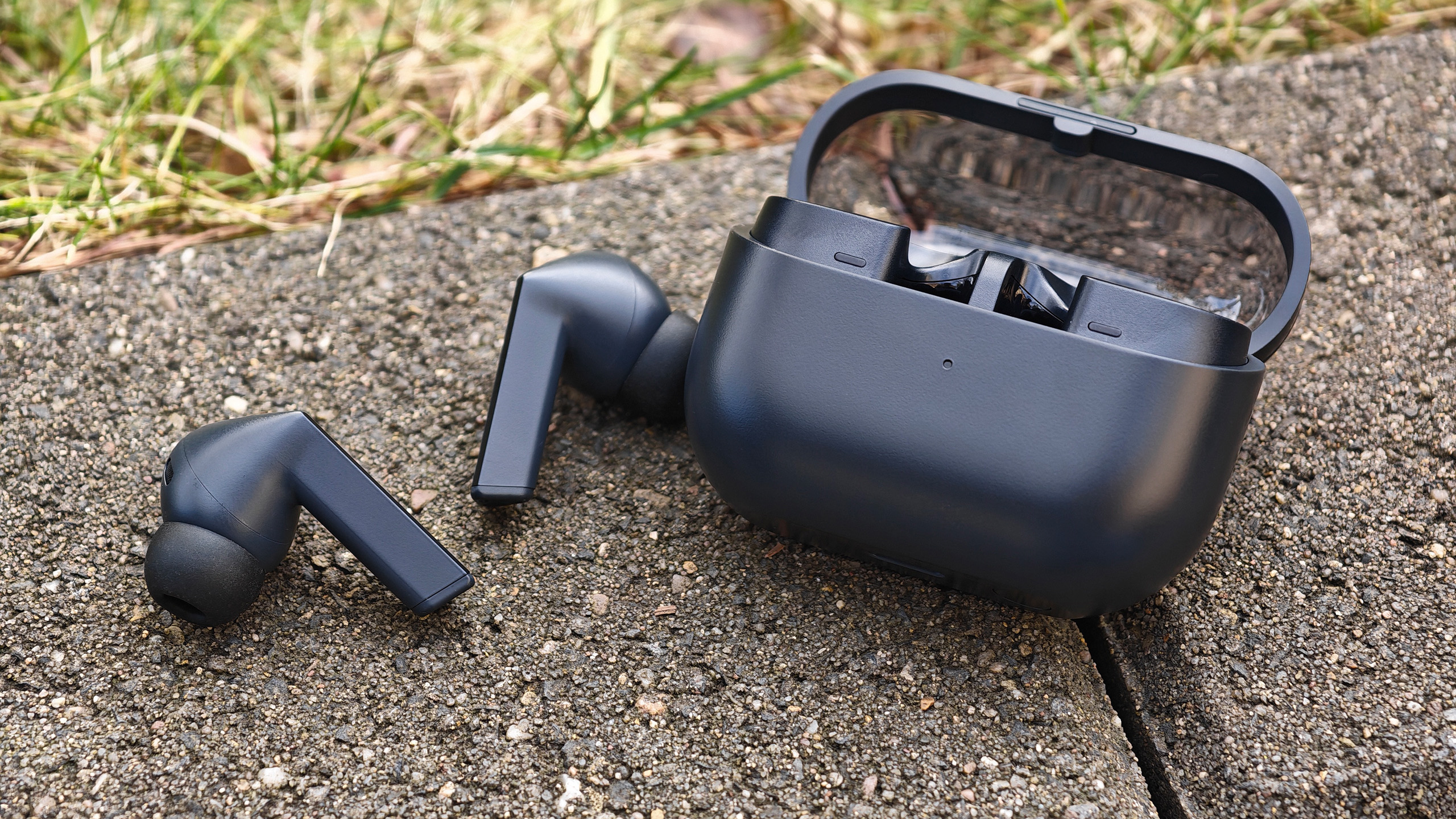
Verdict on the Samsung Galaxy Buds3 FE
The Samsung Galaxy Buds3 FE aim to shine as an affordable entry point into the Buds3 world, but they stumble over noticeable compromises that make their full price questionable in the competitive mid-range segment.
On the positive side, they offer above-average noise cancellation and a sturdy design with a good fit. Battery life, sound quality, and call performance are more than decent. However, we miss multipoint support.
Pros
Cons
Price and availability
The Samsung Galaxy Buds3 FE have a recommended retail price of around $150 and are available directly from the Samsung online shop, but also from Amazon.

Table of Contents
- Verdict on the Samsung Galaxy Buds3 FE
- Specifications: Samsung Galaxy Buds3 FE
- Body and ergonomics - Fan Edition comes without LED light strips
- Sustainability - Samsung headphones are not repairable
- Features and operation - SSC codec, but no 24-bit audio
- Sound - A well-balanced overall package
- Battery life - Galaxy Buds3 FE with 53 mAh
Specifications: Samsung Galaxy Buds3 FE
| Wearing style | In-ear |
| Connectivity | Bluetooth 5.4 |
| Range | 10 m |
| Speaker | Dynamic 1-way speaker, 20 - 20,000 Hz, 360° audio |
| Audio codecs | SBC, AAC, SSC |
| Battery capacity | 53 mAh (earbuds), 515 mAh (charging case) |
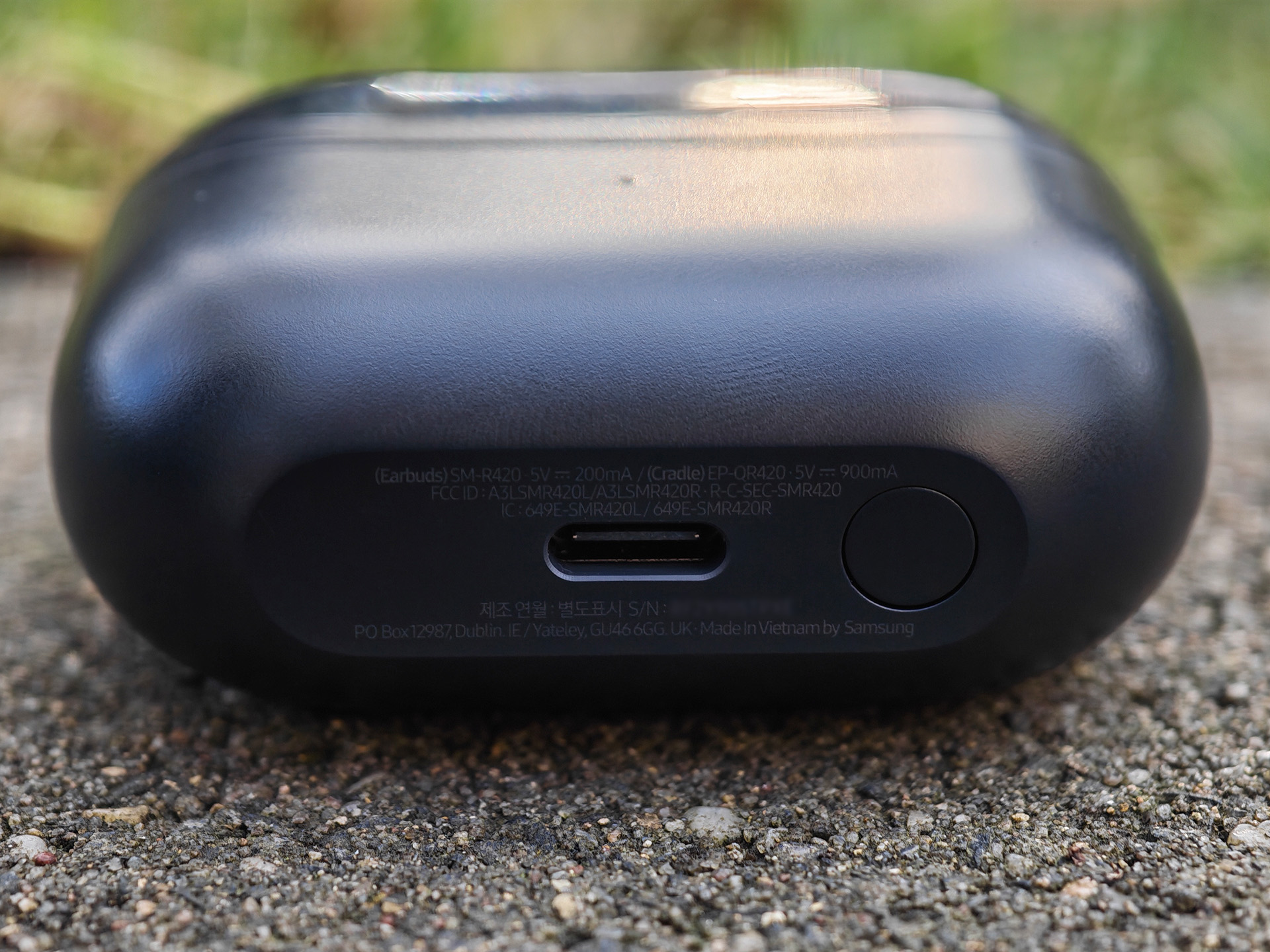
| Charging port | USB-C |
| Wireless charging | Not supported |
| Weight | 5 g (earbuds), 41.8 g (charging case) |
| Firmware version | R420XXU0AYH1 |
| Included in the box | Earbuds, charging case, silicone ear tips (3 sets: S, M, L) |
| Price (RRP) | $150 |
The Samsung Galaxy Buds3 FE are positioned as a more affordable entry point into Samsung's in-ear ecosystem, adopting much of the design of the Buds3 Pro, but cutting back on features. Our review will determine whether they are still a worthwhile investment.
Body and ergonomics - Fan Edition comes without LED light strips
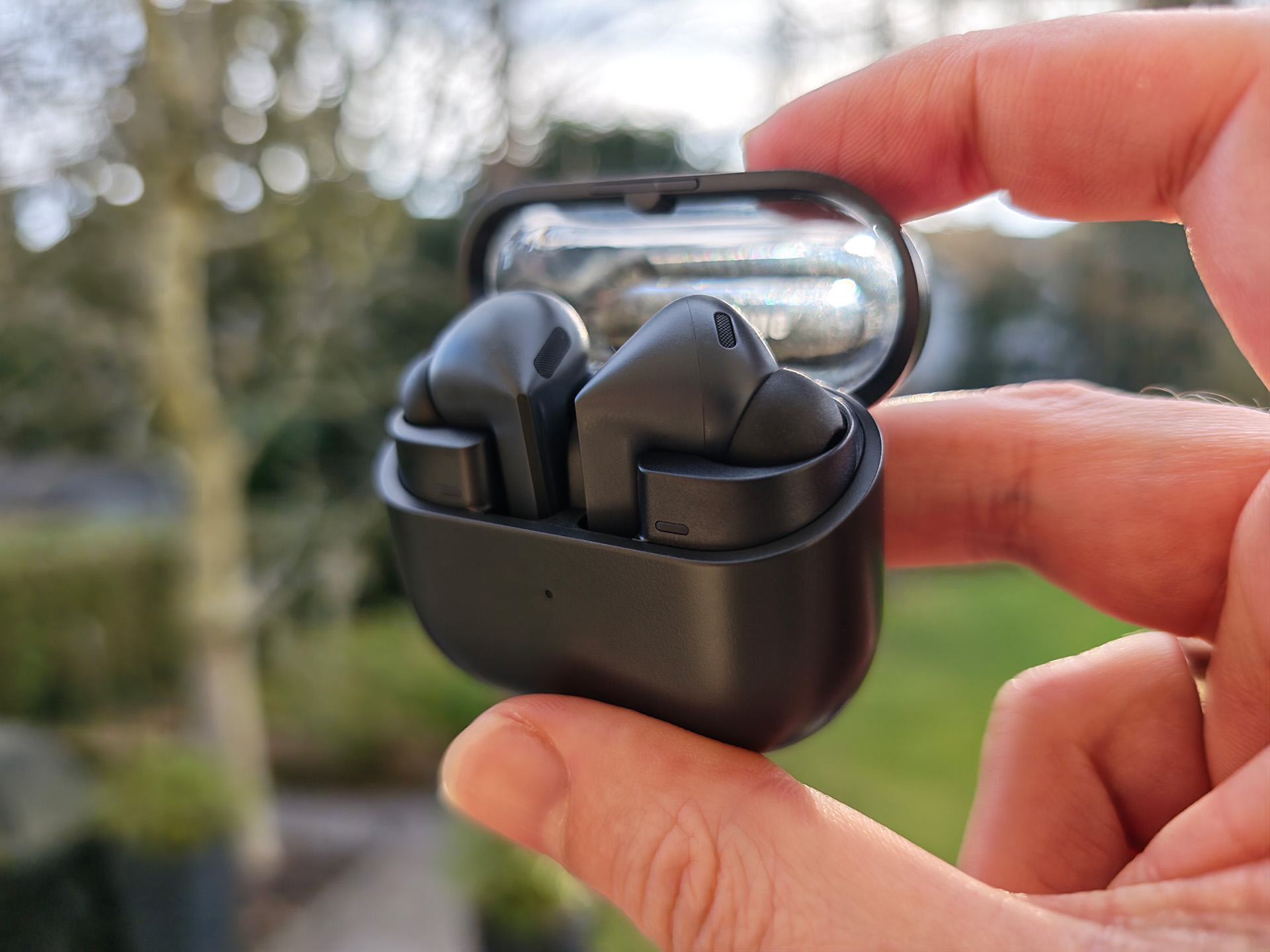
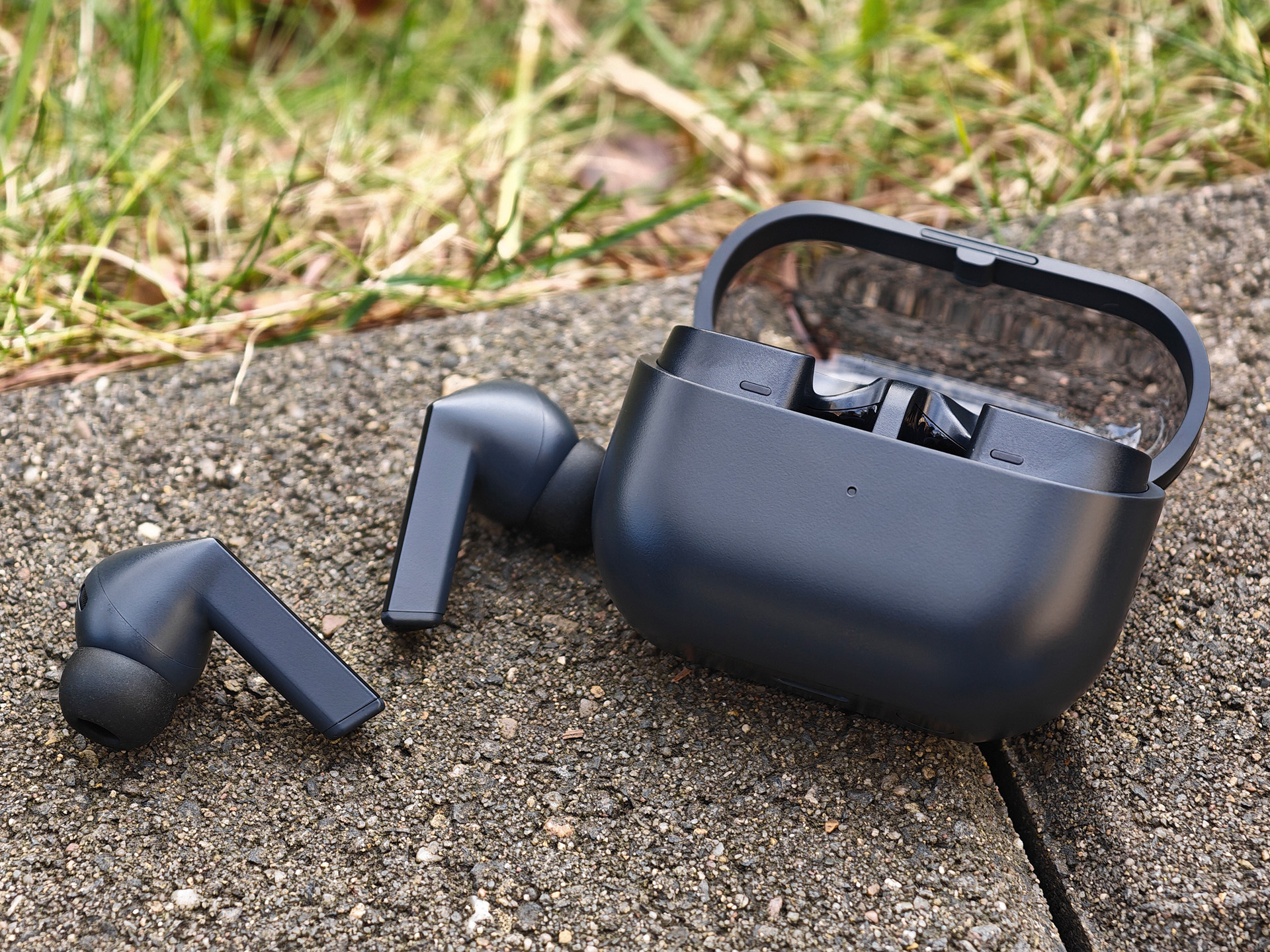
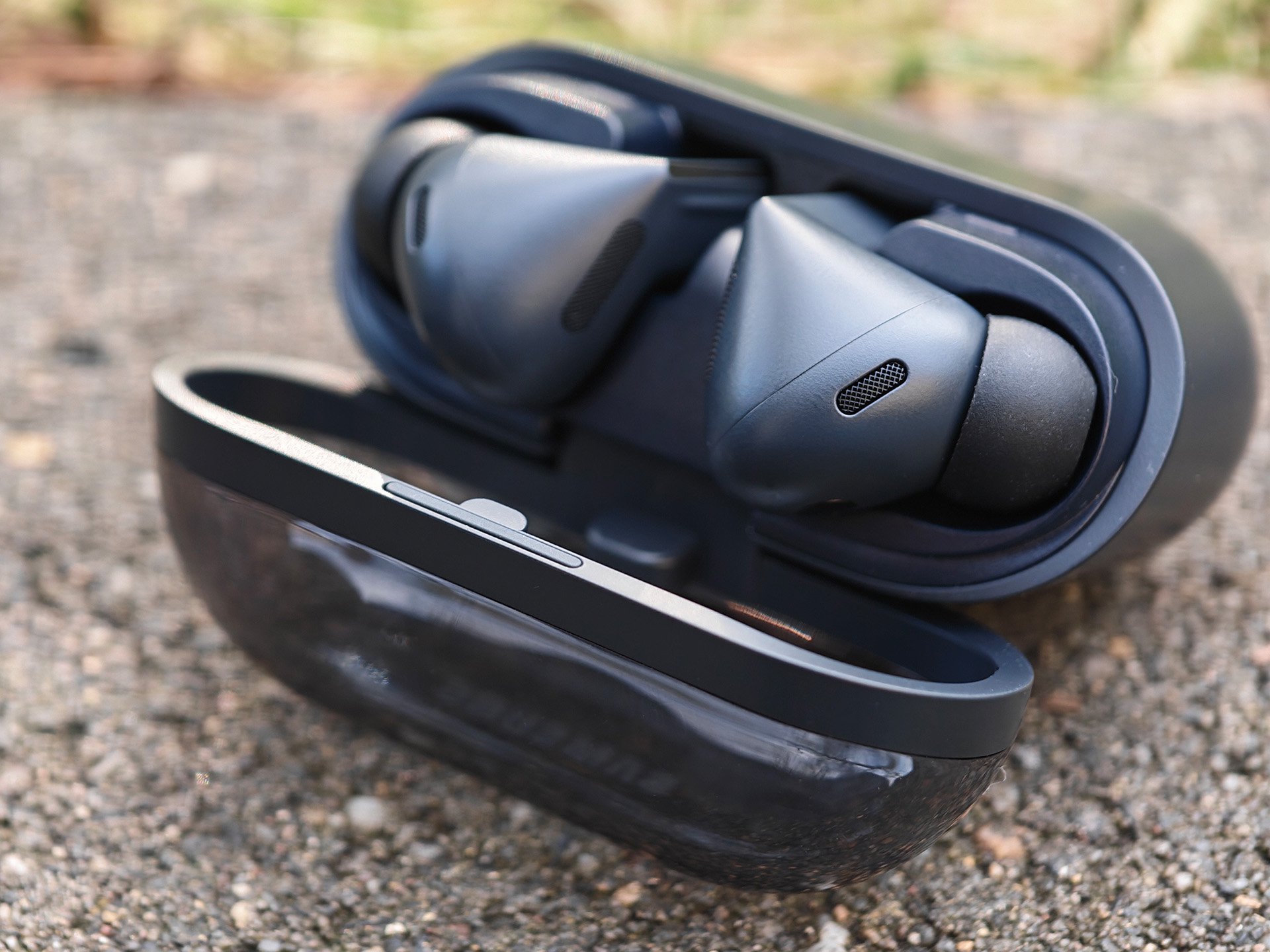
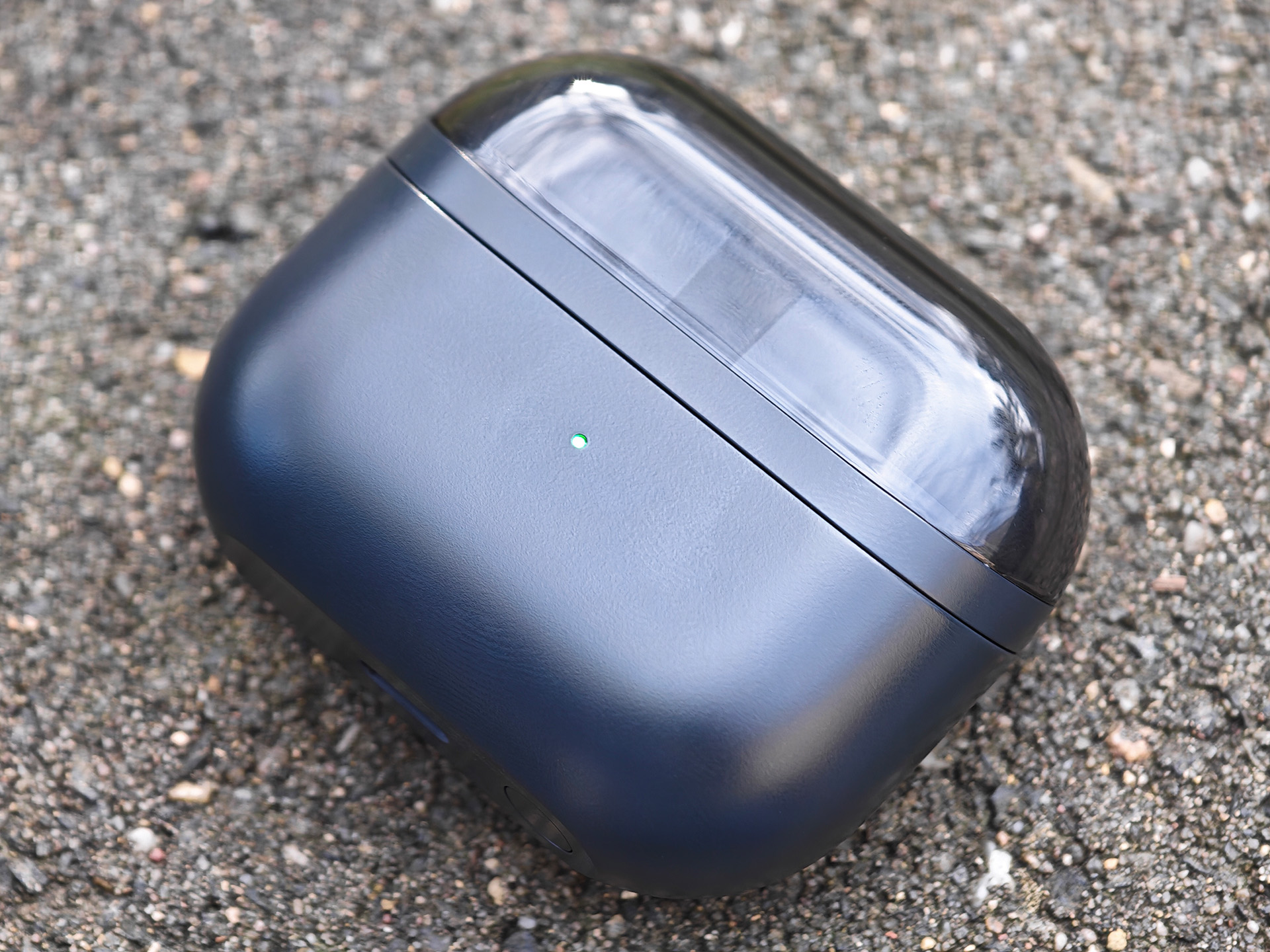
The charging case for the Samsung Galaxy Buds3 FE (FE stands for Fan Edition) is made of matte plastic with IP54 protection, appears robust and fingerprint-resistant, but lacks premium features like glass surfaces or the LED rings of the more expensive Pro models. The earbuds themselves weigh just 5 grams each and have a matte finish in neutral colors like gray or white. The case's magnetic closure is secure and prevents accidental opening.
Ergonomically optimized, the Buds3 FE offer a customized fit thanks to three sizes of silicone ear tips and passively isolate noise better than open-back in-ear headphones. In practical testing, they stayed firmly in place while walking or cycling. For in-ear headphones, the pressure is manageable, making even longer sessions quite comfortable. The touch controls on the stem are precise, although it takes some getting used to initially triggering double and triple taps reliably.
Sustainability - Samsung headphones are not repairable
The Galaxy Buds3 FE come in a small cardboard box that is free of any visible plastics. Samsung provides no specific information about the sustainability of its headphones, nor is it intended that they can be repaired by the user.
Features and operation - SSC codec, but no 24-bit audio
An 11mm dynamic driver delivers the sound, supported by codecs such as SSC (Samsung Seamless Codec), AAC, and SBC. However, the SSC codec is only available for Samsung phones, but since the Buds3 FE don't support 24-bit Hi-Fi audio anyway, this isn't a major drawback. 360-degree audio is available, though. Three microphones per earbud with AI-powered voice processing enhance calls, and ANC utilizes Adaptive Hybrid technology with up to 30 dB of noise reduction.
Touch controls on the stem of the Samsung Galaxy Buds3 FE allow for precise control: tap for play/pause, swipe for volume, and hold to toggle ANC mode. These gestures are customizable in the Galaxy Wearable app. The app also allows for EQ presets, tip fit tests, firmware updates, and access to Galaxy AI tools like Interpreter Mode. Seamless switching between Galaxy devices works flawlessly, but multipoint to non-Samsung devices is missing.


Sound - A well-balanced overall package
The 11mm driver in the Samsung Galaxy Buds3 FE produces a comparatively balanced sound with slightly boosted bass, clear mids, and somewhat overly prominent treble. Nevertheless, the Samsung earbuds deliver a fairly well-balanced sound for true wireless earbuds. Galaxy AI also enables spatial sound (360 Audio) with head tracking on compatible devices, and EQ adjustments in the app offer presets like "Dynamic" or "Bass Boost" for fine-tuning. Audiophiles will likely be disappointed, but for everyday use, Samsung offers an appealing overall package.
Adaptive ANC effectively attenuates low frequencies like traffic noise by up to 30 dB, while mid frequencies (voices) are significantly reduced without creating complete silence. The mode dynamically adapts to the environment, and Ambient Sound allows ambient sounds to pass through naturally with minimal hiss in quiet areas. The Buds3 FE also performed well on an airplane.
Three AI-optimized microphones per earbud capture speech quite clearly, and wind noise is noticeably reduced, but background noise is still audible in heavy traffic or strong winds. Callers report good call clarity.
| Loudspeakers | |
| THD | |
| Huawei FreeBuds 7i (RMS: -2.7 dBFS) | |
| Samsung Galaxy Buds3 FE (RMS: -1.0 dBFS) | |
| Nothing Ear 3 (RMS: -2.0 dBFS) | |
| THD+N | |
| Samsung Galaxy Buds3 FE (RMS: -1.0 dBFS) | |
| Huawei FreeBuds 7i (RMS: -2.7 dBFS) | |
| Nothing Ear 3 (RMS: -2.0 dBFS) | |
* ... smaller is better
THD (Total Harmonic Distortion): Harmonic distortion quantifies the magnitude of the components that arise from non-linear distortion (harmonic content) in relation to the original signal. THD refers only to the fundamental harmonic content. The distortion factor is often mentioned in the same breath, but refers to the overall signal.
THD+N (Total Harmonic Distortion + Noise): This value is comparable to THD, but in addition to the interference from harmonics, the interference from noise is also recorded as an effective value.
For the measurement, a low-harmonic sine wave signal (1 kHz, > 0 dB) is played through the headphones to be tested and recorded by a linear measuring microphone (measuring distance: approx. 1 cm) in an artificial head.
Both values are given as a percentage. The lower the value, the better the signal fidelity.
Samsung Galaxy Buds3 FE audio analysis
(+) | speakers can play relatively loud (92.8 dB)
Bass 100 - 315 Hz
(+) | good bass - only 1.7% away from median
(+) | bass is linear (2.5% delta to prev. frequency)
Mids 400 - 2000 Hz
(+) | balanced mids - only 4.1% away from median
(+) | mids are linear (3.4% delta to prev. frequency)
Highs 2 - 16 kHz
(±) | higher highs - on average 9.7% higher than median
(+) | highs are linear (5.4% delta to prev. frequency)
Overall 100 - 16.000 Hz
(+) | overall sound is linear (11.2% difference to median)
Compared to same class
» 7% of all tested devices in this class were better, 2% similar, 91% worse
» The best had a delta of 4%, average was 23%, worst was 136%
Compared to all devices tested
» 7% of all tested devices were better, 2% similar, 91% worse
» The best had a delta of 4%, average was 23%, worst was 136%
Nothing Ear 3 audio analysis
(+) | speakers can play relatively loud (93.6 dB)
Bass 100 - 315 Hz
(-) | nearly no bass - on average 16.1% lower than median
(+) | bass is linear (3.6% delta to prev. frequency)
Mids 400 - 2000 Hz
(±) | reduced mids - on average 8.8% lower than median
(±) | linearity of mids is average (7% delta to prev. frequency)
Highs 2 - 16 kHz
(±) | higher highs - on average 12.2% higher than median
(+) | highs are linear (6% delta to prev. frequency)
Overall 100 - 16.000 Hz
(±) | linearity of overall sound is average (22.1% difference to median)
Compared to same class
» 64% of all tested devices in this class were better, 6% similar, 29% worse
» The best had a delta of 4%, average was 23%, worst was 136%
Compared to all devices tested
» 64% of all tested devices were better, 6% similar, 29% worse
» The best had a delta of 4%, average was 23%, worst was 136%
Battery life - Galaxy Buds3 FE with 53 mAh
The Samsung Galaxy Buds 3 FE offer solid battery life for the mid-range market, easily lasting through everyday use without constant recharging, but they don't set any benchmarks.
With ANC enabled, the earbuds achieved approximately 4 to 6 hours of playback per charge in our tests, and the charging case extends the total runtime to up to 30 hours.
A 10-minute charge via the USB-C port on the case provides about 60 minutes of playback time, while a full charge takes just over an hour and a half. Wireless charging is not supported.
Transparency
The selection of devices to be reviewed is made by our editorial team. The test sample was provided to the author as a loan by the manufacturer or retailer for the purpose of this review. The lender had no influence on this review, nor did the manufacturer receive a copy of this review before publication. There was no obligation to publish this review. As an independent media company, Notebookcheck is not subjected to the authority of manufacturers, retailers or publishers.
This is how Notebookcheck is testing
Every year, Notebookcheck independently reviews hundreds of laptops and smartphones using standardized procedures to ensure that all results are comparable. We have continuously developed our test methods for around 20 years and set industry standards in the process. In our test labs, high-quality measuring equipment is utilized by experienced technicians and editors. These tests involve a multi-stage validation process. Our complex rating system is based on hundreds of well-founded measurements and benchmarks, which maintains objectivity. Further information on our test methods can be found here.
 Add as a preferred source on Google


