


PeakDo launches new Starlink Mini battery with 5.5 hours of off-grid internet
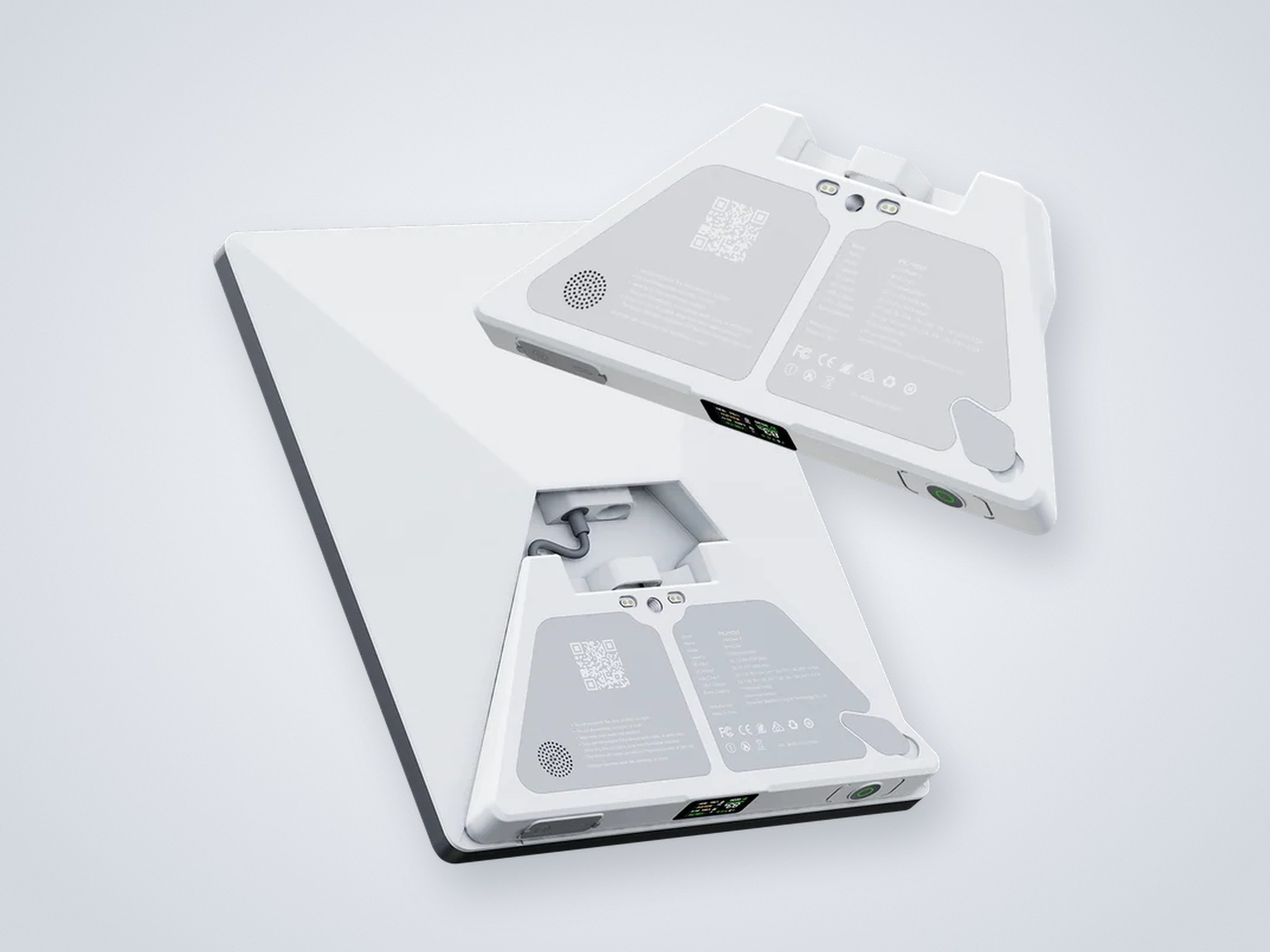
PeakDo has launched the LinkPower Ultra, a $329 battery that clips onto the back of SpaceX’s Starlink Mini dish and adds a built-in fan to keep its cells cool. It is the fourth model in the Chinese company’s LinkPower range, like the LinkPower 3.
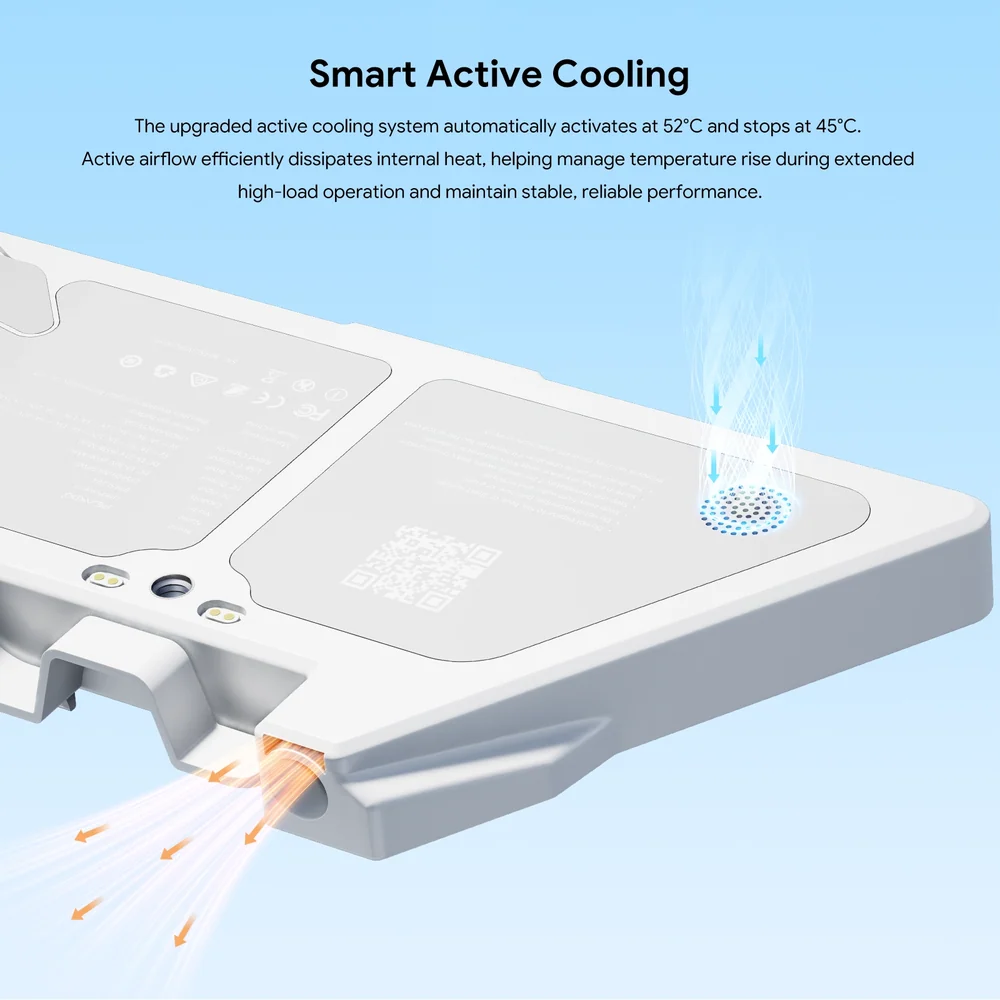
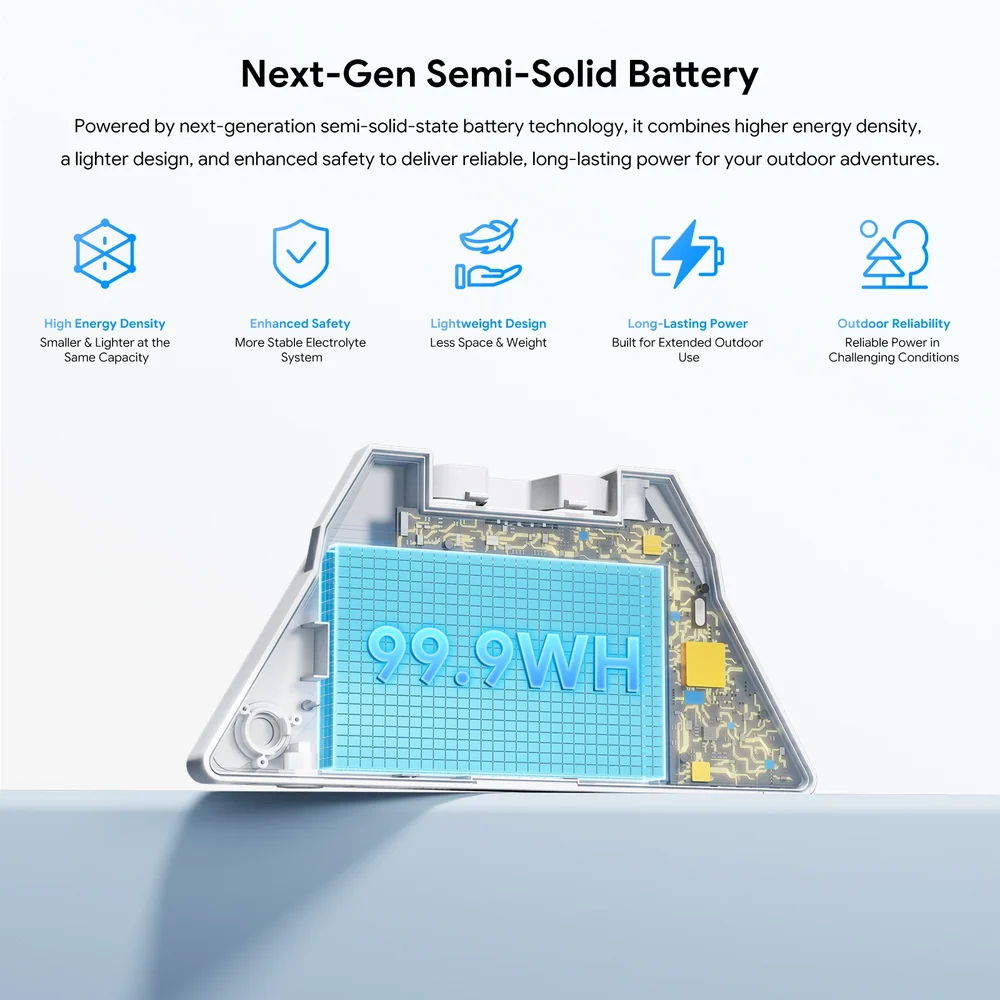
The fan switches on automatically when the battery reaches 52°C and turns off once it cools to 45°C. The Ultra also moves to semi-solid-state battery cells. A punctured lithium-ion cell can set off a chain reaction that leads to fire, and PeakDo says the new cells improve thermal stability and reduce the risk of electrolyte leakage.
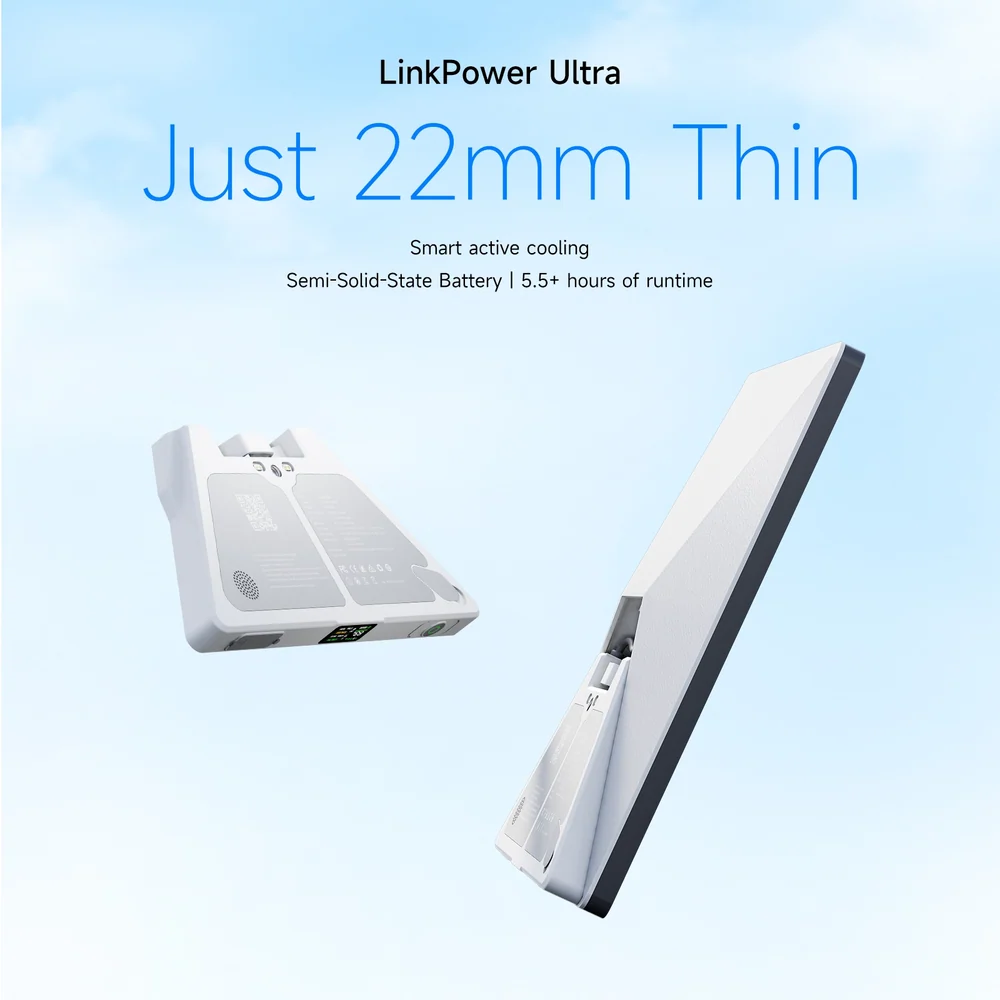
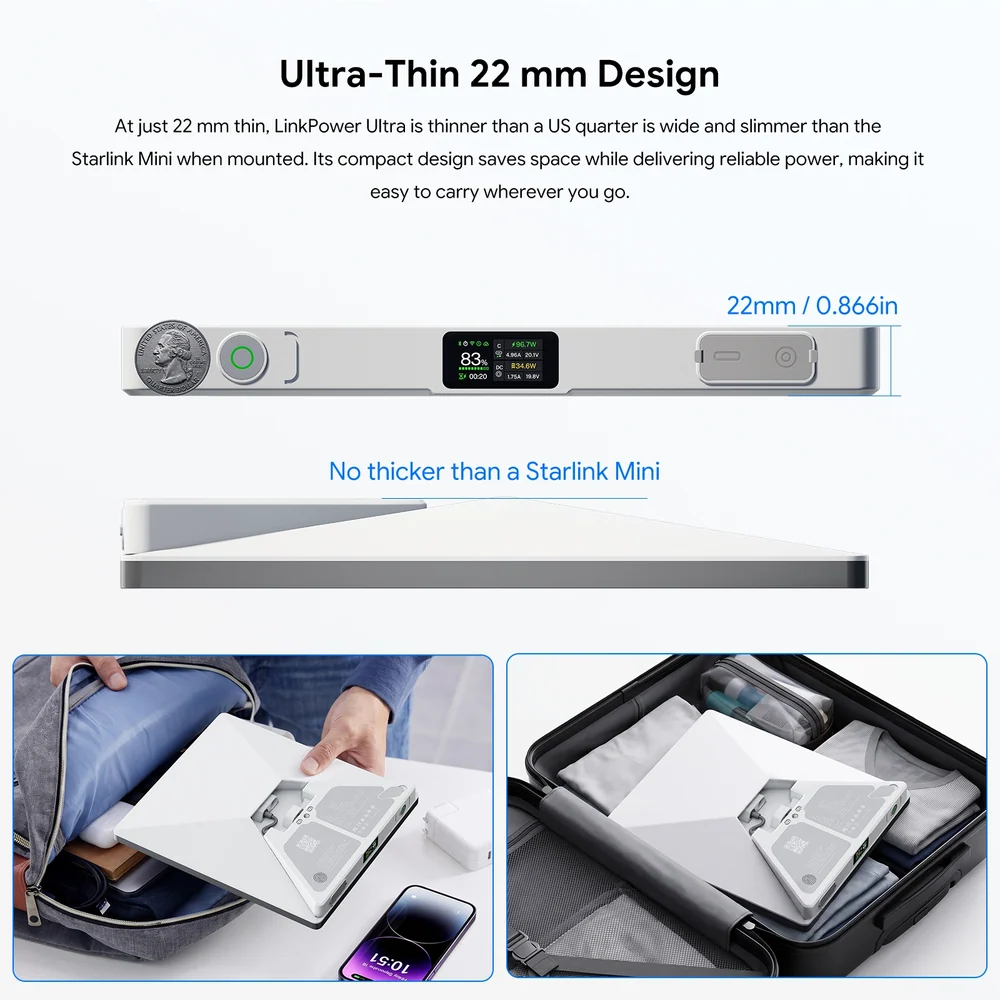
Denser cells allowed PeakDo to cut the thickness to 22mm, down from 27mm on the LinkPower 3, and the unit weighs about 663g. Capacity stands at 27,000mAh, or 99.9Wh, just under the 100Wh limit the US Federal Aviation Administration sets for lithium-ion batteries that passengers can carry without airline approval. PeakDo rates runtime at up to 5.5 hours with the Starlink Mini at an average draw of 20W, the same figure it gives for the 27,500mAh LinkPower 3.
The battery powers the dish through a magnetic DC connector rated at up to 65W, and a USB-C port can charge other devices at up to 65W. Recharging over USB-C runs at 65W by default and up to 100W once enabled in software, while pass-through charging keeps the dish online as the battery refills. The Ultra also carries an IP65 rating, a 1/4-inch thread for tripods and camera mounts, and Wi-Fi monitoring through the PeakDo LinkPower app, which shows battery status remotely and can schedule power cycles.
At $329, the Ultra costs $80 more than the LinkPower 3. The Starlink Mini itself currently sells for $149 on Starlink.com. PeakDo is offering $30 off the battery for 10 days, and bundles with a car charger, a mount, or both cost between $349 and $389.
Initial stock ships from China, with delivery to the US expected to take seven to 15 days. PeakDo told PCMag it plans to submit the product for listing on Amazon in early November. SpaceX is developing a second-generation Starlink Mini with its own battery capability, and the company is preparing a holiday sales push for its newest dishes.
 Add as a preferred source on Google


