


Path of Exile 2 finally reveals its gargantuan full-release update
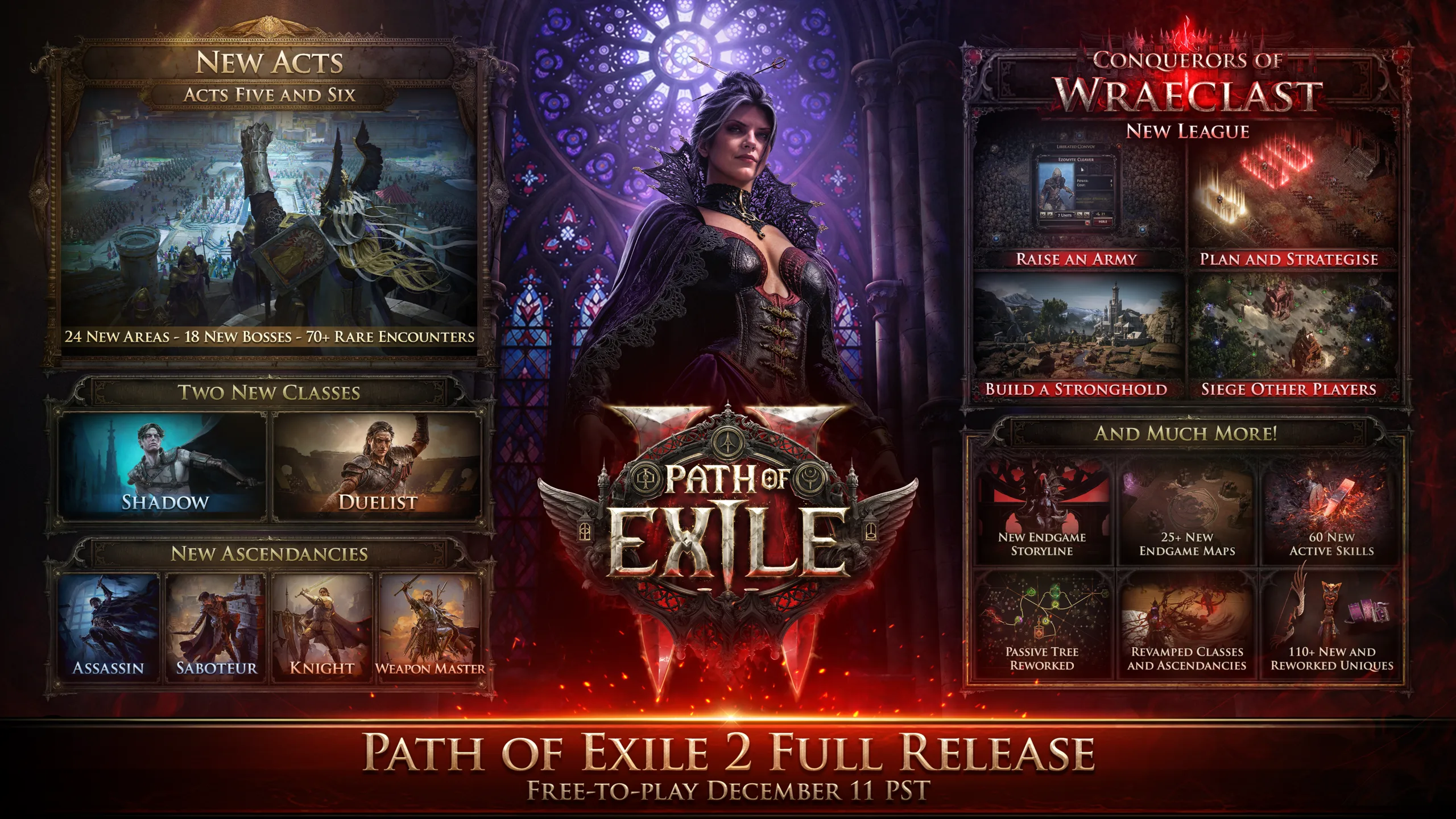
After nearly two years in Early Access, Path of Exile 2 is finally approaching its full release. Grinding Gear Games has unveiled the massive version 1.0 update at ExileCon 2026, confirming two new playable classes, the long-awaited conclusion to the campaign, extensive character and endgame reworks, and an ambitious new league that introduces large-scale faction warfare.
The update, which arrives on December 11, 2026, will also mark the game's transition to a free-to-play model. While the release date was confirmed earlier this year, the developer has now revealed the full extent of the changes awaiting players.
According to Grinding Gear Games, the finished game will feature ten playable classes, 26 Ascendancy specialisations, over 320 skills, more than 400 Unique Items, and upwards of 150 endgame maps. The studio has also promised performance improvements, new crafting mechanics, and significant changes to existing classes.
Path of Exile 2 finally gets its complete six-act campaign
One of the biggest additions to version 1.0 is the completion of the main storyline. Path of Exile 2 originally launched into Early Access in December 2024 with only three acts, with subsequent updates gradually expanding the campaign with Act 4 and three Interludes bridge the campaign and endgame. The upcoming update adds Acts 5 and 6, finally allowing players to experience the complete story.
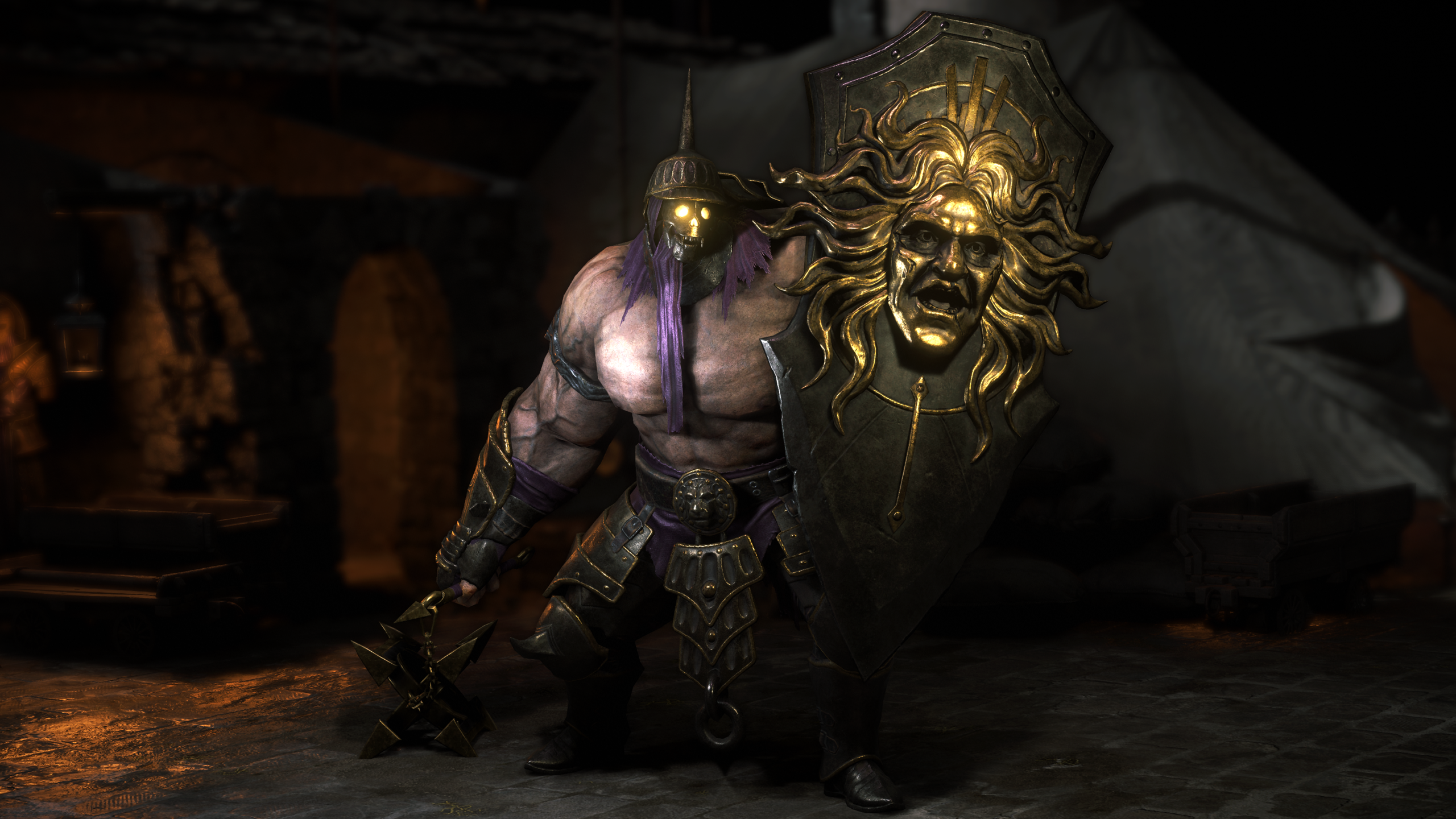
The final chapters will introduce 24 new areas, 18 unique bosses, and more than 20 special Champion Rare encounters. Unlike regular rare monsters, these encounters feature distinct appearances, mechanics, and abilities, making them closer to miniature boss fights.
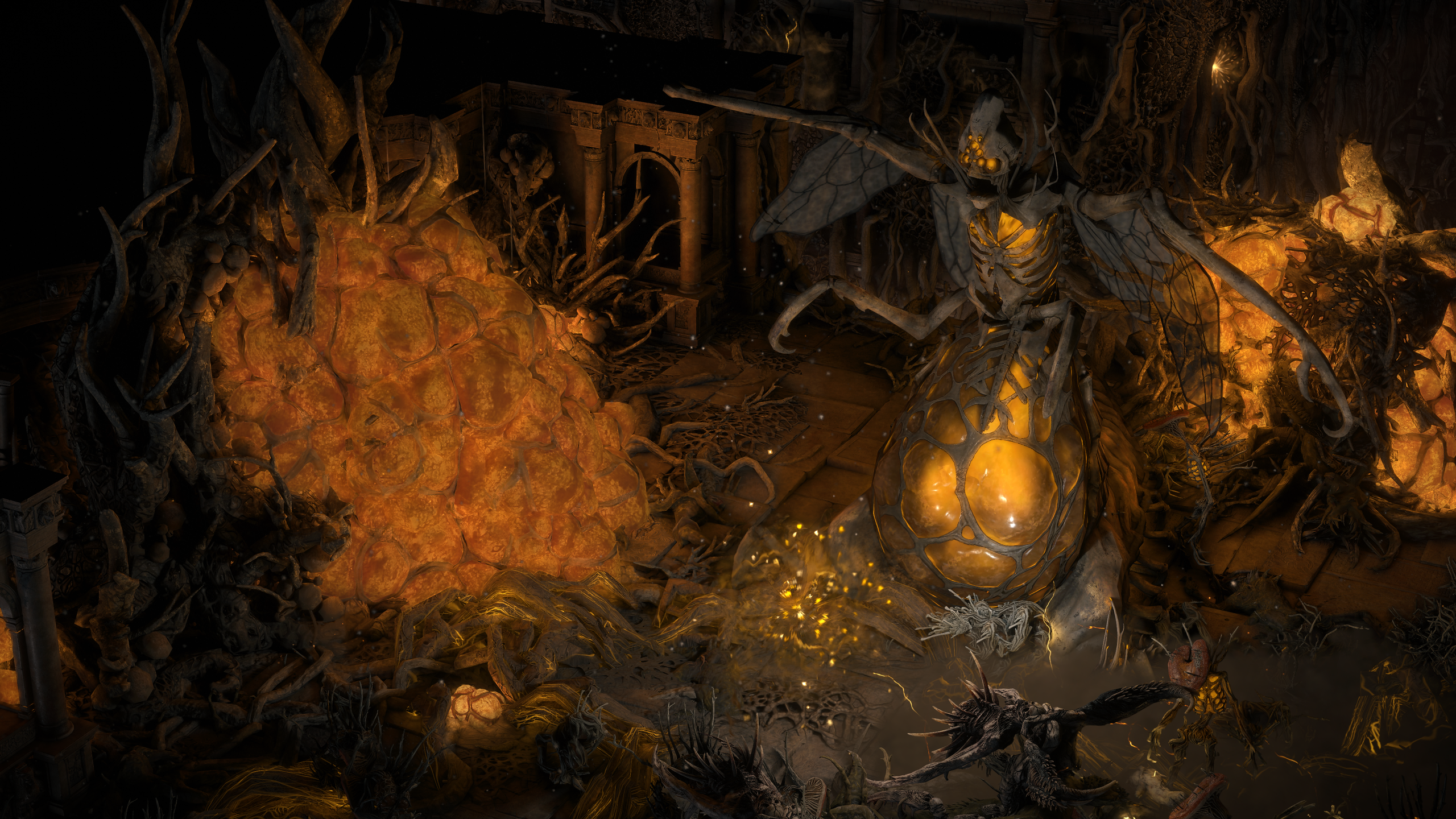
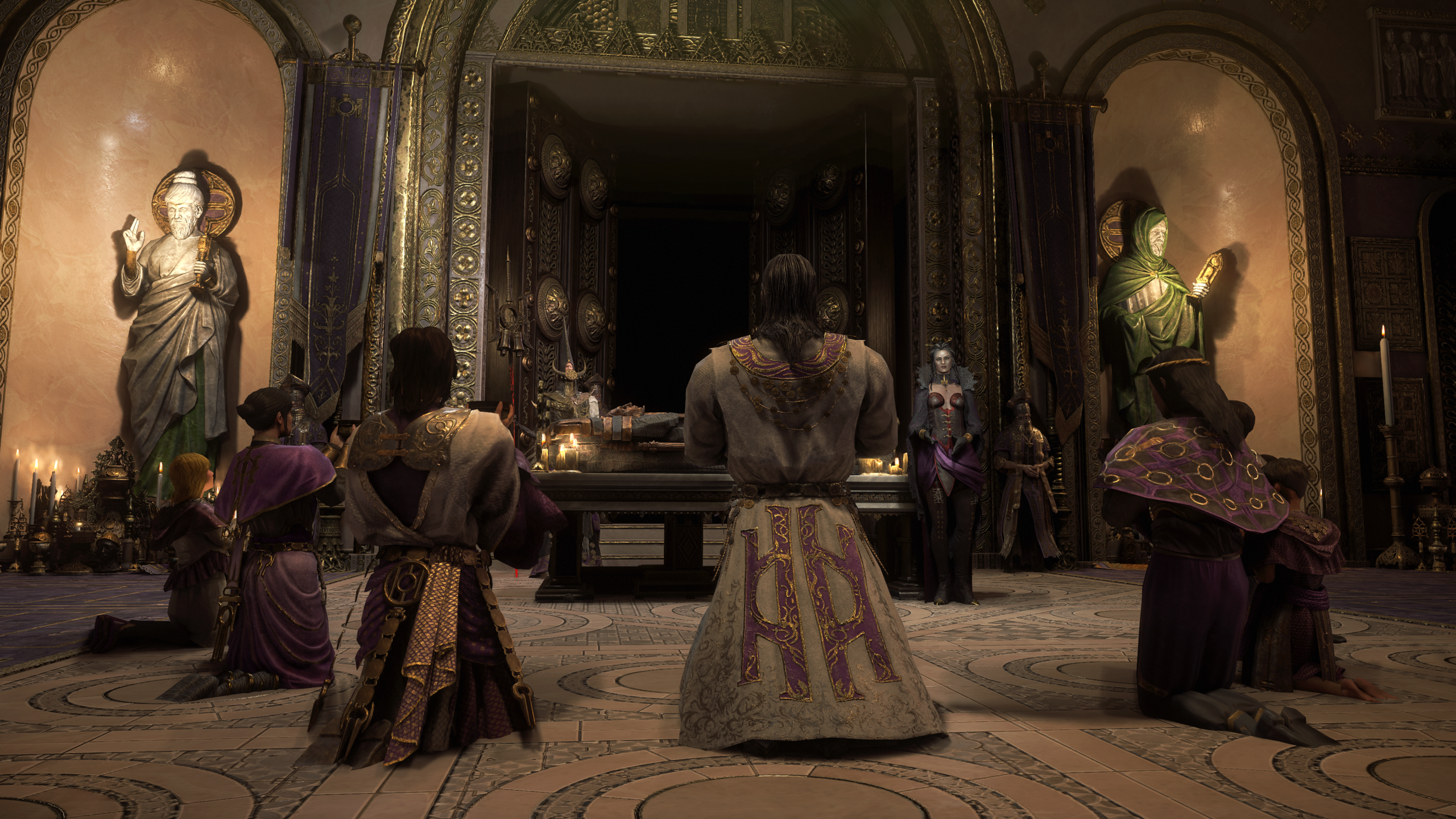
Act 5 takes players back to Oriath, a familiar location from the original Path of Exile. However, the once-great city has fallen into ruin, with the Twilight Order and the Beast threatening what remains of Wraeclast. Act 6 has understandably been kept under wraps, but word on the street says it will not be nearly as long as the other acts.
Grinding Gear Games claims the final two acts feature some of its most ambitious environments and challenging boss encounters yet. The campaign will also introduce elements of the new Conquerors of Wraeclast league, integrating its larger conflict into the main storyline.
One missing piece of the puzzle is the third ascension mechanism. Trial of the Ancestors has been sitting as a placeholder ever since Act 4 dropped, but there’s no word about when we will actually get to play it. Thankfully, getting your third ascendancy is a lot easier now with the reworked Trial of Chaos.

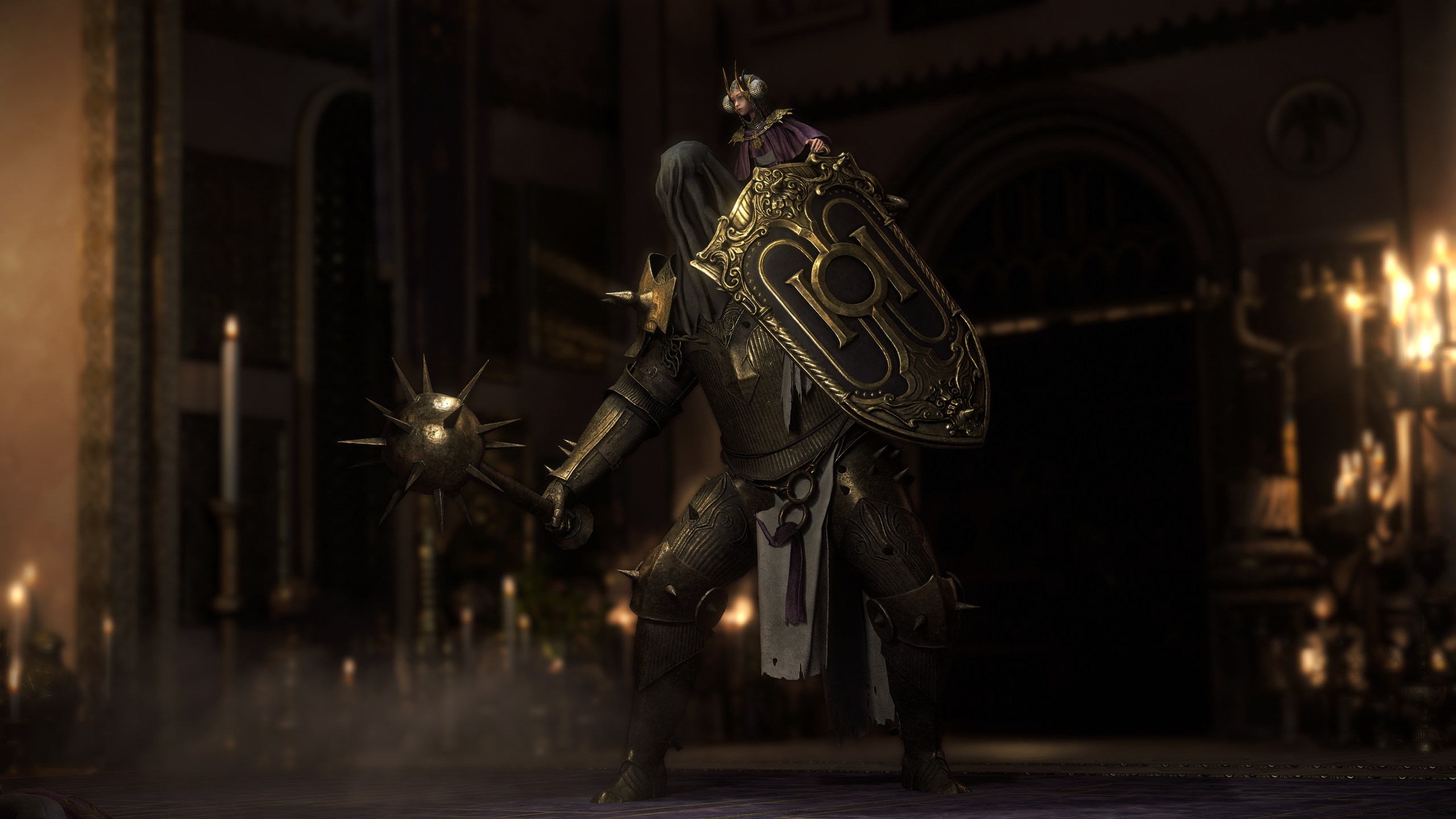
Shadow and Duelist classes are finally here; Templar and Marauder to come later
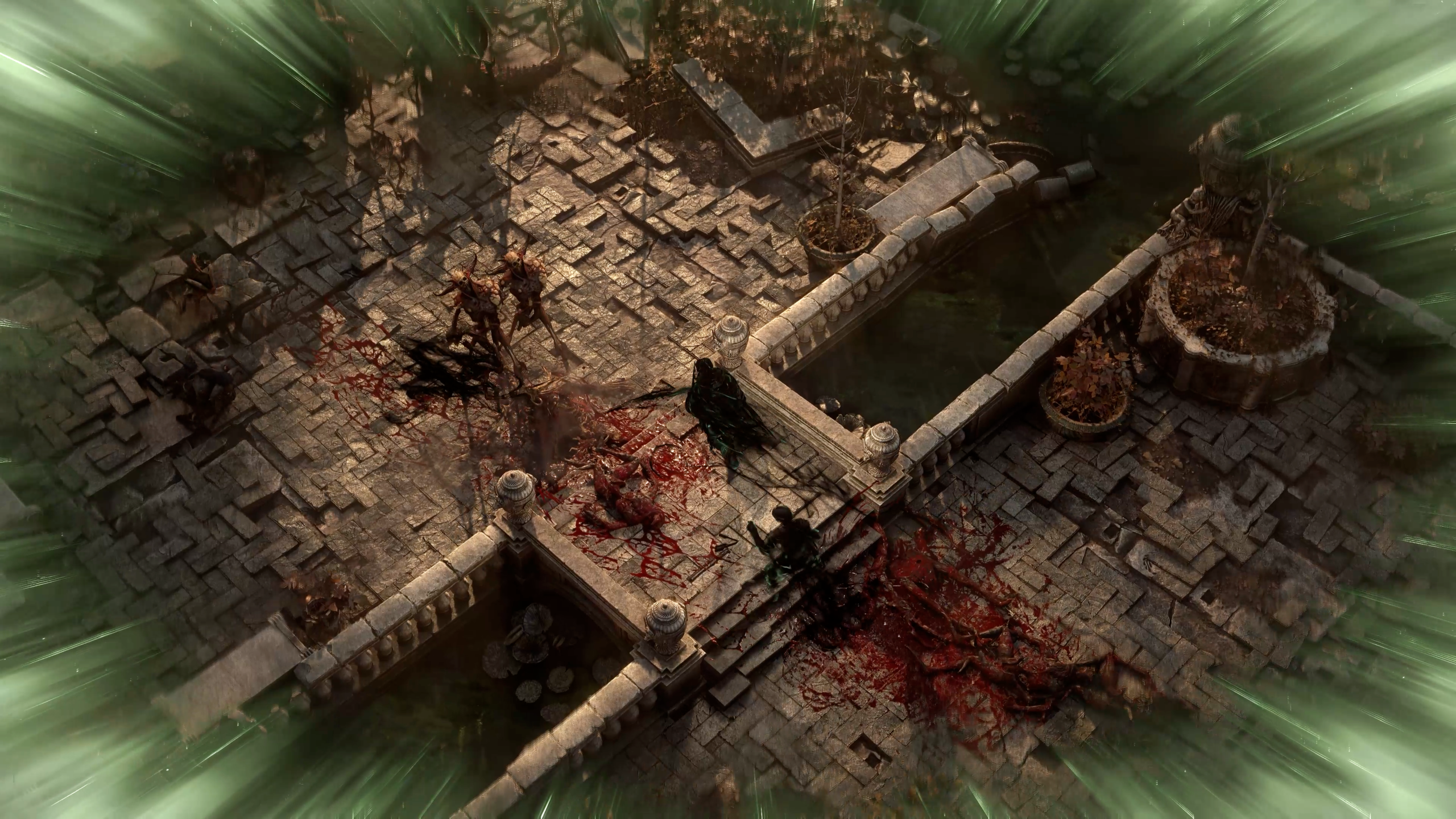
The full Path of Exile 2 release introduces two additional playable classes, bringing the total roster to ten. The first is the Shadow, a returning archetype from the original game that specialises in daggers, traps, and deception. Unlike conventional melee classes, the Shadow is designed around setting up engagements, ambushing enemies, and disappearing before they can retaliate.
Its most important addition is a new Stealth mechanic that prevents nearby monsters from detecting the player until they get sufficiently close. Attacking from Stealth enhances certain abilities, while killing an enemy immediately resets the mechanic's cooldown, allowing skilled players to chain attacks together.
The Shadow can also deploy traps while concealed. Rather than exploding immediately, these traps remain inactive until the character breaks Stealth, after which they detonate in the order they were placed. There are eight trap types, allowing players to combine effects such as poison, fire, freezing, and impale damage.
Other abilities let the Shadow summon Shades, which are shadowy copies capable of distracting enemies and replicating attacks. A new resource called Darkness further empowers certain attacks, while the Eclipse ability temporarily transforms attacks into Stealth strikes. Two Ascendancy specialisations, Assassin and Infiltrator, will accompany the class at launch.
The second new class is the Duelist, which was previously showcased at Gamescom 2026. Its arrival also introduces swords, a weapon category that has been conspicuously absent throughout the game's Early Access period.
The Duelist emphasises speed, precision, and weapon combinations. Its signature mechanic involves switching between combat Stances, which alter the behaviour of sword skills. Grinding Gear Games has also detailed the Duelist's Knight Ascendancy, which combines melee combat with battlefield support.
Minion enjoyers will be pleased to know the Knight can recruit a Squire, equip the companion with weapons and armor, and assign melee skills to it. Think of it as a mercenary from Diablo 2. The specialisation also gains access to War Banners that provide different bonuses inspired by Wraeclast's ancient empires.
For some reason, it has a mounted charge that lets the Knightride a chariot through groups of enemies, scattering and stunning them. It is quite Glory-heavy, so you probably won’t be mapping with it.
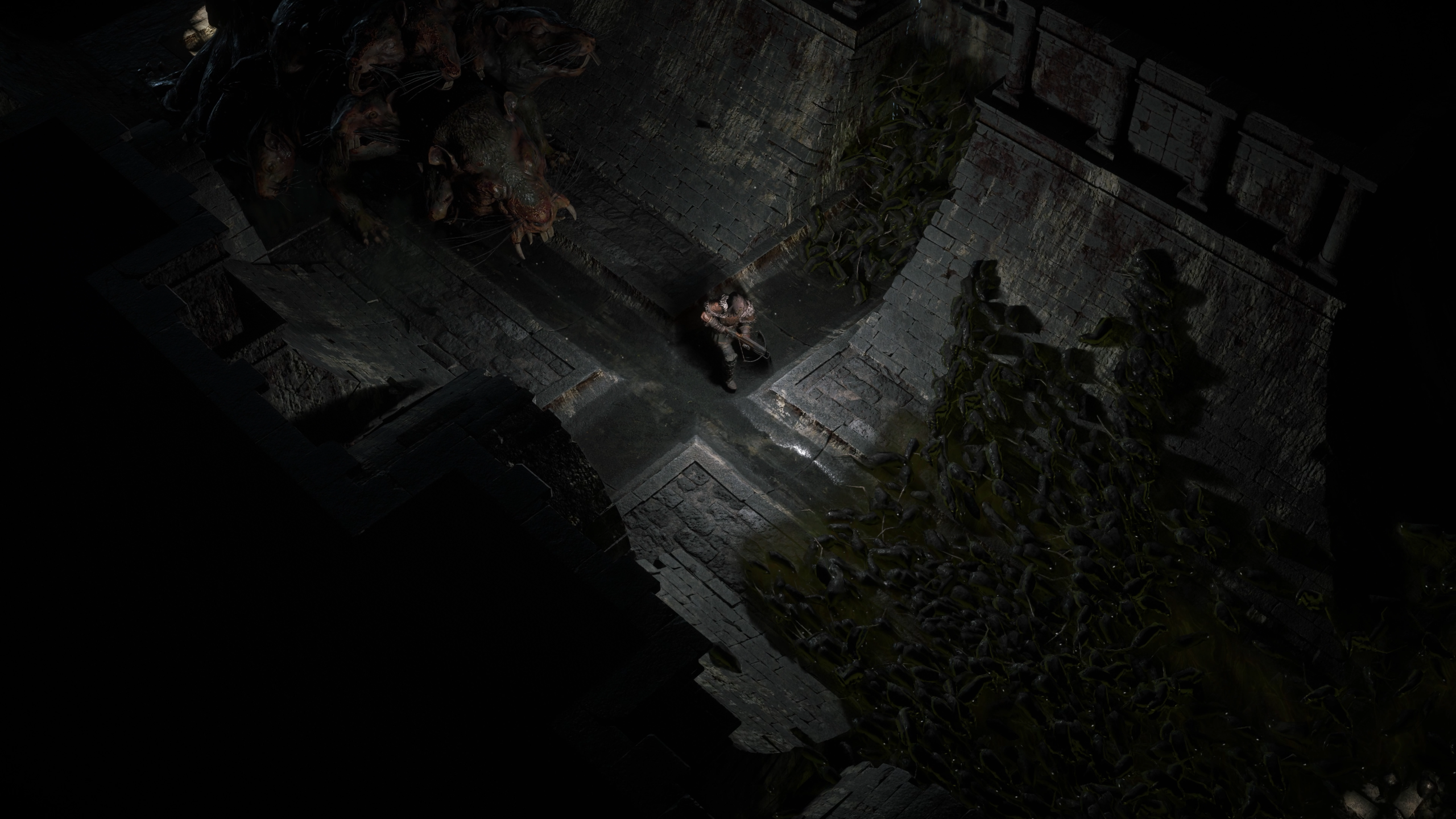
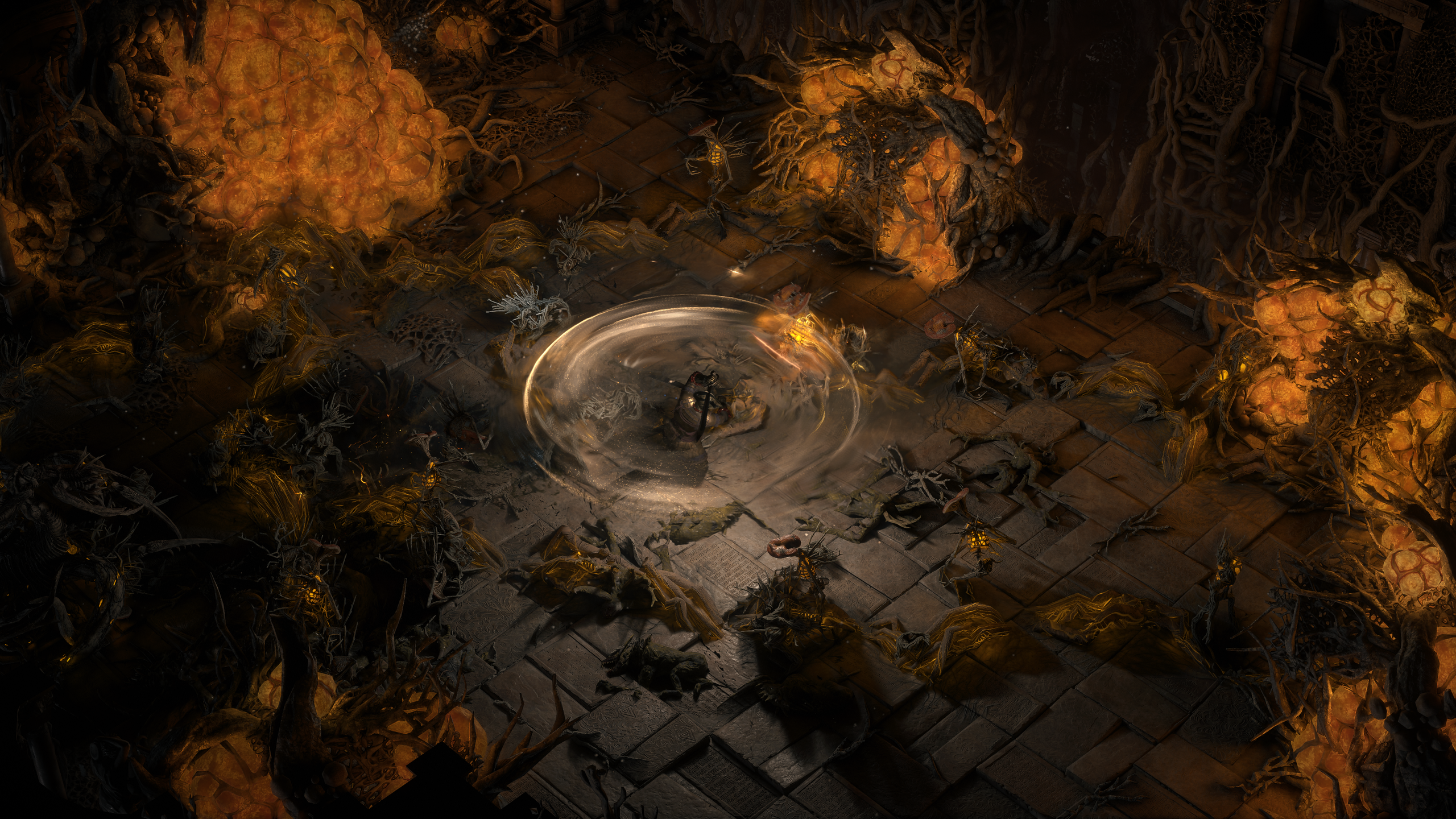
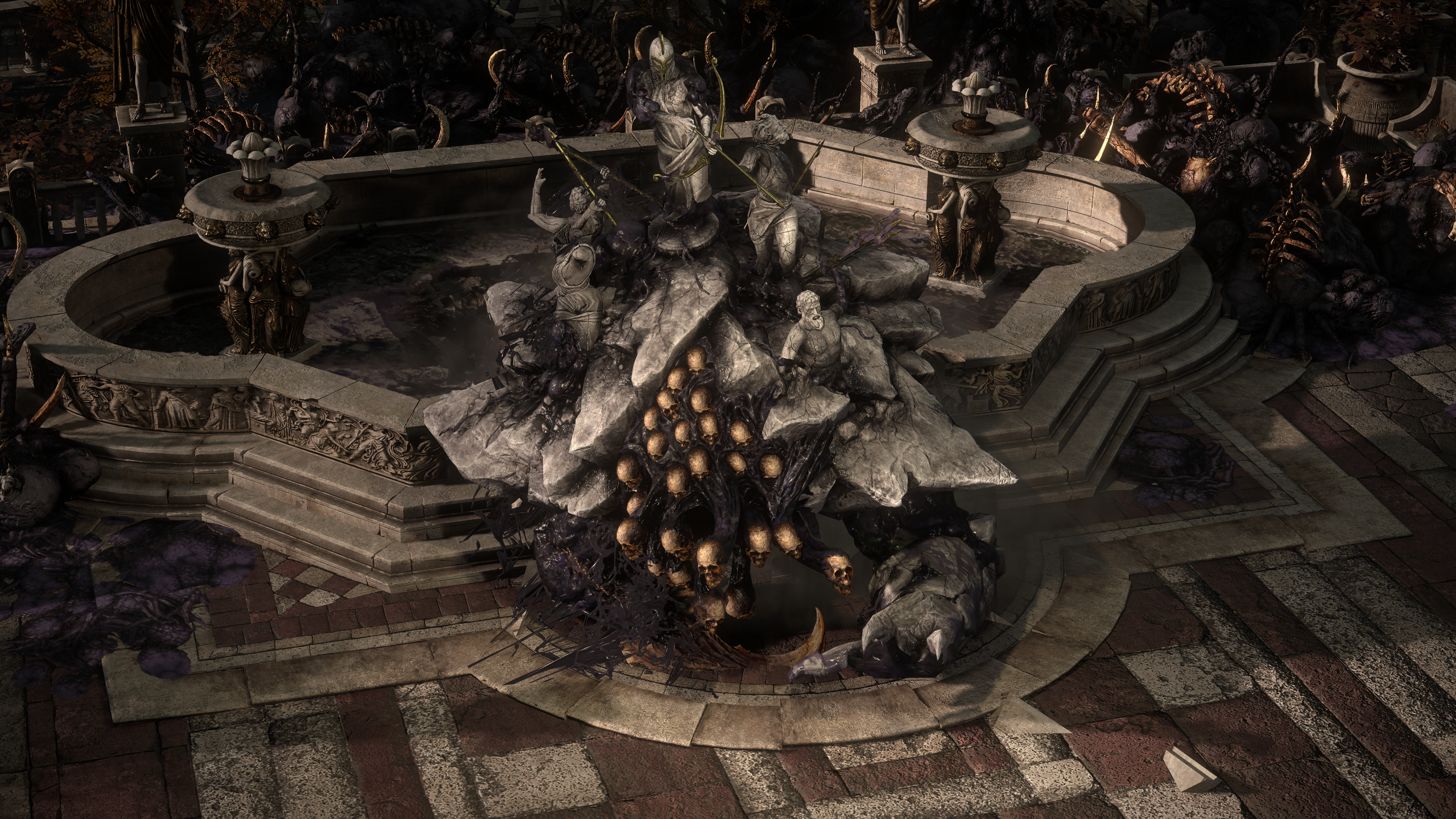
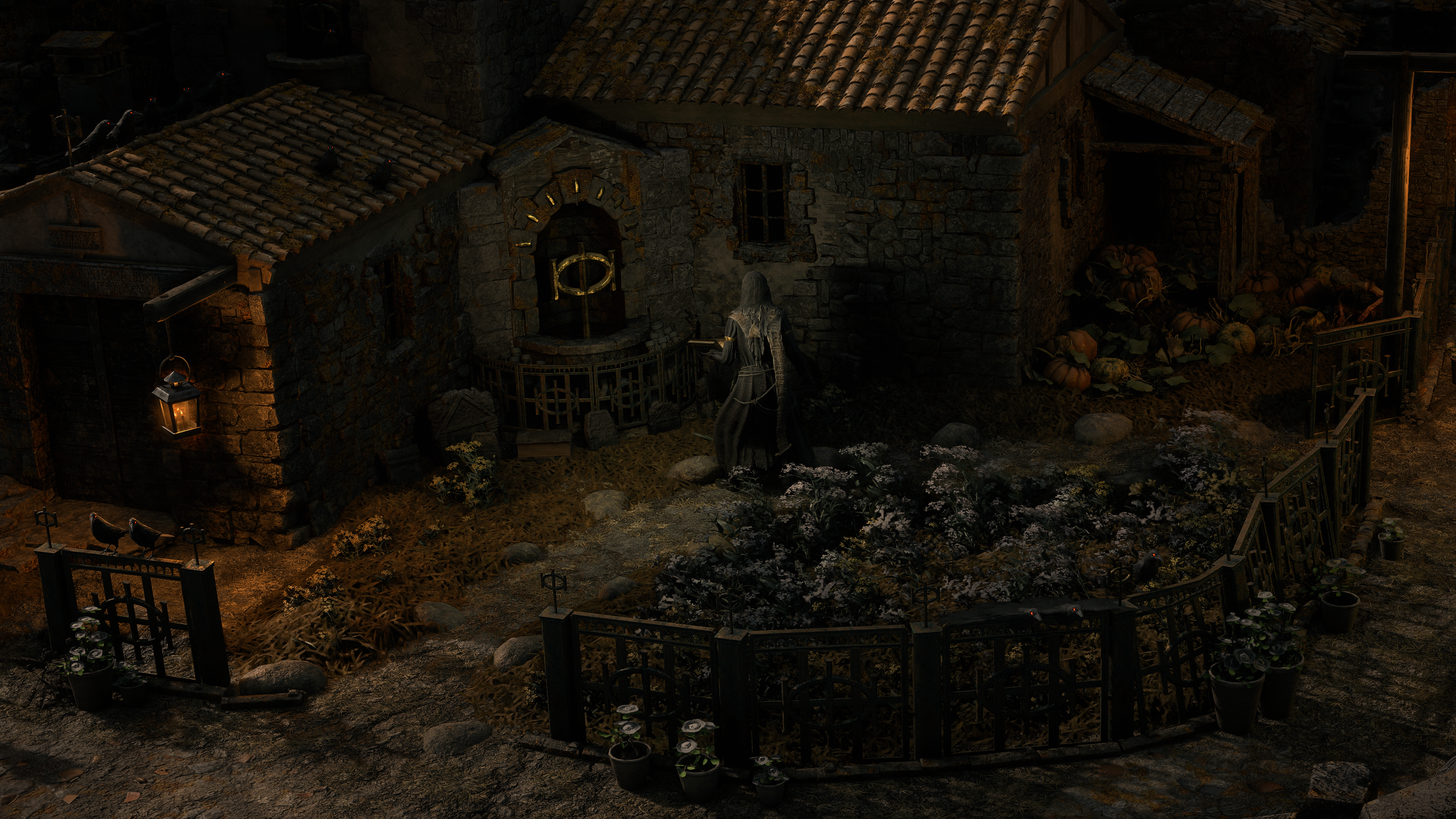
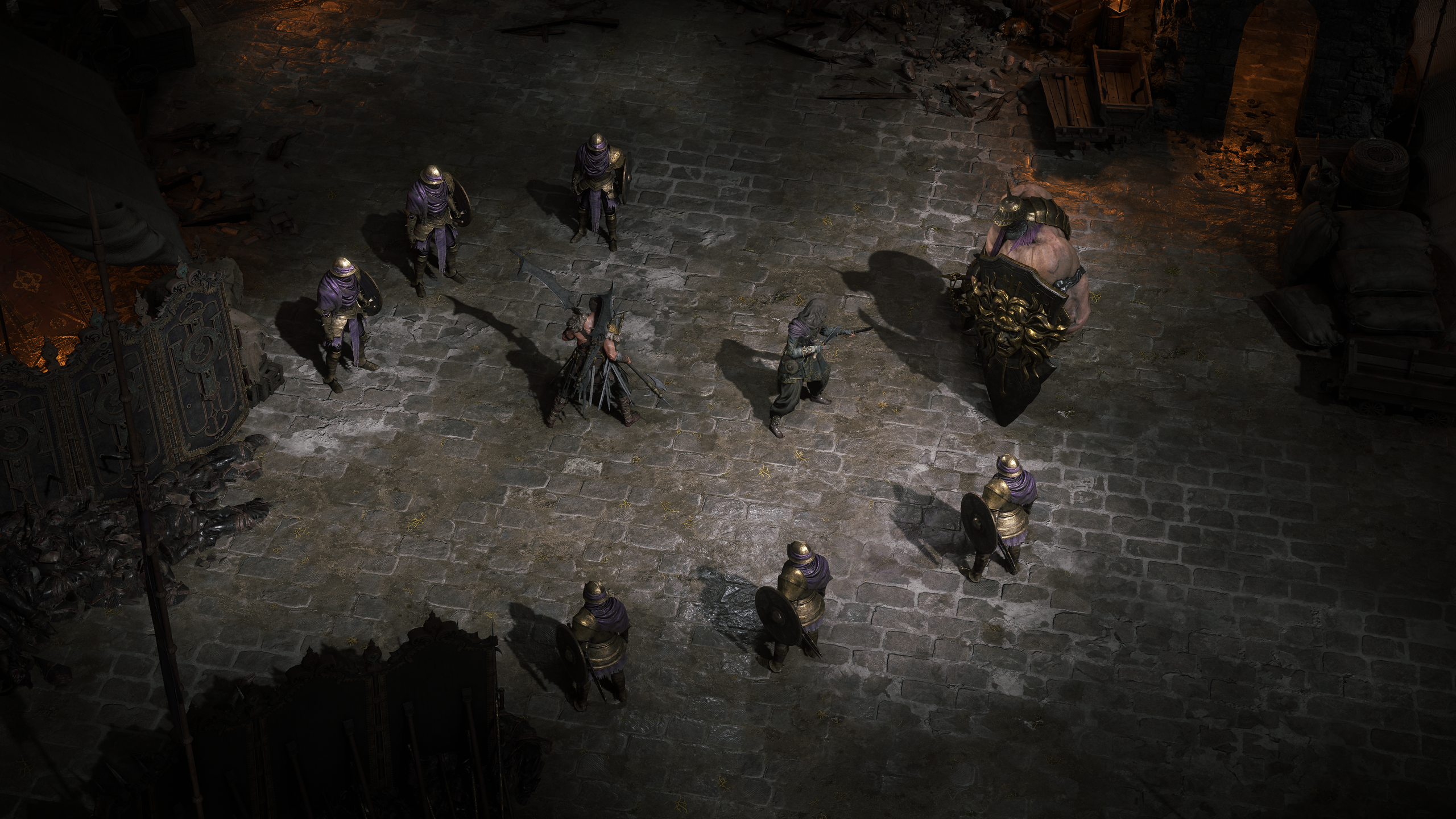
Conquerors of Wraeclast introduces armies, castles, and faction warfare
Arguably the most ambitious addition is Conquerors of Wraeclast, the new Challenge League launching alongside version 1.0. Grinding Gear Games is incorporating elements of army management, base building, territorial conquest, and real-time strategy into its action RPG.
The league begins with players encountering Varek, the leader of a group of mercenaries who have defected from their former master. After rescuing his companions, players can recruit soldiers and lead them into battle.
Different units have distinct strengths and weaknesses. Shield-bearing soldiers can withstand ranged attacks, for example, while other units are more effective against specific enemy types.
Before entering battle, players position their troops and determine how to approach the encounter. However, the protagonist remains directly involved in combat, meaning the army-management elements complement Path of Exile 2's traditional gameplay rather than replacing it.
The campaign will feature more than 70 league-related points of interest and 23 battles. Completing these encounters provides resources, new recruits, and opportunities to strengthen the player's forces. The system becomes considerably more elaborate in the endgame.
Players can align themselves with one of three factions: the Karui, Ezomytes, or Maraketh. Each faction has its own architecture, military units, and stronghold designs.
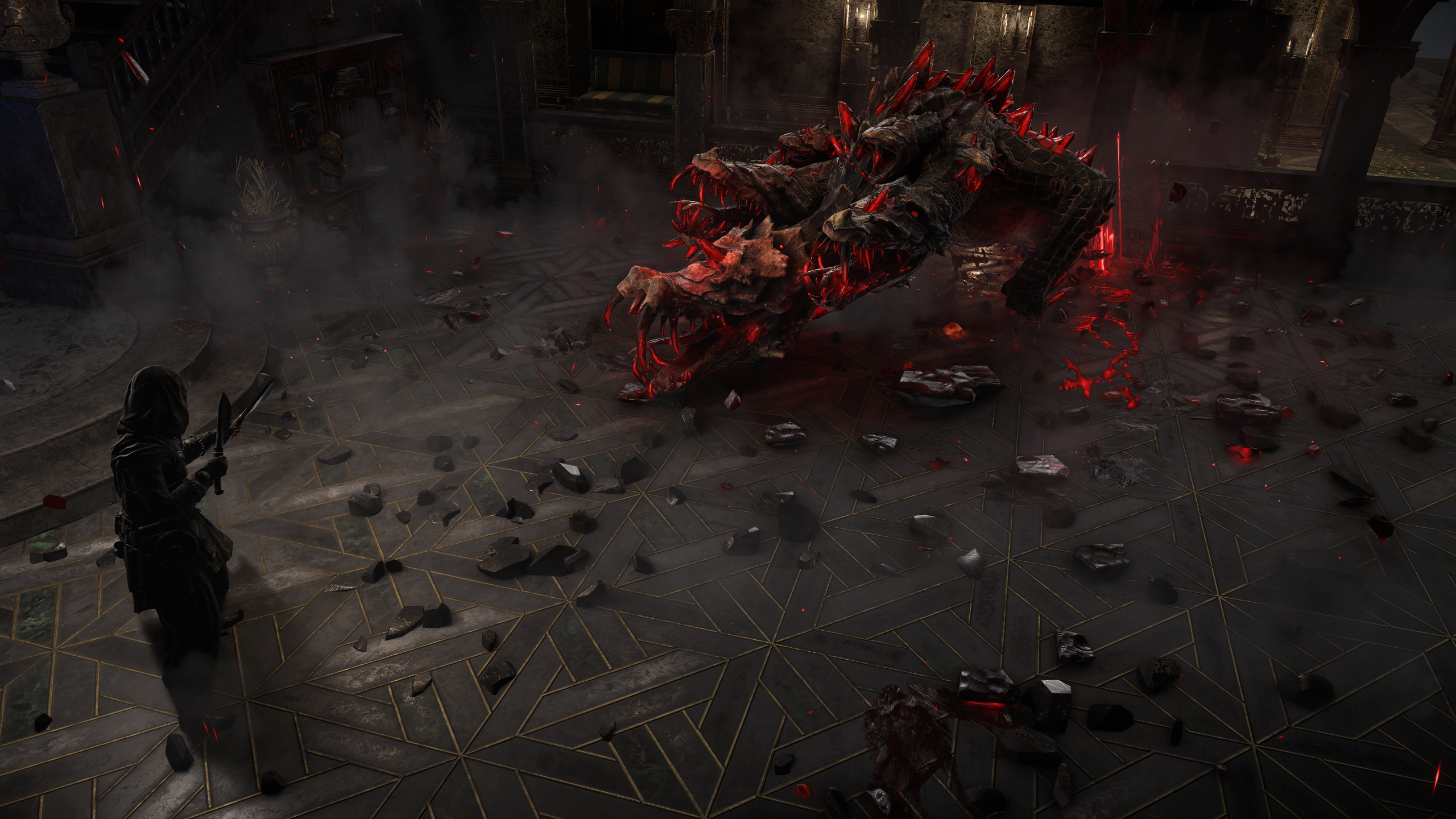
One can establish a castle, construct buildings, recruit increasingly powerful soldiers, and eventually deploy siege equipment against enemy fortifications. The developer has showcased a range of unusual military units, including war elephants, two-headed Chimaeras, and siege engines capable of breaching castle walls.
Commanders also play an important role. Players can eventually recruit up to three commanders and dispatch them on independent missions, allowing them to explore areas of the Atlas and collect rewards over time.
The most interesting aspect, however, is the shared territorial conflict. We're entering proper MMO territory now. Will people mixmax the snot out of this? Yes. It has a chance to become Vaal Temple 2.0, but this time, on a much, much larger scale.
Grinding Gear Games says players will collectively compete for control of 100 castles scattered across the Atlas. Capturing territory benefits the entire faction, providing bonuses such as increased item rarity, access to special hunting grounds, and strategic advantages. This introduces a persistent competitive element to the league without fundamentally turning Path of Exile 2 into a conventional player-versus-player RPG.
The conflict also has a substantial storyline, involving rival clans, forbidden rituals, and an ancient vampire lord whose followers are trying to resurrect her. As players conquer enemy strongholds, they will uncover more of the story and eventually confront the threat behind the conflict.
Hundreds of new items and major changes to character builds and death recap
Grinding Gear Games is using the full release to overhaul several of the systems underpinning character progression. Death recap is here. Finally. Ever wondered what one-shot you in that gigajuiced 8-mod map with 200% Delirium? Well. You no longer have to. After every death, you get a full recap showing how much damage you took and what type. Kind of what we have in Last Epoch.
More than 200 new equipment base types are being introduced, alongside over 40 completely new Unique Items. The developer is also reworking more than 70 existing Uniques with revised modifiers, additional effects, and updated visuals.
Some of these changes could substantially alter existing builds, particularly those centred around specific Unique Items.
The passive skill tree is also receiving a major revision. Again. It is scarier than ever, and with Path of Exile 2 going free-to-play, the number of people who hit the uninstall button after pressing 'P' will skyrocket.
Hundreds of new statistics and passive effects are being added, expanding the number of mechanics players can build around. One particularly important change concerns Jewel Sockets. Previously, players frequently had to travel along specific routes through the passive tree to access these sockets, leading to similar-looking endgame builds.
Version 1.0 relocates Jewel Sockets into individual passive clusters, forcing players to make more deliberate decisions about which sections of the tree they want to invest in. It also gives Time-Lost jewels a lot more value, especially when placed in stat-appropriate slots.
Support Gems are undergoing an extensive balancing pass as well. Grinding Gear Games wants more support options to be useful across different builds, with several existing gems receiving mechanical changes. And the recommended gems are actually good now.
For example, elemental penetration supports are being consolidated, while other support gems are receiving changes intended to make them more attractive outside narrowly specialised builds.
New active skills are also arriving for existing classes. Molten Forge allows players to summon a blazing anvil that empowers their mace attacks, while Soul Extraction lets Chaos-focused characters consume accumulated Decay for a substantial burst of damage. Melee fixed? Probably not.
Several Ascendancies are being revamped.
The Infernalist gains a demonic companion capable of casting assigned spells and can command up to three Infernal Hounds. The Blood Mage receives additional skills and curses, alongside changes to the Corrupted Blood mechanic. Will this incentivise people to spec out of CoC Comet? Only time will tell.
Meanwhile, the Acolyte of Chayula can summon a companion capable of using Quarterstaff skills and even transfer its consciousness into a clone. Think of it as the old Morphling ult from back in the day.
The Mercenary is also receiving changes to its crossbow reloading mechanics. Bolts now reload in the background so you can fire one, switch to another, and then another, and by the time you switch to the original, it will be ready to go. A necessary change after they nerfed Ratha's Assault and Arjun's Medal to oblivion.
Taken together, these adjustments suggest that version 1.0 will significantly change the game's existing build landscape, even for players who have little interest in the two new classes.
The endgame is getting another substantial overhaul. Again.
Beyond the new league, Grinding Gear Games is making extensive changes to the Atlas, which serves as the foundation of Path of Exile 2's endgame.
The Atlas Passive Tree is being condensed to approximately 70 more impactful nodes, replacing a larger collection of comparatively minor upgrades. RIP in Pepperoni 300 passive skill tree. You won’t be missed.
Players will earn Atlas Passive Points by completing objectives, defeating bosses, and progressing through special maps. The goal is to make each allocation more meaningful while giving players greater control over their preferred endgame activities. No need to beeline it to the Arbiter of Divinity anymore.
More than 25 additional maps are being introduced, bringing the game's overall endgame map count above 150. And now you don't have to path to every mechanic (Delirium, Breach, Abyss, Ritual, Expedition). You can directly teleport to a hub and get started. The expanded endgame will also feature additional encounters and a new pinnacle boss.
Grinding Gear Games claims version 1.0 will deliver CPU performance improvements of up to 25%, alongside reduced memory consumption and smoother frame pacing.
The game has also achieved Steam Deck Verified status, allowing Valve's handheld users to play without relying on unsupported configurations.
Mac users will be able to join the action as well. A native Mac version is scheduled to arrive alongside the full release, with support for newer Apple Silicon systems, including M2-series Macs and compatible M1 Pro machines.
The game will continue to support cooperative multiplayer for up to six players. Whether or not the weird player scaling issues have been fixed remains to be seen.
Grinding Gear Games is also running a pre-registration campaign with cosmetic rewards that unlock as the community reaches registration milestones. Existing Early Access owners must register separately if they want to receive these rewards. The game officially leaves Early Access on December 11, 2026 (Pacific Time). The exact launch hour has not yet been confirmed. And we have new supporter packs for people with money to spare.
More information, trailers, and gameplay demonstrations can be found on the official Path of Exile 2 full-release website.
Source(s)
 Add as a preferred source on Google


