




Nintendo mulling Switch 2 price increase over memory crisis
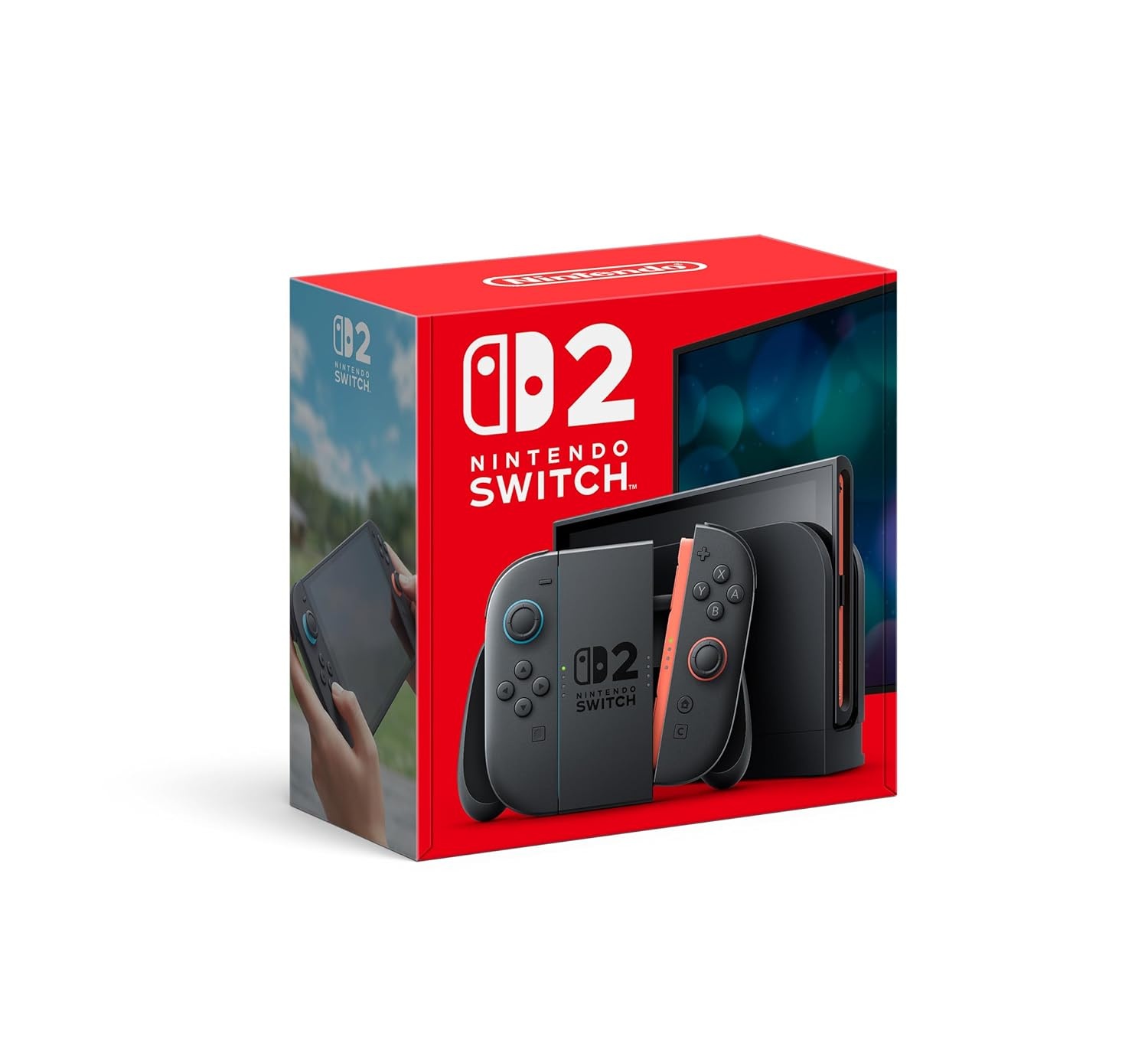
Nintendo doesn't want to sell its latest gaming console at a loss due to the supply-driven memory market and may be raising the Switch 2 price instead.
According to Bloomberg insider sources, the $650 billion that Silicon Valley juggernauts like Amazon or Google will pour into expanding their AI data center roster is forcing both Sony and Nintendo to reconsider their sales strategies.
Nintendo Switch 2 price hike
While Sony is simply planning to postpone the PlayStation 6 release from the rumored 2027 to 2028, or even to 2029, and wait out the memory price gouging, Nintendo won't be able to absorb the $50 or so loss on every Switch 2 it sells if it keeps prices the same.
The Switch 2 currently goes for $449 on Amazon, and if Nintendo doesn't want to incur a loss with each sale in 2026, it will have to price the console above $500. This will bring it closer to the price of a PlayStation 5 Disk Edition that goes for $539, for instance.
This is not the first time that industry sources are revealing that Nintendo is struggling with memory prices or that Sony may put off the PS6 release and neuter it in terms of specs to keep its launch price in check, so where there is smoke, there might be fire, too.
The dearth of "commercial" DRAM and storage memory chips that phones, laptops, or consoles use is projected to continue throughout the decade, though the worst is to come in the next year or so, according to Counterpoint analysts. "We are already seeing signs of panic buying within the auto sector, while smartphone manufacturers are pivoting toward more cost-effective chip alternatives to mitigate the impact," they say. Both the Switch 2 and PlayStation 5 are selling well, and Sony and Nintendo are simply reacting to the unprecedented memory chip production cycle as best as they can.
Samsung and other memory makers are shifting their manufacturing capacity to the way more profitable HBM AI chips they supply to Nvidia and others at double the previous prices, so consumer electronics makers are in a bind over how to respond now that memory chips are quickly becoming the single priciest component in their devices.
Source(s)
 Add as a preferred source on Google


