




New electric Opel Astra from Rüsselsheim: Will affordable €25,000 EVs with Chinese tech spark a turnaround?
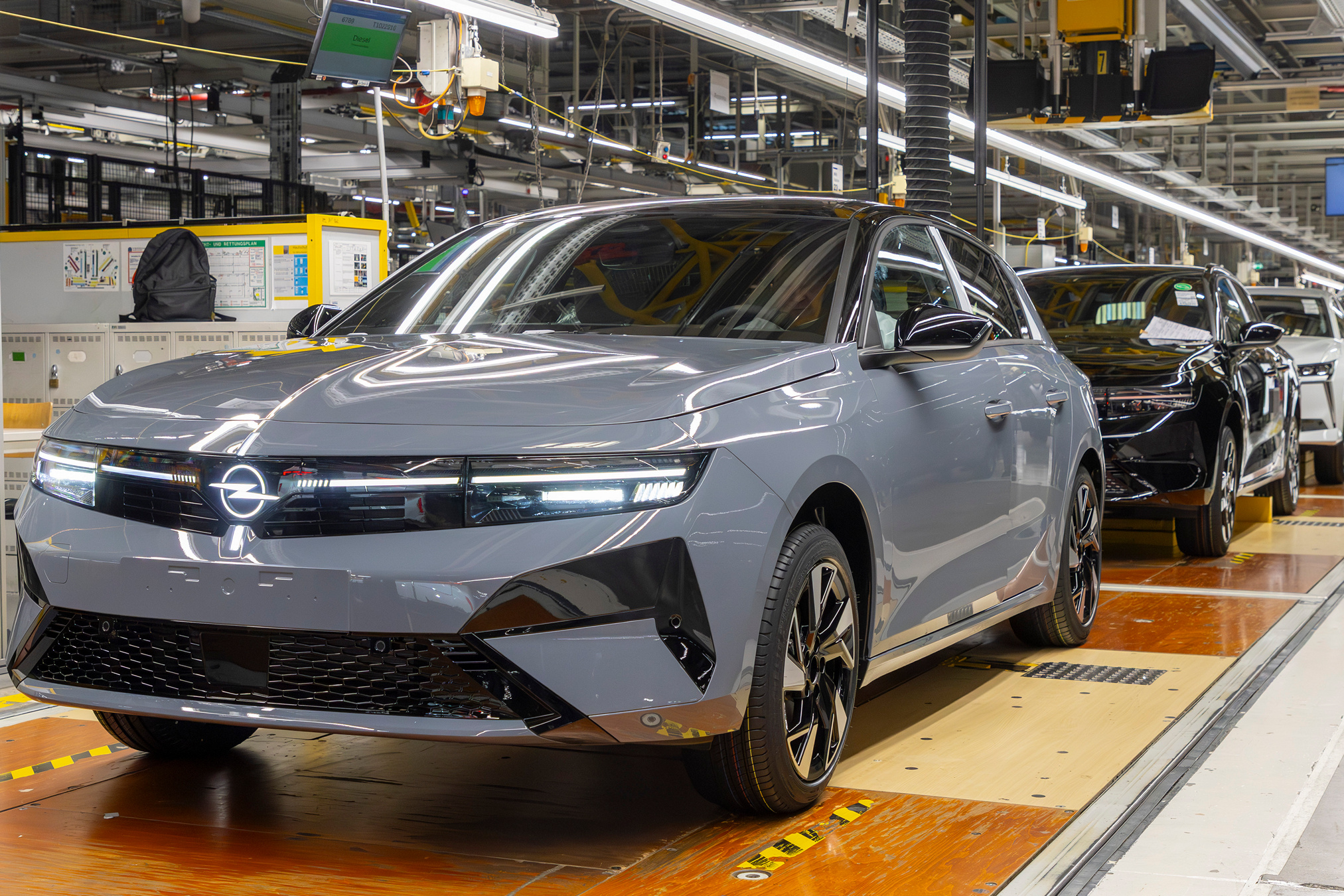
Officially, a tone of optimism is being maintained at Opel's headquarters in Rüsselsheim. The company's parent group, Stellantis, has announced that the next generation of the long-running compact bestseller, the Astra, will continue to be designed, developed and manufactured in Rüsselsheim, ensuring that it remains a true product "Made in Germany".
The vehicle will be based on the new STLA One electric platform. Opel plans to invest more than one billion euros in Germany by 2030 and introduce at least four new models, including the next generation of the Corsa. However, the reality away from the marketing rhetoric is bleak. The German plants in Rüsselsheim and Eisenach are struggling with significant underutilisation, with production historically falling below 60 percent.
In Rüsselsheim, production is effectively running on just a single shift. Even more dramatic is the downsizing at the traditional development centre: of the former 7,000 engineers, only 1,650 remain today. Insiders complain that Opel has been relegated to the third tier within the Stellantis Group, leaving developers with few core competencies beyond lighting and seats.
The salvation of the struggling car manufacturer, whose European market share has shrunk to a critical 3 percent, therefore comes from the Far East. Opel aims to turn things around through its partnership with the Chinese electric start-up Leapmotor. A new electric family SUV based on affordable Chinese technology is planned for release in 2028. This collaboration is intended to serve as a blueprint for achieving shorter development times and offering more affordable EVs.
The upcoming electric Corsa is also expected to break the psychological price barrier of €25,000 in this way. According to industry experts, without support from China, the survival of the brand would hardly be guaranteed anymore.
Source(s)
 Add as a preferred source on Google


