




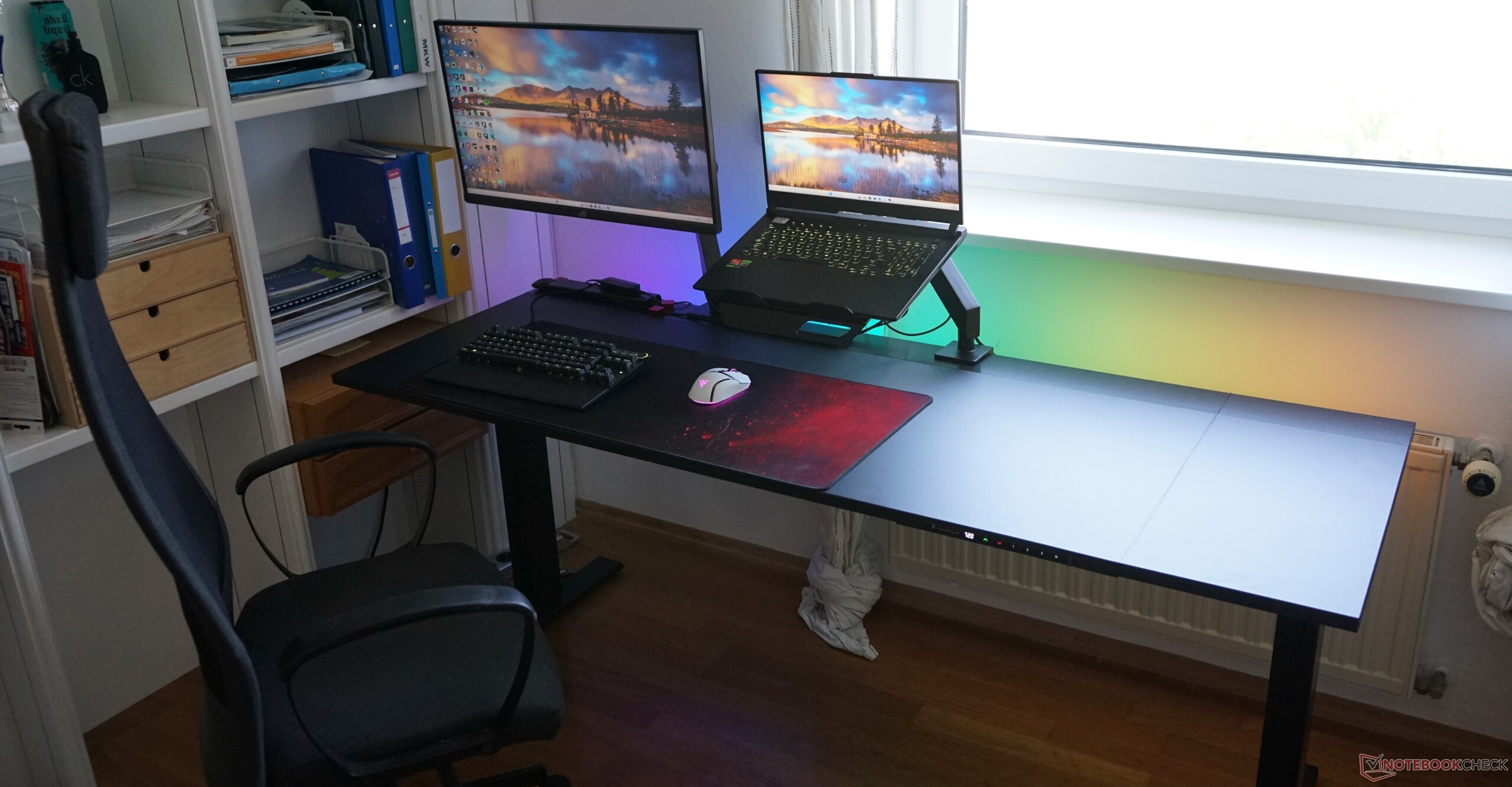
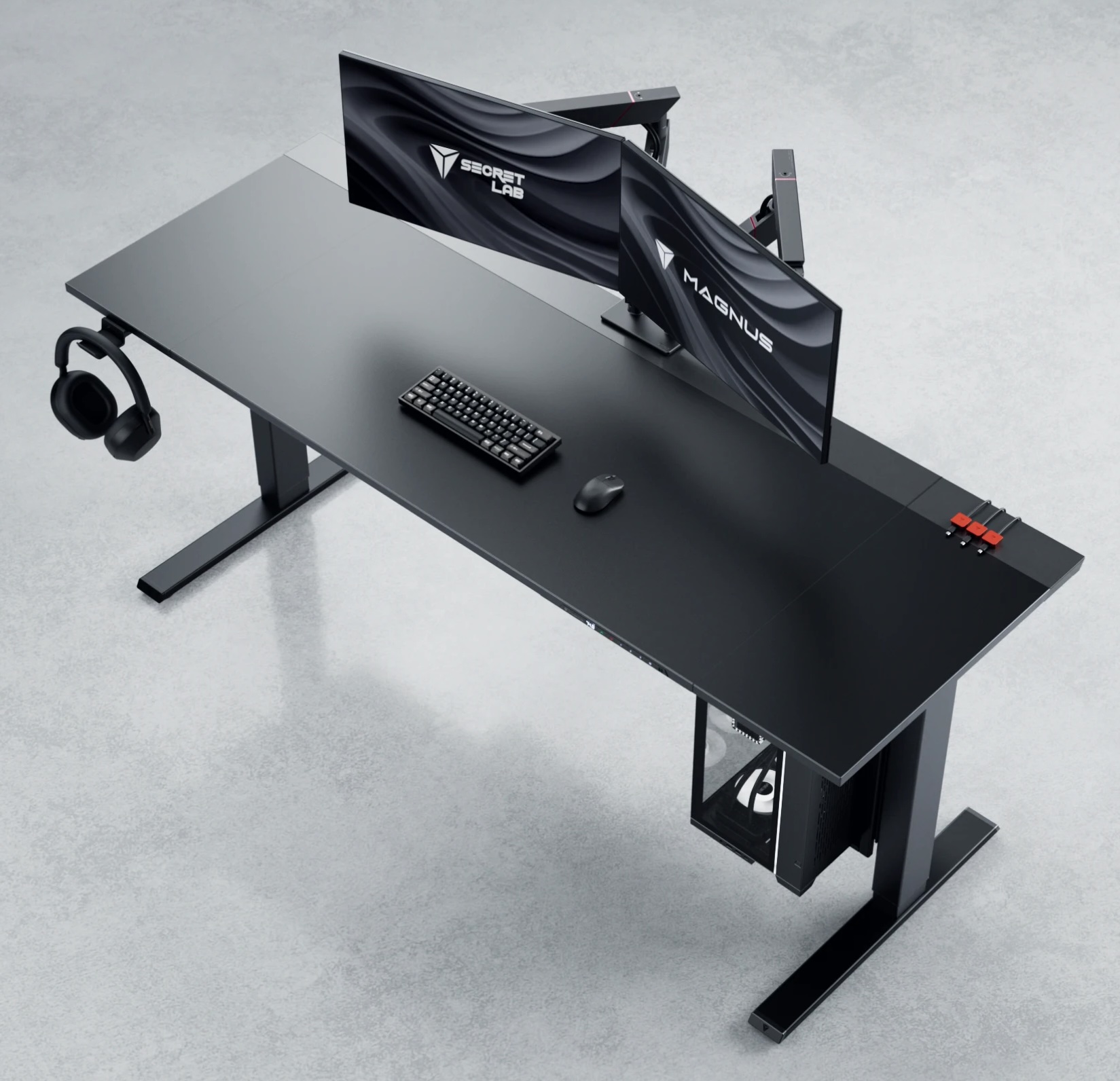
With the Magnus Evo XL, Secretlab is expanding its desk portfolio with a large-format, electrically height-adjustable model for demanding gaming setups and productive home-office workstations. The desk is available in two widths: 150 cm and 177 cm for the XL version. It is designed to impress with a sturdy dual-motor frame, integrated power routing, and Secretlab’s signature modular cable management. A fold-down cable tray, along with optional monitor and laptop arms, is intended to keep the workspace as tidy as possible. Unlike the more expensive Magnus Pro XL, the Evo XL does not feature a fully magnetic tabletop. The modified mix of materials is intended to prevent potential interference with Qi chargers and keyboards equipped with Hall-effect switches, but it also entails compromises in terms of tactile feel, surface sensitivity, and customization. Added to this are a comparatively shallow depth of 64 cm and, in the XL version, a multi-piece worktop. In our hands-on technical review, we determine whether the Magnus Evo XL—priced from 599 euros—justifies its high price. To do so, we examine assembly and build quality, stability at various heights, ergonomics, cable management, and accessories. We also measure the motors’ power consumption at idle and under normal and heavy loads, comparing the results with, among others, the more affordable Ikea Mittzon.
Packaging and assembly
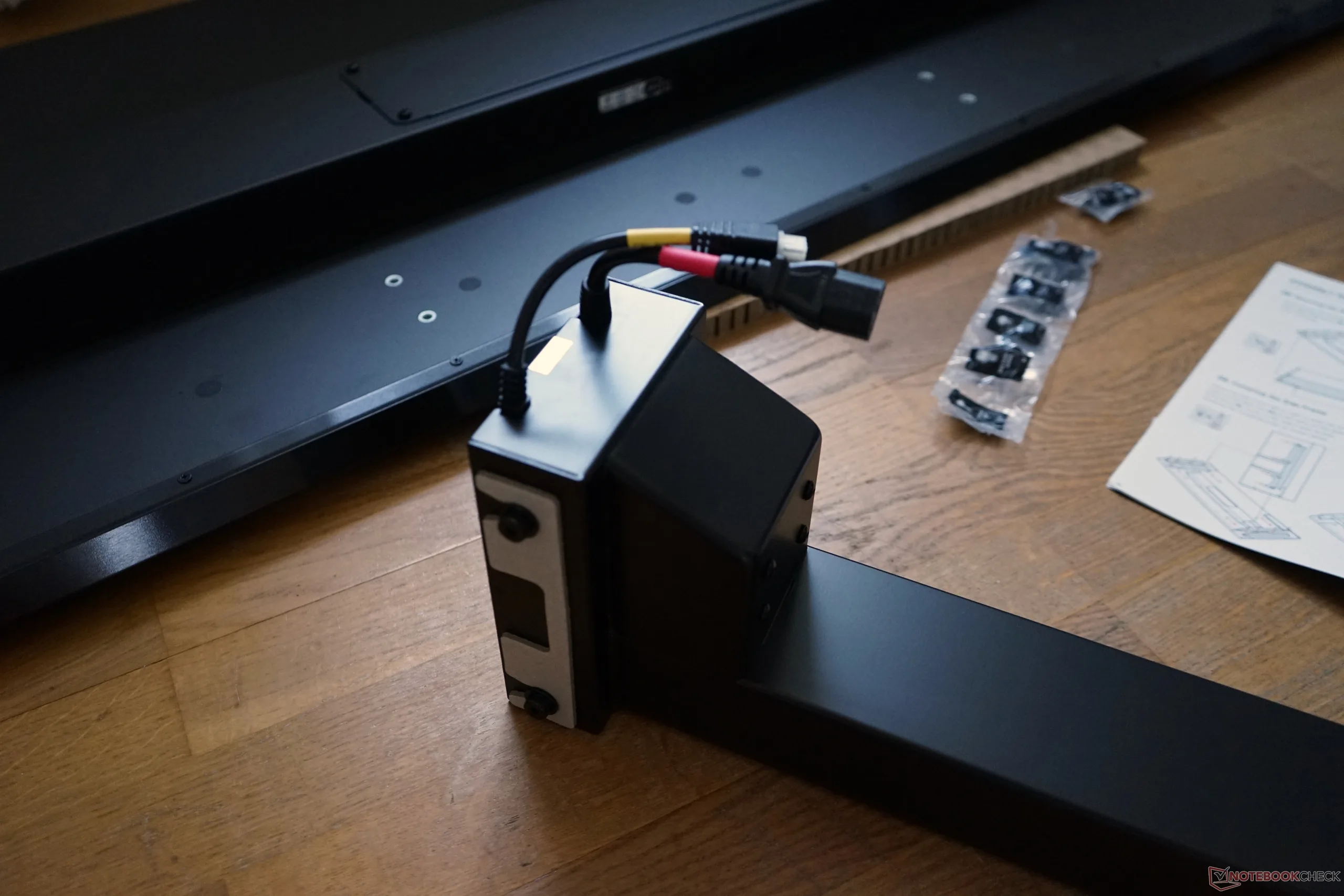
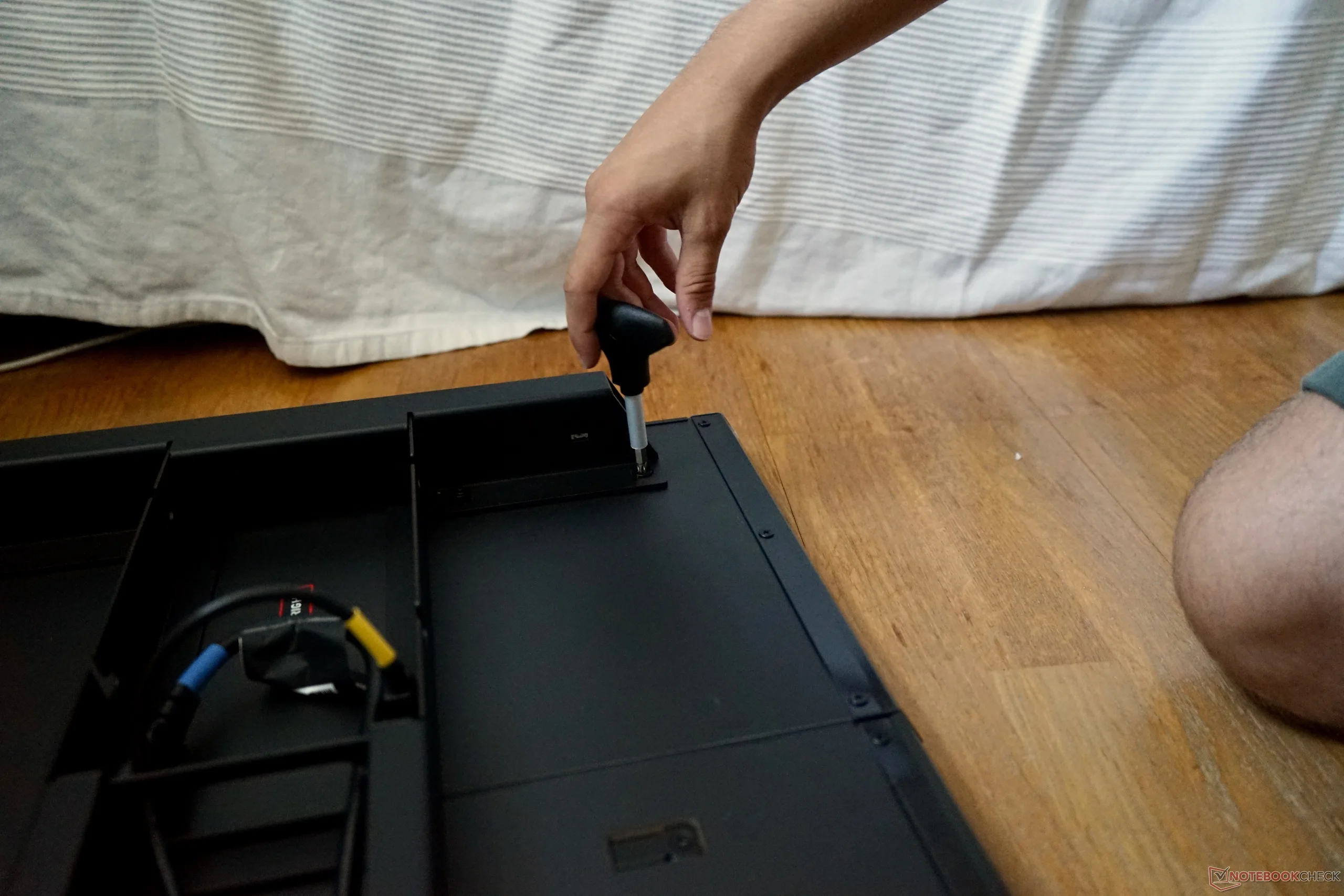
The Secretlab Magnus Evo XL arrives in a bulky, heavy single package. Shipping within Europe is handled through a central warehouse in Poland, while the product itself bears the label “Designed in Singapore, Made in China”. Due to the XL model’s considerable weight, transporting it to its intended location and subsequently assembling it alone is difficult. We recommend having two people assemble it.
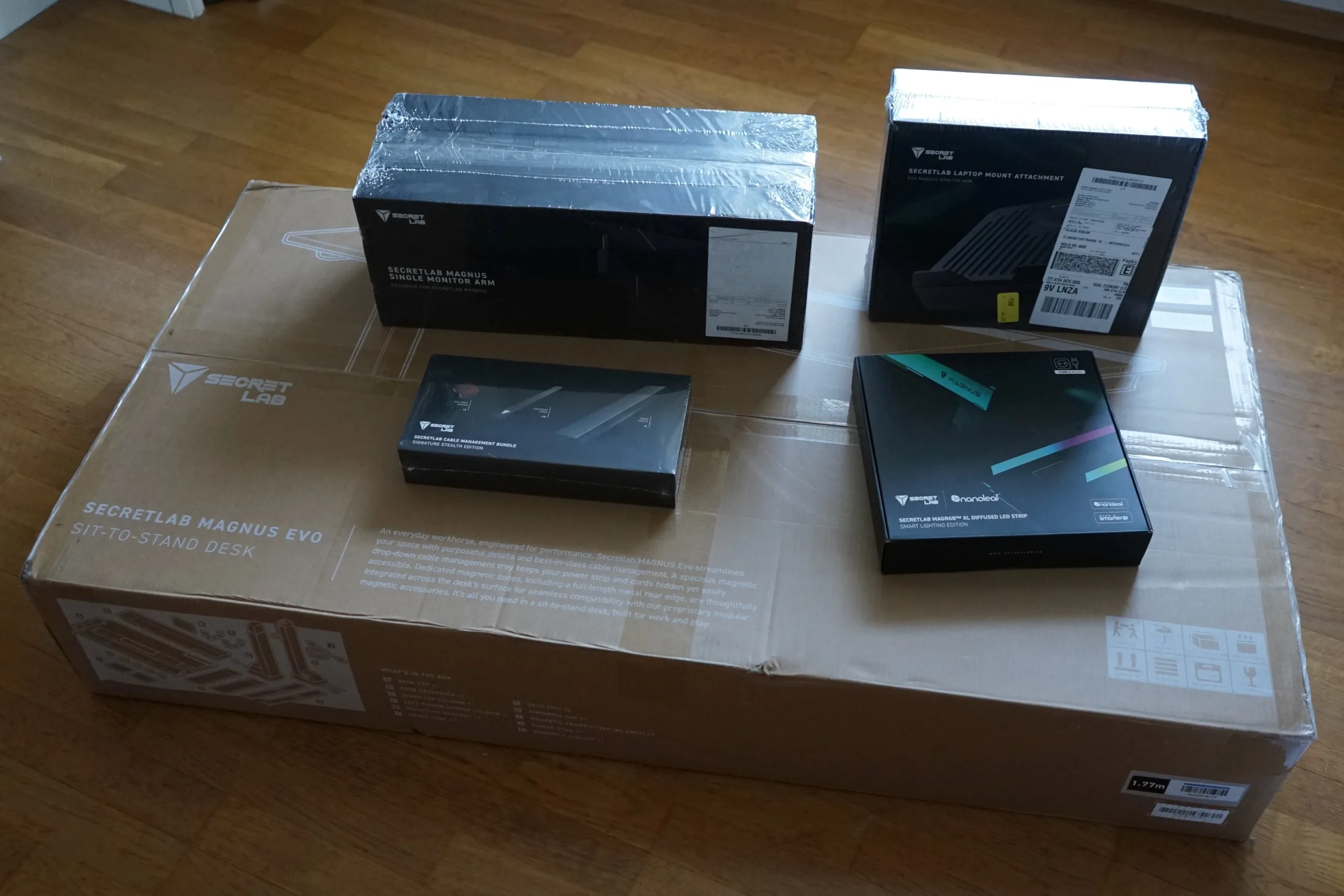
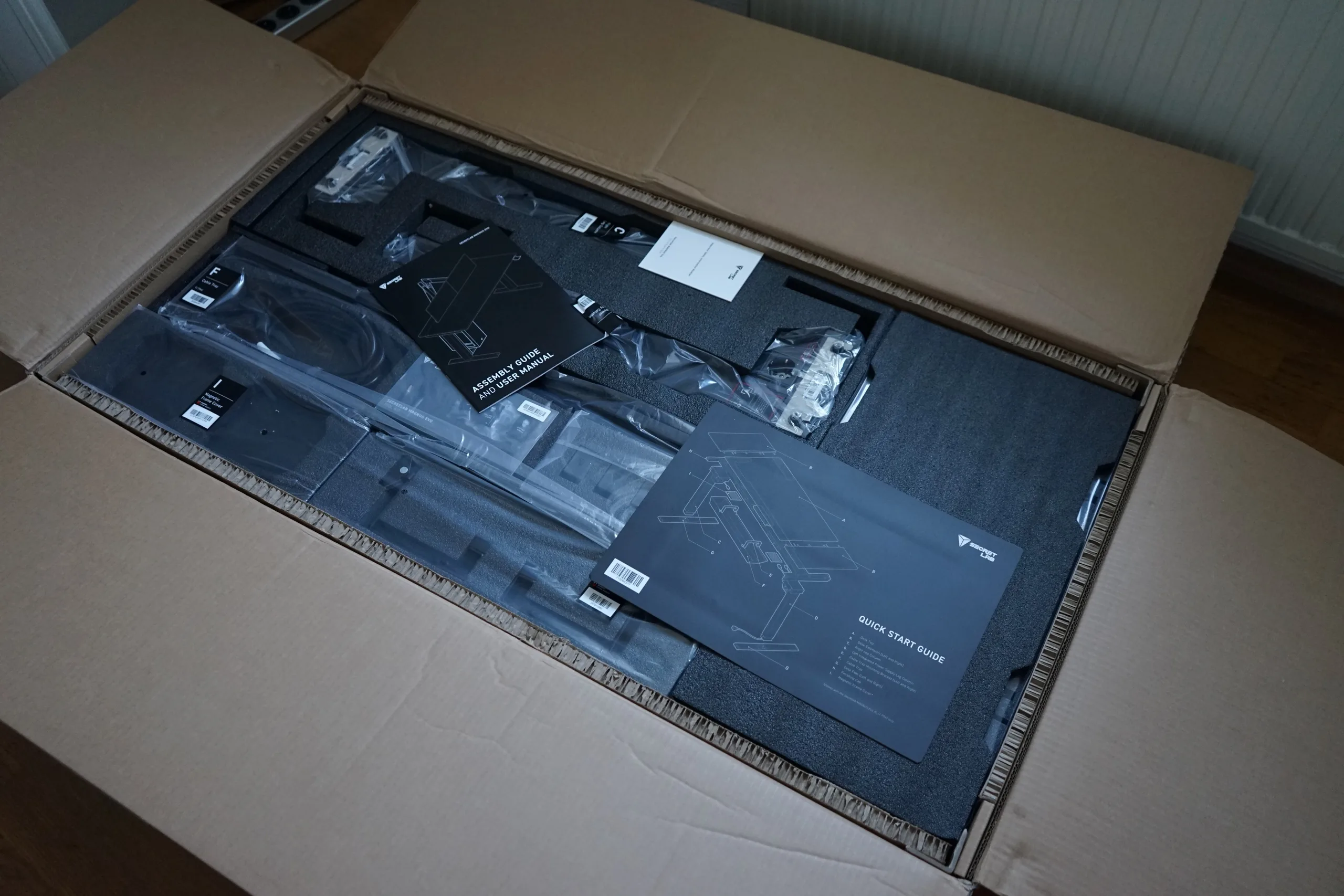
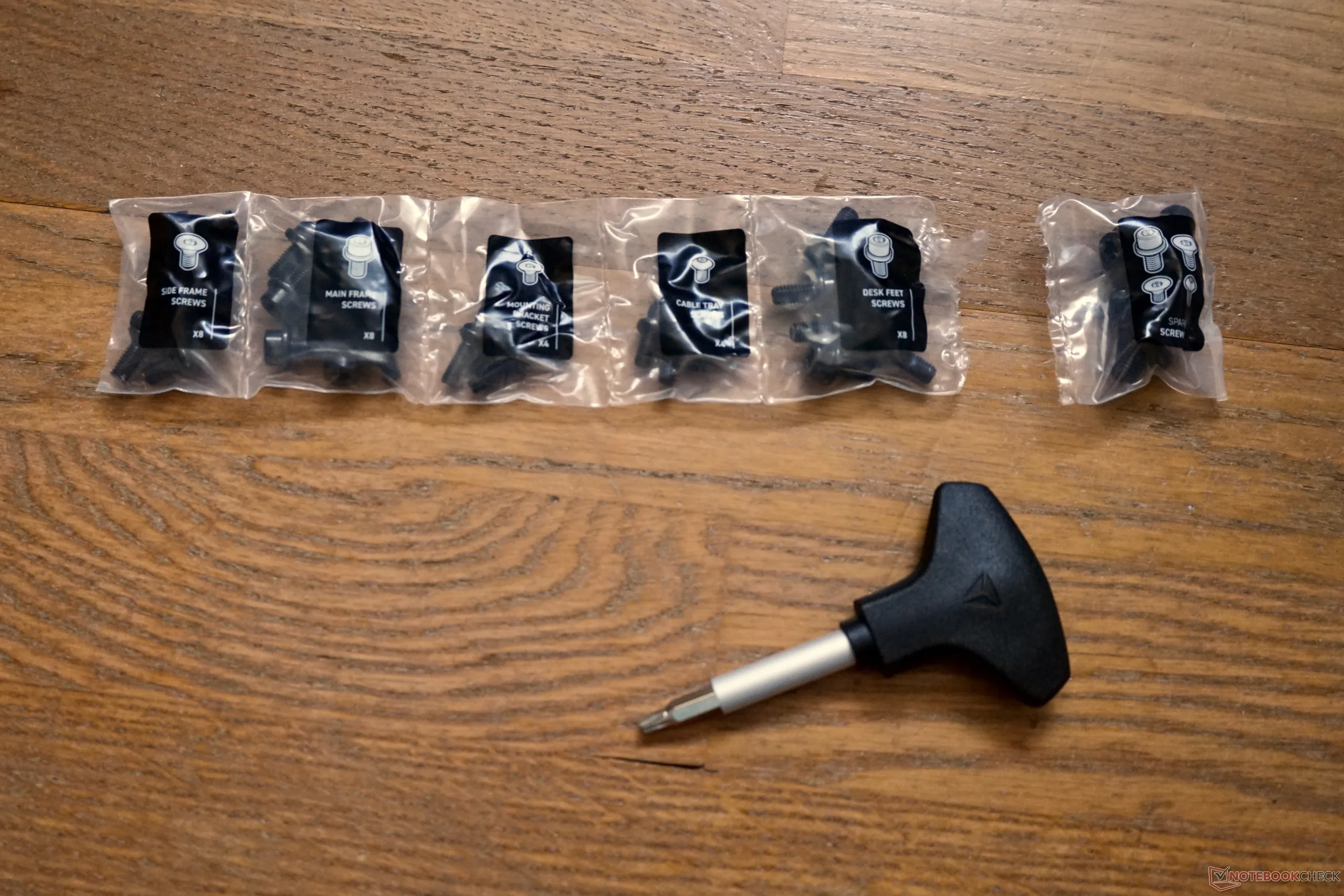
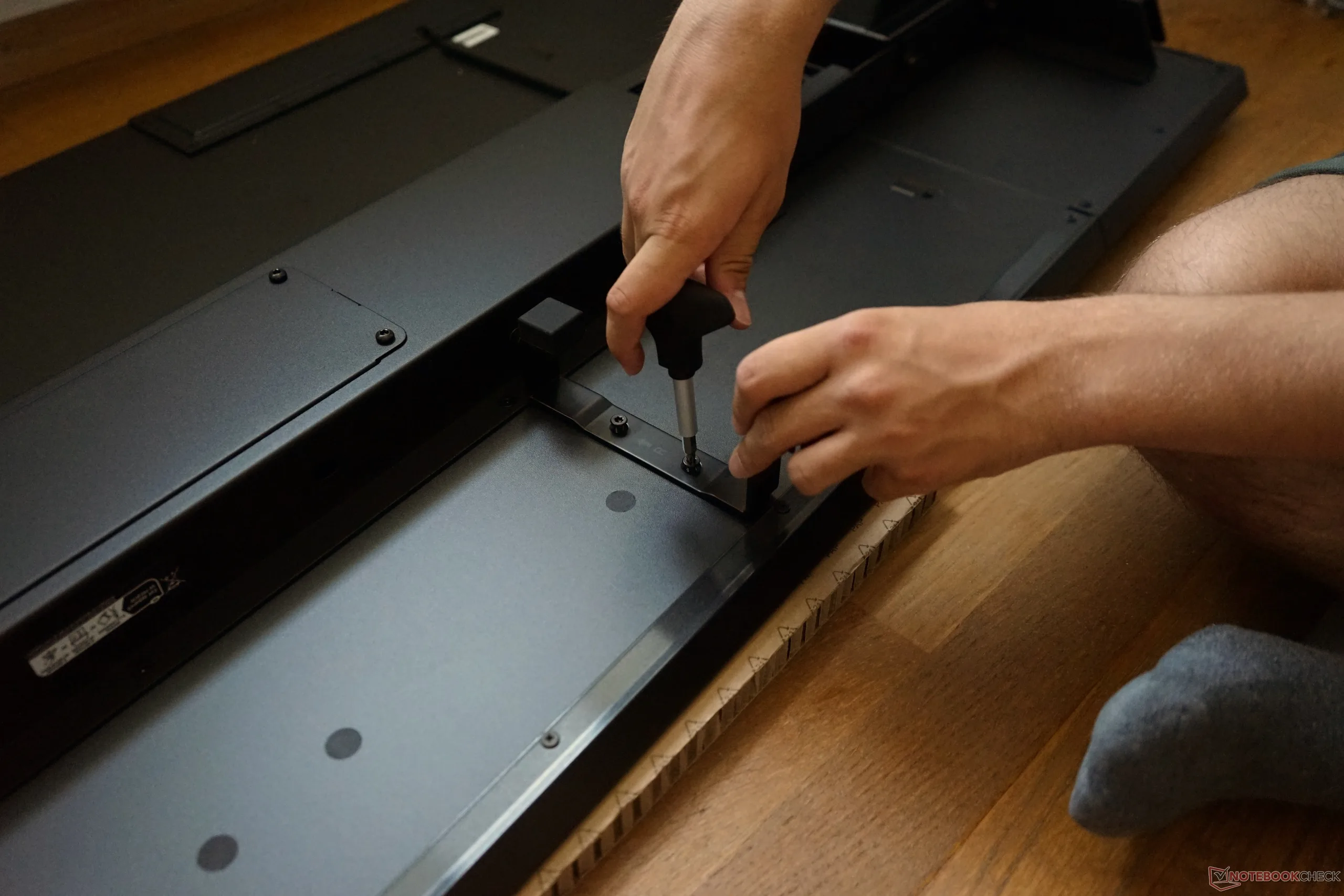
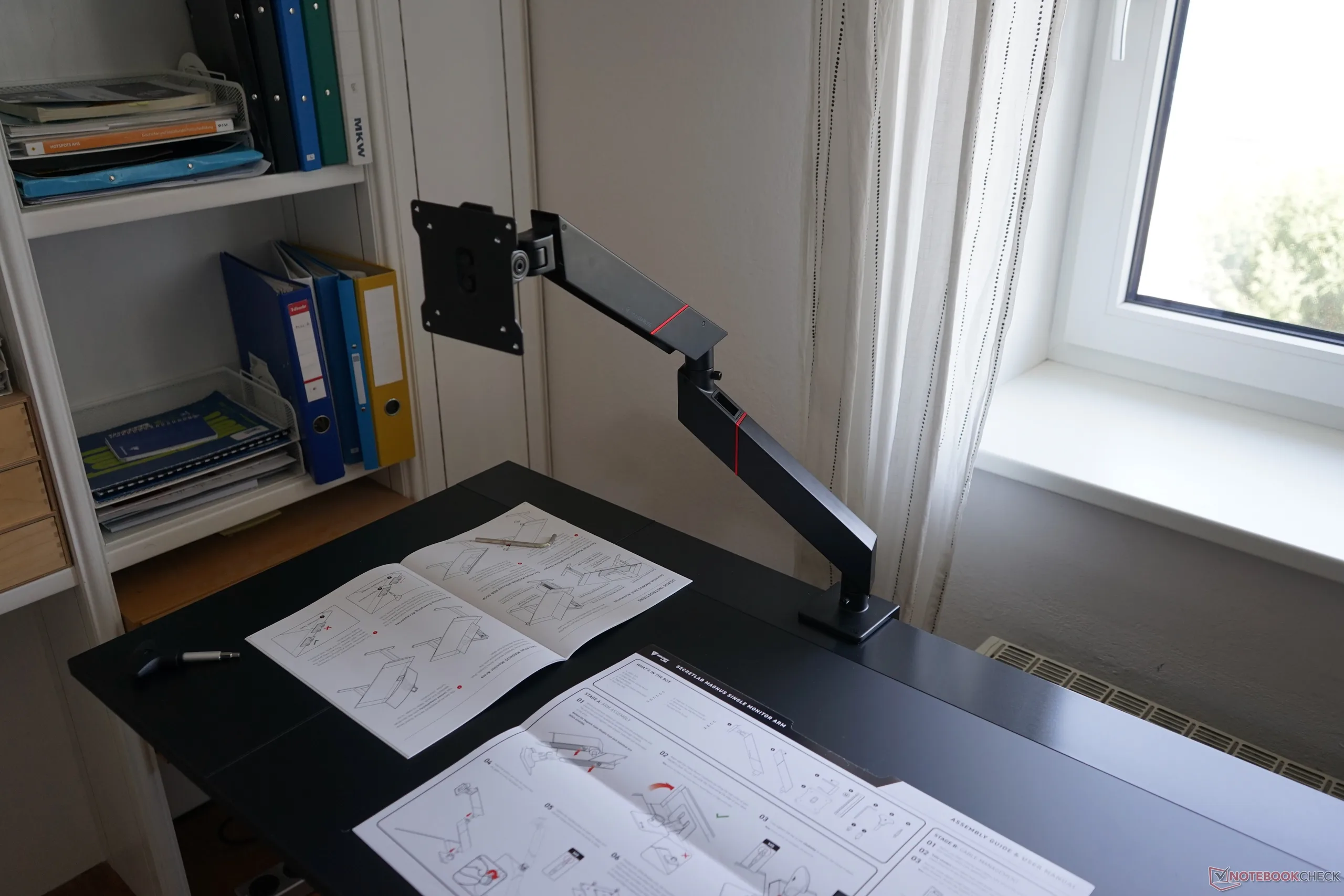
The package contents are well organized. Secretlab includes a high-quality, practical tool set that makes assembly noticeably easier. However, there is one minor ergonomic drawback involving the screws for the optional VESA adapters on the manufacturer’s monitor arms: they are hex socket screws. For monitor mounts, where tool-free thumb screws or standard Phillips-head screws are often used, this is rather unusual and makes assembly slightly more complicated. The included assembly instructions, on the other hand, are well illustrated, logically structured, and guided us through the process without any issues.
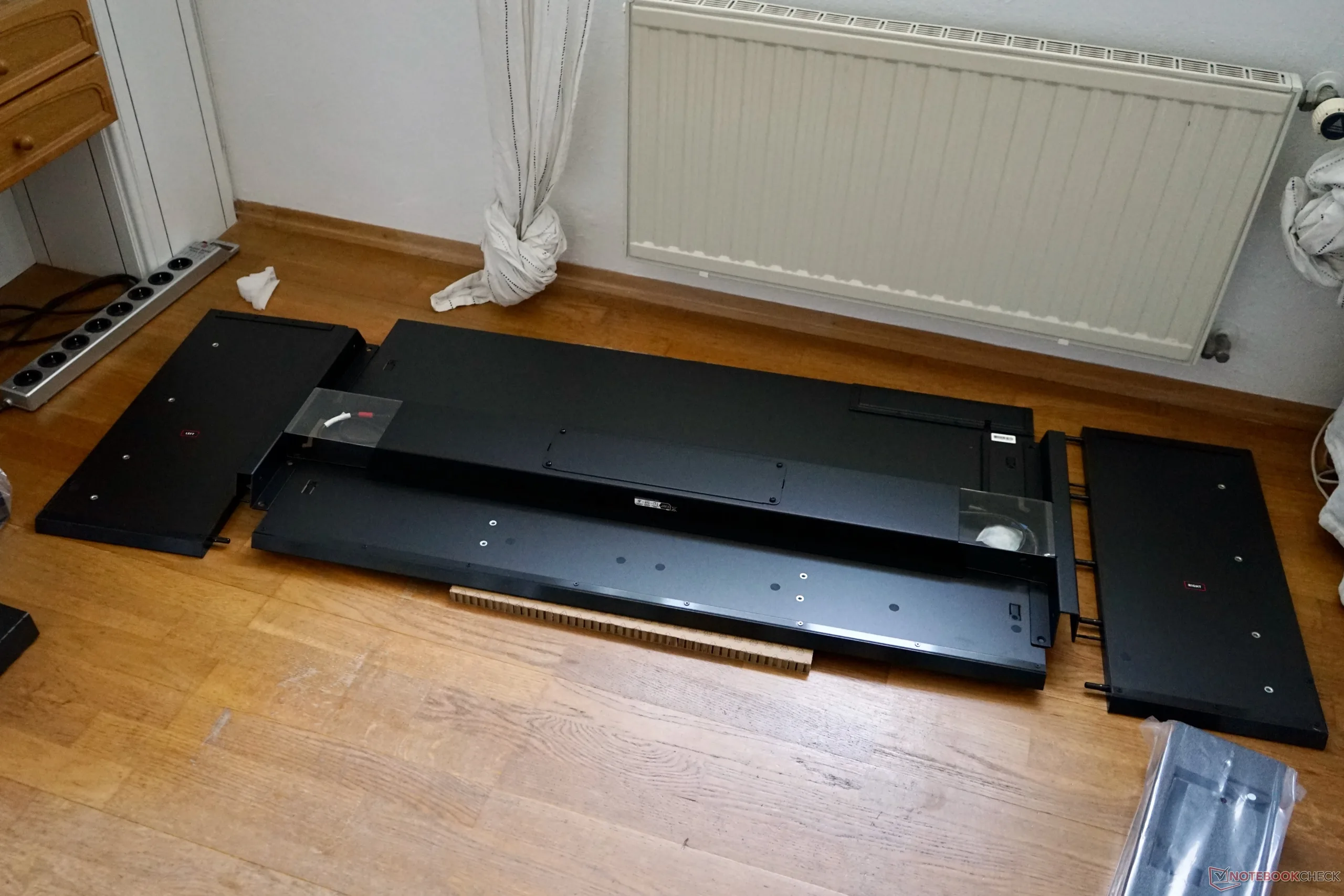
Anyone opting for the larger XL version of the Evo must accept a design-related compromise: To allow the desk to be shipped in a single compact box and reduce costs, Secretlab has dispensed with a continuous, one-piece desktop. Instead, the work surface consists of several segments (split desktop), which must first be securely screwed together.
For the basic assembly of the desk alone (without the optional installation of monitor arms, RGB lighting, or the expanded cable management system), it took the two of us about 35 minutes during our test.
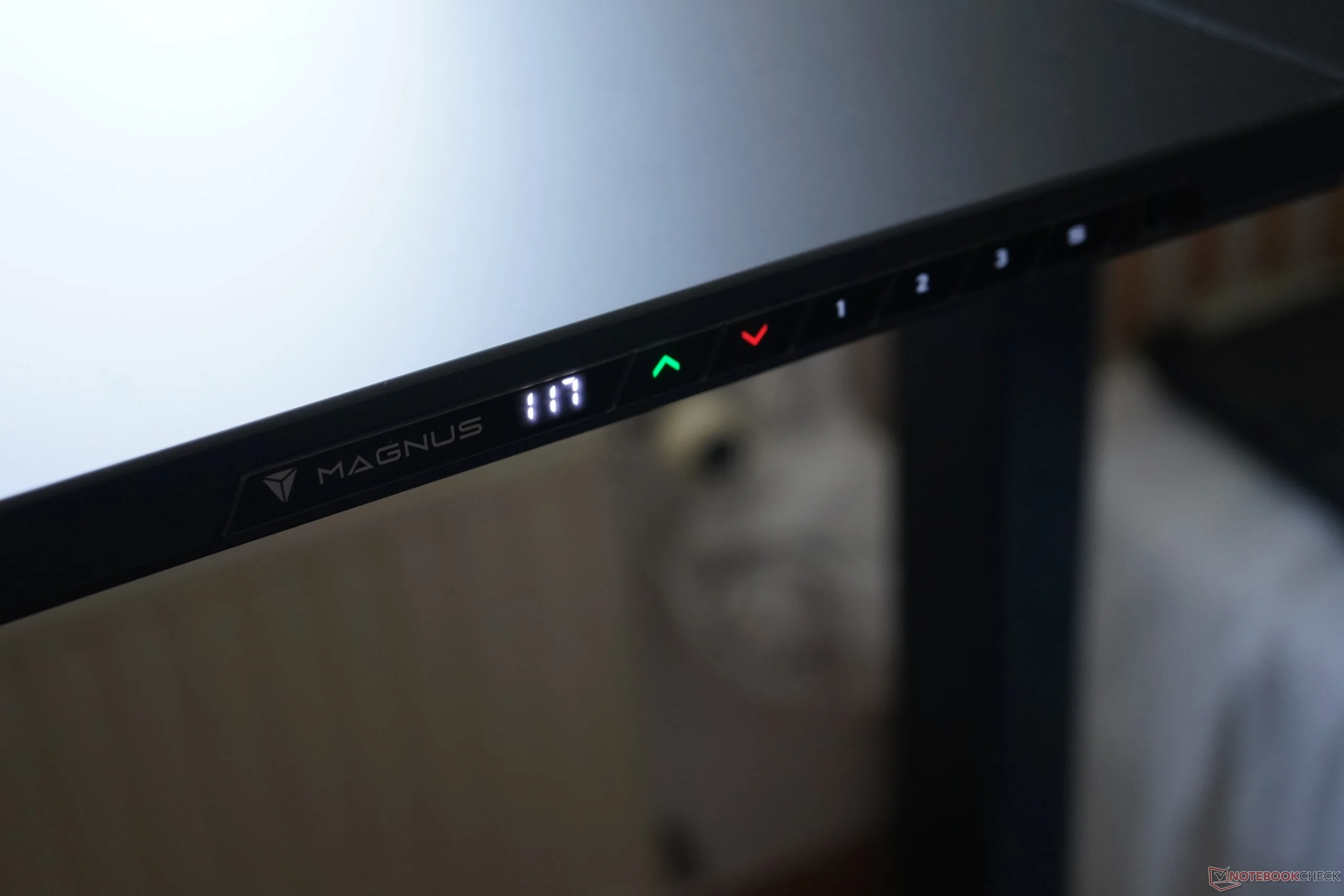
Once the desk has been placed upright, the initial calibration of the motors is completed in no time: First, lower the desk all the way. Then hold down the “Down” button until “RST” appears on the display. This completes the height calibration, and the desk is fully ready for use.
Magnus Evo XL in practice
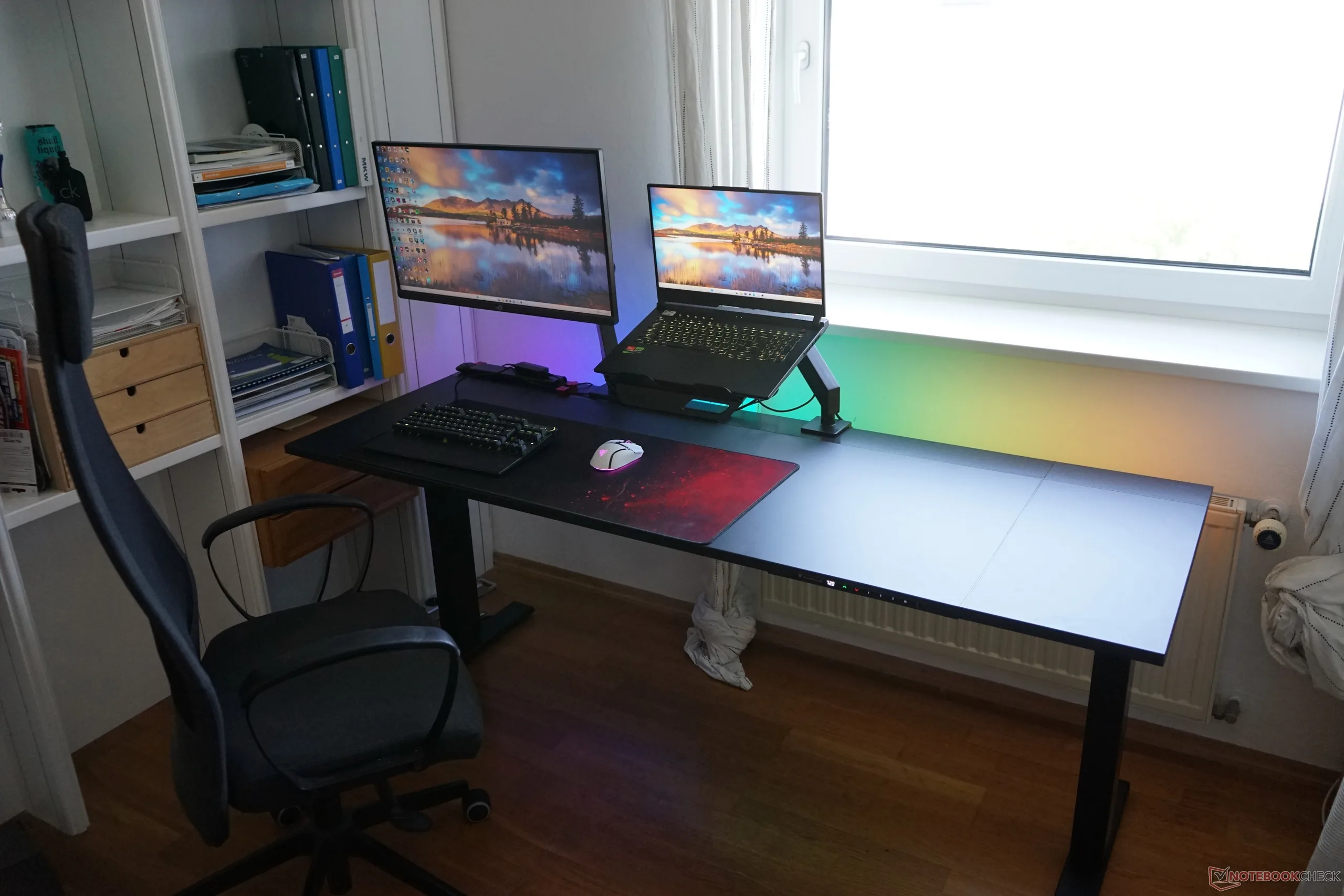
In use, the Magnus Evo XL makes an excellent impression. The motors move quietly to their end positions, and the desk wobbles only minimally even when fully extended. This is often a problem, especially with lower-priced desks. Even under heavy loads—in our test, a user sat on the tabletop—the motors can reliably lift the weight.
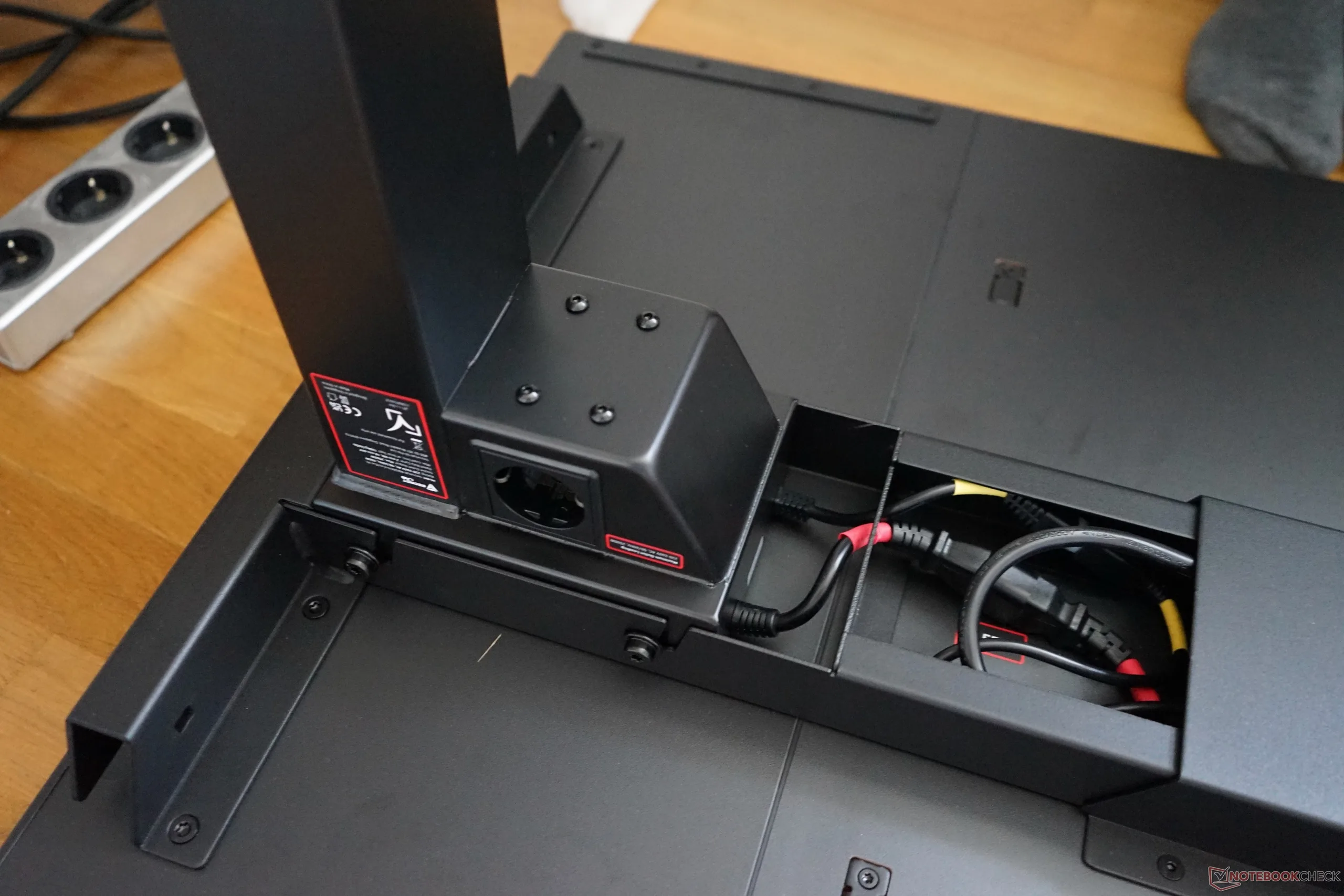
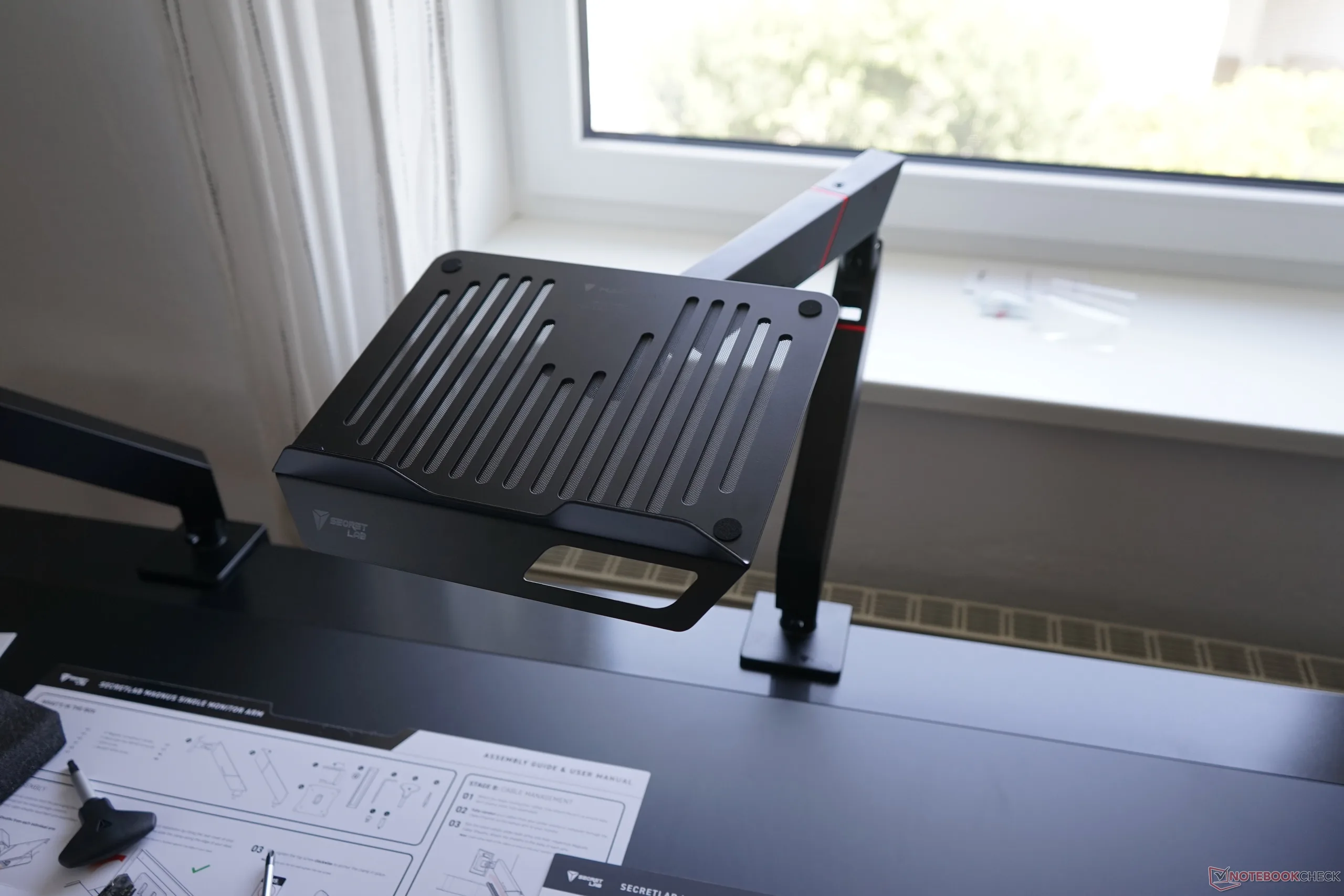
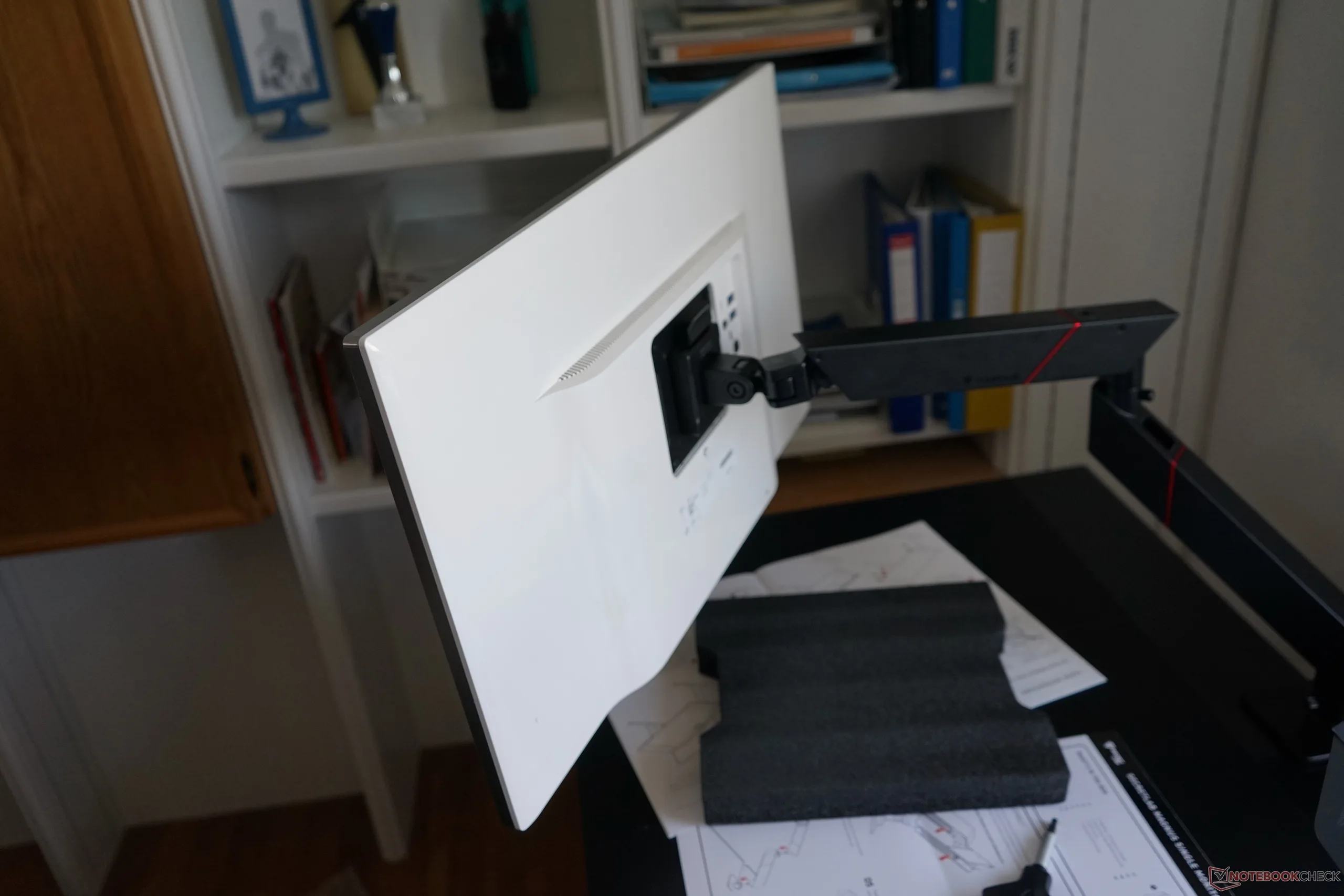
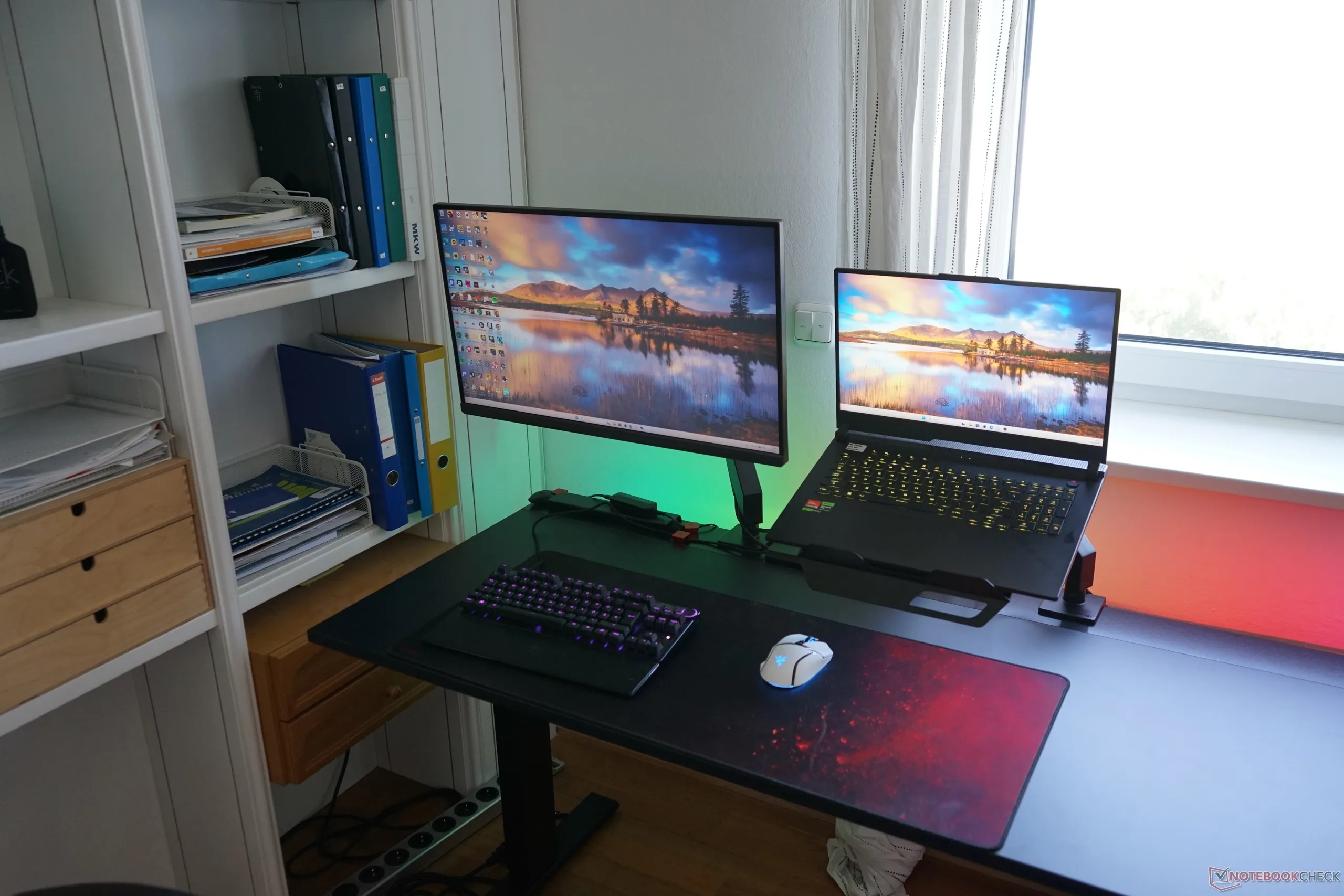
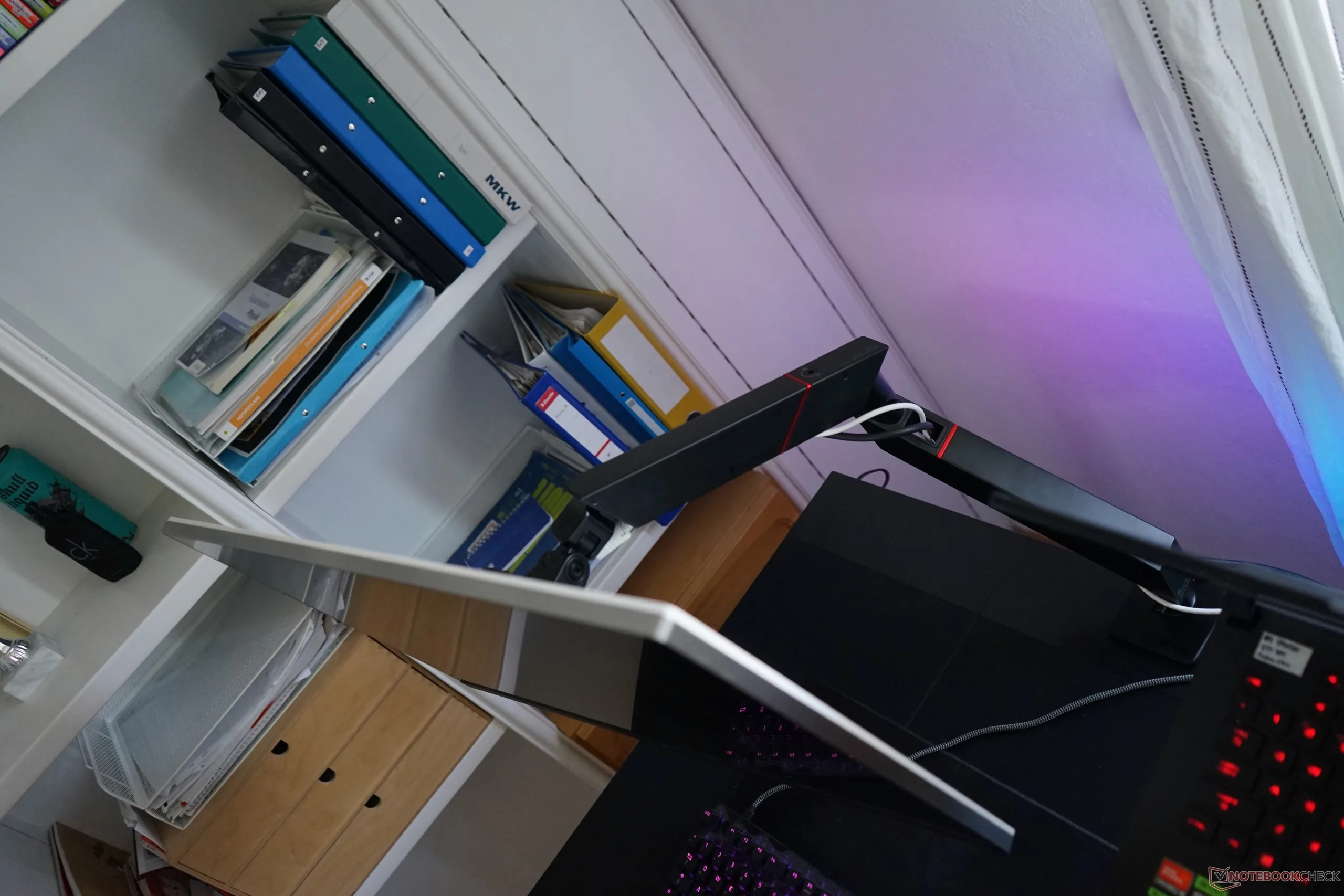
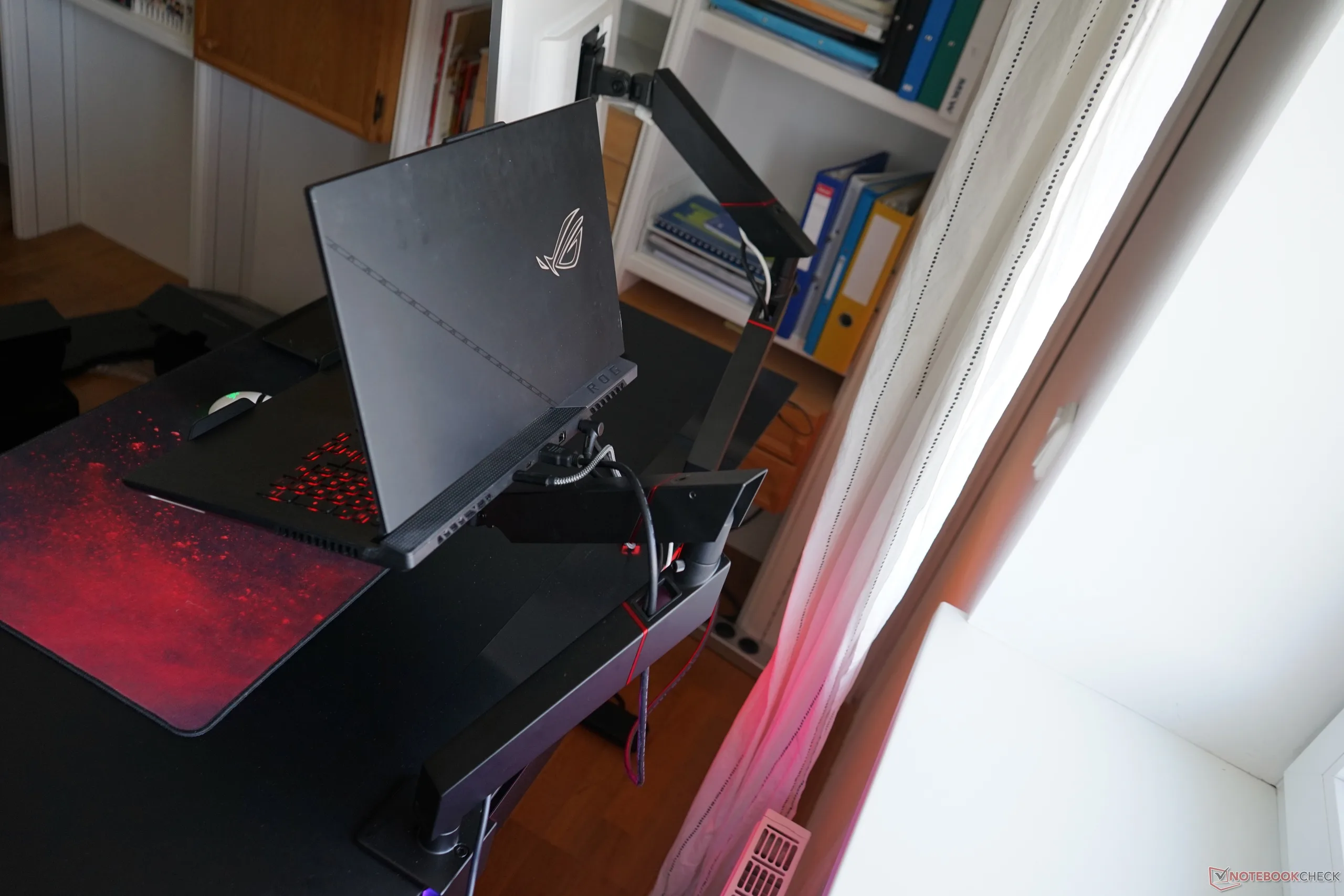
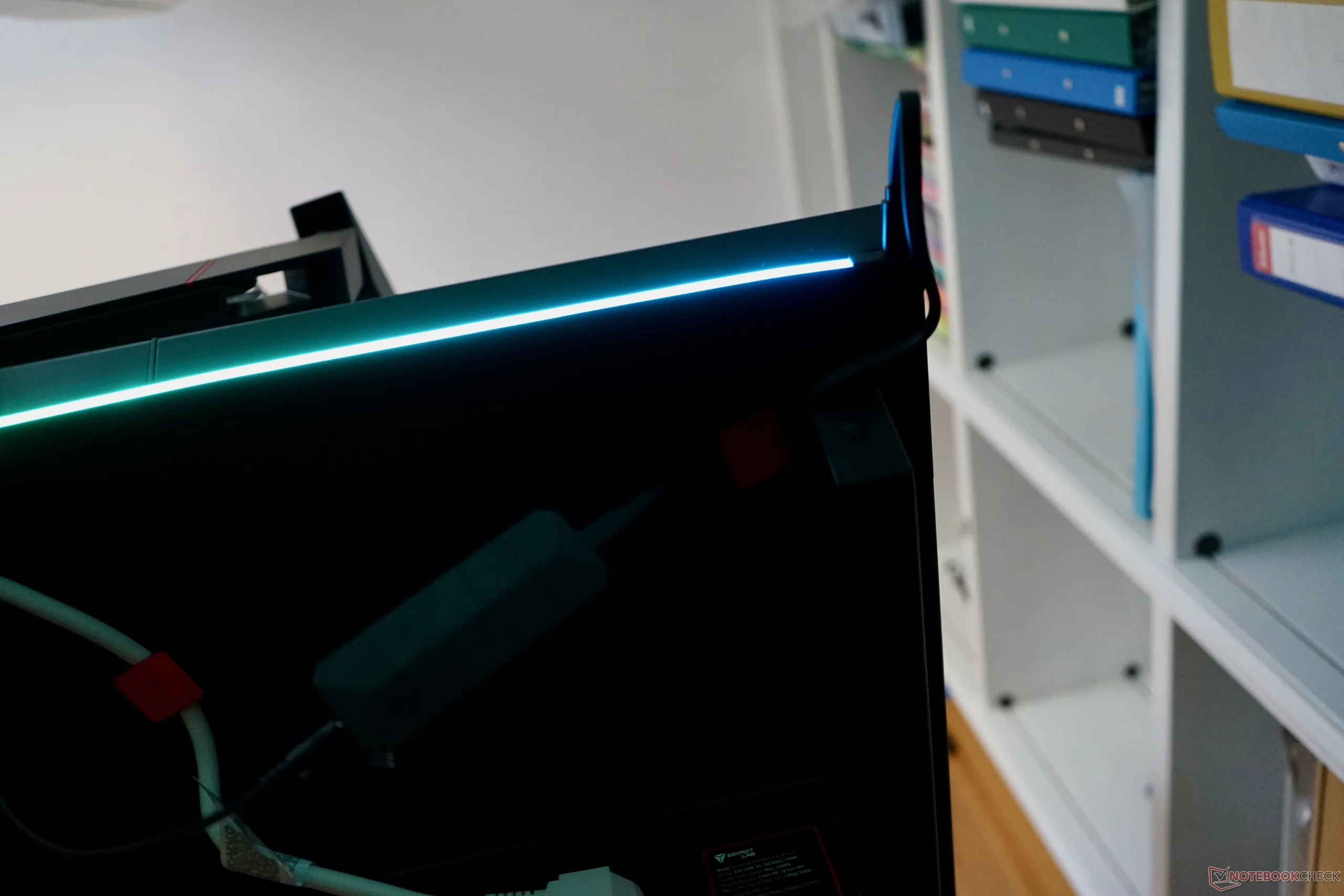
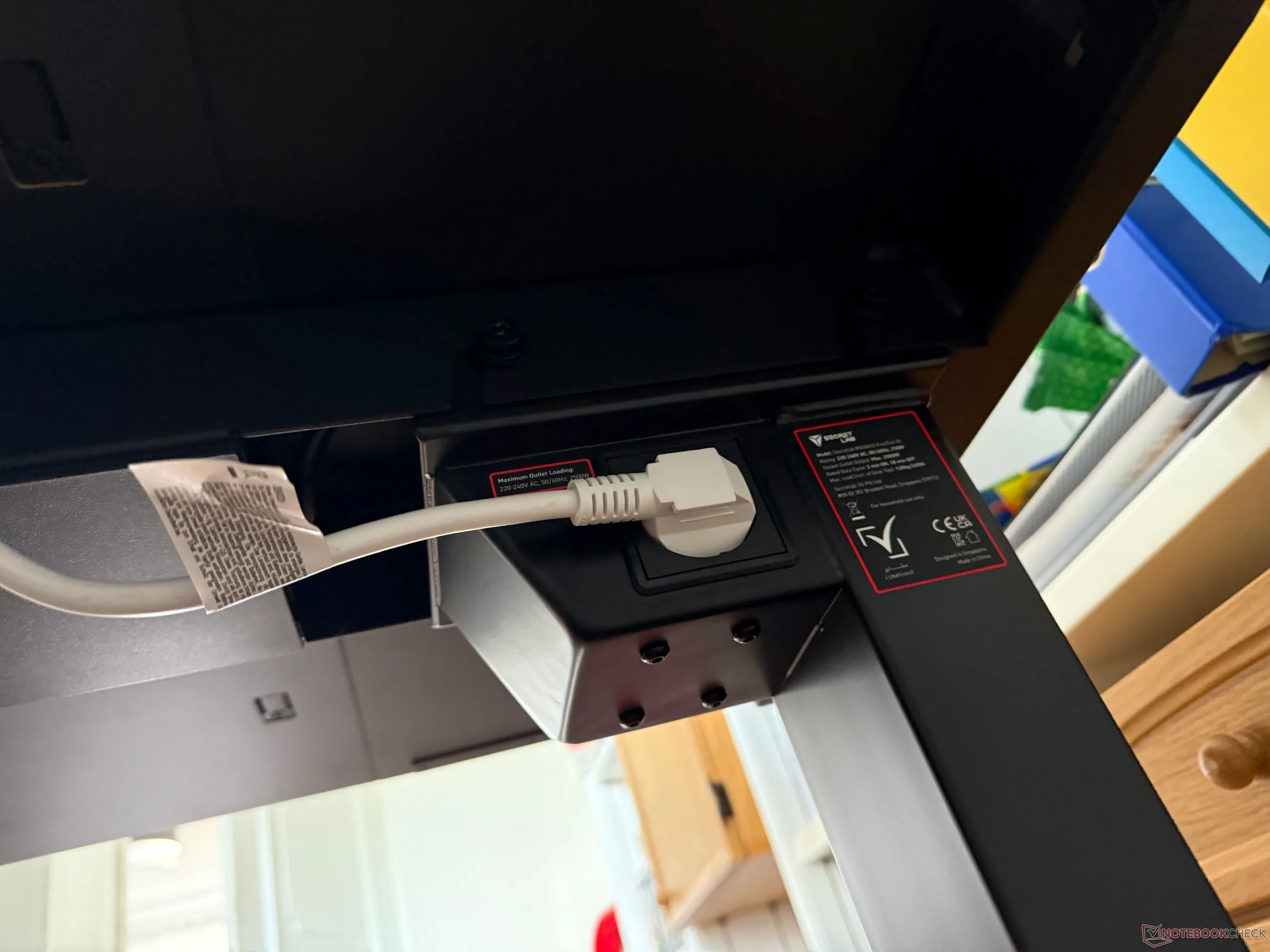
The relatively shallow depth of 64 cm is offset by the monitor arms we use for the monitor and laptop, leaving plenty of workspace. Unlike the Magnus Pro, the Evo’s cable channel is accessible only from below. This is less practical when laptops are changed frequently. It would be nice to have an integrated power strip with USB-C, as is available, for example, with the Ikea Mittzon.
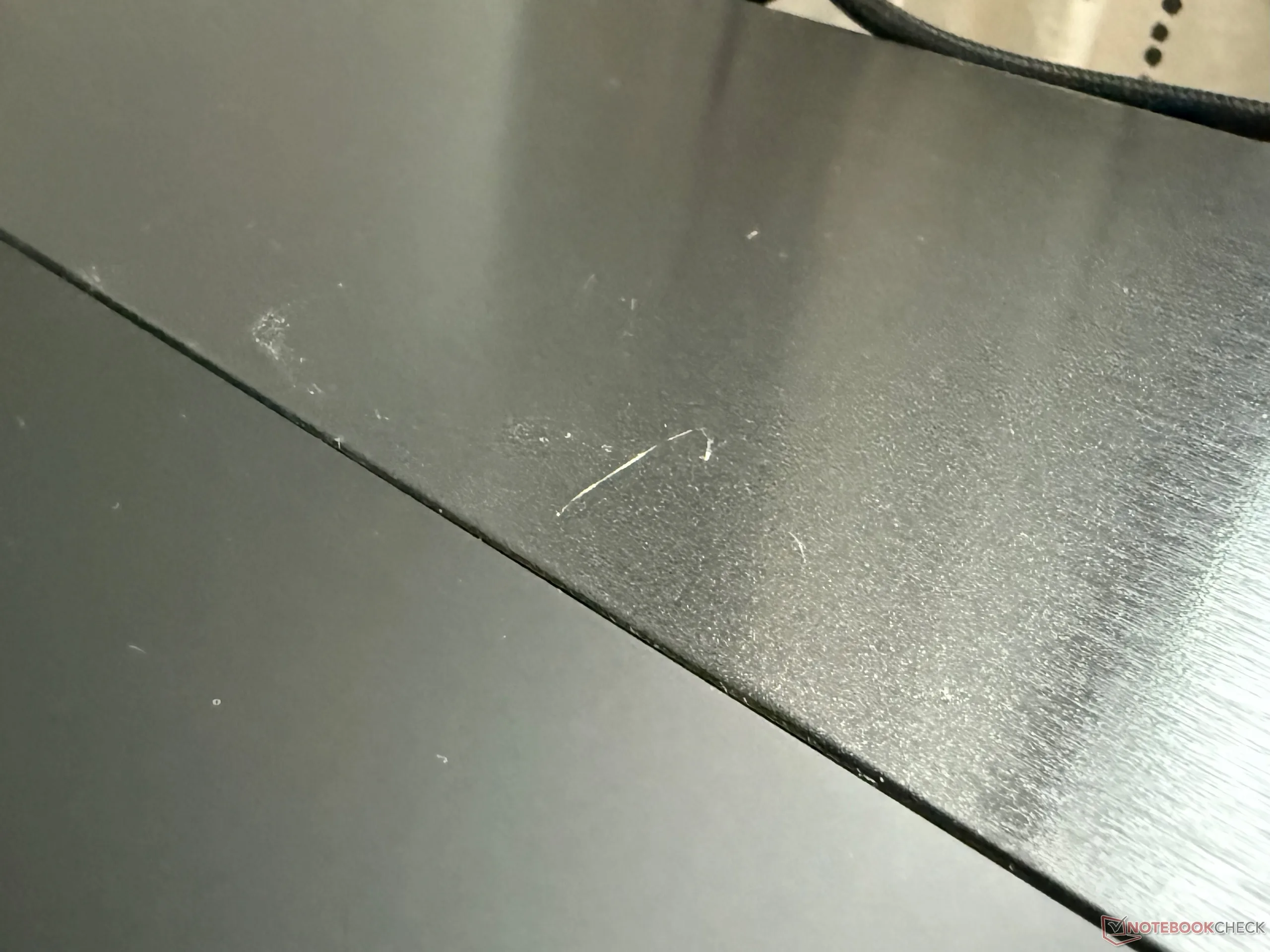
As expected, the black finish on our test model is relatively prone to dust and scratches. The practical and visually appealing magnets used by the cable-management accessories have already left a noticeable scratch near the back. Caution is therefore advised.
In our opinion, the design and material quality are in keeping with the test unit’s high price. Compared with the Pro, the Evo uses a composite panel in the front work area that feels slightly inferior. As a result, the impressive large mats available for the Pro model cannot be used. In return, however, there is no inductive interference that could cause problems with wireless charging pads (such as Qi chargers) or modern gaming keyboards that use highly sensitive magnetic Hall-effect switches.

Power consumption
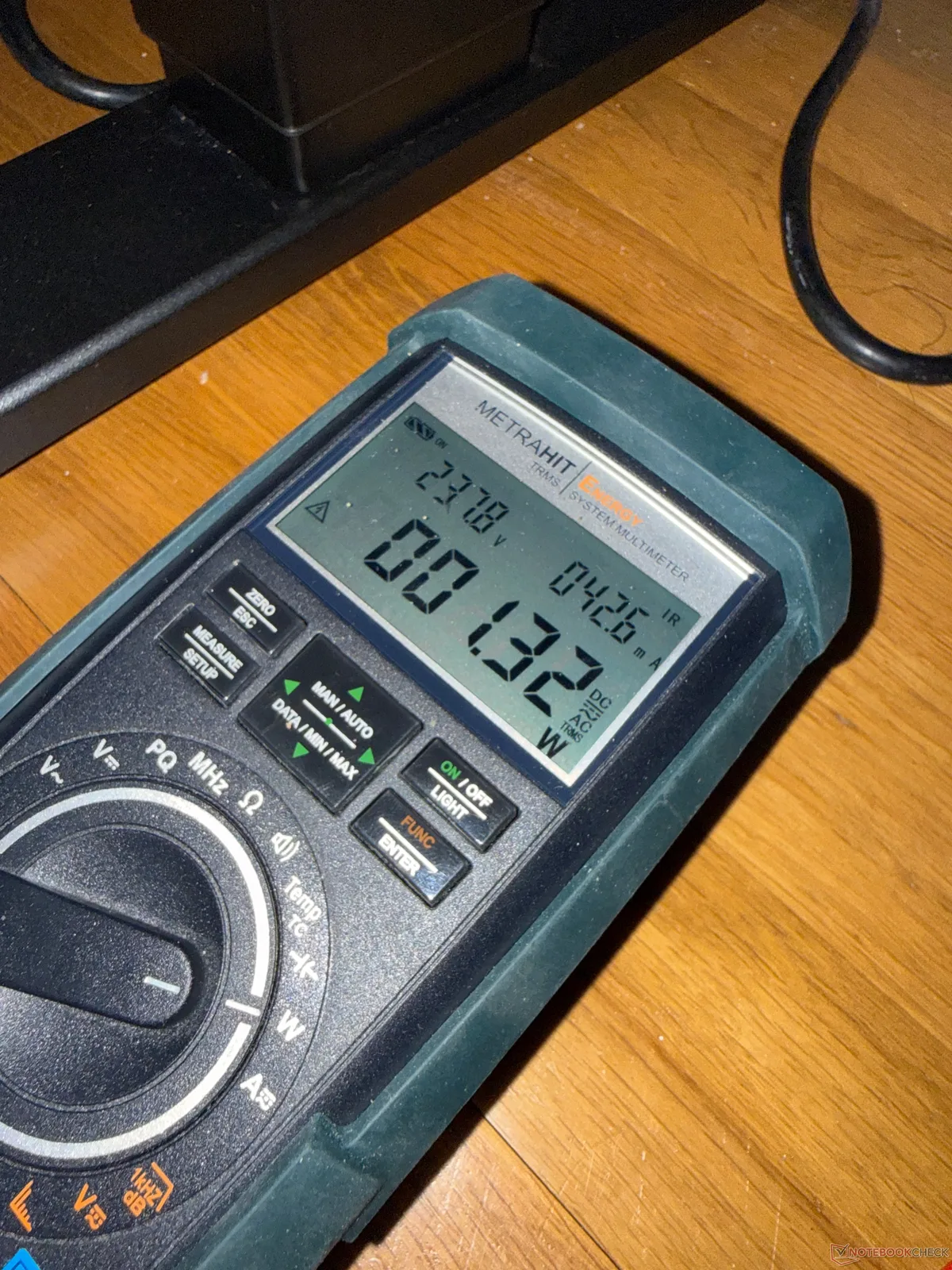
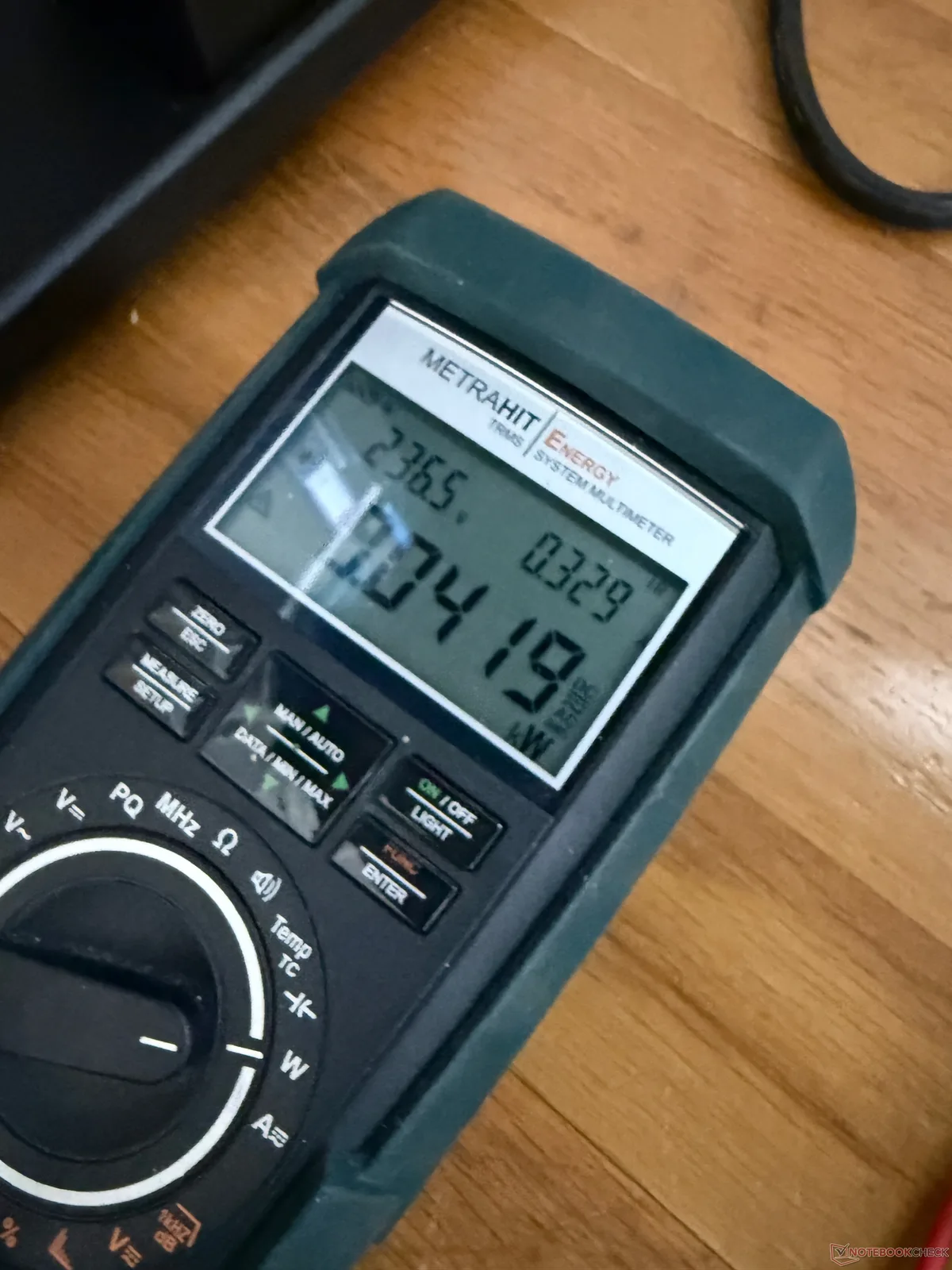
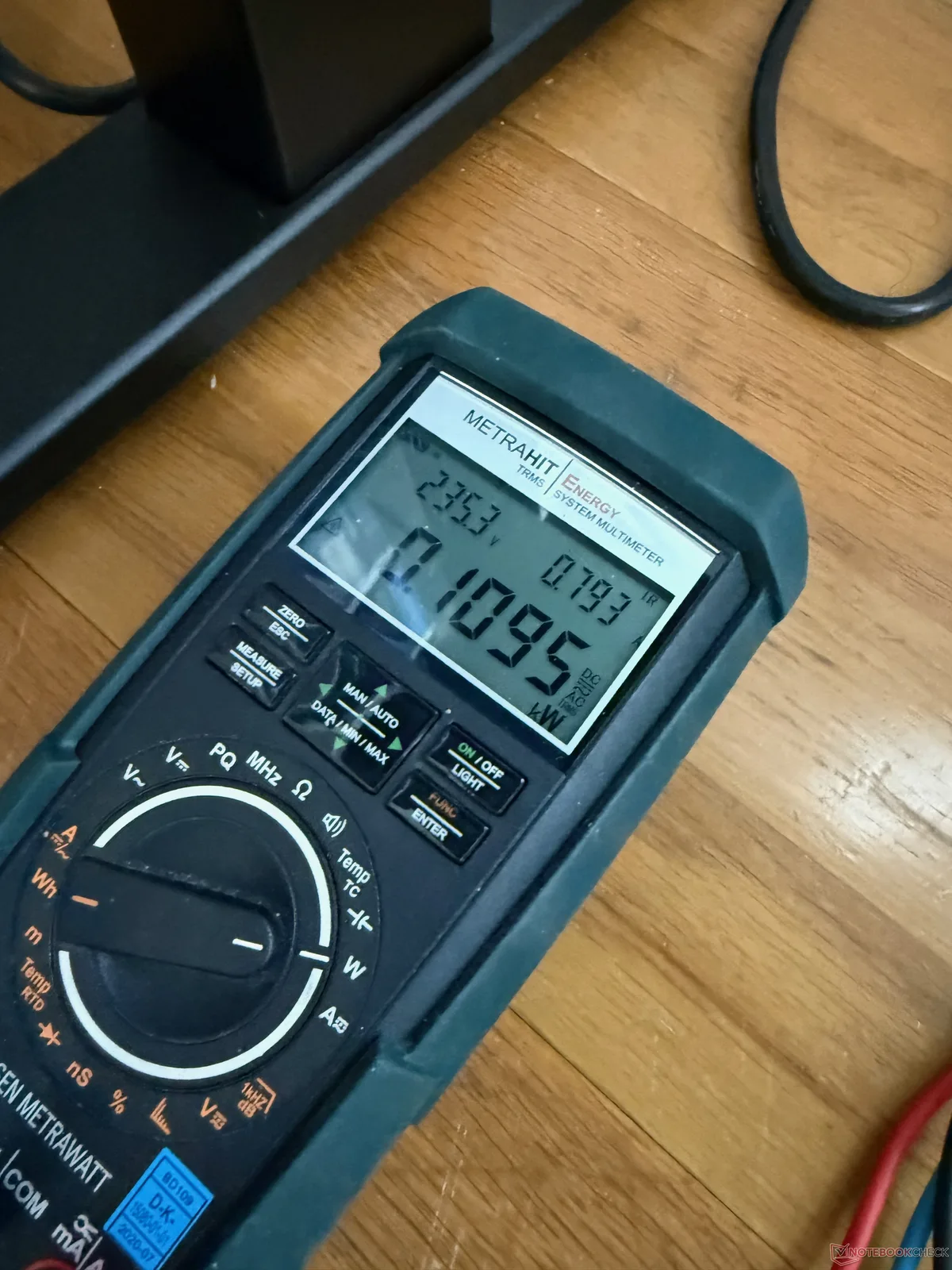
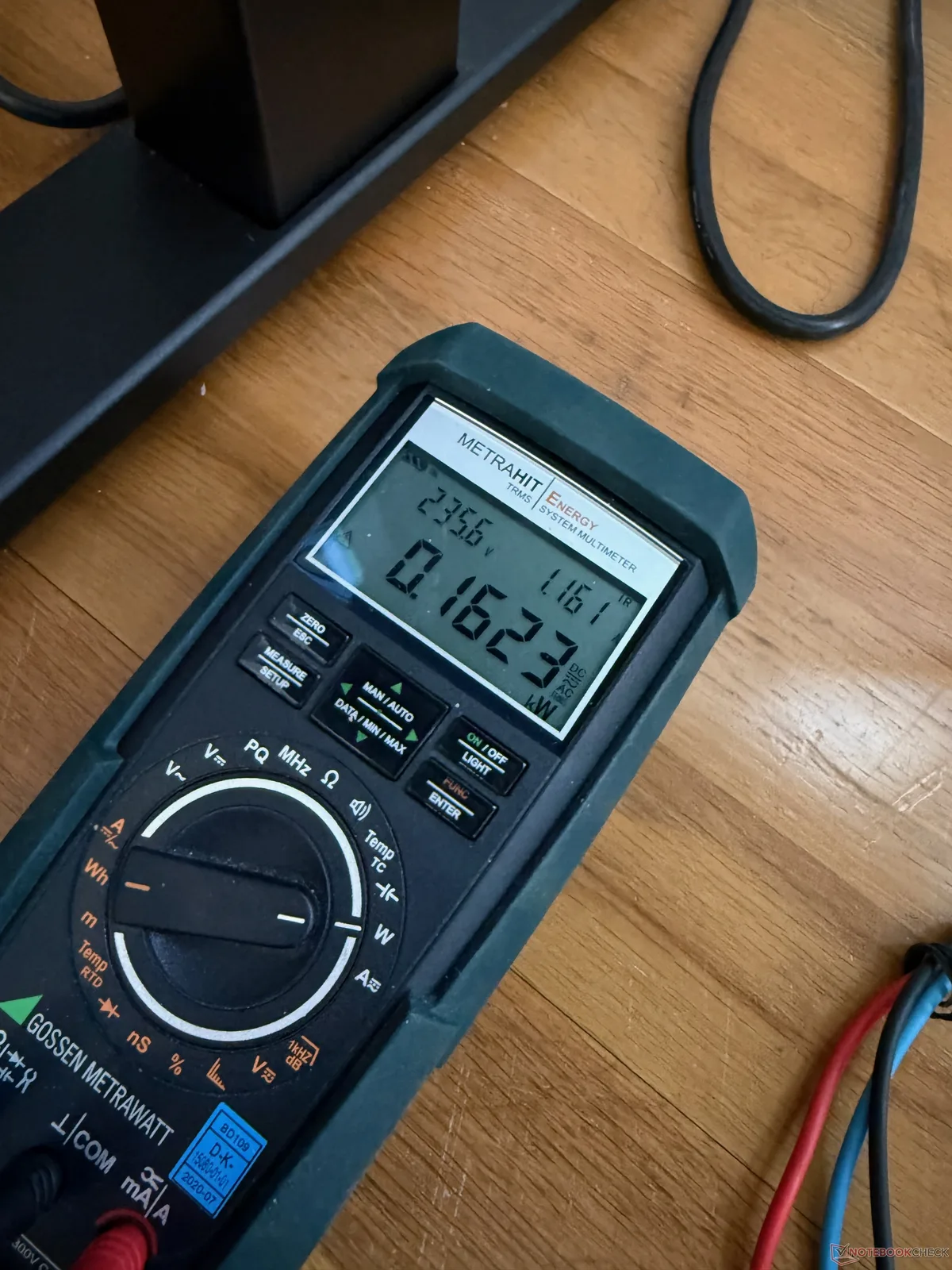
Power consumption measurements show good performance at idle. We measured an average of 1.3 watts, significantly more than the Ikea Mittzon, which draws only 0.3 watts from the outlet. When the motors are in use, the picture changes. Secretlab’s two motors prove to be very energy-efficient here. With a laptop and monitor on the desk, they draw only 110 watts when moving upward and 42 watts when moving downward. The Mittzon is significantly more power-hungry, consuming 230 watts when raising the desk. Even with an additional maximum load of 60 kg, the Secretlab draws only 160 watts.
Conclusion
The Secretlab Magnus Evo XL delivers solid performance in everyday technical testing. Its mechanical stability, easy assembly, and excellent
cable management, including a clever drop-down tray, are all impressive. The fact that power can be fed in flexibly from either the left or right side underscores the well-thought-out frame design. The modified mix of materials effectively prevents signal interference with Hall-effect peripherals, though
at the cost of a more delicate surface and the loss of compatibility with the large magnetic mat. The shallow desk depth can be compensated for with the optionally available monitor, laptop, and desktop PC mounts. We were also very impressed with the build quality and design.
On the downside, the weak magnets on the optional LED strip stand out, as does the lack of easily accessible Schuko sockets and USB ports. Standby power consumption could also be lower. The segmented worktop of the XL model is also a minor aesthetic drawback.
At currently at least 599 euros on sale (699 euros at the regular price) without accessories, the purchase price is relatively high. With the useful but expensive add-ons, the total price quickly rises to over 1,300 euros.
Pros
Cons
Transparency
The selection of devices to be reviewed is made by our editorial team. The test sample was given to the author by the manufacturer free of charge for the purposes of review. There was no third-party influence on this review, nor did the manufacturer receive a copy of this review before publication. There was no obligation to publish this review. As an independent media company, Notebookcheck is not subjected to the authority of manufacturers, retailers or publishers.
This is how Notebookcheck is testing
Every year, Notebookcheck independently reviews hundreds of laptops and smartphones using standardized procedures to ensure that all results are comparable. We have continuously developed our test methods for around 20 years and set industry standards in the process. In our test labs, high-quality measuring equipment is utilized by experienced technicians and editors. These tests involve a multi-stage validation process. Our complex rating system is based on hundreds of well-founded measurements and benchmarks, which maintains objectivity. Further information on our test methods can be found here.
 Add as a preferred source on Google


