




Smartphones are making ever greater inroads into the high-end photography sector - but are becoming ever more expensive in the process. The Vivo X300 Ultra is said to cost almost €2,000 ($2,300) in some regions, and even though the smartphone offers powerful features with two 200 megapixel cameras, even many full-frame cameras are cheaper and offer significantly better image quality.
If you don't want to bother with interchangeable lenses and are simply looking for a compact, versatile and easy-to-use camera for on the go, there are now only a few high-end compact cameras to choose from. Most models, such as the Fujifilm X100 VI ($2,489 on Amazon) or the Ricoh GR IV, only have one lens with a fixed focal length and cannot quite replace a smartphone with three or four cameras. Compact cameras with zoom lenses, on the other hand, usually use such small sensors that it is hardly worth switching from a smartphone.
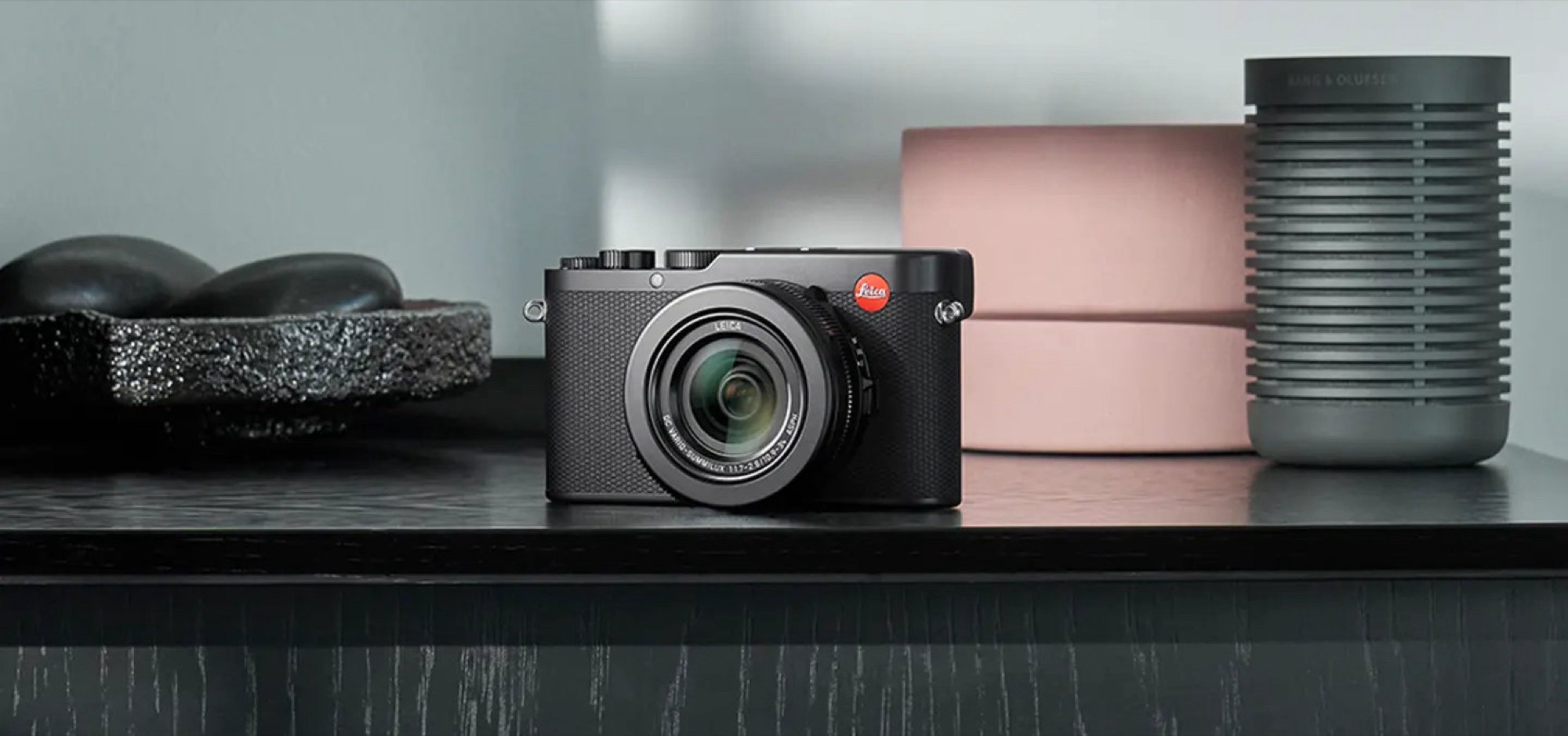
Leica D-Lux 8 couples large sensor with zoom lens
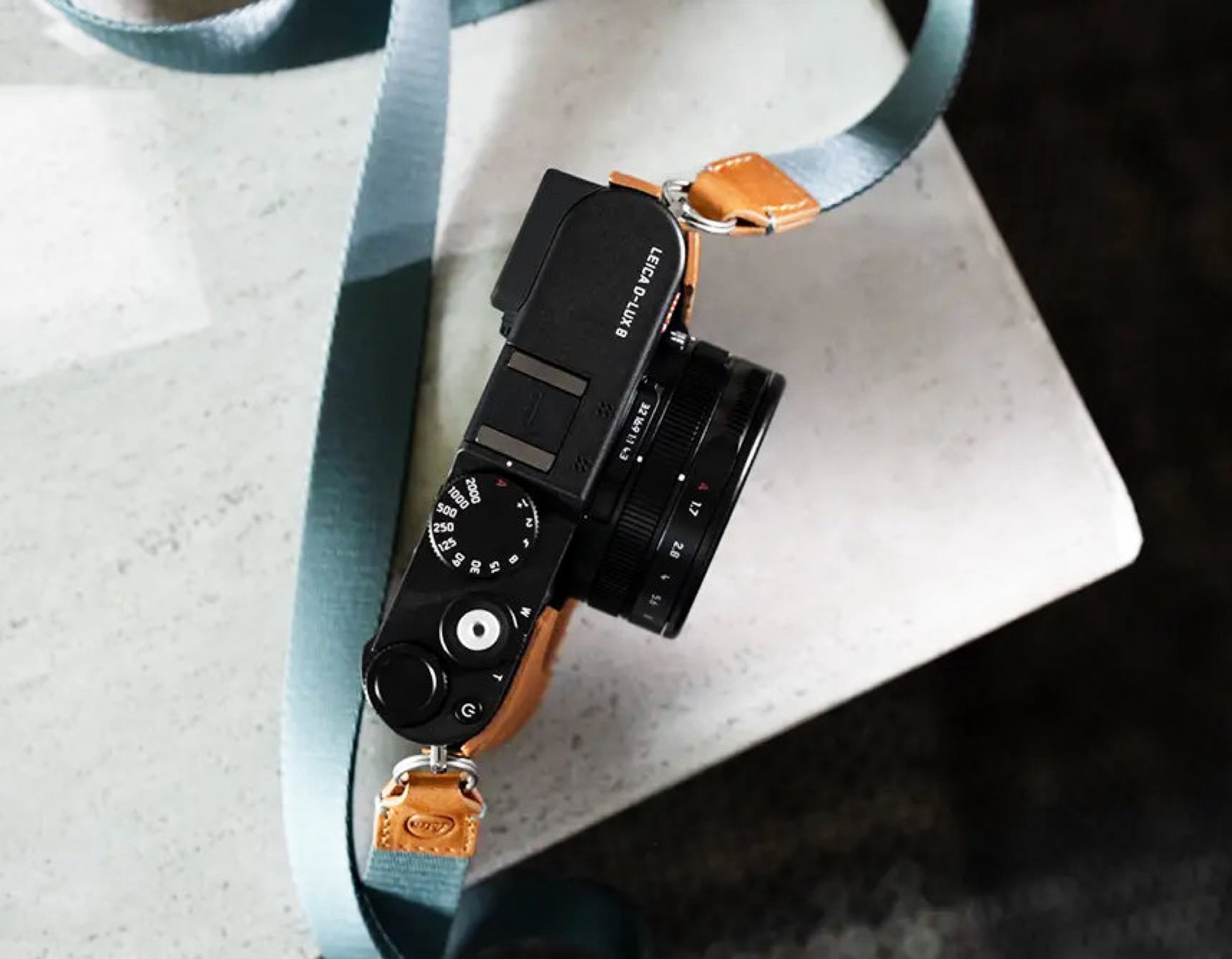
An exception to this rule is the Leica D-Lux 8, which combines a micro FourThirds sensor with a zoom lens that achieves a 35 mm equivalent focal length of 24 - 75 mm and a maximum aperture of f/1.7 - f/2.8, i.e. 3.1x optical zoom. The electronic OLED viewfinder and support for external flashes are features that smartphones simply cannot offer.
While the D-Lux 8 supports an auto mode, the aperture and shutter speed can be set using dedicated dials without having to go through a menu. Photos can be transferred wirelessly to a smartphone via the excellent Leica Photos app. With a price of $1,915, the Leica D-Lux 8 is even cheaper than some flagship smartphones.

Outdated hardware prevents recommendation
The fact that the camera is still not a clear recommendation is due to the outdated hardware. The sensor and lens of the D-Lux 8 originate from the Panasonic Lumix LX100 II from 2018, and in terms of resolution, dynamic range and image noise, the age of the sensor is noticeable in comparison with newer cameras. Wi-Fi 4 is outdated and means that it takes too long to transfer photos to a smartphone.
The autofocus is slow, the display cannot be flipped out, and 4K videos are limited to 30 frames per second, RAW video support is missing. If Leica can modernize the D-Lux 9 in these areas without raising the price too much, the luxury camera manufacturer from Germany, of all places, could offer perhaps the most interesting alternative to the flagship smartphone.

Source(s)
Own | Leica
 Add as a preferred source on Google


