




Hawaii hands out 1,000 AI-powered dashcams to monitor road conditions and help identify road rage and reckless drivers
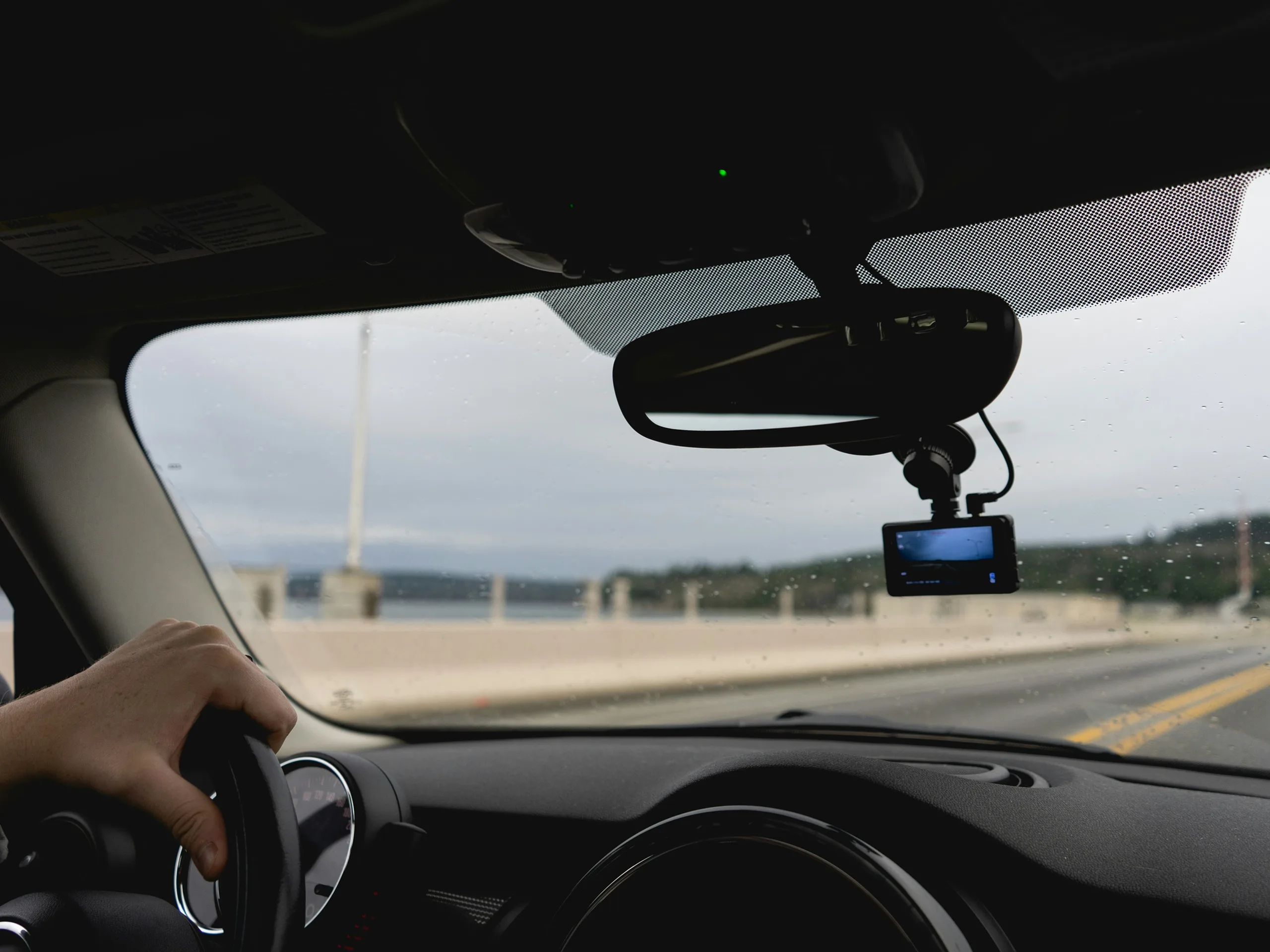
The “Eyes on the Road” program was developed in collaboration with the University of Hawaii and Blyncsy. It will collect still images from dashcam videos and analyse them with AI to spot potholes, guardrail damage, paint line conditions, and vegetation encroachment.
Dashcams assigned by island and linked via NextBase app
The dashcams are shared across Hawaii’s islands. The Big Island drivers got 390, while 245 cameras went to Maui and the surrounding islands. Oahu was assigned 250 units, and the remaining 115 went to Kauai.
The dashcams are programmed to record video in their assigned territories and operate by being plugged into the vehicle’s OBD port. The footage is retrieved through the NextBase app installed on the driver’s smartphone via Bluetooth, after which it is uploaded for AI processing.
Blyncsy converts the videos into still images, and machine-learning models produce reports for the DOT.
Since AI is susceptible to misinterpreting data, the project is putting oversight systems in place. However, the DOT hopes that the monitoring will enhance safety on Hawaii’s roads.
Maintenance schedule informed by dashcam data
Hawaii states that the dashcam program will support guardrail defect inspections every 12 hours. It will also supply data for vegetation encroachment and debris checks on a weekly basis. Other scheduled maintenance tasks include annual sign inventory and stripe visibility assessments.
Drivers can report road rage and reckless behaviour
The “Eyes on the Road” initiative goes beyond infrastructure monitoring. Participating drivers can use the system to report unsafe behaviours, such as irresponsible driving and road rage. They can access the feed and pass on relevant clips to law enforcement for appropriate action.
Source(s)
 Add as a preferred source on Google


