




Goodbye Google: European Parliament makes French rival Qwant its default search engine
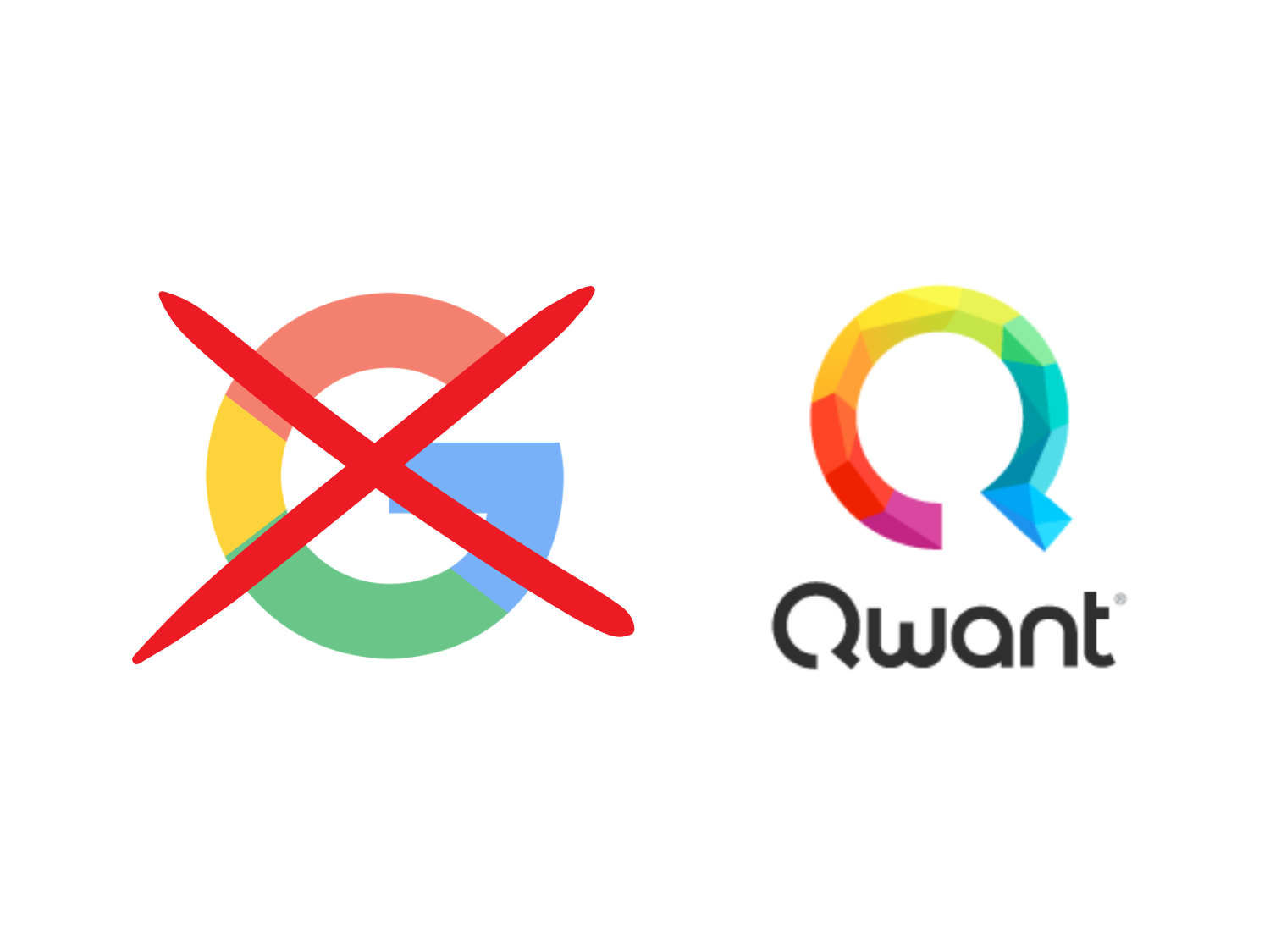
Starting this Thursday, MEPs typing a query into the address bar of Firefox or Edge will no longer get Google results. The European Parliament is switching its default search engine to Qwant — a French rival that promises not to track users or collect personal data, according to an internal email reported by Euractiv.
The move looks small but is symbolically loaded. Google controls roughly 90% of Europe's search market, and EU institutions use US software heavily — Microsoft's Office suite being one of the major ones among them. The Parliament is framing the swap as part of its commitment to "digital sovereignty," and the timing is no accident too: it comes one day after the European Commission unveiled a whole package of proposals meant to loosen the bloc's dependence on American tech giants.
One of the most interesting wrinkles is Qwant itself. The company has long piggybacked on Microsoft's Bing index to deliver results — hardly independence. But it is now co-developing its own index, dubbed Staan, alongside fellow European engine Ecosia. That probably explains the Parliament's pick as being a bet on homegrown infrastructure, instead of a rebranded front end.
It's important to note that nobody is forced offline. MEPs can still switch their default back to Google or any other engine; Qwant is simply the out-of-the-box choice for the Parliament's 720 lawmakers and thousands of staff.
Also, plenty of other dependencies — Windows, Office, foreign-built phones and email clients — are still firmly established.
Source(s)
 Add as a preferred source on Google


