




Android fake call detection: Google uses RCS to stop AI scams
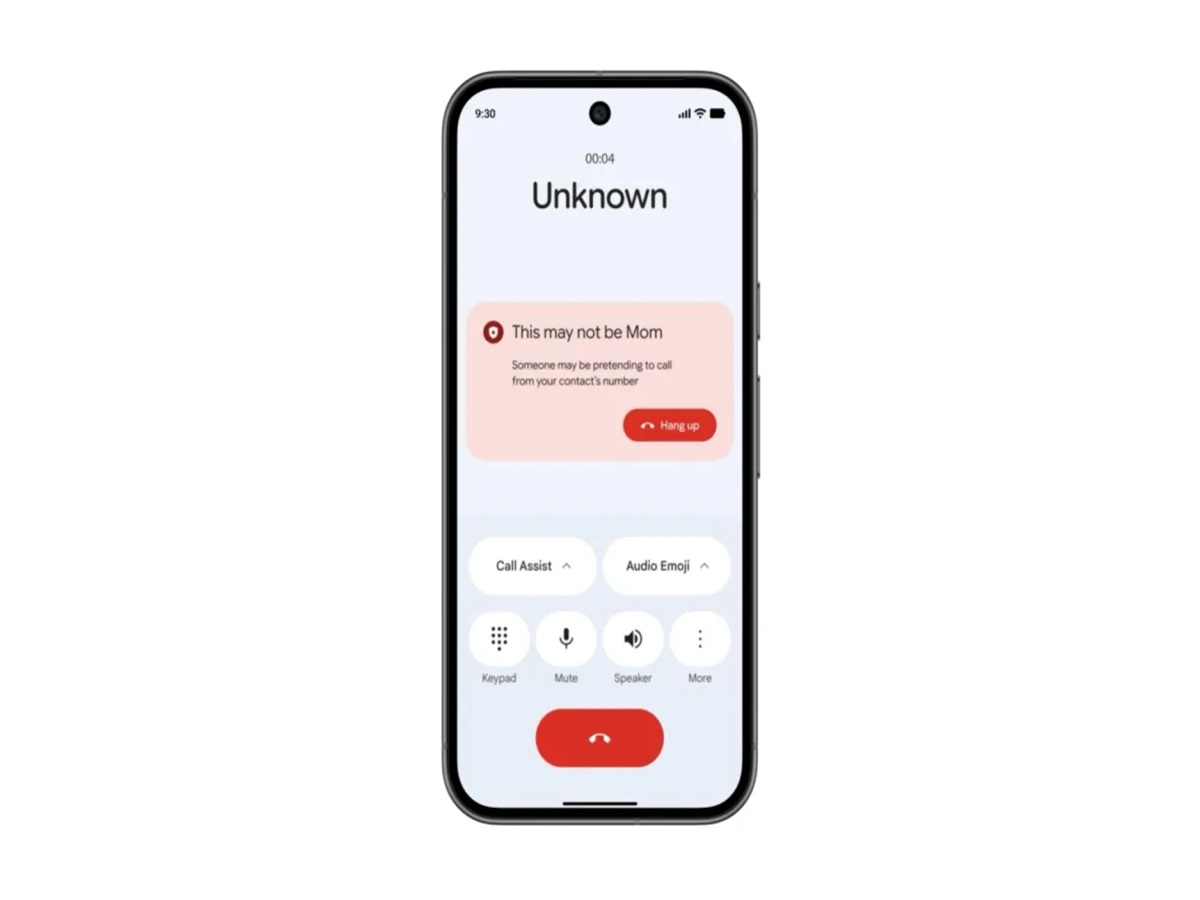
Google has added fake call detection to Android. This new security feature uses RCS to verify whether a call from a saved contact is actually coming from that person's device.
The feature was announced via the Google Security Blog on June 2, 2026, and is rolling out globally through the app Phone to all Android 12 and later devices this month, starting with Google's own Pixel hardware.
How the feature works
The protection functions as a silent digital handshake between two devices. When a contact calls you and both parties are running Phone by Google, the caller's device sends an encrypted confirmation signal over RCS to verify the call is originating from their hardware. If that signal is absent, as it would be with a malicious call spoofing the number, a warning appears on the recipient's screen advising them to hang up.
The entire verification process runs over end-to-end encrypted RCS, meaning no call audio or content is transmitted to Google's servers. The feature is on by default and requires no action from users.
It only functions when both the caller and the recipient are using Phone by Google, which Google says is already the default dialer on the majority of Android devices. Users whose carriers have pre-installed a different phone app can install Phone by Google from the Play Store and set it as their default to enable the protection.
Not the same as Scam Detection
Fake Call Detection is separate from Google's existing audio-based Scam Detection feature, and the two should not be confused. Scam Detection uses on-device AI to listen to live call audio and flag conversational red flags, the kind of pressure tactics and urgent money requests common in fraud calls from unknown numbers. It is off by default and applies to calls from people not in your contacts.
Fake Call Detection does not analyze audio at all. It works purely at the hardware routing level to verify that a call claiming to come from someone in your contacts is actually originating from that person's device. It is on by default and is designed specifically to stop fraudsters from spoofing the numbers of your family and friends.
The threat it targets
Impersonation scams have shifted tactics as more people refuse to answer calls from unknown numbers. Scammers then route calls through internet-based software to fake a trusted contact's number. They then use AI voice-cloning to mimic the voice of the caller.
INTERPOL's March 2026 Global Financial Fraud Threat Assessment identified impersonation fraud as one of the leading contributors to more than $400 billion in global losses last year. While The U.S. Federal Trade Commission separately reported that impersonation scams cost Americans $2.95 billion in 2024 alone.
Google notes that AI audio deepfakes have reached the point where most people can no longer reliably tell them apart from a real voice, which makes number spoofing alone no longer enough to catch the fraud.
Google's verified financial calls
The fake call detection feature builds on Google's verified financial calls rollout earlier in 2026, which uses a similar handshake approach to confirm whether an incoming call is genuinely from a user's bank. That feature cross-checks calls against installed banking apps and can automatically end connections that fail verification.
Google says it built fake call detection on top of the RCS open standard to allow other phone app developers and device manufacturers to adopt the same protection across the Android ecosystem.
 Add as a preferred source on Google


