




Foldable iPhone Ultra: Apple has done it - crease-free display achieved, says leak; coming to foldable iPad
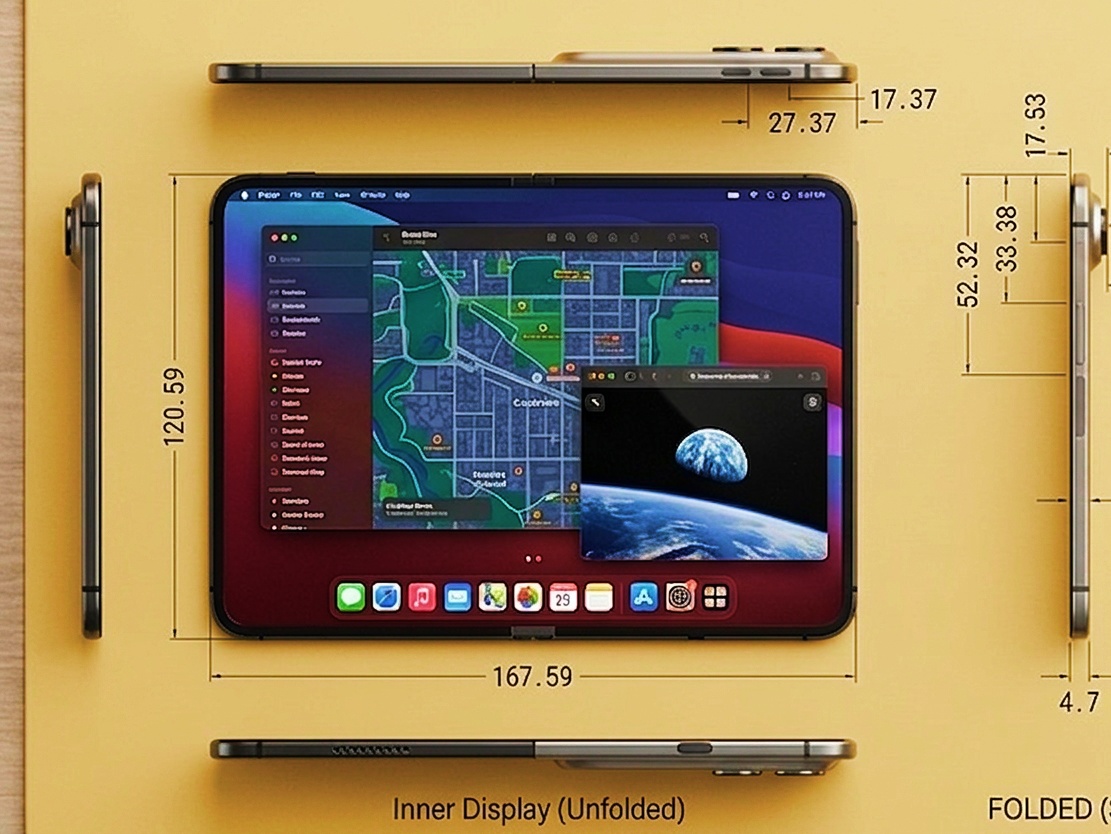
Another day - another leak about the upcoming foldable iPhone.
Today, fresh rumors from a top tipster suggest that Apple might’ve locked in the hinge/panel design for its long-awaited foldable iPhone Ultra (despite recent rumors of hardware challenges with the hinge). The info tells us that Cupertino has indeed achieved the ultimate goal of having a "seamless" (no-crease) display, which (hopefully) eliminates the visual dips found on current foldables.
The source notes that the design more or less mirrors the solution found on the Oppo Find N6, which (as reviews have revealed) still shows a crease after a few days of use, even if it’s noticeably less visible than what the competition can offer.
Oppo's recent flagship uses a 3D-printed liquid metal hinge to achieve a "Zero-Feel Crease," a standard Apple has reportedly demanded before greenlighting mass production. Interestingly, the leaker suggests this specialized hardware might eventually "trickle down" to the foldable iPad, potentially forming the structural design of a future iPad/MacBook Fold.
Of course, with production targets set for late 2026, Apple appears to be prioritizing the foldable iPhone that functions as a compact phone when closed and an iPad mini-competitor when open.
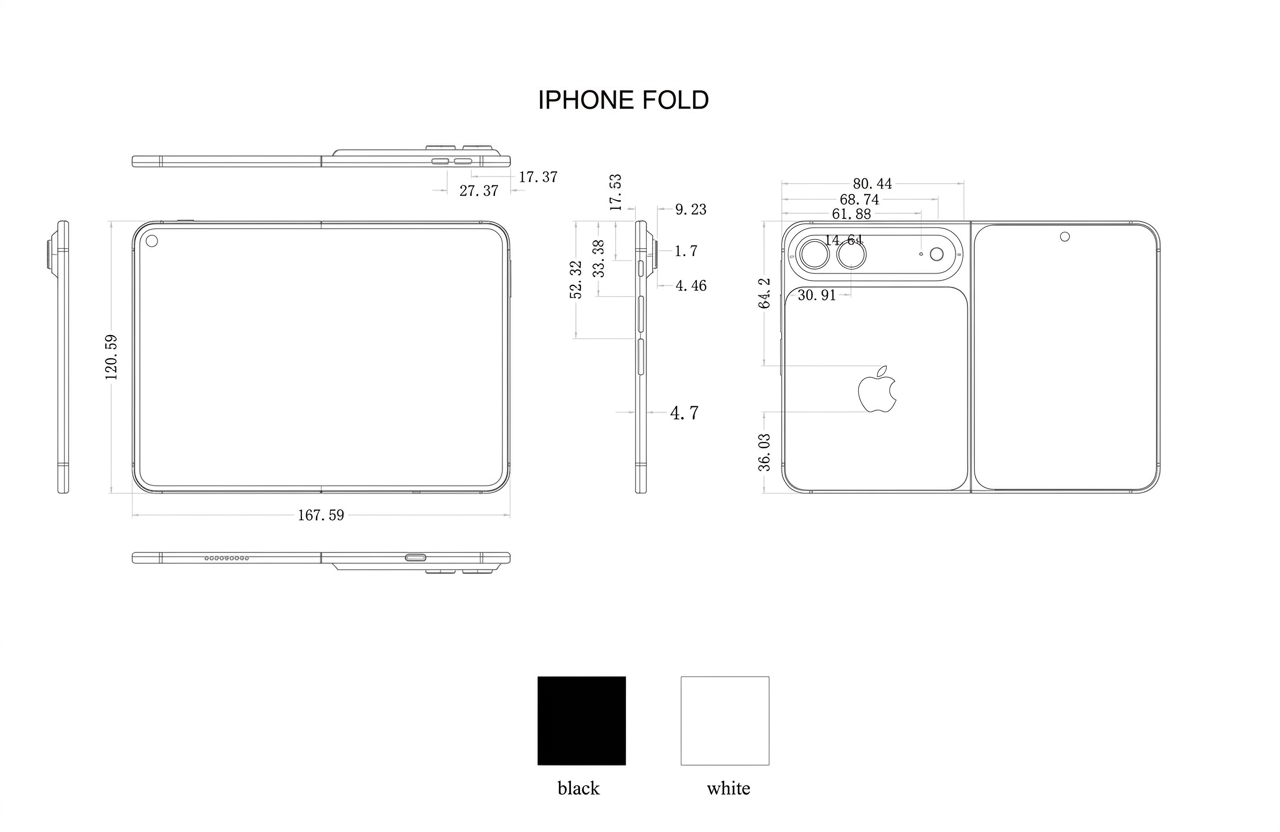
iPhone Ultra - expected specs
- Displays: 5.5-inch outer screen, 7.8-inch internal OLED panel (said to be crease-free)
- Processor: Apple A20 Pro (TSMC’s 2nm node).
- Memory: 12GB RAM (optimized for Apple Intelligence).
- Build: Titanium and aluminum frame; ultra-thin 4.5mm profile (unfolded).
- Biometrics: Touch ID (power button)
- Battery: ~5,400 mAh dual-cell design.
Foldable iPad - rumored specs
- Display: 18.8-inch Samsung-made foldable OLED (unfolded), no secondary panel
- Design: All-aluminum exterior; resembles a MacBook when closed; all-display design; functions as a 13-inch laptop or a giant flat tablet.
- Weight: Approximately 3.5 lbs (significantly heavier than current iPad Pros); said to be the main challenge for Apple’s engineering team
- Other: No physical keyboard; relies on software-based typing or external peripherals.
- Price point: Starting as high as $3,500-3,900.
Source(s)
 Add as a preferred source on Google


