




Evangelion's Shinji Ikari VA calls generative AI voice cloning 'heartbreaking,' urges Japan for protection from TikTok videos
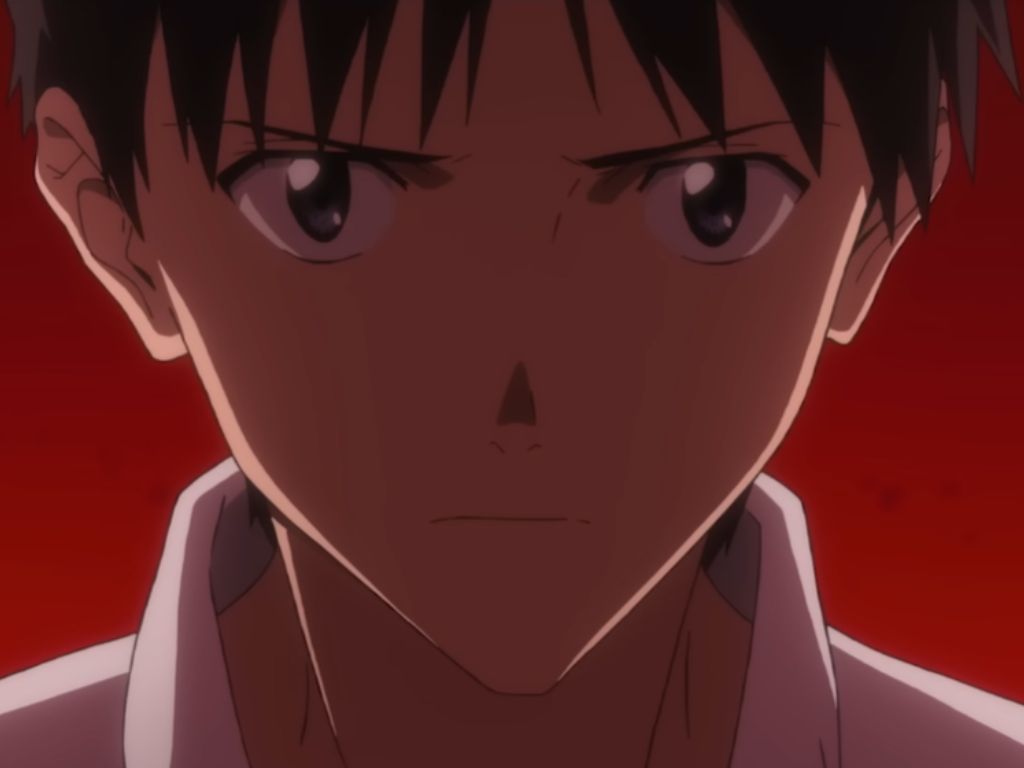
Megumi Ogata, the voice actor behind Shinji Ikari in Neon Genesis Evangelion and Makoto Naegi in Danganronpa, has voiced her frustration at the use of AI tools to clone and recreate her voice without her explicit consent. It’s a very sensitive matter in Japan, given the prestigious status of seiyuu (voice actors) and the anxiety that artificial intelligence impressions have triggered among them.
She called the trend heartbreaking as AI-generated impressions of Japanese voice actors continue to go viral on TikTok. Ogata is urging the Japanese government, particularly the Ministry of Justice, to investigate the issue and finalize a draft framework that would classify AI voice cloning and its monetization as violations of a person’s publicity rights.
Speaking to Japanese outlet TBS News Dig, Ogata addressed the issue directly and explained how it felt to see her voice repurposed without consent, saying, “My voice is part of my identity.”
Ogata said she cannot understand why anyone would use her voice, or the voices of other actors, to make them say things they would never say, then monetize the clips as though they were original performances.
This is not the first time Ogata has raised concerns about AI voice cloning. Earlier in May, she joined other voice artists at a review session at the Ministry of Justice, where they debated the issue of AI voice cloning online.
She stated that tough restrictions on AI voice cloning should be enforced. Other figures in the voice-acting industry also shared their views, collectively agreeing that urgent action is needed.
Beyond this, an executive from the Japanese Actors’ Association has likewise focused on protecting actors’ voices since at least 2023. Ogata hopes the new rules will be implemented as soon as possible.
A growing chorus against AI
Reported by Automation Media, Kenjiro Tsuda, the voice actor behind Kento Nanami in Jujutsu Kaisen and Seto Kaiba in Yu-Gi-Oh!, has also joined the growing number of Japanese anime voice actors speaking out against AI voice cloning.
Tsuda went as far as to sue TikTok’s operator in the Tokyo District Court in November 2025, after saying an anonymous account had used AI to clone his voice and post more than 180 videos to a TikTok page with over 210,000 followers.
According to Tsuda’s legal team, the account earned between 500,000 and 750,000 Japanese yen, or roughly $3,000 to $4,000, in just one month. Tsuda argued that the AI-based voice cloning trend violated his publicity rights and fell under Japan’s Unfair Competition Prevention Law. TikTok’s operator denied the claim, stating that the narration in the clips was merely a generic “male voice” unrelated to Tsuda.
In late July, Japan’s Ministry of Justice approved draft guidelines to protect the voices of actors and celebrities, with publication now scheduled. Under the proposed rules, voice actors could seek financial compensation from platforms like TikTok and request the removal of infringing posts.
Ogata hopes Japan, as a “content superpower,” will finally establish a clear policy to stop the unauthorized use of actors’ voices online.
Source(s)
 Add as a preferred source on Google


