




ESP32-H21 wireless SoC supports Thread, ZigBee, Matter and Bluetooth LE for always-on IoT devices
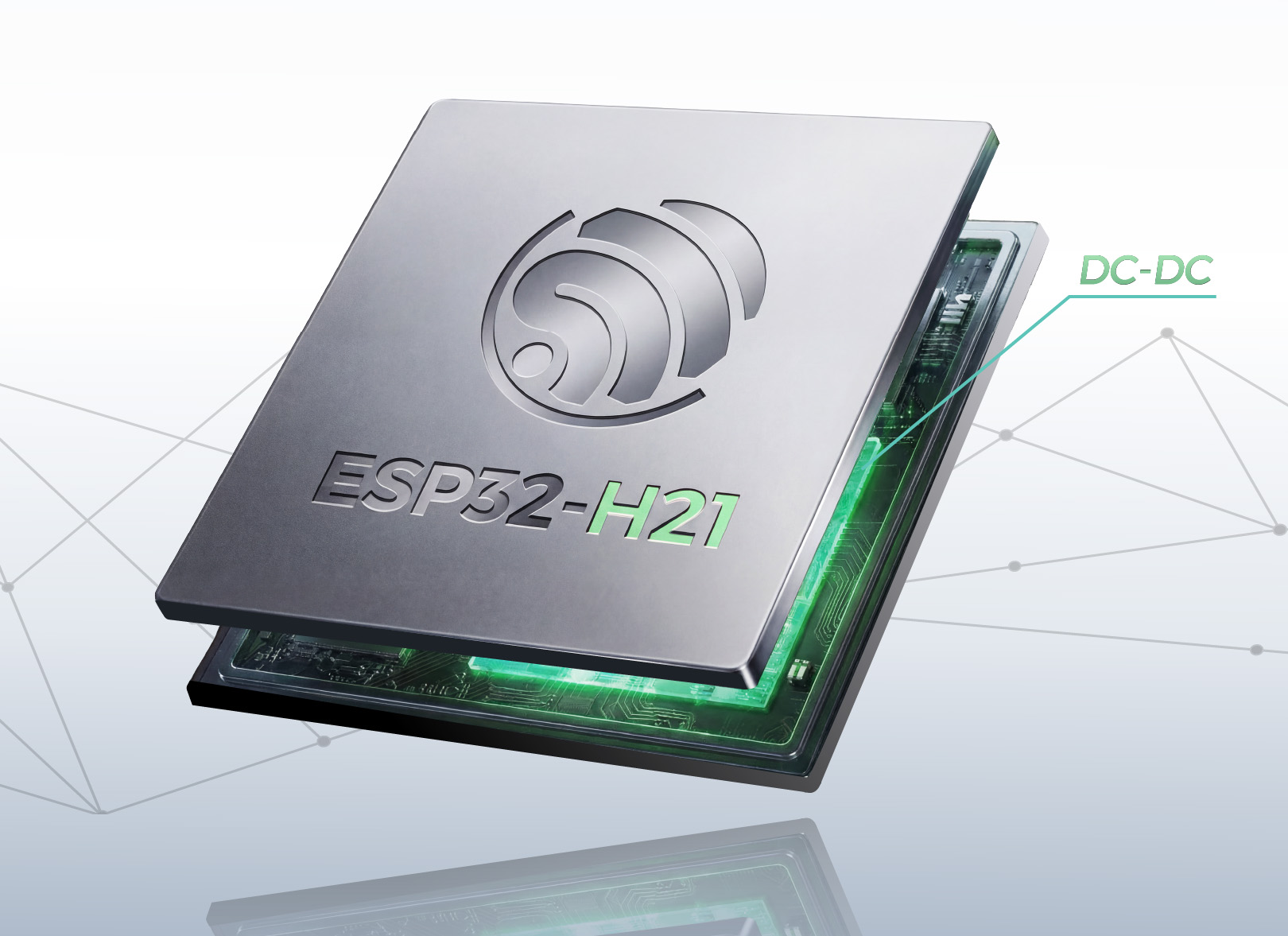
Espressif straight-up calls it "an incremental update to the ESP32-H2 platform", and the main change appears to be the addition of an integrated DC-DC converter, which the original H2 didn't have. This integration lets the chip run more efficiently at lower voltages and cuts the active-mode current, and, according to Espressif’s estimates, it's around 8.2 mA for RX under typical conditions with 9 µA light sleep and 5 µA deep sleep current draw. This helps squeeze out more life out of tiny batteries in real-world, always-on setups.
Other than the integrated DC-DC converter, everything else stays the same, which includes a RISC-V core running at 96 MHz, 320 KB SRAM, the dual-radio setup (802.15.4 + BLE), no Wi-Fi bloat, and the usual 19 GPIOs and peripherals. So if you're already prototyping with the H2, jumping to the H21 should be pretty easy.
In conclusion, if your project is battery-powered and you want to squeeze out longer runtime without changing the battery, you can switch to H21. For those who are already using a DC-DC converter or LDOs, the new integrated converter will reduce the BOM cost and also improve efficiency. In non-battery or less power-critical applications, the H2 is probably still fine and likely be cheaper/more available initially. But one thing to keep in mind is that it's not a drop-in replacement, as the pin definitions of the two SoCs are different.
Source(s)
 Add as a preferred source on Google


