




Clair Obscur: Expedition 33 devs claim they did "twice the work" of a more experienced team to build the game
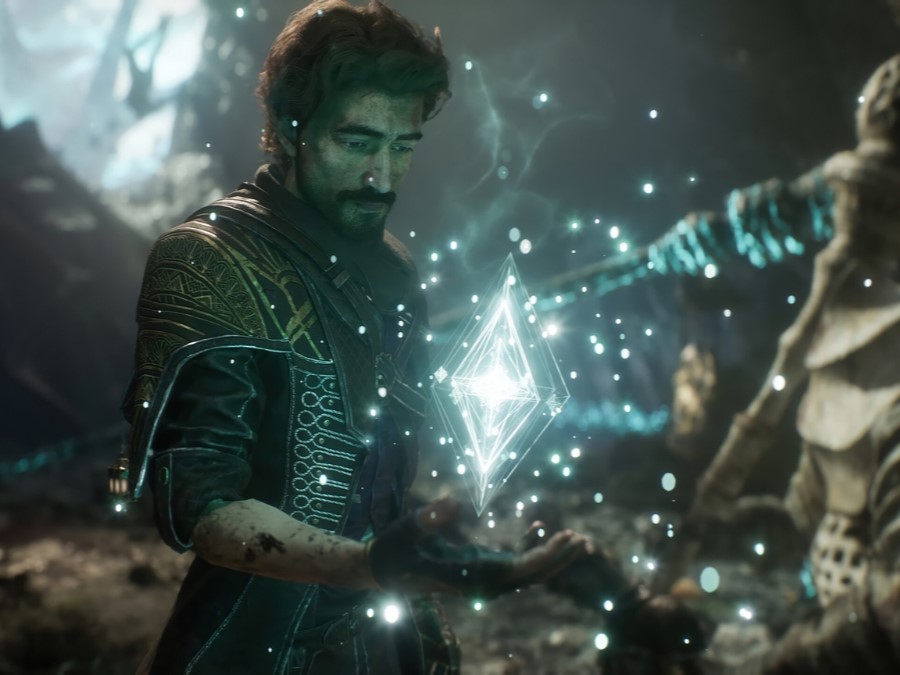
Clair Obscur: Expedition 33 was one of the biggest releases of 2025 and quickly stood out as a surprise success. The game picked up multiple awards across different events and was widely praised for its world design, strong storytelling, combat systems, and rich characters. For a debut project, it left a strong impression. Behind that success, however, was a development process that demanded far more effort than usual.
Sandfall Interactive’s lead designer, Michel Nohra, recently explained to Edge Magazine that most of the studio’s team was very young and relatively inexperienced. According to him, these developers did not come in with fixed ideas about how a studio should be run or how a game should be made. Instead, they brought fresh perspectives, which ended up being extremely valuable for the project.
"The younger staff didn't have any expectations about how a studio should be run and how a game should be made, and they brought fresh ideas that were very valuable for the rest of the project.”
Nohra also made it clear that this approach was not entirely by choice. At the start of development, Sandfall Interactive did not have the budget to hire many senior developers, so bringing in younger talent was partly a necessity. Still, he believes it was the right call, as bringing younger developers on board turned out to be a good decision.
The game’s producer, Francois Meurisse, added that having a younger team also meant no one came in with bad habits picked up from previous studios or older projects. Everyone was learning together, building systems side by side, and growing at the same pace.
However, Meurisse also pointed out the downside. Because the team was creating something new and developing many systems from scratch, they had to put in significantly more effort than a more experienced team would. Everything had to be researched, tested, and refined carefully, since the team was tackling challenges at a scale they hadn’t worked on before.
"We were trying to create something new, and even new skills, from scratch.” He continued, “I'd say we basically did twice the work, because we were doing things for the first time to that scale.”
Meurisse also said he spent a lot of time collaborating with other studios in France, especially in Montpellier, where many game developers are based. He added that exchanging ideas and learning from others helped the team understand best practices and execute them properly.
Source(s)
 Add as a preferred source on Google


