




China plans mass solid-state battery deployment to lead future EV technology
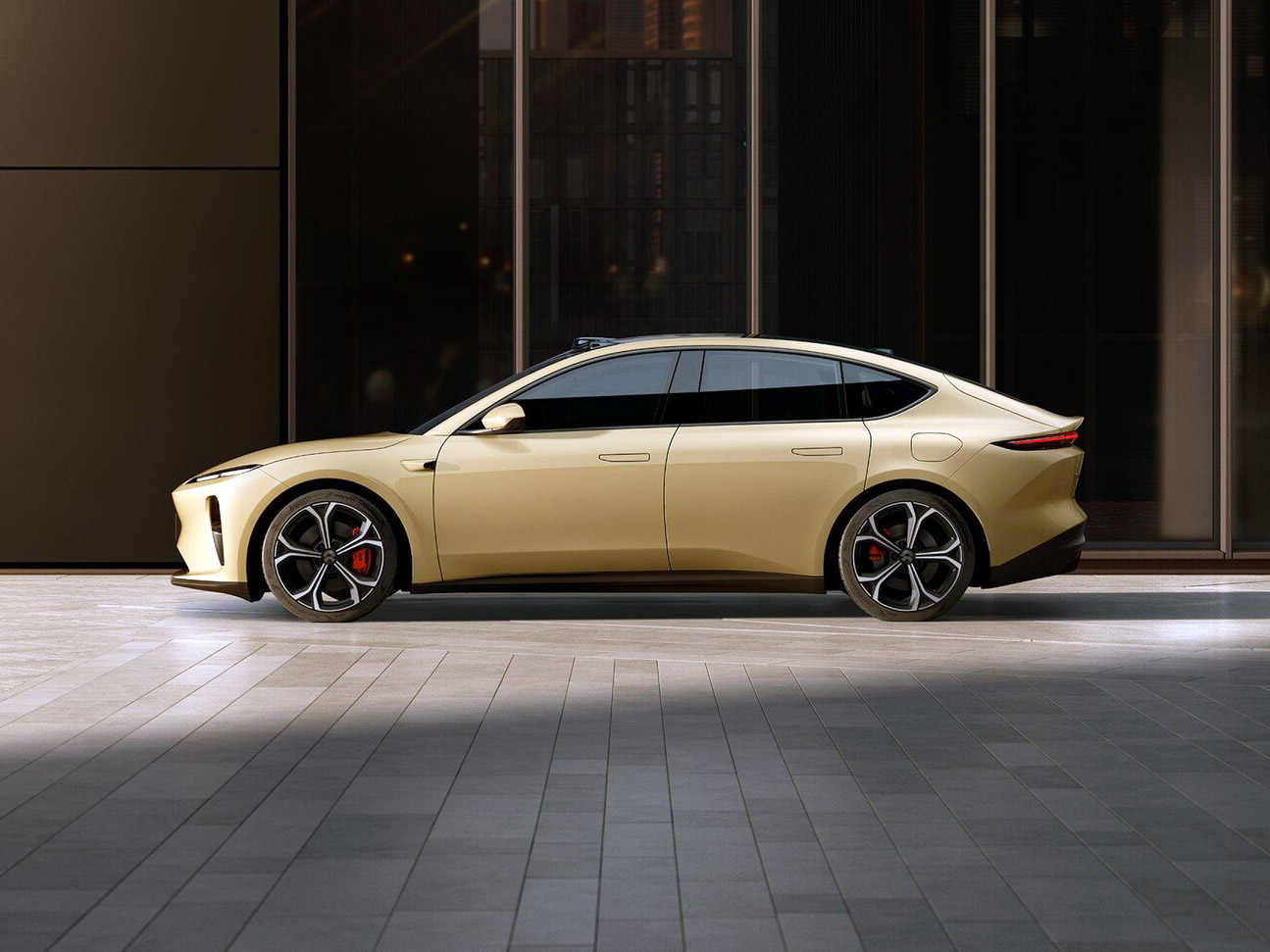
When NIO asked CATL to help it develop a battery with a 95% solid-state electrode, the world's largest battery maker scoffed at the offer, saying that it would be too costly and effort consuming, while solid-state batteries would stay a niche product until 2030.
NIO then went and developed it with a startup, but CATL's prediction turned out rather prophetic as China is now setting 2030 as the target for mass solid-state battery production in its latest 5-year plan. The Ministry of Industry and Information Technology (MIIT) has published its battery industry development plan for the fifteenth such period, which covers 2026 through 2030. The goal is to become the world leader in the initial mass deployment of solid-state batteries by the end of that window.
The document is dated September 14 and was issued jointly by seven government bodies. Besides MIIT, these include the National Development and Reform Commission and the Ministry of Transport. That is a fair amount of institutional weight behind a technology that so far has mostly lived in prototypes, trade show displays, roadmaps, or small-batch trial production lines that have resulted in commercializing the technology in gear like solid-state power banks for the iPhone 17 Pro available on Amazon.
The plan is fairly specific about what needs fixing first, as regulators want faster progress on ionic conductivity and cycling stability while setting advisable manufacturing goals on costs. Other priorities include better interfacial contact, longer cycle life, pressure system engineering, and mass production of performance solid electrolytes. Manufacturers are also encouraged to pair high voltage and capacity cathodes with lithium metal anodes or anode-free designs. Equipment gets a mention too, including isostatic presses built for the extreme pressure and heat needed for solid-state cell production.
Beijing also wants lithium batteries to hit a lifespan of 15,000 discharge cycles, and leading manufacturers are expected to bring defect rates down to the parts-per-billion level. Sodium batteries get their own push, while flow batteries are named as a complement to the current lithium battery paradigm.
There is a political aspect here, since the plan backs mergers and restructuring, which suggests officials would like to see fewer but stronger battery makers. It also calls for faster development of domestic lithium and cobalt resources. On the recycling front, companies must set up used battery collection in line with their sales volumes and are encouraged to build recycling capacity in major export markets. A digital identity system for EV batteries is proposed, along with work on battery passport schemes and mutual recognition of carbon footprint data that would make conquering the European market easier with localized production and recycling.
Earlier in September, China released a separate plan for the intelligent connected "new energy vehicle" industry that targets a 70% share of new passenger vehicle sales by 2030. Needless to say, setting a deadline for "initial large-scale use" is not the same as mass production at the volumes and prices consumers expect, but it maps out an EV battery decade that may look a whole lot different than the current one.
CATL has been warning about cost and other hurdles before the mass adoption of solid-state batteries but still plans a 2027 deployment, and so do most other EV and battery makers, from Toyota to Samsung. Those initial batches, however, will go to premium electric vehicles, as well as drones and robots, while China's push to become the leader in solid-state batteries and spearhead wider adoption by 2030 could be the institutional catalyst needed for mass solid-state battery adoption in cheaper electric cars, too.
 Add as a preferred source on Google


