




First premium electric SUV with mass solid-state battery and hypercar acceleration unveiled by vacuum maker Dreame
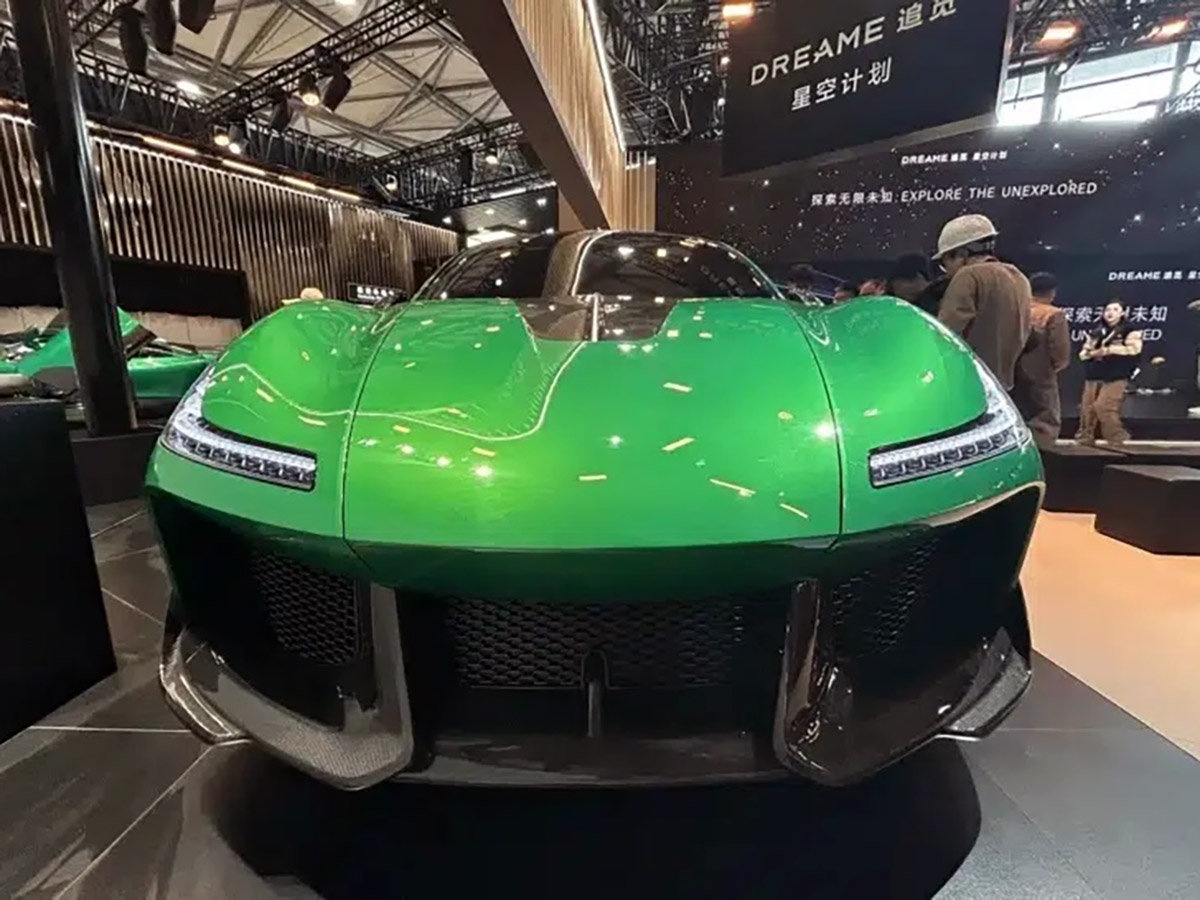
Dreame, the company best known for robotic vacuums and home gadgets but also for the world's fastest 200,000 rpm electric motors, is branching as far out as TVs and electric cars, perhaps aiming to become the next Xiaomi.
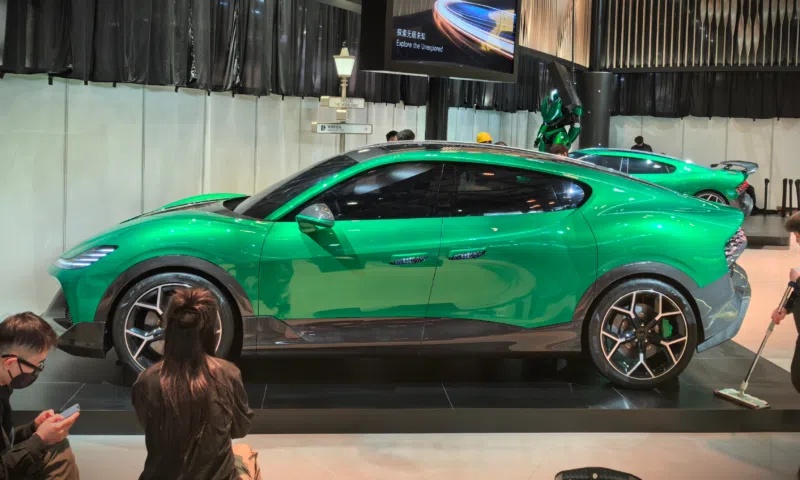
In a surprise move, it announced a Nebula Next 01X liftback that can accelerate in 1.8 seconds as the first premium electric SUV with a mass-produced solid-state battery.
Dreame's battery and motors are the story
Dreame calls its 60 Ah solid-state cells the Starry Sky Crystal Core Power Battery and says that this is the first solid-state pack of its kind that is ready for mass production. The cells use a dry electrode process, similar to what Tesla is rolling out for its 4680 battery, as well as a sulfide-based electrolyte.
This achieves a good tradeoff between affordability, safety, and energy density that may not beat the theoretical limit of solid-state batteries but still allows twice the range in the same footprint of the current mass EV batteries.
The Starry Core Power Battery features an energy density exceeding 450 Wh/kg, a pack integration efficiency of 85%, 10-minute fast charging from 30% to 80%, and heat resistance up to 300°C. Dreame has also outlined a goal of reaching a 2C charge/discharge rate and up to 800 Wh/kg cell energy density by the end of 2027.
The Nebula Next 01X, however, will be launched with the first-gen solid-state battery of Dreame and will be facing yet-unknown competitors from other automakers like Toyota that have pegged 2027 as the year when the first EVs with solid-state batteries will hit the retail market.
They have warned that these will be premium electric cars, as solid-state batteries are still twice as expensive to make, and the Nebula Next 01X fits every bit of that description. It will come with the Starry Sky Tianxun intelligent chassis built on a 14-degree-of-freedom non-linear control system that achieves 1 ms full-domain synchronization across the powertrain and chassis and incorporates an EMAD electromagnetic active suspension with a 10x faster response while reducing energy consumption by 50%.
In the Ultra Luxury trim, acceleration from 0 to 62 mph takes just 1.8 seconds in the high-discharge Super Track mode, while an intelligent braking system reduces response times to under 80 milliseconds with a stated precision of 0.1 MPa. The 2 nm process chipset doles out 2,000 TOPS of single-core computing power to enable the first SUV under Dreame's Starry Sky Plan to integrate L4 self-driving hardware across its EV lineup.
The leap from Dreame's fastest vacuum motor to a hypercar drivetrain is not as absurd as it sounds since precise control, thermal management, and AI-driven sensor information analysis are areas where consumer robotics companies have accumulated genuine expertise and legacy automakers are just now awakening to. That is Dreame's argument, and it remains to be seen if the success of its award-winning robotic vacuums like the X60 Max Ultra with 35,000 Pa suction will translate into the premium electric SUV realm with the new solid-state battery twist.
 Add as a preferred source on Google


