


China goes Detroit with full-size family SUV EVs that roads can't bear
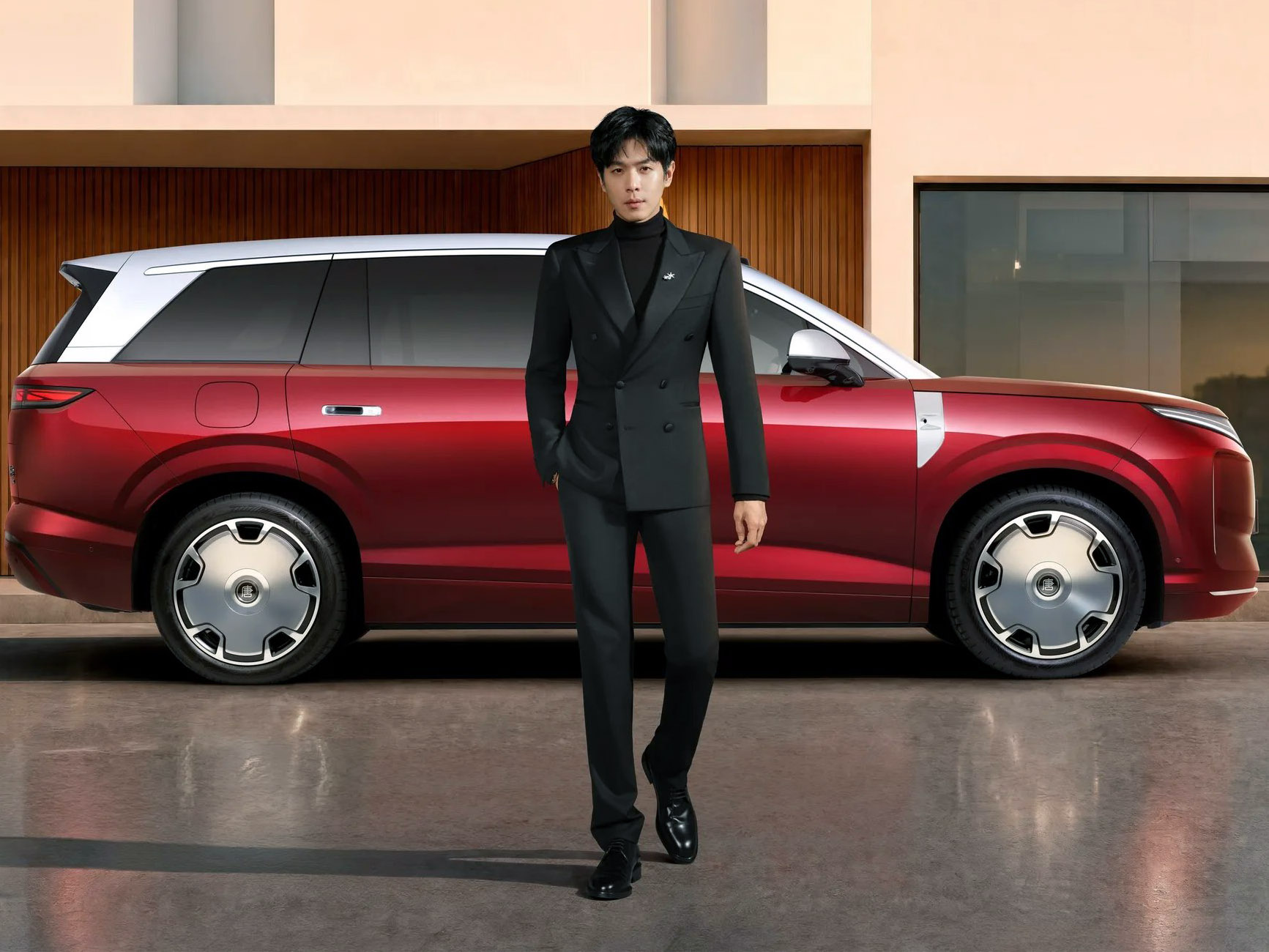
Chinese carmakers used to be known for compact, city-friendly EVs. That reputation is fading fast. According to the China Passenger Car Association (CPCA), SUVs measuring 5 to 5.5 meters (16.4 to 18 feet) made up 56% of all new SUV launches in the first ten months of 2026. In 2024, that figure sat at just 17%, as the market share of full-size damily SUVs more than tripled in size in the span of just two years.
The reasons that the Chinese automakers in the world's largest car market are doing it are the same that Detroit does it for: demand and profit. CPCA chief Cui Dongshu blames fierce price competition, with large SUVs and MPVs serving as a showcase for technology and a way to protect margins. The end of subsidies and rising costs have also hurt small car development.
It's not just SUVs, as the newly announced BYD Altior limo can attest. Among new energy vehicle launches, the share of models longer than 5 meters has climbed from 34% to 58% in two years, while the 4.5 to 5 meter class has shrunk from 55% to 40%. In other words, the typical new Chinese EV is now the kind of vehicle one would expect to see in a Texas parking lot.
Bigger bodies mean bigger batteries, and that’s where the trouble starts. Nio CEO William Li recently pointed out that some models carry packs of up to 120 kWh weighing 700 to 800 kg (1,543 to 1,764 lbs). By his math, a car that is 1.2 times heavier does roughly 2.07 times the damage to the road. That comes from the "fourth-power law" of pavement engineering, in which damage scales with axle load raised to the fourth power.
Nio is practicing what Li preaches, as its packs typically weigh 400 to 500 kg (882 to 1,102 lbs), which means accepting smaller capacity and making up for the lost range with more efficient drivetrains. He admits he doesn’t know whether the market will reward that. Each extra kilogram (2.2 lbs) also needs his personal sign-off in terms of added value.
Local regulators are starting to react, too. A new mandatory energy-consumption standard that took effect in January ties limits to curb weight, and authorities are reportedly studying a weight-based tax. Cui has also suggested standards for economy cars and support for micro EVs. In the meantime, China's EV industry is making the same bet Detroit once did with upsizing.
The US is also noticing the impact of the heavier electric vehicles on road surfaces. According to some studies, electric cars are damaging road infrastructure much more than ICE vehicles, as they are heavier. The Highway Trust Fund that is responsible for their maintenance, however, faces a funding shortfall just as EV adoption increases. That is why states are increasingly mulling or implementing an EV road tax that is often higher than the one for gas vehicles.
Get the Tesla Universal Wall Connector with 24' Cable on Amazon
 Add as a preferred source on Google


