




CATL aviation battery thermal runaway test paves the way for electric planes
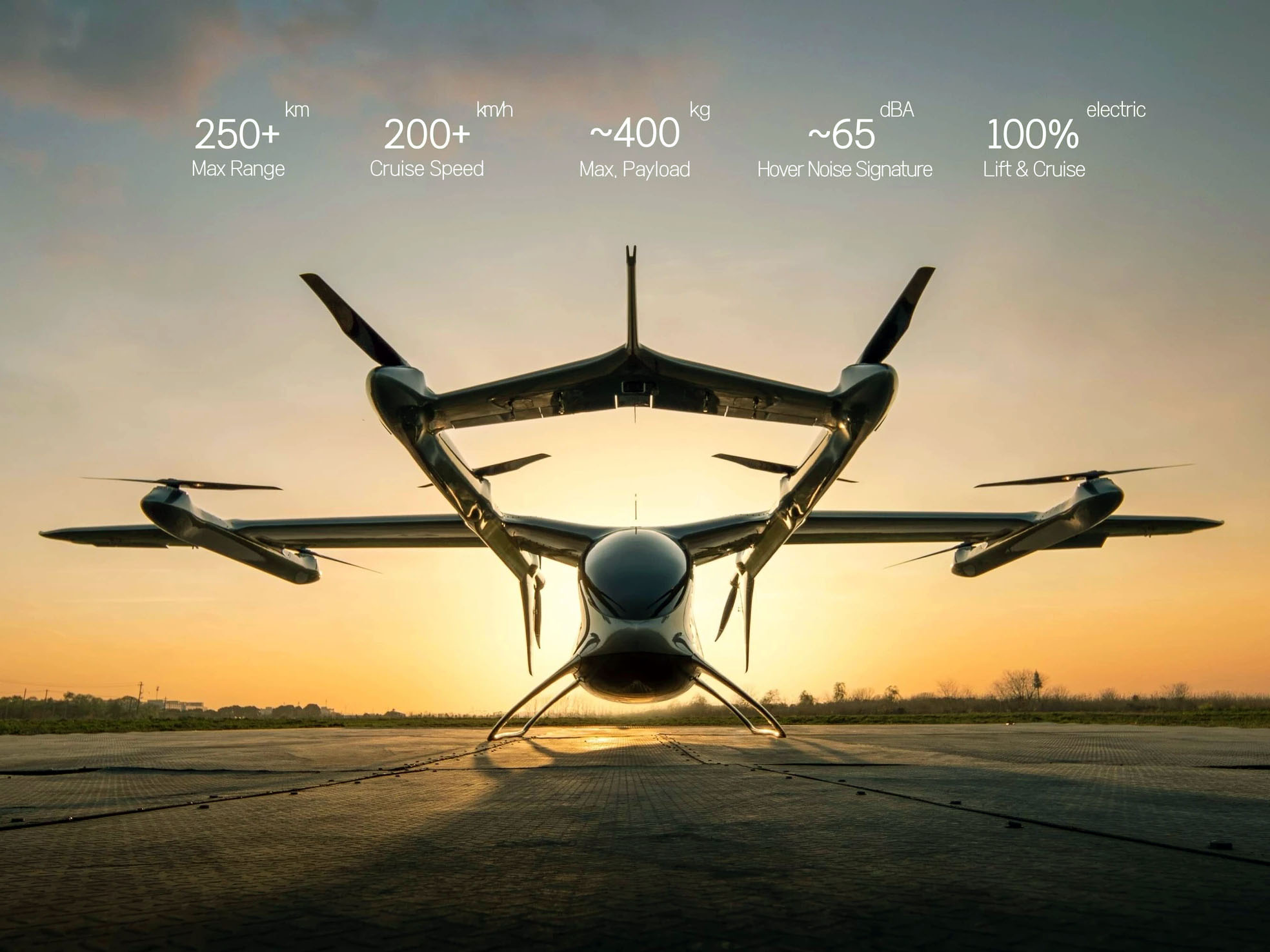
The world's biggest battery maker has cleared a milestone for its aviation battery pack that passed a challenging thermal runaway test. It is the first time a prismatic cell aviation system rated at an energy density of 350 Wh/kg has survived two adjacent cells being triggered simultaneously.
That's a tougher bar than the industry's standard safety test trigger of an isolated cell, and CATL says the whole process, from cell production to the propagation itself, was witnessed by China's Civil Aviation Administration, laying the groundwork for actual government certification for airworthiness of the high-density plane battery.
The energy density figure of 350 Wh/kg is well above what one can find in a typical EV pack today, as mass electric cars use LFP batteries with twice as low numbers. In aviation, where every extra pound directly eats into payload or range, however, that kind of density is the difference between an eVTOL that can carry passengers profitably and one that can't.
Electric vehicle batteries with high energy density are usually ternary ones with chemistry that is more volatile, so pairing that density with proven resistance to cascading thermal runaway was actually the harder engineering problem that CATL has seemingly solved.
CATL is targeting Autoflight's passenger eVTOLs as the inaugural vehicles where the battery will be installed first. Autoflight has received CATL's backing since 2024, and the two have already collaborated on things like a floating vertiport. CATL is treating electric aviation as a genuine second act for its battery business, following its established EV dominance and its expanding footprint in electric vessels.
Whether this scales into an electrified air taxi industry still hinges on regulators and infrastructure, as well as public trust. Safety certification, however, has long been the bottleneck for electric aviation, more so than raw performance that CATL has mastered up to energy densities of 500 Wh/kg. Passing the toughest safety test is the first step toward eVTOLs taking off as a certifiable aircraft category that can carry both cargo and passengers with electric propulsion only.
Source(s)
 Add as a preferred source on Google


