





Verdict on the OnePlus Nord 6
With the Nord 6, or Turbo 6 as it is called in China, OnePlus proves once again that it can build very high-quality smartphones. The mid-range priced phone offers some top-class features such as lightning-fast memory and a huge battery. A bright AMOLED with a frame rate of up to 165 Hz is also on board, even if the high framerate is only used very rarely.
Despite the memory crisis, there are models of the smartphone with up to 16 GB of RAM. At 80 watts, the maximum charging speed is very high, but there is no wireless charging.
European customers are already used to the fact that no charger is included, but the battery is also significantly weaker than the Chinese model. The runtimes are nevertheless impressive.
There are some compromises to be made in some areas: For example, there is only a USB 2.0 port without image output and the camera system is not quite as flexible, but it takes good pictures.
Overall, the OnePlus Nord 6 is a high-quality smartphone that impresses with its large battery and very fast memory.
Pros
Cons
Price and availability
The OnePlus Nord 6 is already available in Europe from some online retailers at the time of testing.

- $699.99OnePlus Nord CE6 Dual-SIM 256GB ROM + 8GB RAM (GSM Only | No CDMA) Factory Unlocked 5G Smartphone (Pitch Black) - International Version
- $949.99OnePlus 15, 12GB RAM + 256GB Storage, Dual-SIM, Unlocked Android Smartphone, Snapdragon 8 Elite Gen 5, 7300mAh Battery, Infinite Black
- $859.00OnePlus 15R, 12GB RAM + 512GB Storage, Dual-SIM, Unlocked Android Smartphone, Snapdragon 8 Gen 5, 7400mAh Battery, Charcoal Black
Table of Contents
- Verdict on the OnePlus Nord 6
- Specifications
- Case and equipment - plastic in good
- Communication and operation - Quick unlocking
- Software and sustainability - In good hands until 2032
- Cameras - Sharp photos everywhere
- Display - Color-fast OLED
- Performance, emissions and battery life - Maximum power
- Notebookcheck overall rating
- Possible alternatives in comparison
Specifications
Case and equipment - plastic in good
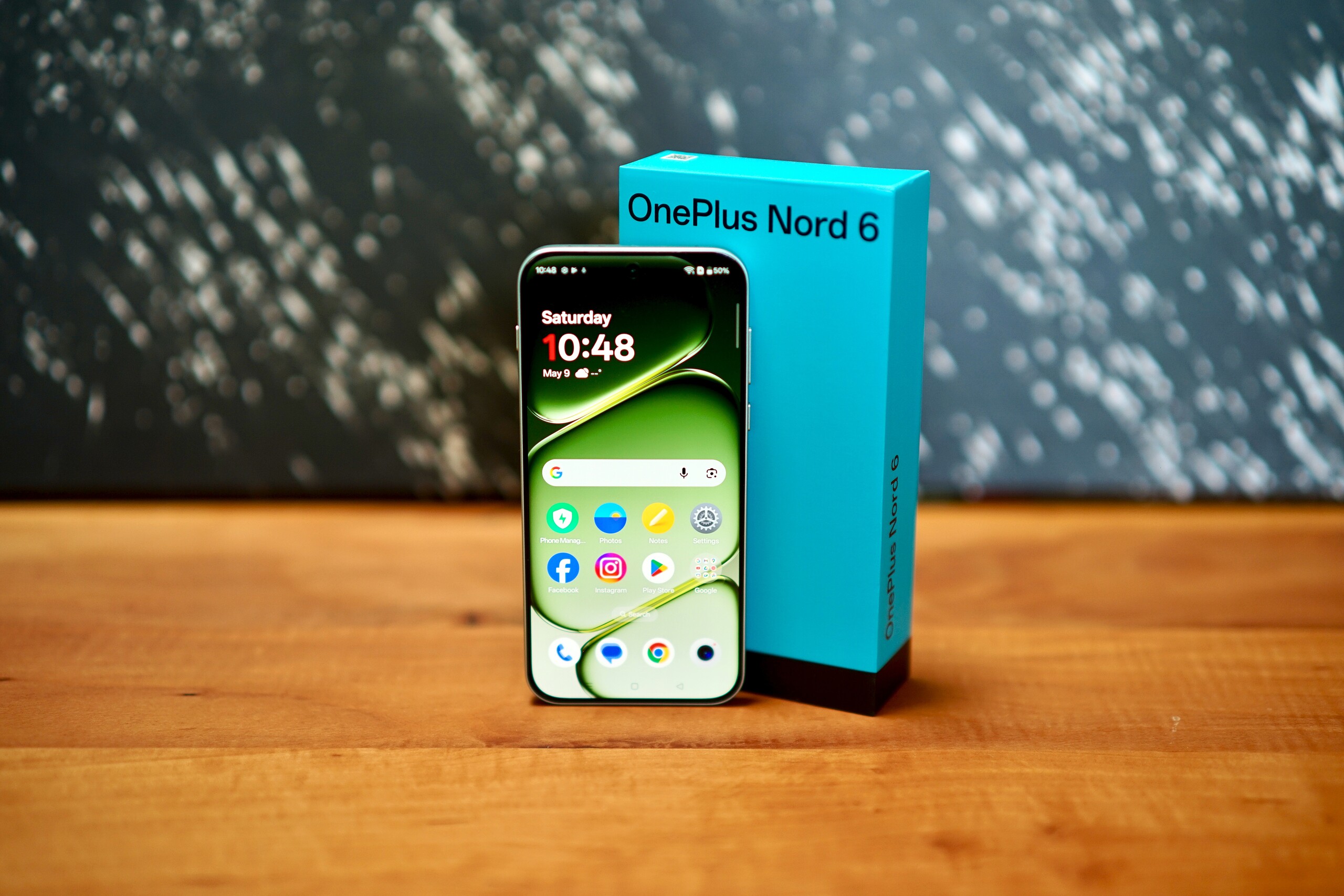
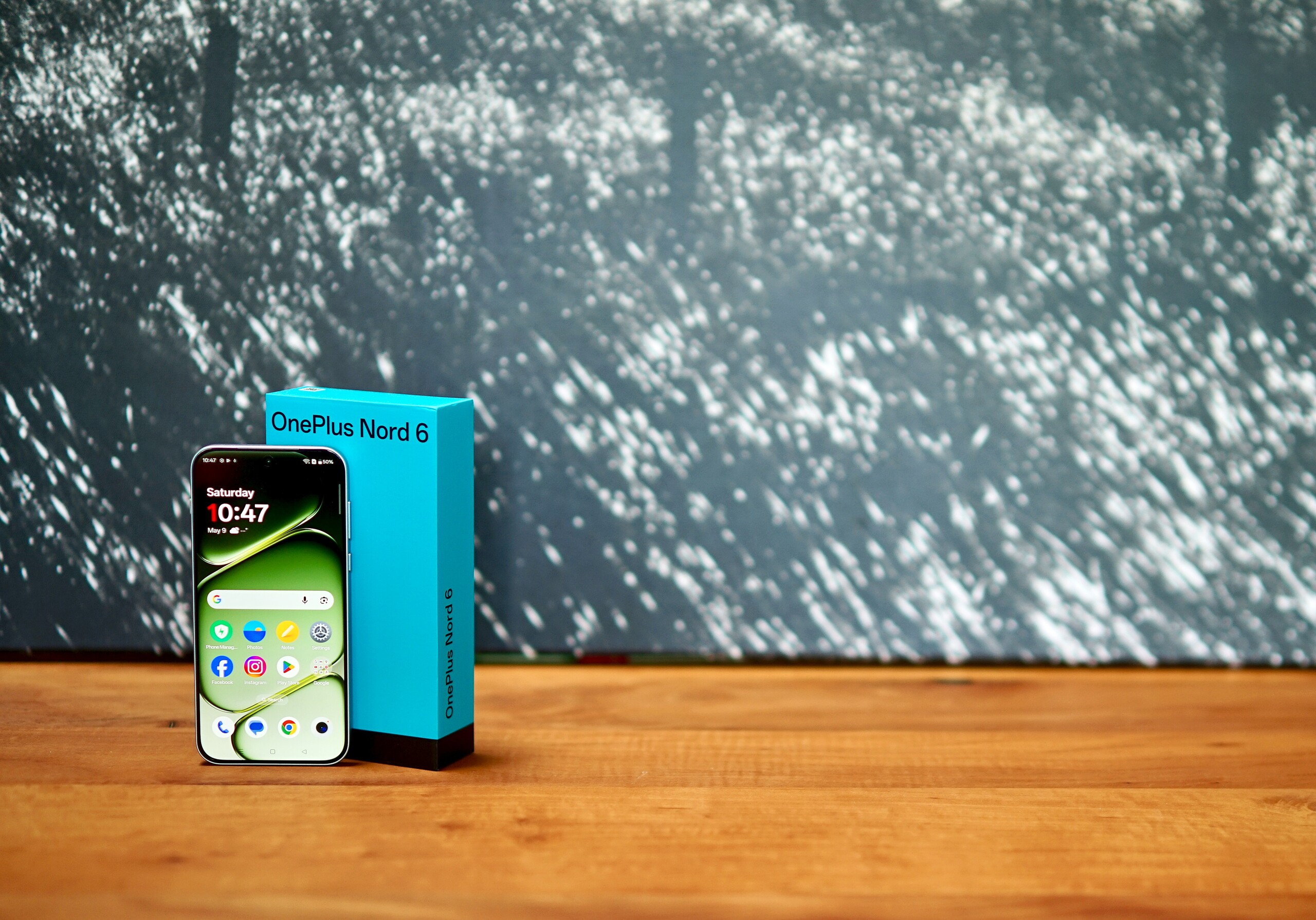
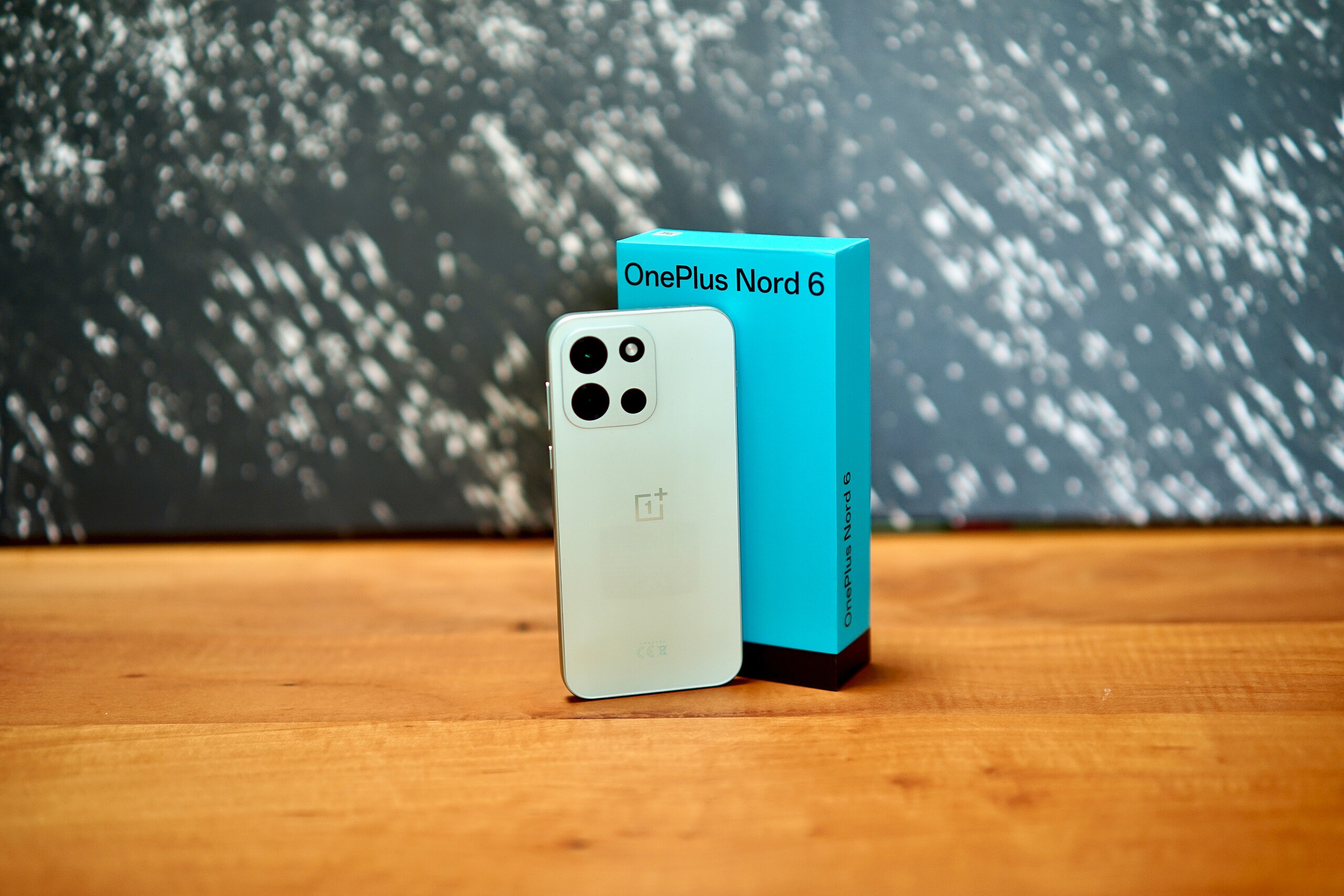
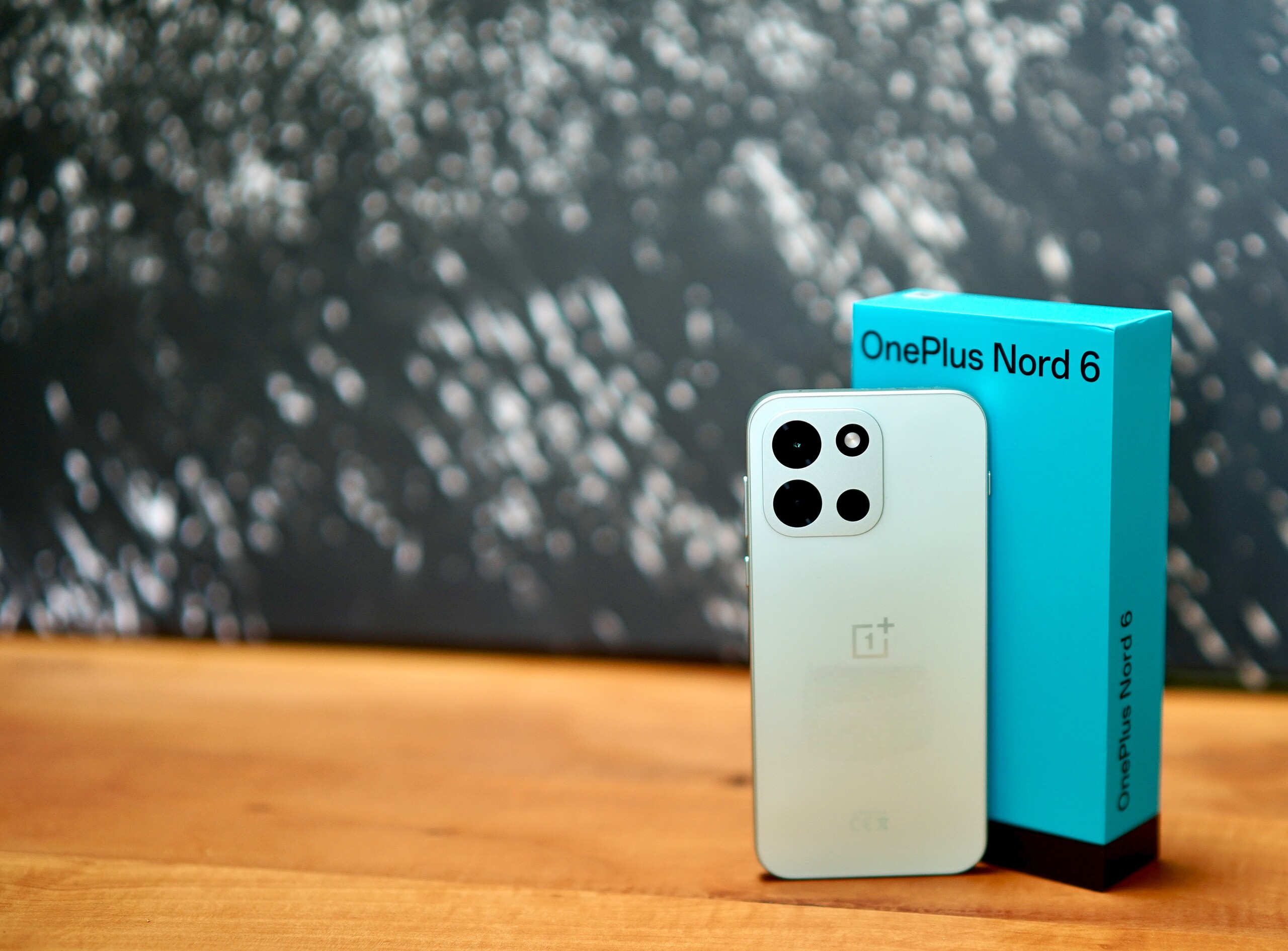
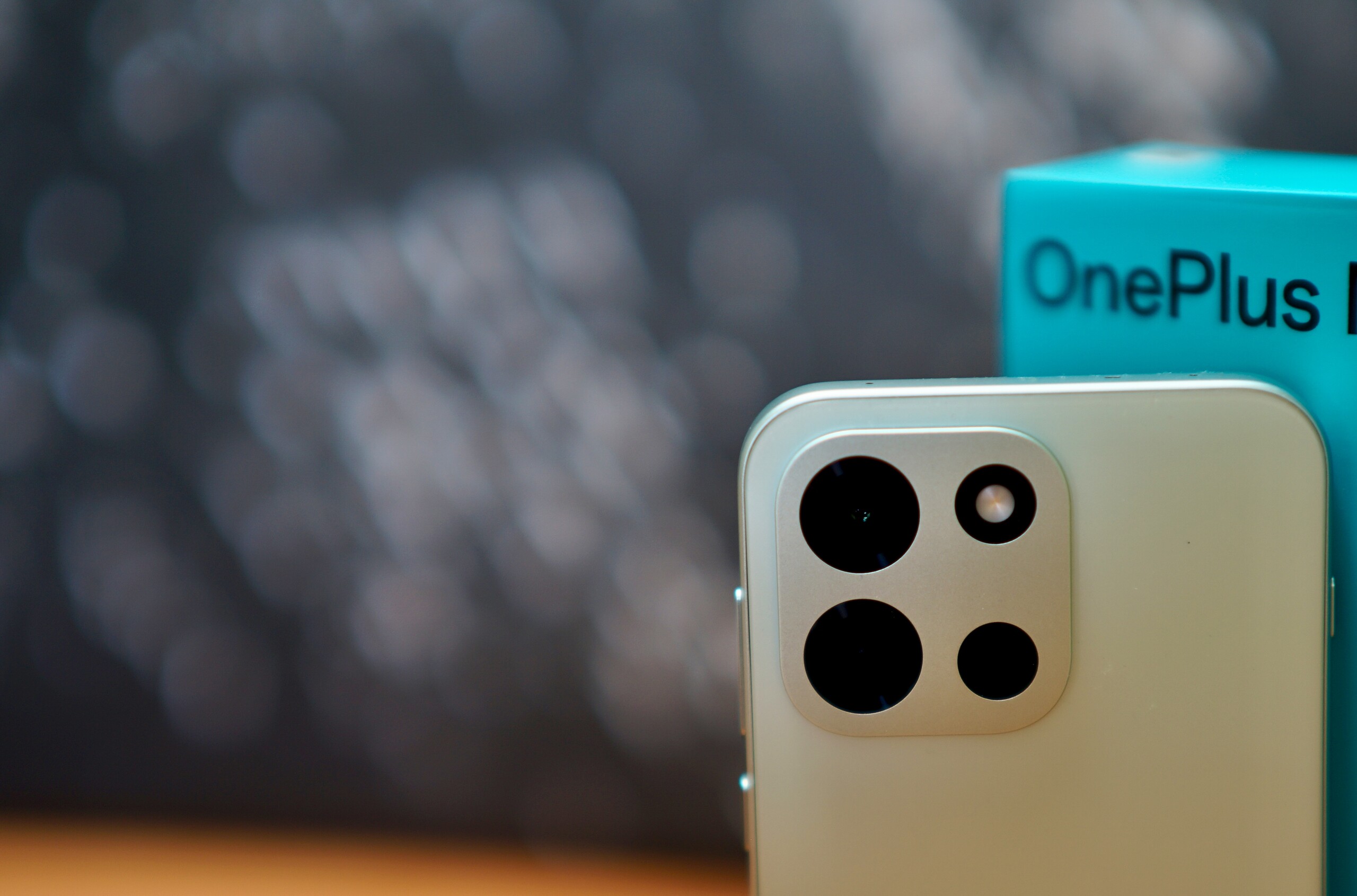
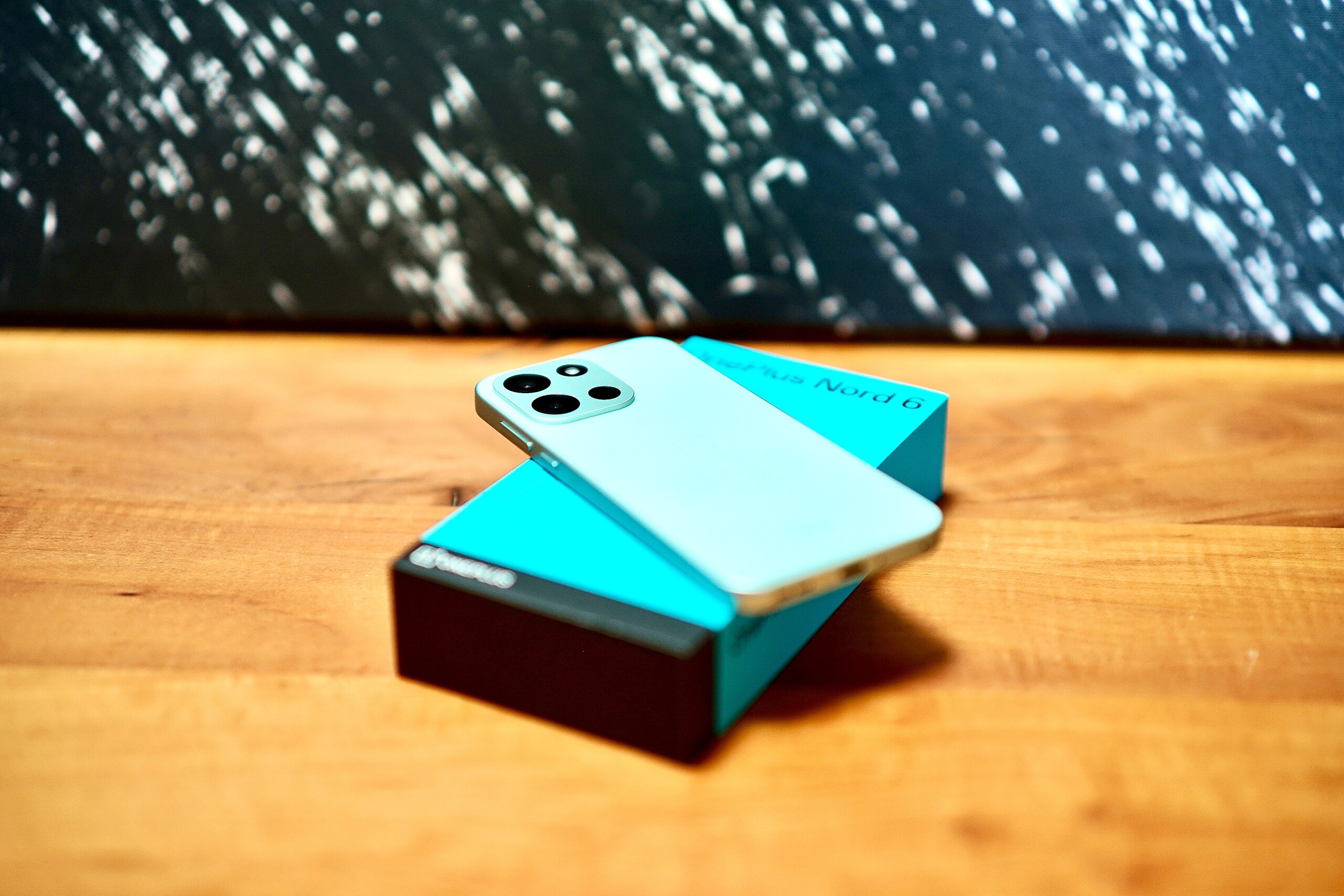
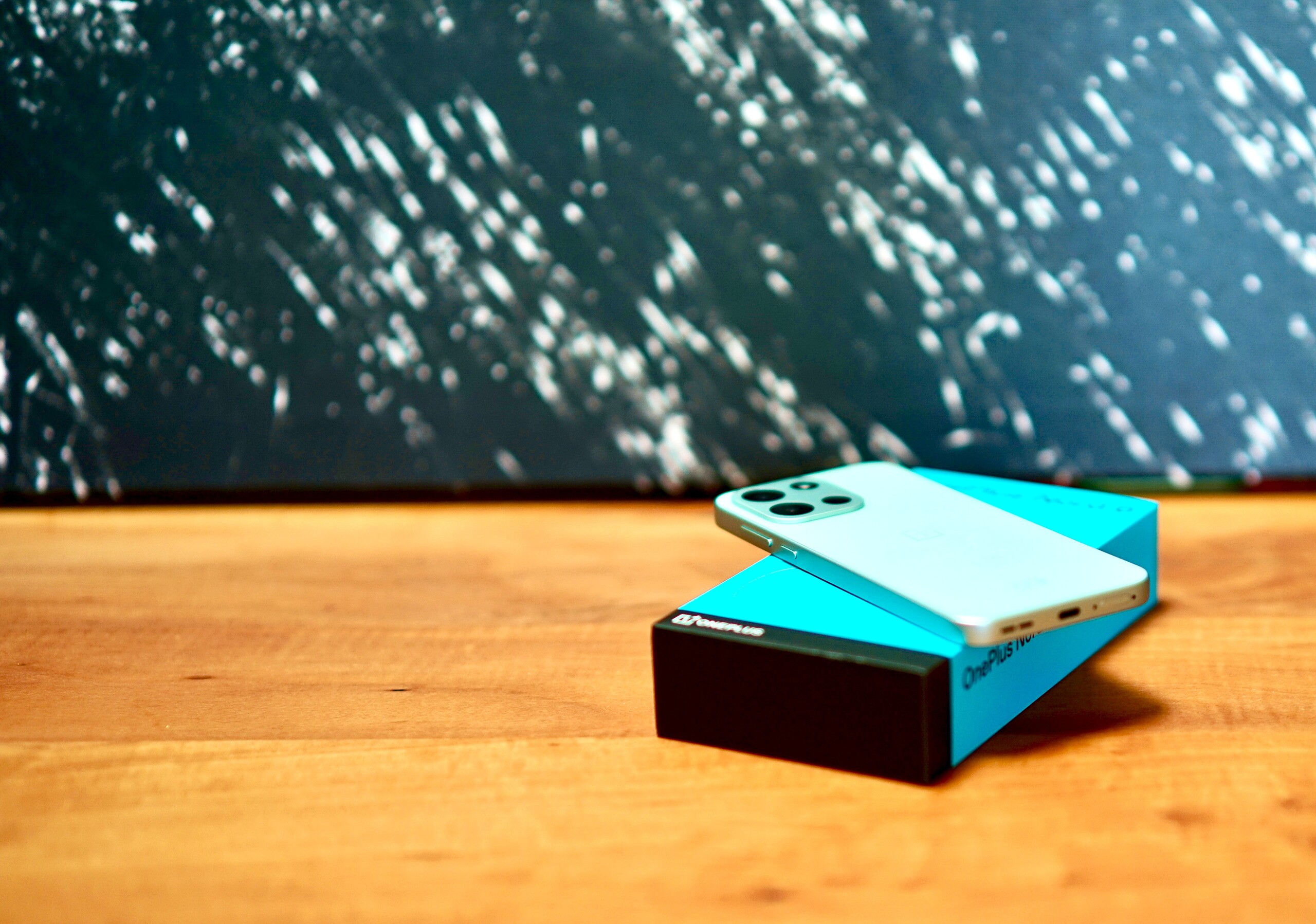
The OnePlus Nord 6 does not look like a mid-range device, even if the casing and frame are only made of plastic: The back has a glass look with a matt surface, the OnePlus logo is milled in and has a glossy background. Although the device is not completely creak-free to the touch, its overall finish is very sturdy.
The housing is waterproof and dustproof and can even be used while swiming or diving in shallow water thanks to IP68/IP69K.
Models with 8 or 12 GB RAM, plus 256 GB or 512 GB mass storage are available in Europe. In China, the Turbo 6 is also available with 16 GB RAM.
Unfortunately, the manufacturer only installs a USB 2.0 port, meaning that wired image output is not possible. However, there is an infrared transmitter that can be used to remotely control televisions, for example.
Communication and operation - Quick unlocking
WiFi 7 is on board so that the lesser-used 6 GHz band can also be used for networks. The Nord 6 achieves very fast data rates here and can therefore also make full use of gigabit Internet lines. However, there are fluctuations in speed during our test.
The screen can display up to 165 images per second, but this is hardly ever used in everyday life. Nevertheless, it reacts very reliably and quickly to inputs. A fingerprint sensor is hidden behind the screen and unlocks the phone with almost no waiting time. Face recognition via the front camera is also possible, but only in 2D mode.
| Networking | |
| OnePlus Nord 6 | |
| iperf3 transmit AXE11000 6GHz | |
| iperf3 receive AXE11000 6GHz | |
| OnePlus Nord 5 | |
| iperf3 transmit AXE11000 6GHz | |
| iperf3 receive AXE11000 6GHz | |
| Nothing Phone (4a) | |
| iperf3 transmit AXE11000 | |
| iperf3 receive AXE11000 | |
| Motorola Edge 70 Fusion | |
| iperf3 transmit AXE11000 | |
| iperf3 receive AXE11000 | |
| Xiaomi Redmi Note 15 Pro+ 5G | |
| iperf3 transmit AXE11000 | |
| iperf3 receive AXE11000 | |
| iperf3 transmit AXE11000 6GHz | |
| iperf3 receive AXE11000 6GHz | |
| Average 802.11 a/b/g/n/ac/ax/be | |
| iperf3 transmit AXE11000 | |
| iperf3 receive AXE11000 | |
| iperf3 transmit AXE11000 6GHz | |
| iperf3 receive AXE11000 6GHz | |
| Average of class Smartphone | |
| iperf3 transmit AXE11000 | |
| iperf3 receive AXE11000 | |
| iperf3 transmit AXE11000 6GHz | |
| iperf3 receive AXE11000 6GHz | |
Software and sustainability - In good hands until 2032
Android 16 is pre-installed on the OnePlus Nord 6, the security patches date from March 2026. According to the manufacturer, there will be four new Android versions and six years of security updates, i.e. until 2032.
There is little information on sustainability, but at least the packaging is plastic-free.
Cameras - Sharp photos everywhere

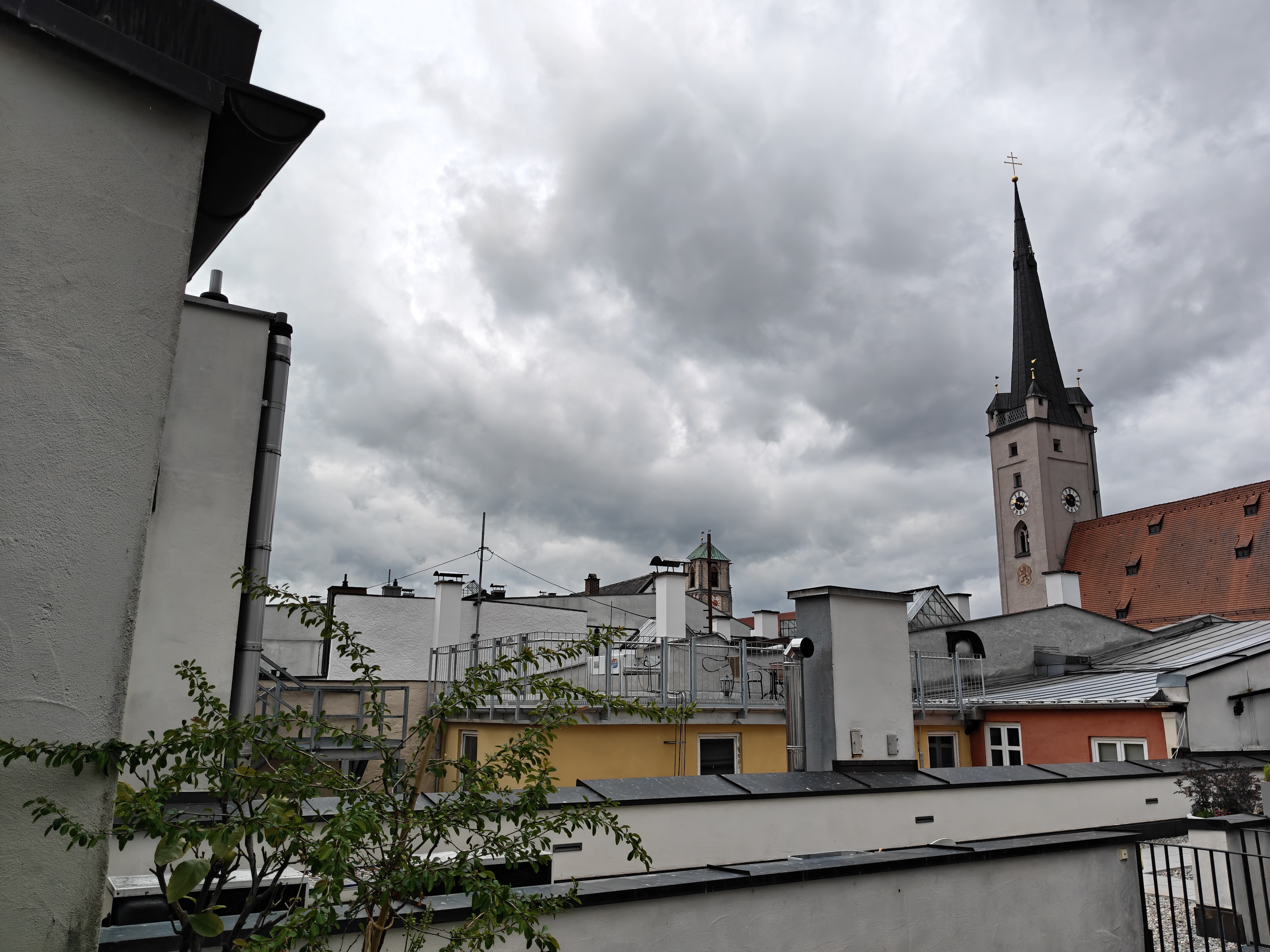
The camera system of the OnePlus Nord 6 consists of a main camera and an ultra-wide-angle camera on the back, as well as a selfie camera on the front.
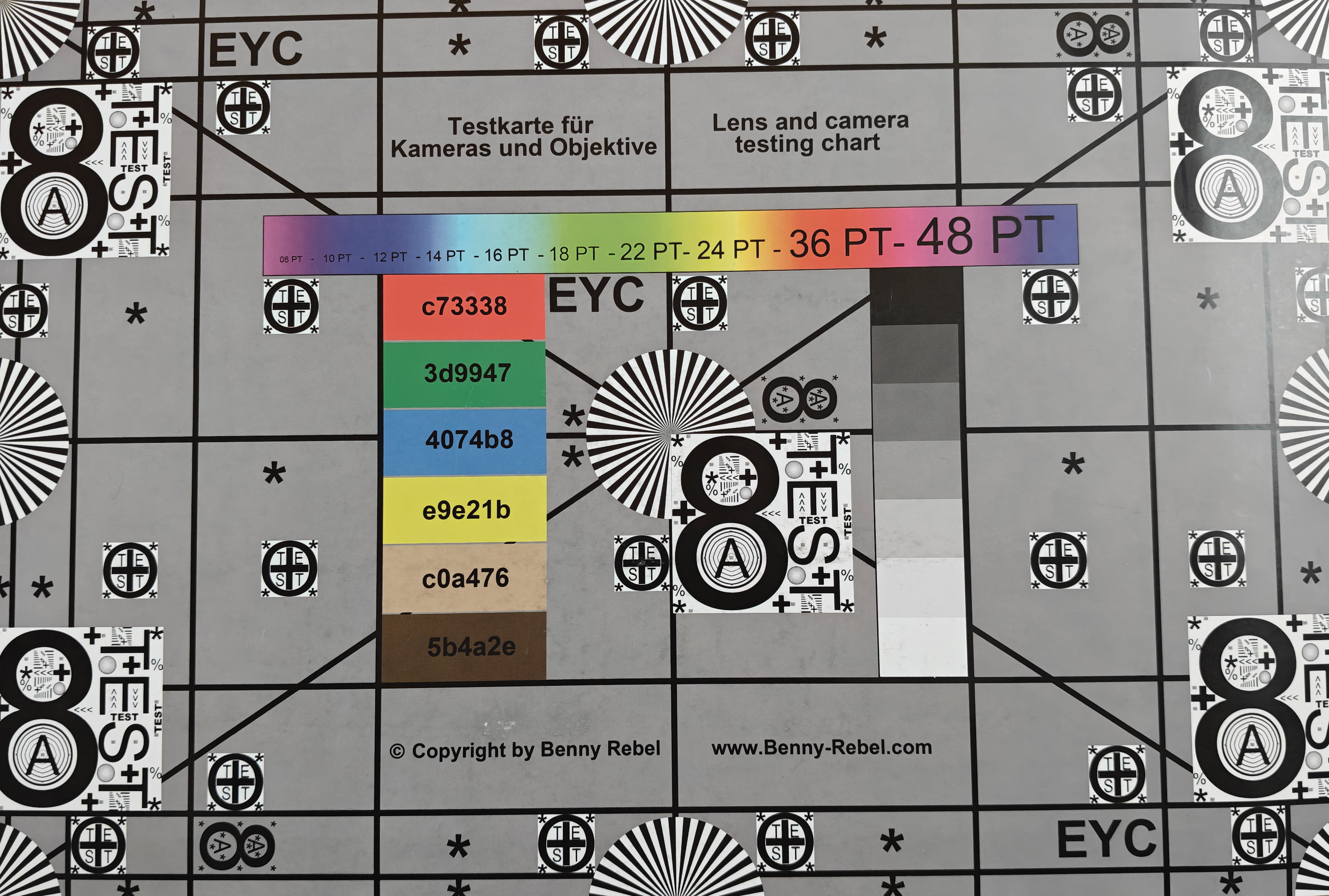
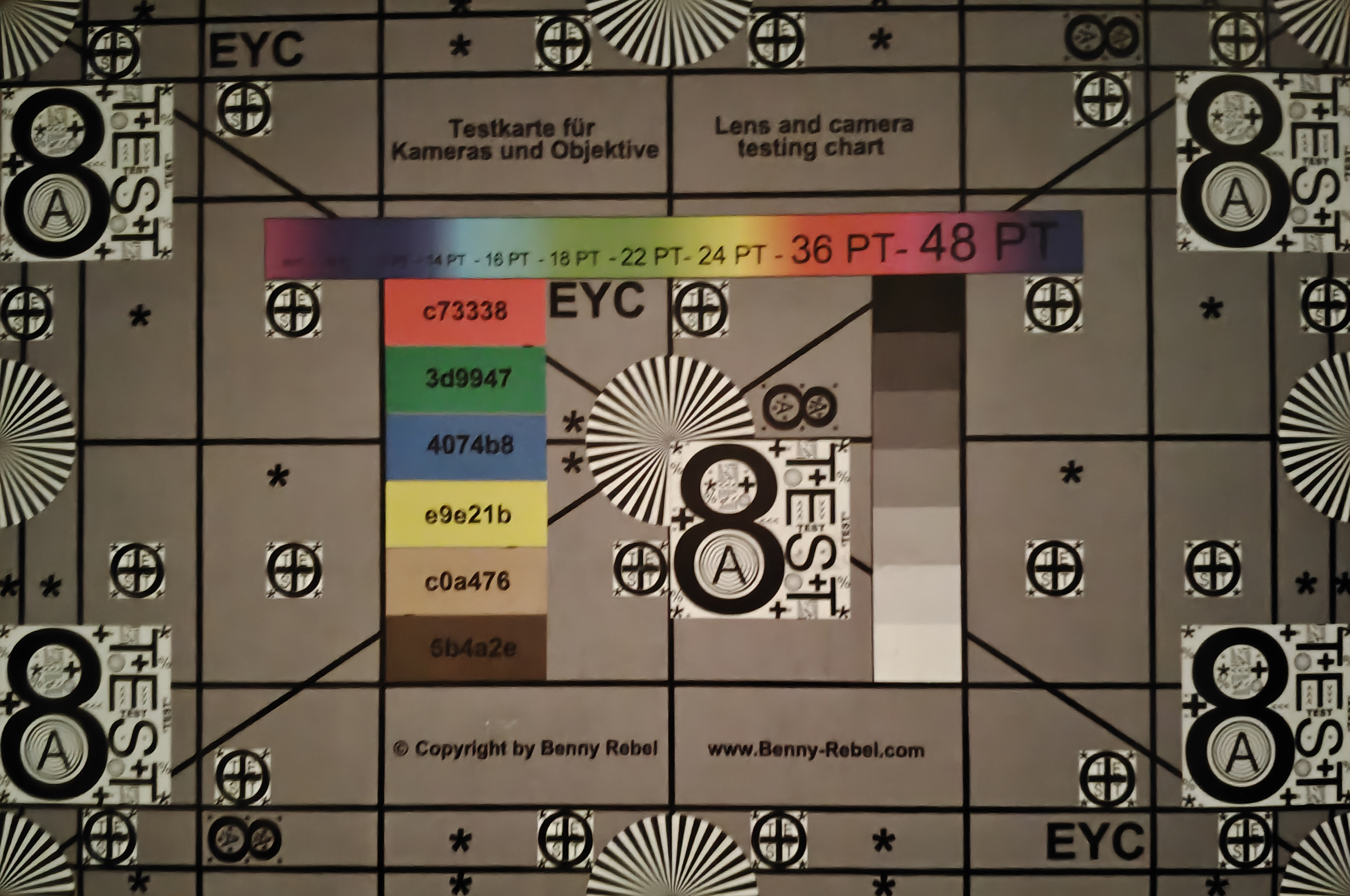
First of all, the main camera: It takes very good photos, which can also be enlarged. We are particularly impressed by the sharpness of the image. Even in low light, the sharpness is high and the exposure is well chosen by the system.
Videos can be recorded at 4K and up to 60 fps. The image quality is also high quality here.
The wide-angle photos also look detailed, but there are weaknesses in the magnification. Nevertheless, it is sufficient for snapshots.
The selfie camera has a resolution of 32 megapixels and shows good illumination in our test photos. However, the dynamic range can be lost in bright areas. In general, we like the resulting pictures.
Image comparison
Choose a scene and navigate within the first image. One click changes the position on touchscreens. One click on the zoomed-in image opens the original in a new window. The first image shows the scaled photograph of the test device.
Hauptkamera PflanzeHauptkamera UmgebungHauptkamera Low LightWeitwinkelkamera


















Display - Color-fast OLED
OnePlus relies on an AMOLED screen, although it is not quite as bright as the competition. So if you watch a lot of HDR movies and value high brightness, you might be disappointed.
The screen's brightness is sufficient for everyday use and even outdoors.
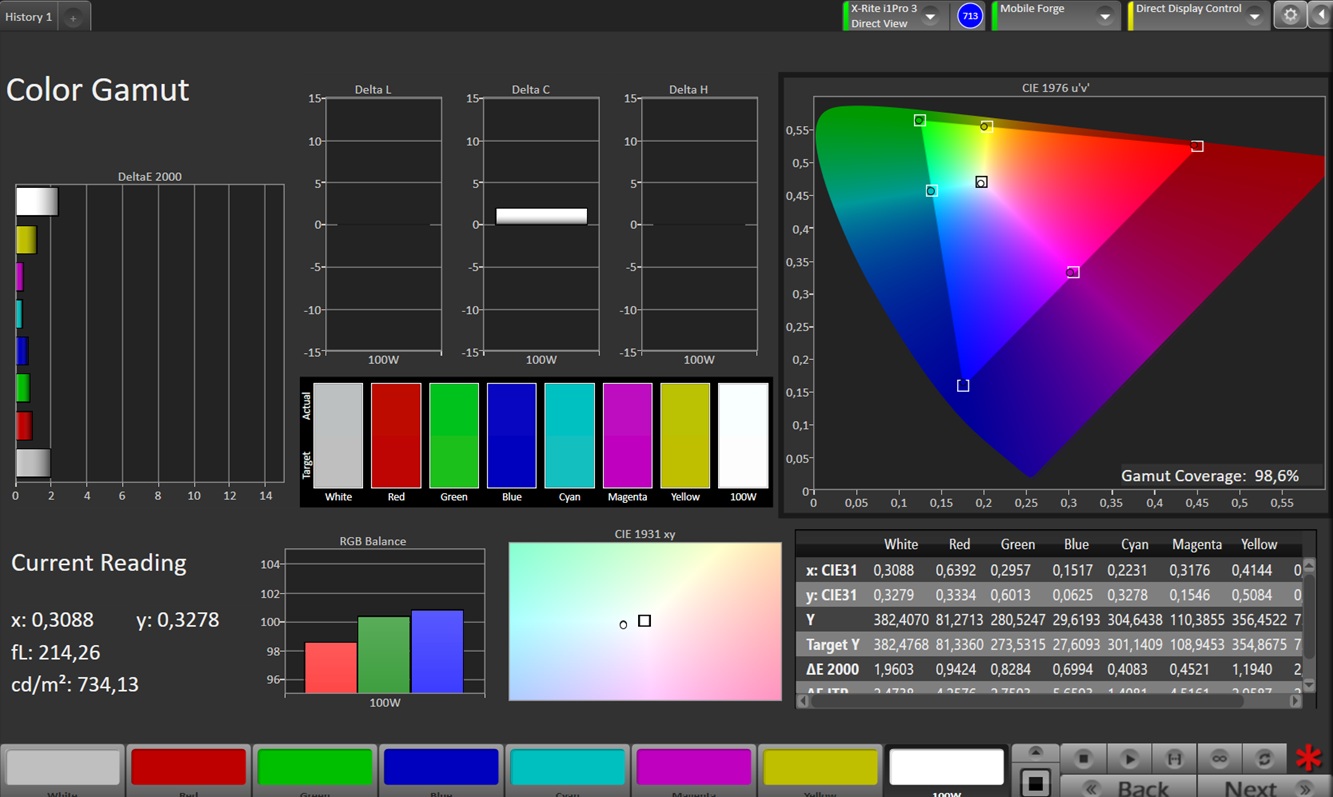
The color reproduction is also very accurate if you select the "Natural" setting.
PWM flickering is present, so sensitive people should test the screen in advance.
| |||||||||||||||||||||||||
Brightness Distribution: 95 %
Center on Battery: 1159 cd/m²
Contrast: ∞:1 (Black: 0 cd/m²)
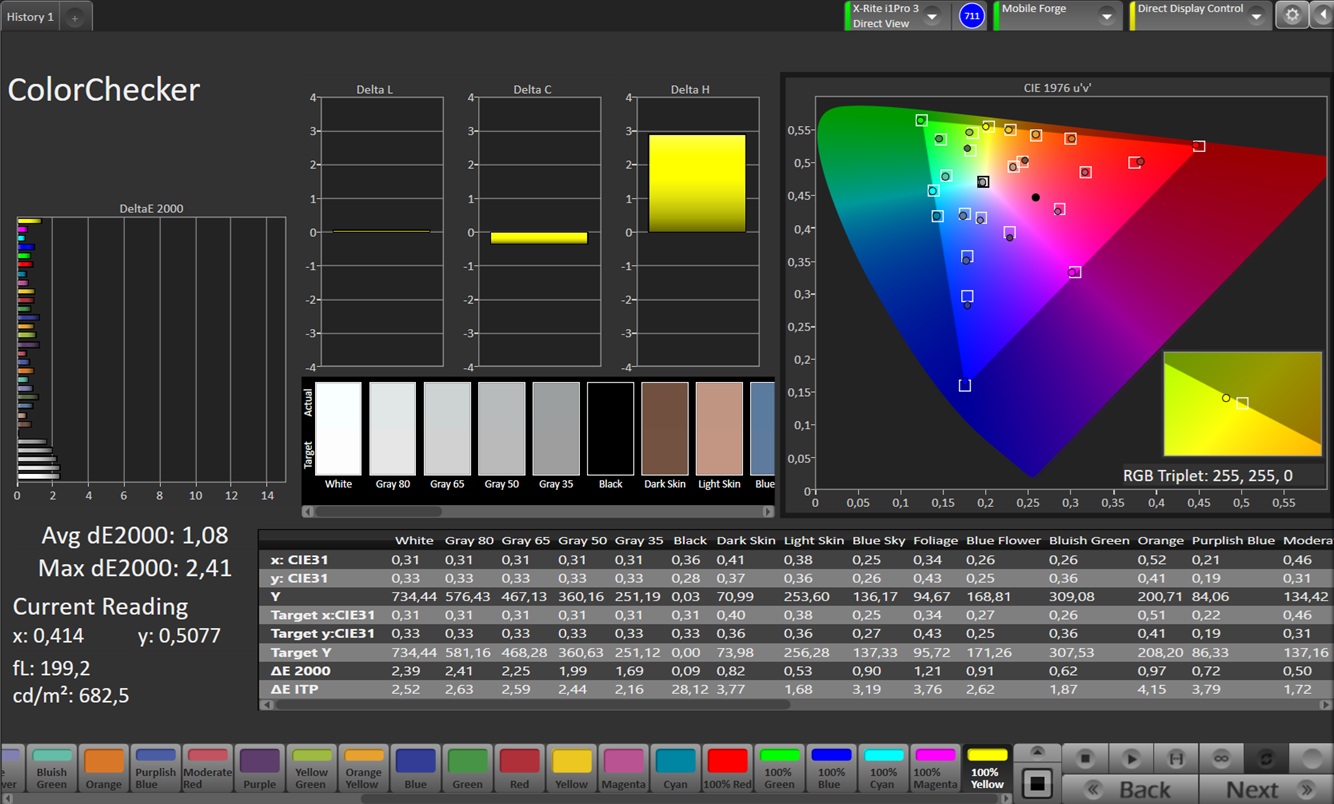
ΔE ColorChecker Calman: 1.08 | ∀{0.5-29.43 Ø4.69}
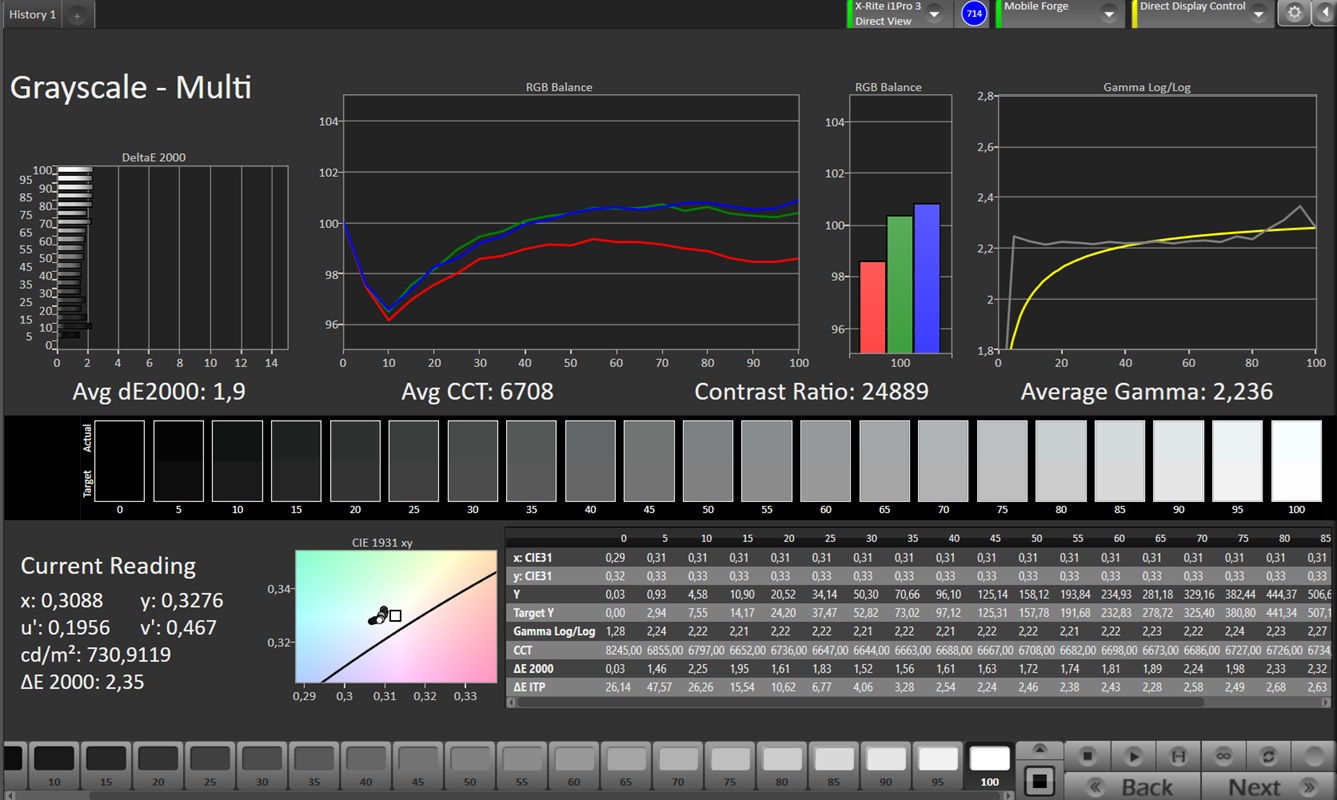
ΔE Greyscale Calman: 1.9 | ∀{0.09-98 Ø4.94}
98.6% sRGB (Calman 2D)
Gamma: 2.236
CCT: 6708 K
| OnePlus Nord 6 AMOLED, 2772x1272, 6.8" | OnePlus Nord 5 AMOLED, 2800x1272, 6.8" | Nothing Phone (4a) AMOLED, 2720x1224, 6.8" | Motorola Edge 70 Fusion AMOLED, 2772x1272, 6.8" | Xiaomi Redmi Note 15 Pro+ 5G AMOLED, 2772x1280, 6.8" | |
|---|---|---|---|---|---|
| Screen | -60% | -35% | -10% | 2% | |
| Brightness middle (cd/m²) | 1159 | 1162 0% | 1536 33% | 1501 30% | 1699 47% |
| Brightness (cd/m²) | 1131 | 1130 0% | 1538 36% | 1476 31% | 1709 51% |
| Brightness Distribution (%) | 95 | 95 0% | 97 2% | 96 1% | 99 4% |
| Black Level * (cd/m²) | |||||
| Colorchecker dE 2000 * | 1.08 | 3.24 -200% | 2.6 -141% | 1.52 -41% | 1.7 -57% |
| Colorchecker dE 2000 max. * | 2.41 | 6.54 -171% | 5.7 -137% | 3.47 -44% | 3.4 -41% |
| Greyscale dE 2000 * | 1.9 | 1.7 11% | 2 -5% | 2.6 -37% | 1.8 5% |
| Gamma | 2.236 98% | 2.212 99% | 2.24 98% | 2.184 101% | 2.24 98% |
| CCT | 6708 97% | 6788 96% | 6878 95% | 6444 101% | 6660 98% |
* ... smaller is better
| Display / APL18 Peak Brightness | |
| Motorola Edge 70 Fusion | |
| Xiaomi Redmi Note 15 Pro+ 5G | |
| OnePlus Nord 6 | |
| Nothing Phone (4a) | |
| OnePlus Nord 5 | |
| Display / HDR Peak Brightness | |
| Motorola Edge 70 Fusion | |
| Xiaomi Redmi Note 15 Pro+ 5G | |
| OnePlus Nord 6 | |
| Nothing Phone (4a) | |
Screen Flickering / PWM (Pulse-Width Modulation)
| Screen flickering / PWM detected | 90.6 Hz Amplitude: 17 % | 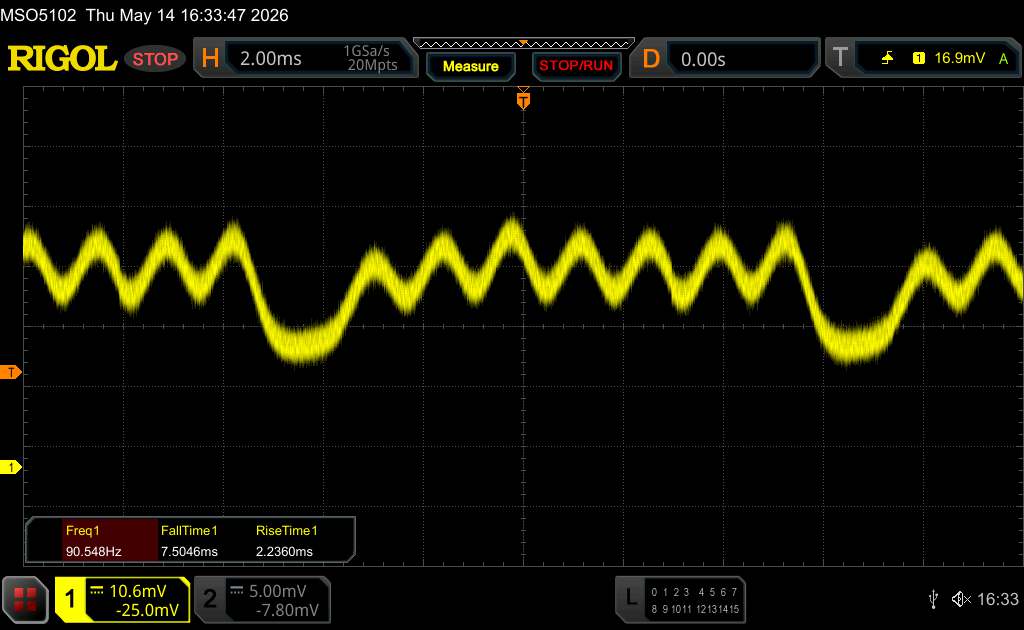 | |
The display backlight flickers at 90.6 Hz (worst case, e.g., utilizing PWM) . The frequency of 90.6 Hz is very low, so the flickering may cause eyestrain and headaches after extended use. In comparison: 52 % of all tested devices do not use PWM to dim the display. If PWM was detected, an average of 7622 (minimum: 5 - maximum: 343500) Hz was measured. | |||
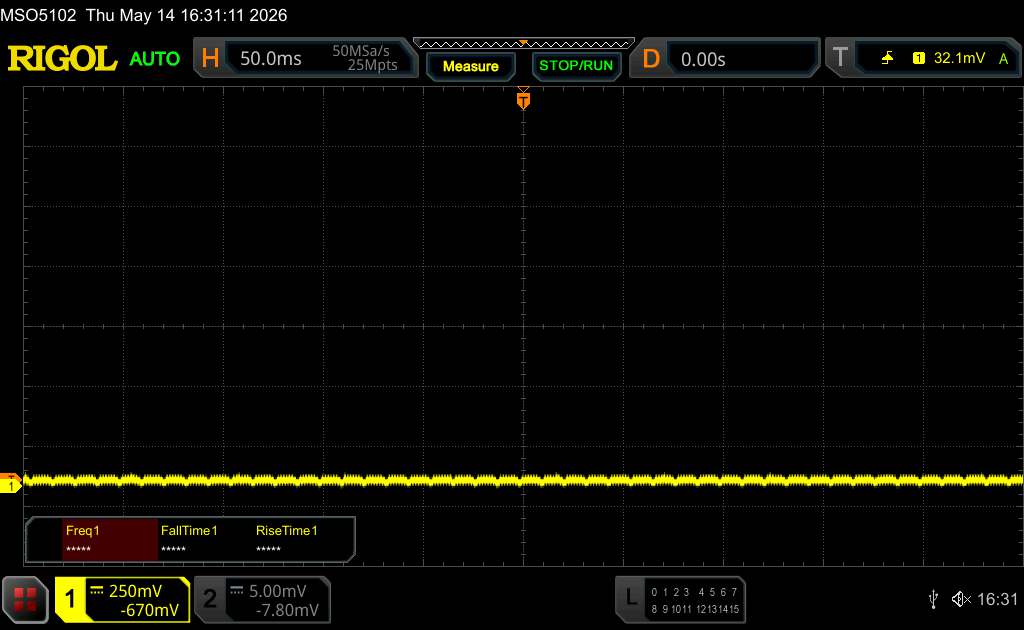
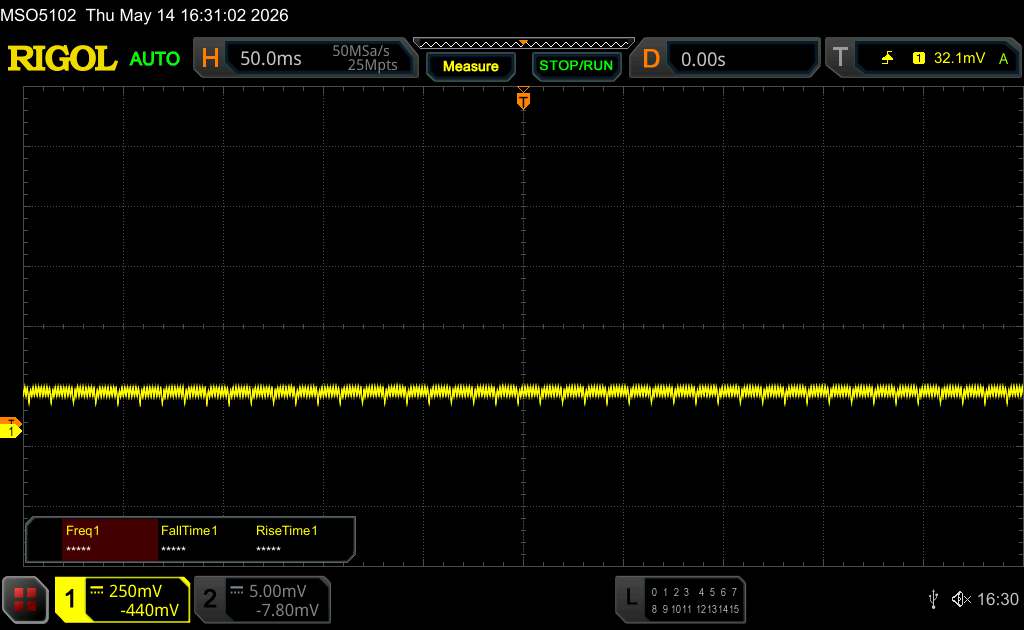
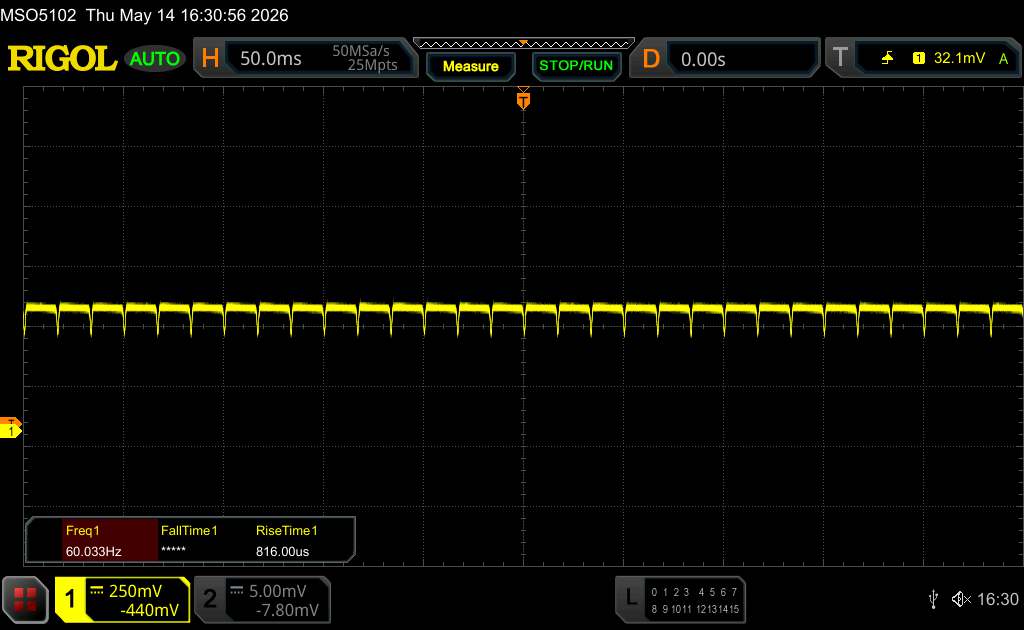
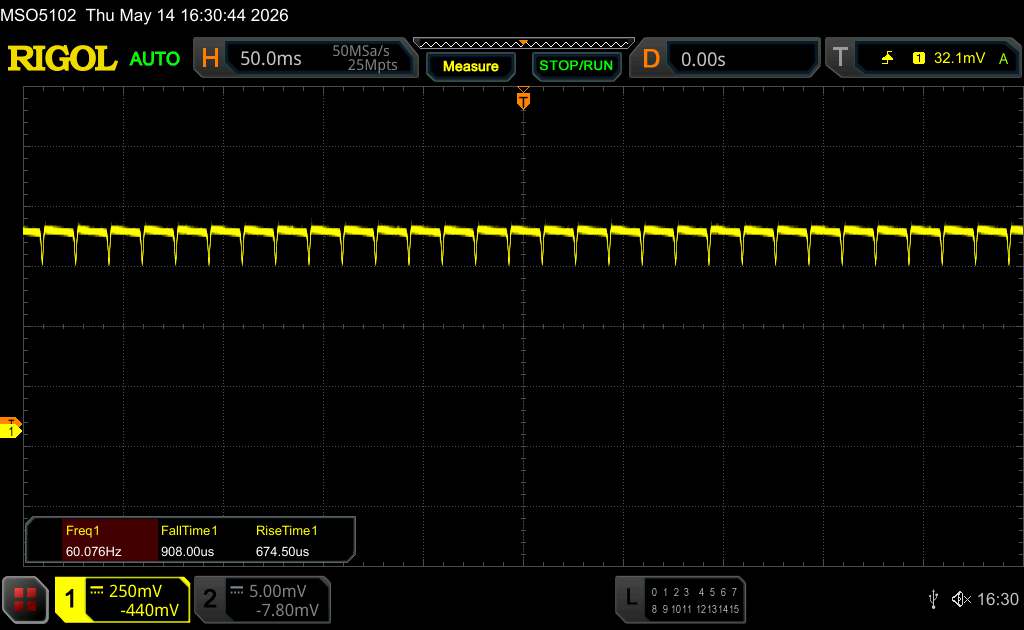
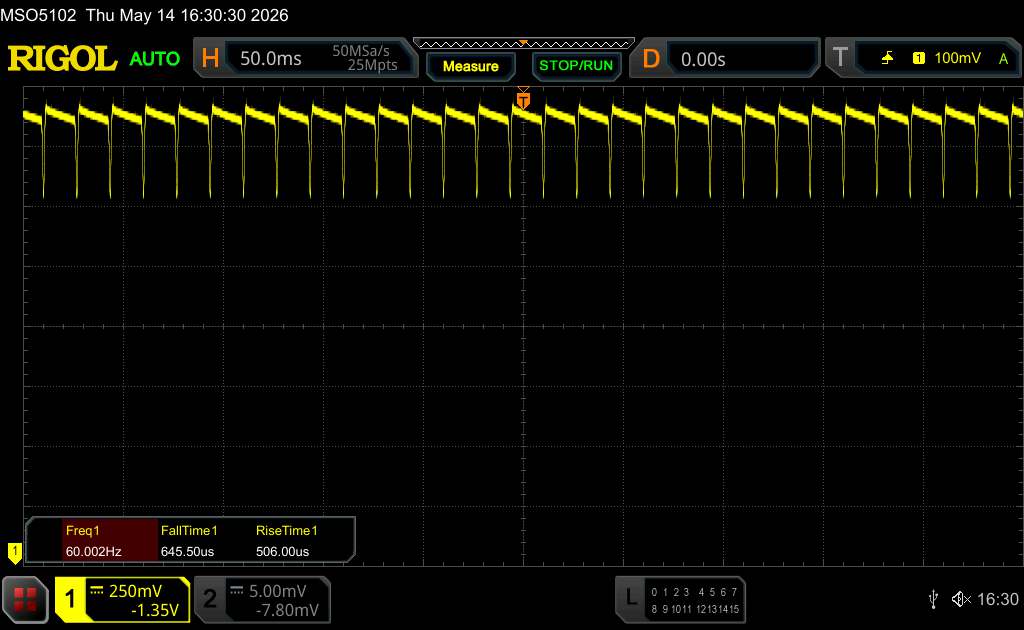
Measurement series with fixed zoom level and different brightness settings (The amplitude curve at minimum brightness looks flat, but this is due to the scaling. The info box shows the enlarged version of the amplitude at minimum brightness)
Display Response Times
| ↔ Response Time Black to White | ||
|---|---|---|
| 18.9 ms ... rise ↗ and fall ↘ combined | ↗ 1.3 ms rise | 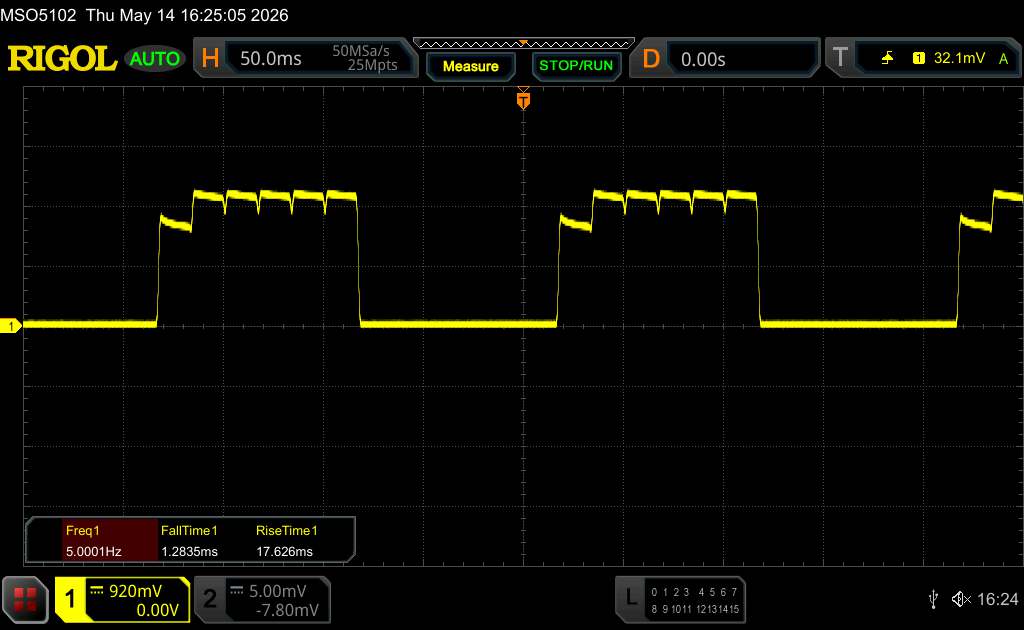 |
| ↘ 17.6 ms fall | ||
| The screen shows good response rates in our tests, but may be too slow for competitive gamers. In comparison, all tested devices range from 0.1 (minimum) to 240 (maximum) ms. » 42 % of all devices are better. This means that the measured response time is similar to the average of all tested devices (19.7 ms). | ||
| ↔ Response Time 50% Grey to 80% Grey | ||
| 2.2 ms ... rise ↗ and fall ↘ combined | ↗ 1 ms rise | 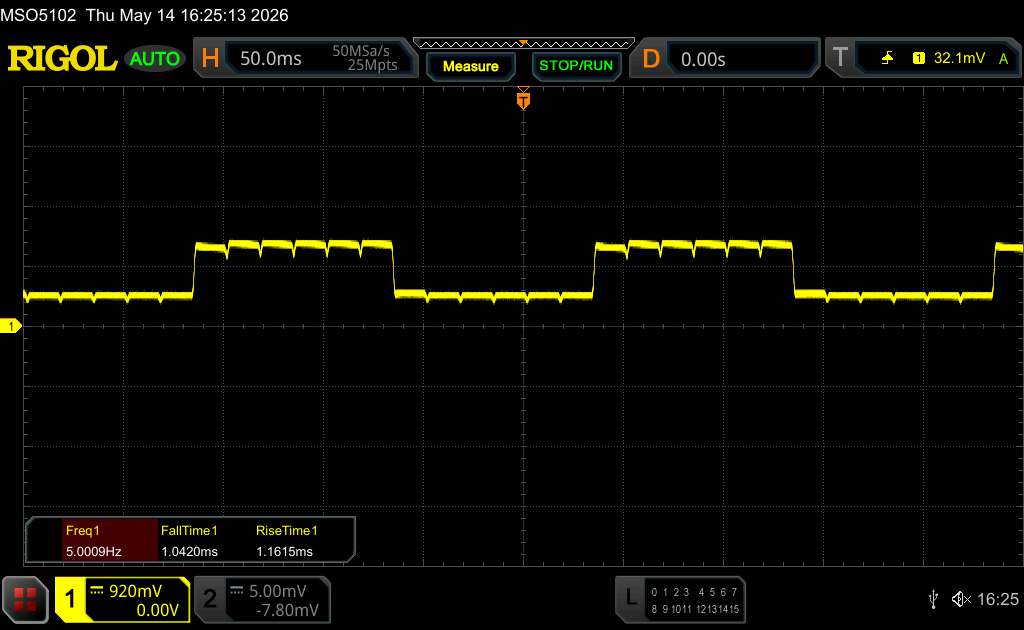 |
| ↘ 1.2 ms fall | ||
| The screen shows very fast response rates in our tests and should be very well suited for fast-paced gaming. In comparison, all tested devices range from 0.13 (minimum) to 636 (maximum) ms. » 12 % of all devices are better. This means that the measured response time is better than the average of all tested devices (30.7 ms). | ||
Performance, emissions and battery life - Maximum power
The Qualcomm Snapdragon 8s Gen 4 delivers a great deal of performance, allowing the OnePlus Nord 6 to clearly set itself apart from the similarly priced competition. Our test device is usually ahead in terms of both computing power and graphics calculations. There are devices, however, that perform faster AI calculations.
When it comes to mass storage, OnePlus goes all out, despite the current shortage: UFS 4.1 is one of the fastest flash storages and the OnePlus phone therefore achieves very fast loading times and data transfers.
If the phone runs under high load for a longer period of time, the casing heats up considerably, which can be problematic. The system also significantly reduces its performance after prolonged load.
The loudspeakers can fill a medium-sized room with sound, but occasionally seem overwhelmed at full volume. If you turn the volume down, you get good sound, but you shouldn't expect bass.
When it comes to battery, many in the Western world will be annoyed: the global version of the OnePlus Nord 6 only has a 7,500 mAh battery, while the Chinese version has 9,000 mAh. The runtime in our WLAN test is nevertheless generous at over 23 hours.
Thanks to a charging capacity of over 80 watts and a suitable charger, we were able to recharge the battery in around an hour.
| Jetstream 2 - 2.0 Total | |
| Average Qualcomm Snapdragon 8s Gen 4 SM8735 (174.8 - 245, n=5) | |
| OnePlus Nord 6 | |
| OnePlus Nord 5 | |
| Average of class Smartphone (63.9 - 423, n=115, last 2 years) | |
| Motorola Edge 70 Fusion | |
| OnePlus Nord 6 | OnePlus Nord 5 | Nothing Phone (4a) | Motorola Edge 70 Fusion | Xiaomi Redmi Note 15 Pro+ 5G | Average 512 GB UFS 4.1 Flash | Average of class Smartphone | |
|---|---|---|---|---|---|---|---|
| AndroBench 3-5 | -49% | -46% | -34% | -67% | -8% | -37% | |
| Sequential Read 256KB (MB/s) | 3562 | 1894 -47% | 2003.93 -44% | 2049.4 -42% | 1034.37 -71% | 3616 ? 2% | 2280 ? -36% |
| Sequential Write 256KB (MB/s) | 3544 | 1852 -48% | 1596.2 -55% | 1825.9 -48% | 987.09 -72% | 3225 ? -9% | 1972 ? -44% |
| Random Read 4KB (MB/s) | 503 | 250 -50% | 263.22 -48% | 351.2 -30% | 171.52 -66% | 414 ? -18% | 317 ? -37% |
| Random Write 4KB (MB/s) | 528 | 268 -49% | 325.75 -38% | 452.1 -14% | 213.85 -59% | 498 ? -6% | 362 ? -31% |
(-) The maximum temperature on the upper side is 52.9 °C / 127 F, compared to the average of 35.4 °C / 96 F, ranging from 21.9 to 247 °C for the class Smartphone.
(-) The bottom heats up to a maximum of 51.6 °C / 125 F, compared to the average of 34.1 °C / 93 F
(+) In idle usage, the average temperature for the upper side is 30.8 °C / 87 F, compared to the device average of 33 °C / 91 F.
3DMark Stress Tests
| 3DMark | |
| Wild Life Stress Test Stability | |
| Nothing Phone (4a) | |
| Xiaomi Redmi Note 15 Pro+ 5G | |
| Motorola Edge 70 Fusion | |
| OnePlus Nord 5 | |
| OnePlus Nord 6 | |
| Wild Life Extreme Stress Test | |
| Nothing Phone (4a) | |
| Xiaomi Redmi Note 15 Pro+ 5G | |
| Motorola Edge 70 Fusion | |
| OnePlus Nord 5 | |
| OnePlus Nord 6 | |
| Solar Bay Stress Test Stability | |
| OnePlus Nord 5 | |
| Steel Nomad Light Stress Test Stability | |
| Xiaomi Redmi Note 15 Pro+ 5G | |
| Nothing Phone (4a) | |
| OnePlus Nord 5 | |
| OnePlus Nord 6 | |
OnePlus Nord 6 audio analysis
(+) | speakers can play relatively loud (85.1 dB)
Bass 100 - 315 Hz
(-) | nearly no bass - on average 31.7% lower than median
(-) | bass is not linear (16.3% delta to prev. frequency)
Mids 400 - 2000 Hz
(±) | higher mids - on average 7.1% higher than median
(+) | mids are linear (6.5% delta to prev. frequency)
Highs 2 - 16 kHz
(±) | higher highs - on average 5.2% higher than median
(+) | highs are linear (3.5% delta to prev. frequency)
Overall 100 - 16.000 Hz
(±) | linearity of overall sound is average (24.3% difference to median)
Compared to same class
» 58% of all tested devices in this class were better, 7% similar, 35% worse
» The best had a delta of 11%, average was 34%, worst was 136%
Compared to all devices tested
» 74% of all tested devices were better, 5% similar, 21% worse
» The best had a delta of 4%, average was 23%, worst was 136%
OnePlus Nord 5 audio analysis
(+) | speakers can play relatively loud (87 dB)
Bass 100 - 315 Hz
(-) | nearly no bass - on average 20% lower than median
(±) | linearity of bass is average (9.7% delta to prev. frequency)
Mids 400 - 2000 Hz
(+) | balanced mids - only 4.9% away from median
(+) | mids are linear (3.7% delta to prev. frequency)
Highs 2 - 16 kHz
(±) | higher highs - on average 5.3% higher than median
(±) | linearity of highs is average (8.1% delta to prev. frequency)
Overall 100 - 16.000 Hz
(±) | linearity of overall sound is average (16.7% difference to median)
Compared to same class
» 9% of all tested devices in this class were better, 6% similar, 85% worse
» The best had a delta of 11%, average was 34%, worst was 136%
Compared to all devices tested
» 29% of all tested devices were better, 7% similar, 64% worse
» The best had a delta of 4%, average was 23%, worst was 136%
| OnePlus Nord 6 7500 mAh | OnePlus Nord 5 5200 mAh | Nothing Phone (4a) 5080 mAh | Motorola Edge 70 Fusion 7000 mAh | Xiaomi Redmi Note 15 Pro+ 5G 6500 mAh | |
|---|---|---|---|---|---|
| Battery runtime | -17% | -22% | 3% | -6% | |
| Reader / Idle (h) | 40.2 | 35.4 -12% | 39.3 -2% | ||
| WiFi v1.3 (h) | 23.1 | 17.2 -26% | 18 -22% | 24.5 6% | 21.7 -6% |
| Load (h) | 5.2 | 4.5 -13% | 5.4 4% | ||
| H.264 (h) | 19 |
Notebookcheck overall rating
Lots of power, large battery, stylish design - the OnePlus Nord 6 can live up to its own expectations.
However, the USB port and the less flexible camera system are disadvantages.

OnePlus Nord 6
- 05/20/2026 v8
Florian Schmitt
 Total Sustainability Score:
 Possible alternatives in comparison
Image | Model / Review | Price | Weight | Drive | Display |
|---|---|---|---|---|---|
1. 83%  | OnePlus Nord 6 Qualcomm Snapdragon 8s Gen 4 SM8735 ⎘ Qualcomm Adreno 825 ⎘ 12 GB Memory, 512 GB UFS 4.x | Amazon: 1. $699.99 OnePlus Nord CE6 Dual-SIM 25... 2. $949.99 OnePlus 15, 12GB RAM + 256GB... 3. $859.00 OnePlus 15R, 12GB RAM + 512G... List Price: 499€ | 210 g | 512 GB UFS 4.1 Flash | 6.78" 2772x1272 450 PPI AMOLED |
2. 80.5%  | OnePlus Nord 5 Qualcomm Snapdragon 8s Gen 3 ⎘ Qualcomm Adreno 735 ⎘ 8 GB Memory, 256 GB UFS 3.1 | List Price: 449€ | 211 g | 256 GB UFS 3.1 Flash | 6.83" 2800x1272 450 PPI AMOLED |
3. 78.6%  | Nothing Phone (4a) Qualcomm Snapdragon 7s Gen 4 ⎘ Qualcomm Adreno 810 ⎘ 12 GB Memory, 256 GB UFS 3.1 | List Price: 429€ | 204.5 g | 256 GB UFS 3.1 Flash | 6.78" 2720x1224 440 PPI AMOLED |
4. 77.4%  | Motorola Edge 70 Fusion Qualcomm Snapdragon 7s Gen 3 ⎘ Qualcomm Adreno 810 ⎘ 8 GB Memory, 256 GB UFS 3.1 | List Price: 420€ | 193 g | 256 GB UFS 3.1 Flash | 6.78" 2772x1272 450 PPI AMOLED |
5. 79.4%  | Xiaomi Redmi Note 15 Pro+ 5G Qualcomm Snapdragon 7s Gen 4 ⎘ Qualcomm Adreno 810 ⎘ 12 GB Memory, 512 GB UFS 2.2 | List Price: 530€ | 208 g | 512 GB UFS 2.2 Flash | 6.83" 2772x1280 447 PPI AMOLED |
Transparency
The selection of devices to be reviewed is made by our editorial team. The test sample was provided to the author as a loan by the manufacturer or retailer for the purpose of this review. The lender had no influence on this review, nor did the manufacturer receive a copy of this review before publication. There was no obligation to publish this review. As an independent media company, Notebookcheck is not subjected to the authority of manufacturers, retailers or publishers.
This is how Notebookcheck is testing
Every year, Notebookcheck independently reviews hundreds of laptops and smartphones using standardized procedures to ensure that all results are comparable. We have continuously developed our test methods for around 20 years and set industry standards in the process. In our test labs, high-quality measuring equipment is utilized by experienced technicians and editors. These tests involve a multi-stage validation process. Our complex rating system is based on hundreds of well-founded measurements and benchmarks, which maintains objectivity. Further information on our test methods can be found here.
 Add as a preferred source on Google


