




US-based sodium-ion battery factory to target energy storage without Chinese imports
The promising sodium-ion battery technology is gaining traction in both electric vehicles and energy storage systems, including grid-level ones.
Na-ion batteries are safer, with a longer lifespan, and, with the current jump in the price of battery-grade lithium carbonate, they are increasingly back in vogue, and companies are even starting to release the first user-facing gear, like a sodium-ion jump starter, on Amazon.
The vast majority of sodium-ion battery projects, however, hail from China, with local juggernauts CATL and BYD making the most advanced such cells, with energy density now closing in on LFP batteries. Despite their advanced technological specifications, in the US these cells not only fall under the restrictions of the federal Foreign Entity of Concern (FEOC) regulation but are also ineligible for any type of subsidies, state or otherwise.
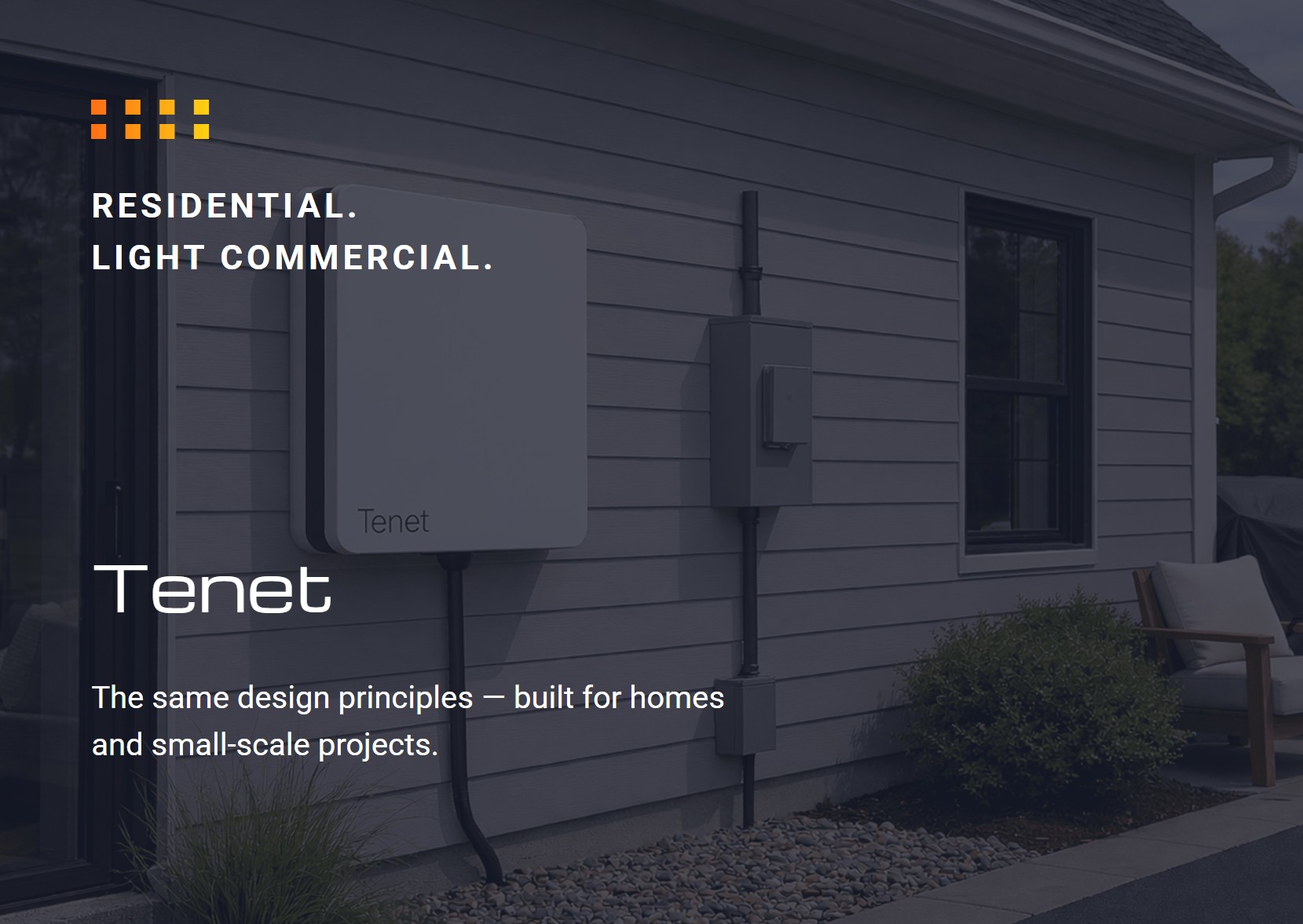
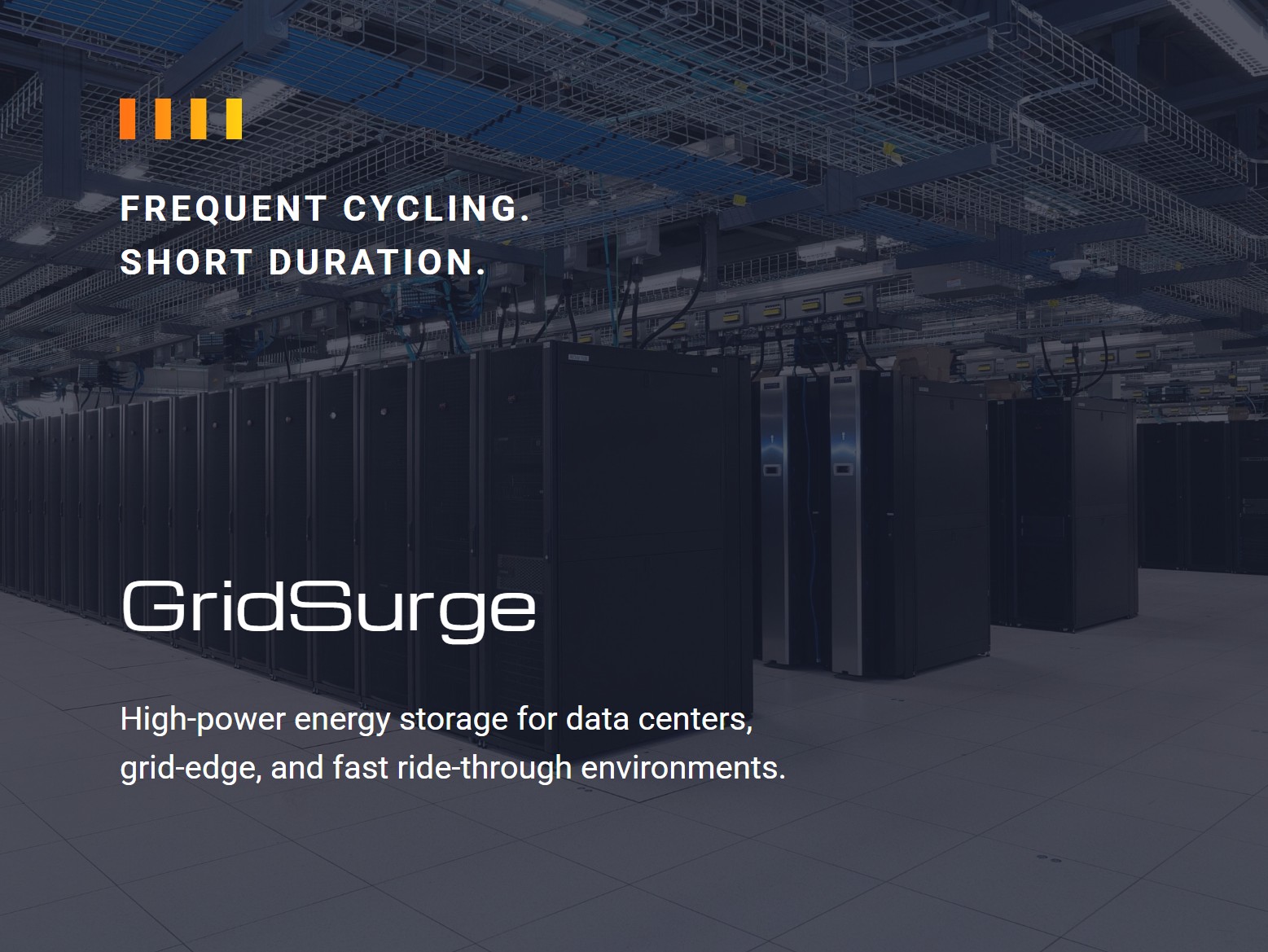
American companies that have bet on the sodium-ion battery chemistry, like Syntropic Power, are taking notice and are now beginning to onshore their Na-ion cell production. Syntropic has several energy storage systems on tap, from light residential solutions similar to Tesla's Powerwall and long-duration ones for critical infrastructure to high-power ESS for AI data center backup and grid edge cases.
Called Tenet, Gridpan, and GridSurge, they are all designed with the safety and endurance of the sodium-ion cells in mind. The North Carolina company is currently preparing to deploy a pilot of 2 GWh storage capacity in 2026 and is building a local Na-ion battery manufacturing factory to avoid FEOC restrictions and bank on eventual subsidies due to customer demand.
"We’re making this move now because the U.S. market needs storage that can be deployed with confidence, supported by certification, insurance acceptance, and a secure domestic supply chain," adds Syntropic Power's CEO, Phillip Martin.
Source(s)
 Add as a preferred source on Google


